English
 中文简体
中文简体 русский
 Español
Ceramic CBN Grinding Wheel Centerless Grinding Machine
Cat:Centerless Grinding Machine
It is mainly used for precision grinding of outer circles of engine inlet and exhaust valve stems, bearings, and various shaft products.
MoreMachine tools are essential in almost every manufacturing process, from producing parts for automobiles to creating intricate designs in electronics. But what exactly is general machine tool equipment, and why is it crucial for your production operations? In this article, we will explore what machine tools are, their key features, advantages, and important considerations when using them. Whether you're in manufacturing, metalworking, or even aerospace, understanding these tools is vital for improving efficiency and ensuring high-quality production.
Content
General machine tool equipment refers to a broad category of machines used in industrial processes to shape, cut, or form materials like metal, wood, or plastic. These tools are commonly used for precision tasks such as drilling, milling, turning, grinding, and shaping materials into finished products or components. Machine tools are powered either manually or via automated systems (CNC, or computer numerical control), allowing for highly precise work in large or small-scale production.
Some common types of general machine tool equipment include:
These tools are found in industries like automotive manufacturing, aerospace, metalworking, and many others. Their versatility and precision are what make them indispensable in production lines and machine shops around the world.
Using machine tools can significantly improve production efficiency and product quality. Here are some of the main advantages:
One of the most important advantages of general machine tool equipment is the high level of precision it offers. Whether it's a CNC machine that performs repetitive tasks or a traditional lathe that shapes materials by hand, these tools are designed to produce parts with tight tolerances. This accuracy is critical in industries where even the slightest deviation can affect performance, such as in automotive or aerospace components.
Machine tools are designed to speed up the manufacturing process. With the help of CNC machines and automated systems, tasks that once required manual labor can be performed much faster. This increased efficiency allows businesses to produce more units in less time, which is especially important in high-demand industries. The ability to operate these machines for long hours with minimal intervention also helps increase overall productivity.
General machine tool equipment is incredibly versatile. For instance, a milling machine can perform multiple tasks like drilling, boring, and cutting, while CNC machines can handle a wide range of materials and manufacturing processes. This versatility allows manufacturers to use a single type of machine for various operations, reducing the need for specialized equipment. In turn, this saves space and capital investment for businesses.
While the initial investment in machine tool equipment can be significant, the long-term benefits far outweigh the costs. These machines are built to last and can operate for many years with proper maintenance. Moreover, their efficiency and accuracy reduce the likelihood of costly errors and product defects. For companies that require high-volume production, machine tools can lower the cost per unit, making them a highly cost-effective solution in the long run.
Modern machine tool equipment is designed with safety features that minimize the risks associated with manual labor. Many machines come with safety shields, emergency stop functions, and automated systems that reduce human involvement in dangerous tasks. This helps protect workers from injuries and ensures that production is both safe and efficient.
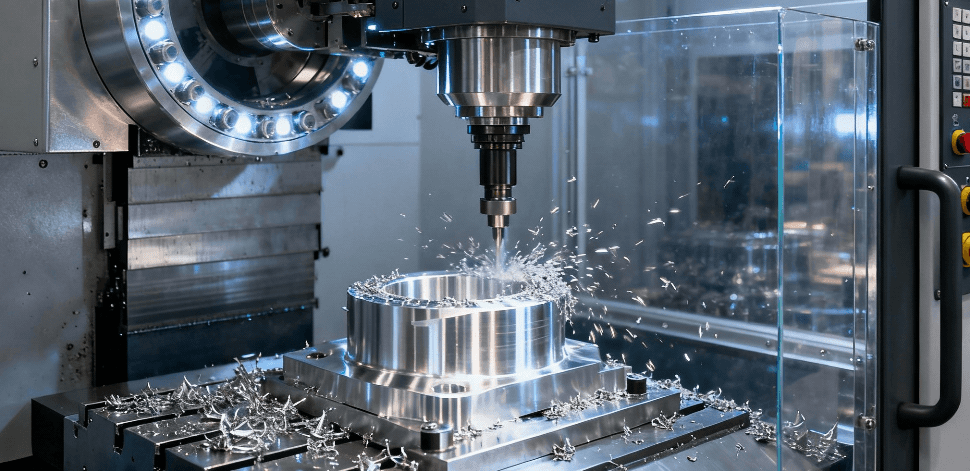
While machine tools offer significant benefits, there are several important considerations to ensure you get the most out of these tools. Below are key points to keep in mind when using or purchasing general machine tool equipment:
Machine tools, particularly CNC machines, require specialized knowledge and training to operate efficiently. Without proper training, workers may struggle to maximize the machine’s potential or, worse, make mistakes that can lead to production errors or safety risks. It's important to invest in regular training for your operators to ensure they are well-versed in machine operations, maintenance, and troubleshooting.
Machine tool equipment, especially CNC machines, requires regular maintenance to ensure it continues to operate efficiently. This includes cleaning, lubrication, part replacements, and calibrations. Regular maintenance prevents downtime, improves the accuracy of the machine, and prolongs its lifespan. Make sure your maintenance schedule aligns with the manufacturer’s recommendations to avoid costly repairs and keep the machines running smoothly.
There are many types of machine tools available, and choosing the right one for your specific needs is essential for optimal performance. For instance, if you are manufacturing precision parts for the aerospace industry, investing in CNC machines with high precision may be necessary. On the other hand, for general manufacturing tasks, a basic milling or drilling machine may suffice. Ensure that the machine you choose aligns with your production needs and budget.
Safety should always be a priority when using machine tool equipment. Make sure that your workplace complies with local safety standards and regulations. This includes providing workers with personal protective equipment (PPE), ensuring that safety guards are in place, and having emergency procedures in case of accidents. A safe working environment not only protects workers but also enhances productivity by reducing downtime due to accidents.
As industries move towards more sustainable practices, it's important to consider the environmental impact of machine tool equipment. Many manufacturers are now focusing on energy-efficient machines that reduce power consumption and minimize waste. Additionally, consider using materials that are easier to recycle or dispose of responsibly. Incorporating eco-friendly practices can help reduce your company’s carbon footprint and improve its reputation with environmentally conscious customers.
In conclusion, general machine tool equipment is a valuable investment for any manufacturing or production business. The precision, productivity, versatility, and safety they offer can significantly enhance operations, reduce costs, and improve product quality. While the initial cost may seem high, the long-term savings in efficiency, maintenance, and reduced errors make it worthwhile.
Whether you're just starting out or looking to upgrade your existing equipment, investing in the right machine tools can streamline your production process and help you stay competitive in your industry. Be sure to consider factors like training, maintenance, safety, and environmental impact to get the most out of your investment.
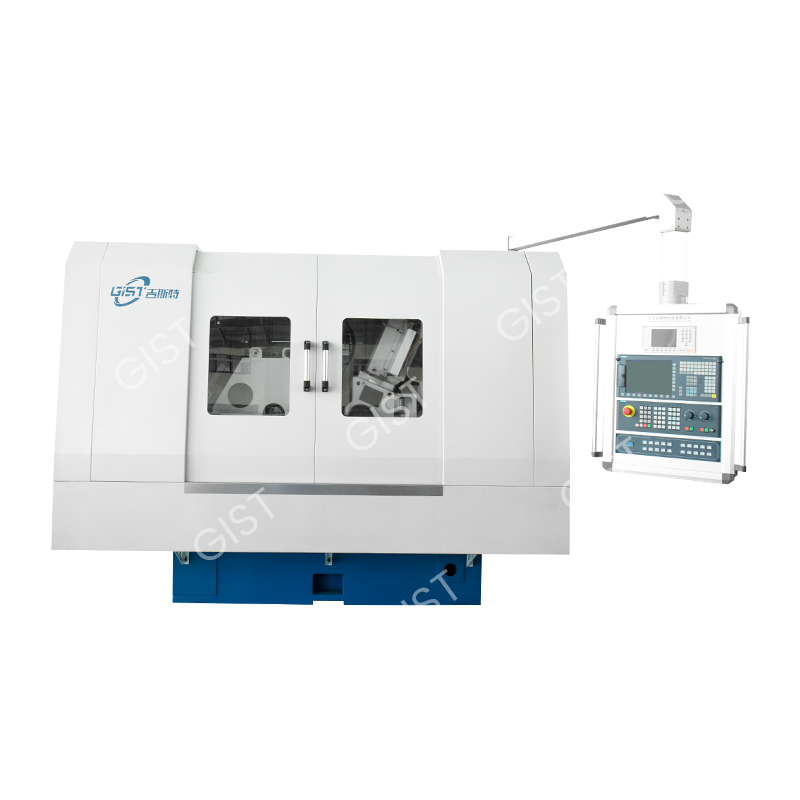
It is mainly used for precision grinding of outer circles of engine inlet and exhaust valve stems, bearings, and various shaft products.
More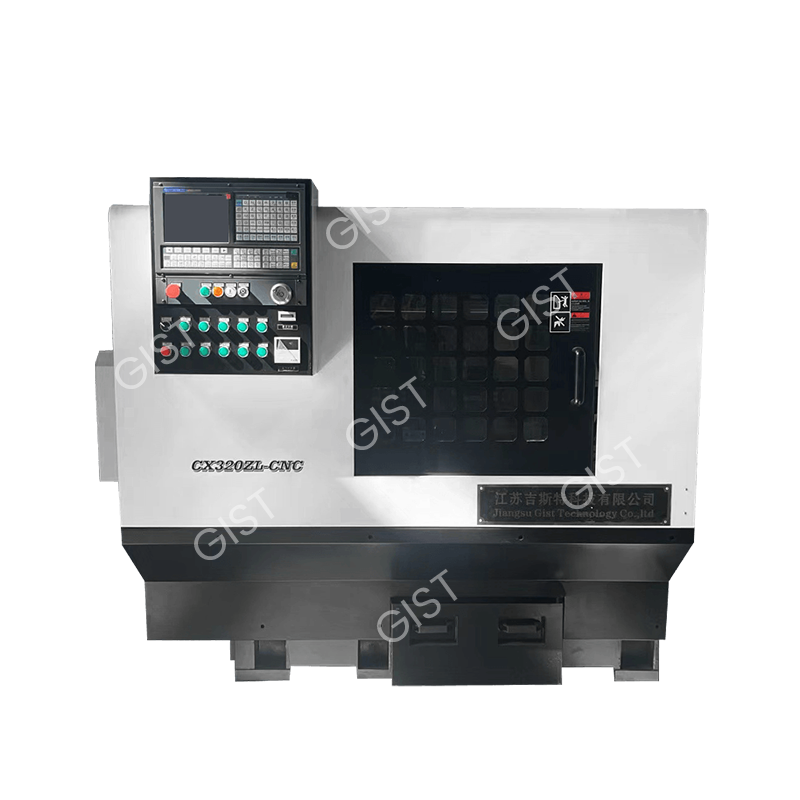
Category: CNC lathe Product Overview: The company has passed the certification of various systems such as ISO9001:2015 quality management system, ...
More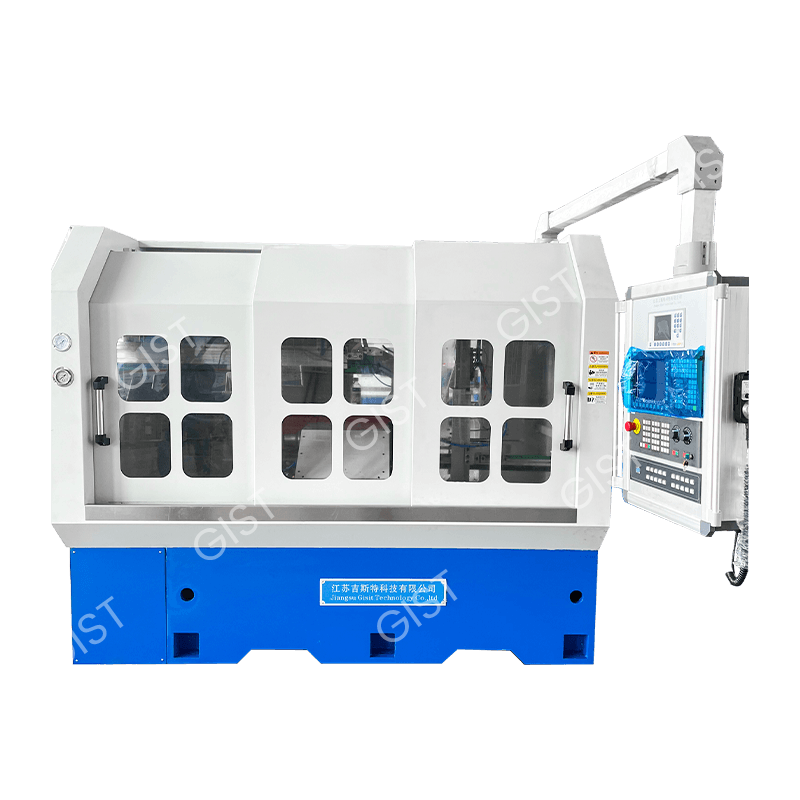
Category: Special valve CNC grinder Product Overview: The company has passed the certification of various systems such as ISO9001:2015 quality man...
More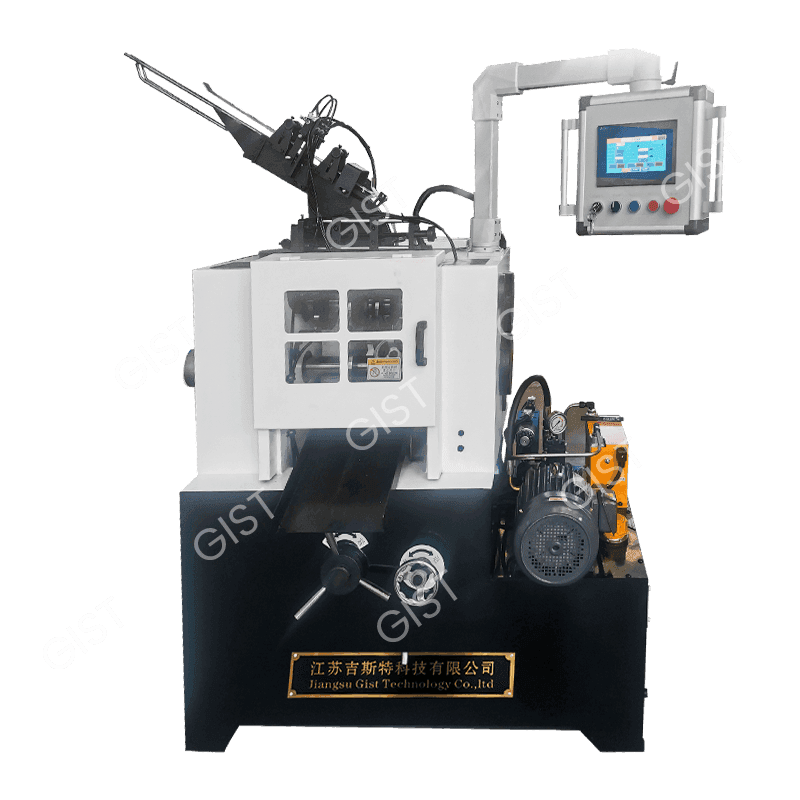
Category: Machining equipment Product Overview: The company has passed the certification of various systems such as ISO9001:2015 quality managemen...
More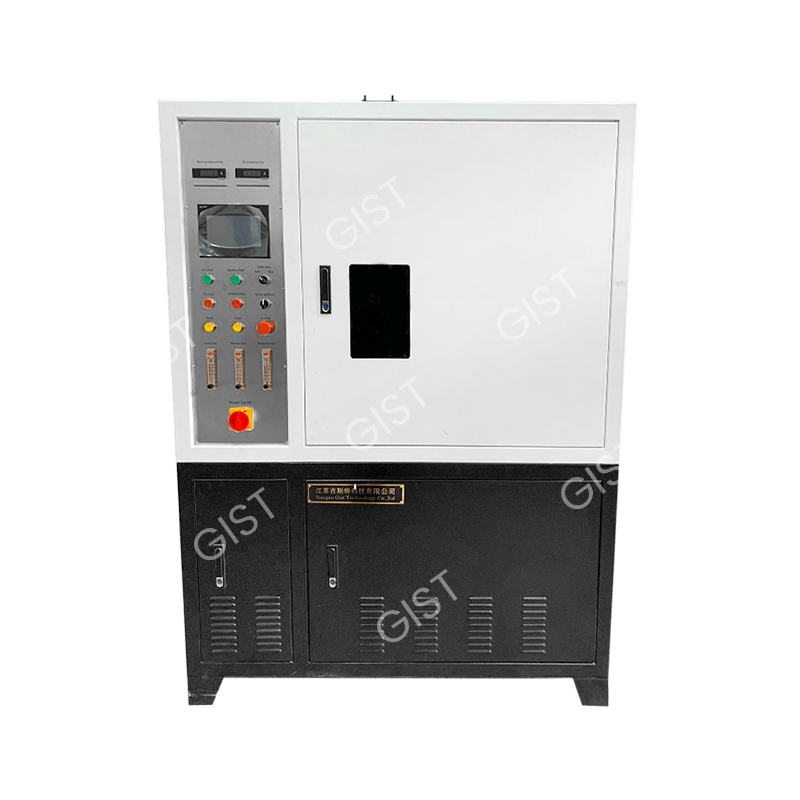
Category: Plasma welding equipment Product Overview: The company has passed the certification of various systems such as ISO9001:2015 quality mana...
More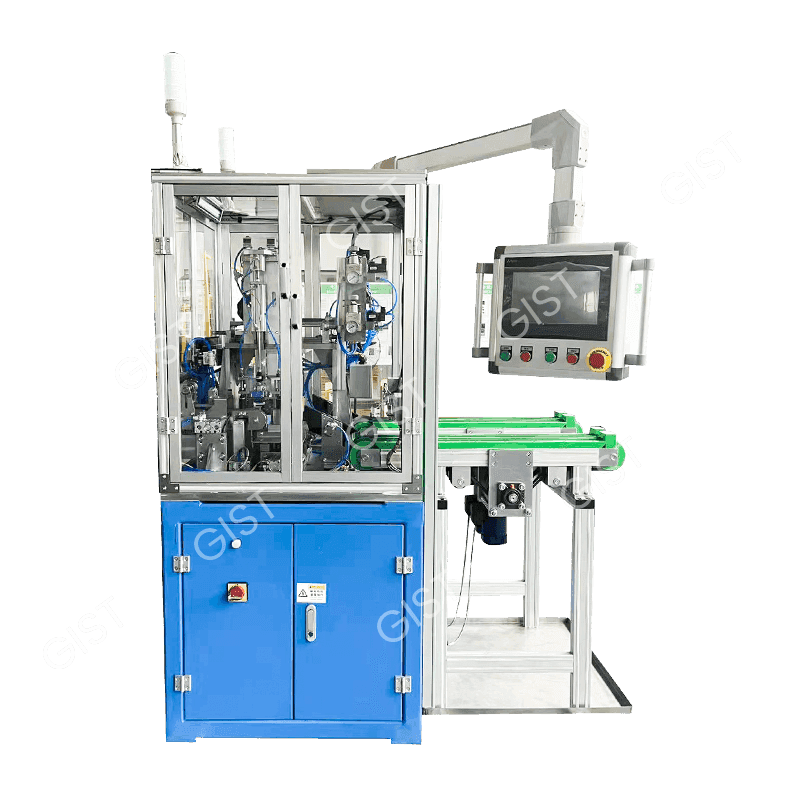
Category: Finished product testing equipment Product Overview: The company has passed the certification of various systems such as ISO9001:2015 qu...
More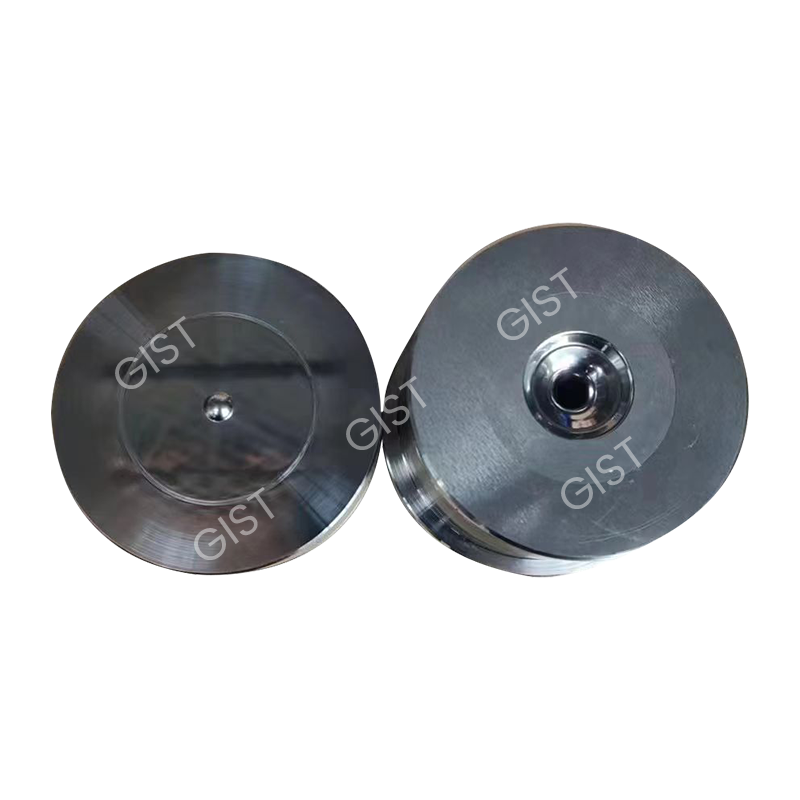
Category: Production auxiliary products Product Overview: The company has passed the certification of various systems such as ISO9001:2015 quality...
More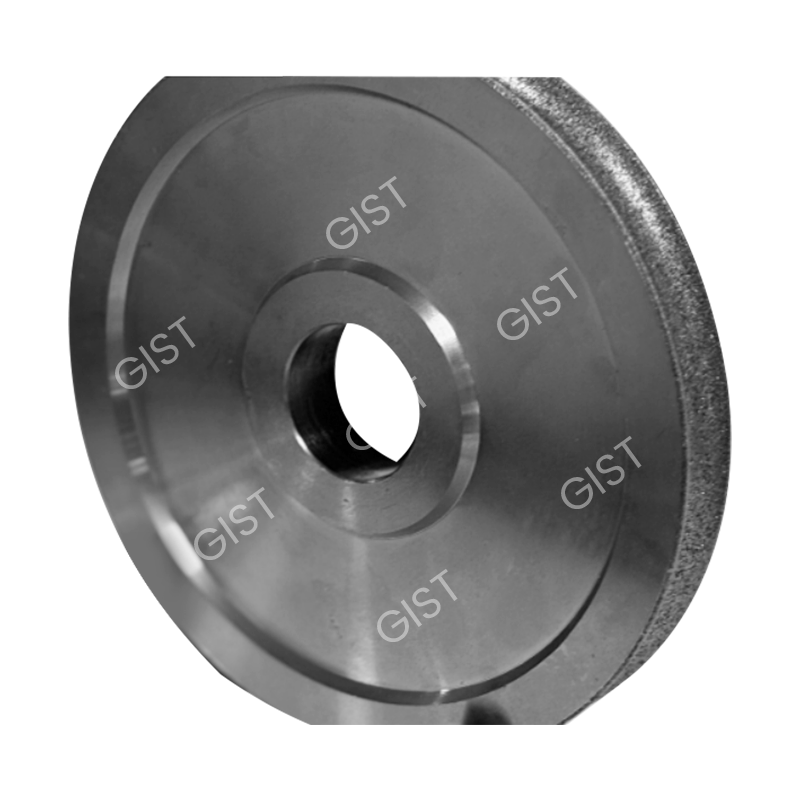
Category: Production auxiliary products Product Overview: The company has passed the certification of various systems such as ISO9001:2015 quality...
More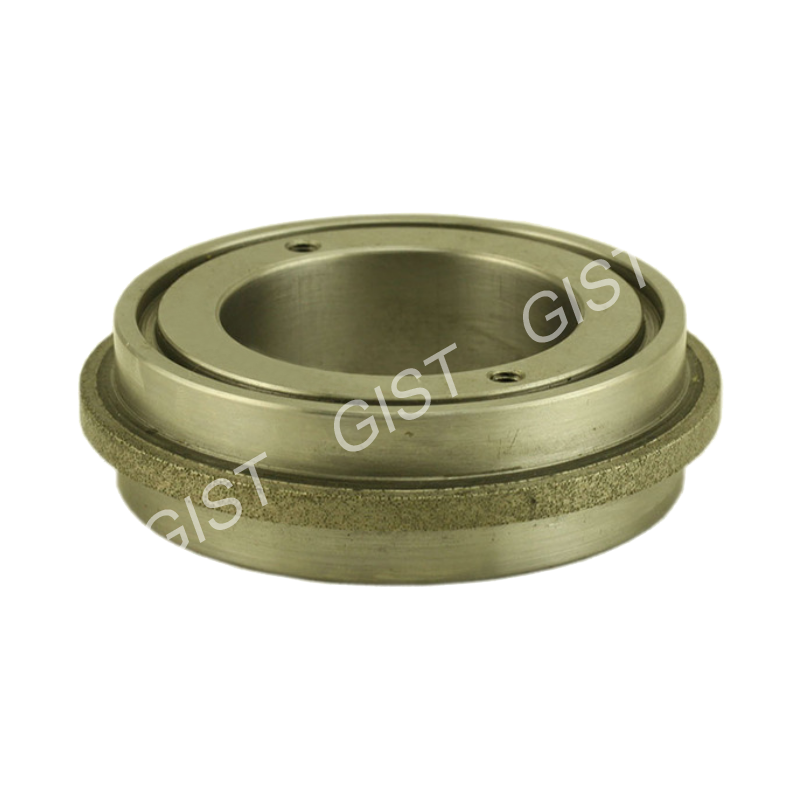
Category: Production auxiliary products Product Overview: The company has passed the certification of various systems such as ISO9001:2015 quality...
More
Category: Production auxiliary products Product Overview: The company has passed the certification of various systems such as ISO9001:2015 quality...
More
 86-13584767515
86-0515-89500828
 No. 1, Industrial Concentration Area, Wulie Town, Dongtai City, Jiangsu Province
Product