English
 中文简体
中文简体 русский
 Español
Direct Answer: What Defines a Reliable CNC Valve Grinding Machine A CNC Valve Grinding Machine earns its place on a production floor when it can hold a consistent valve seat angle......
Read More
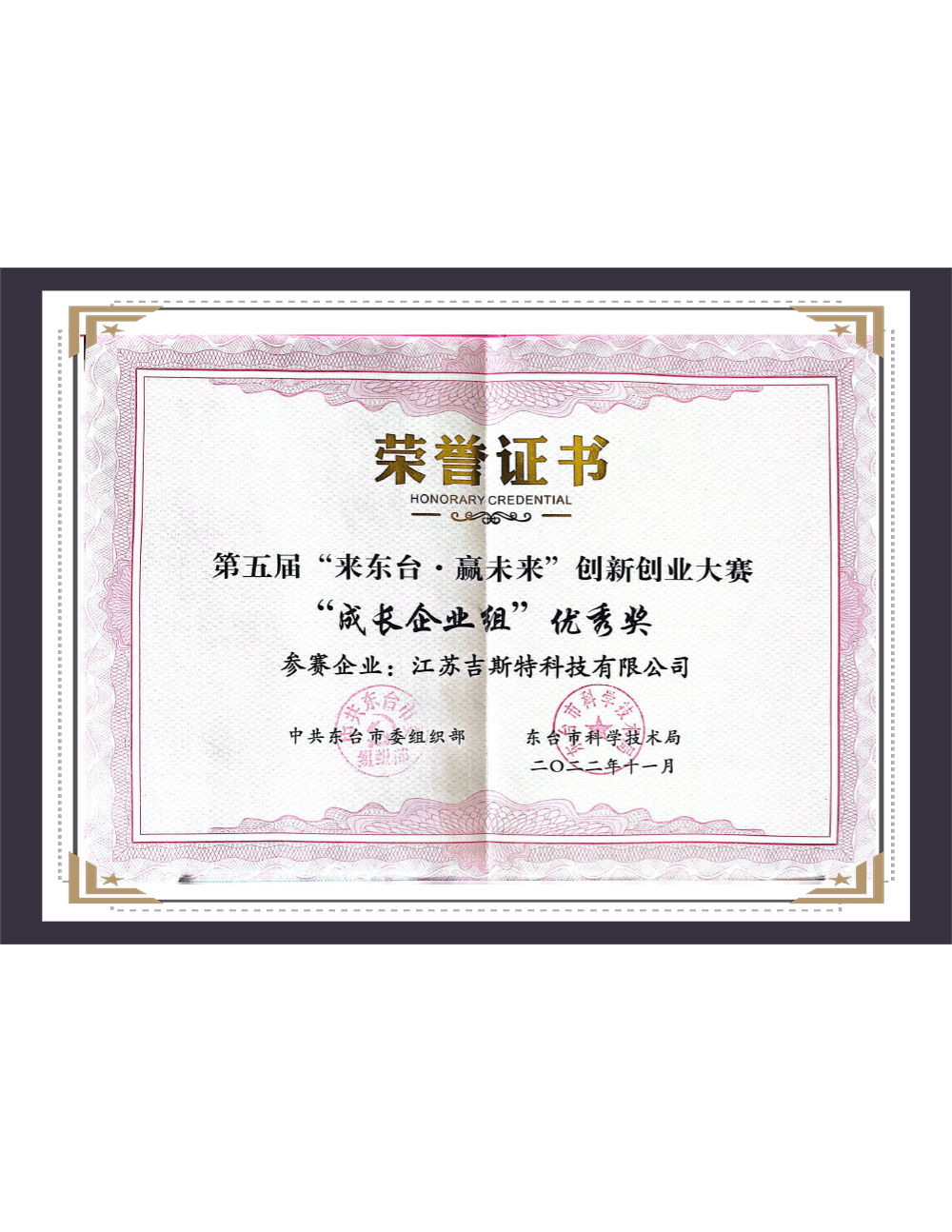

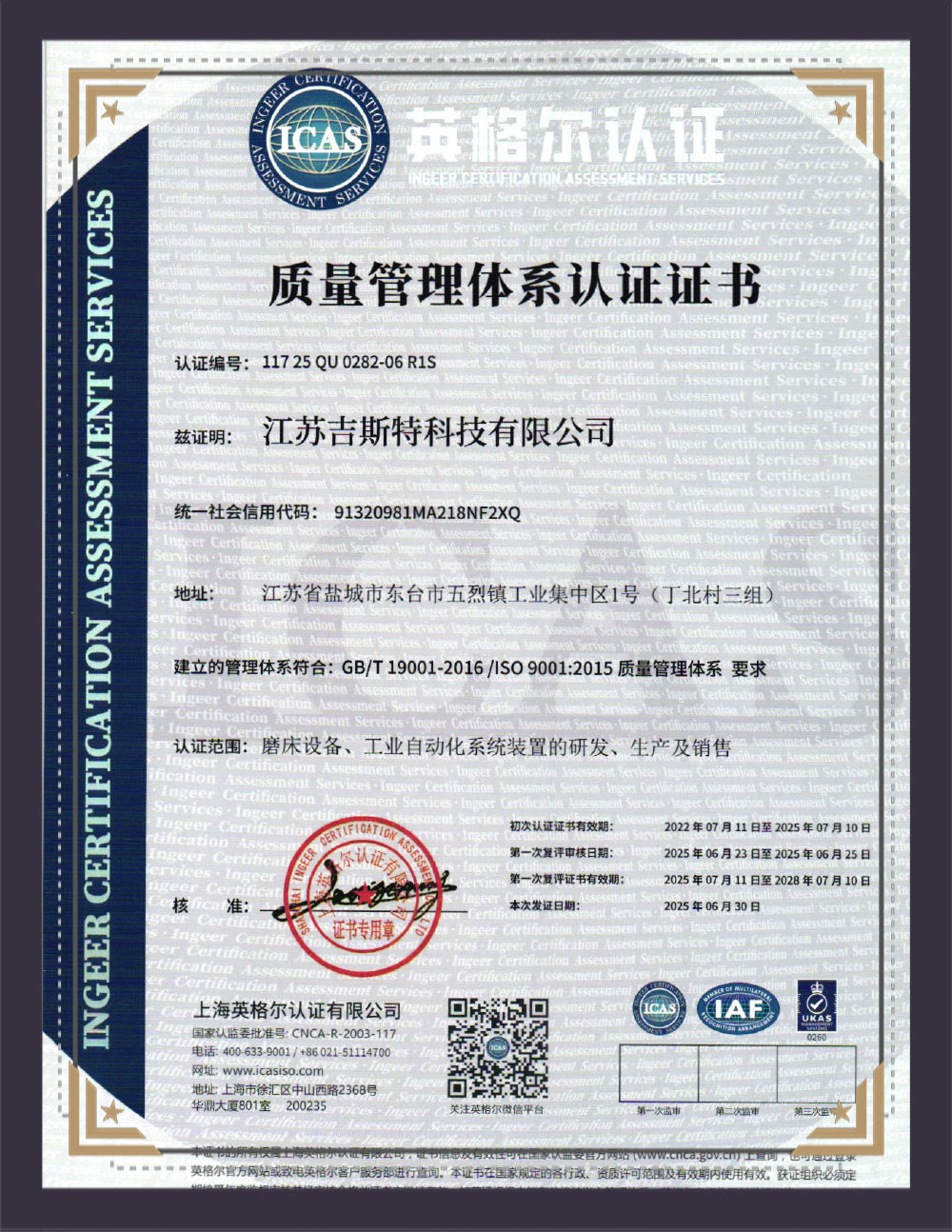
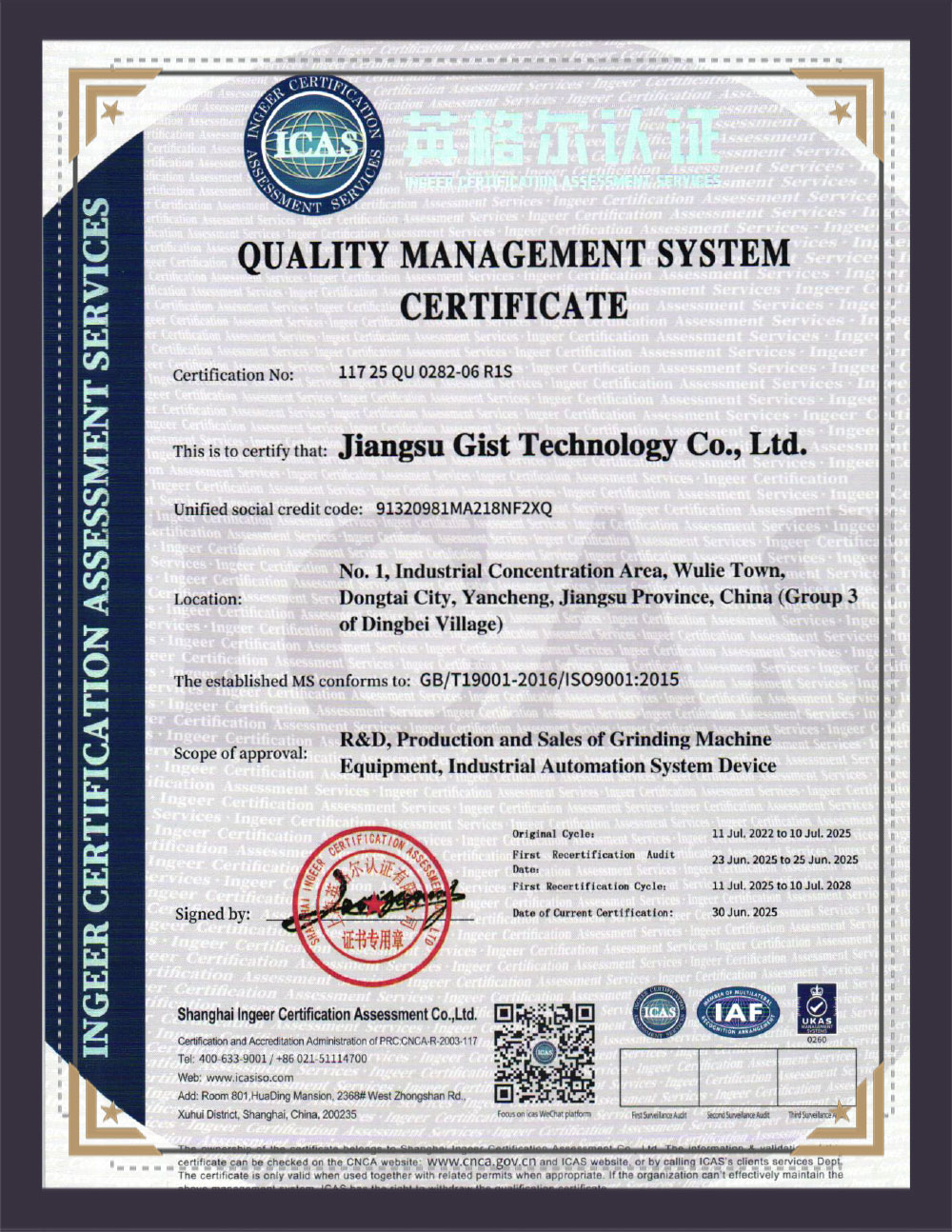
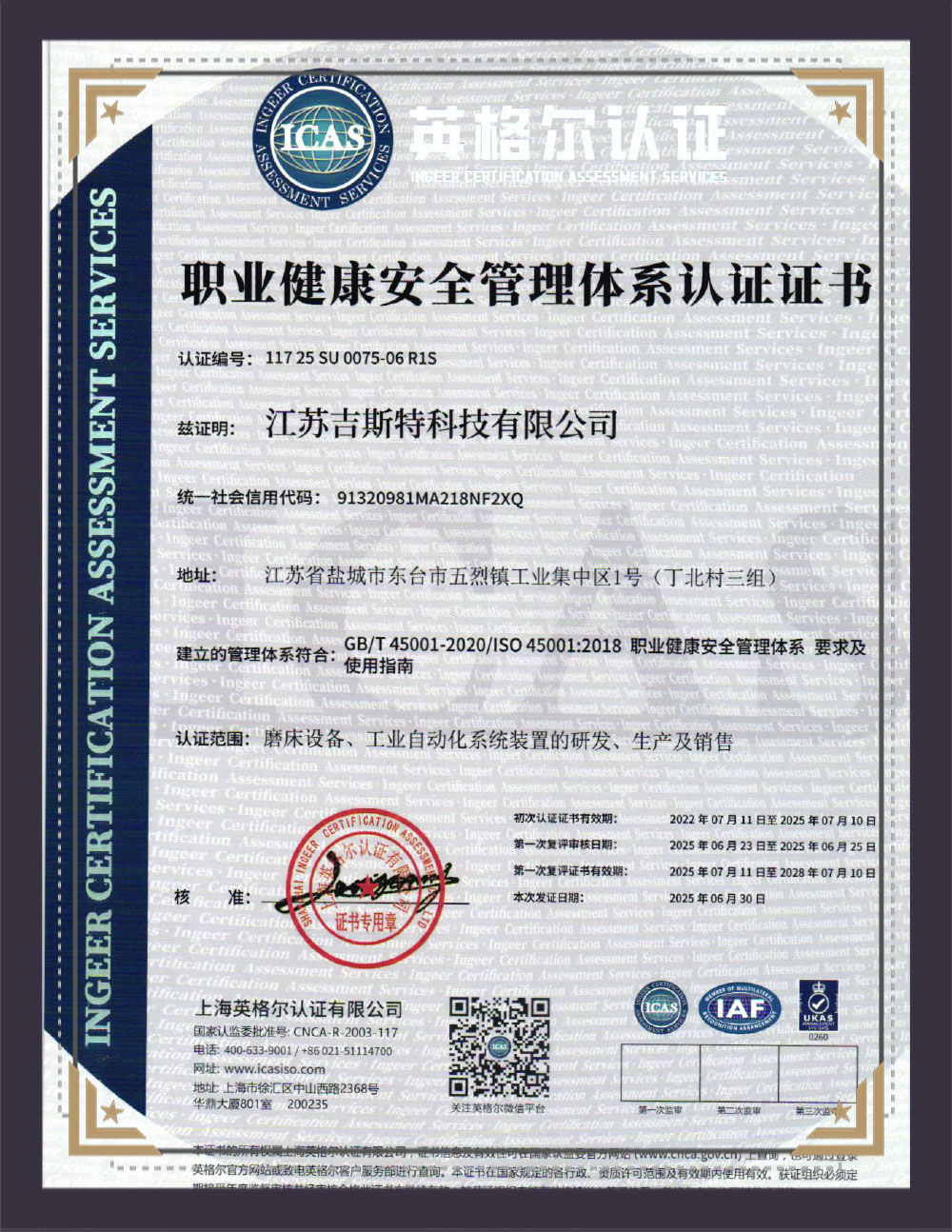
Direct Answer: What Defines a Reliable CNC Valve Grinding Machine A CNC Valve Grinding Machine earns its place on a production floor when it can hold a consistent valve seat angle......
Read MoreWhat Is a CNC Valve Grinding Machine? Complete Guide for Manufacturers The direct answer: A CNC valve grinding machine is a computer-controlled precision machine tool designed sp......
Read MoreWhy a Structured Question List Matters When Sourcing Valve Grinding Equipment Selecting a CNC Valve Grinding Machine is a decision that affects production output, part consistency......
Read MoreThe Direct Answer: What to Prioritize When Purchasing a CNC Valve Grinding Machine A dependable CNC valve grinding machine purchase decision comes down to four measurable factors:......
Read MoreA centerless grinding machine is a type of cylindrical grinding equipment that holds the workpiece between a grinding wheel and a regulating wheel — without the need for centers o......
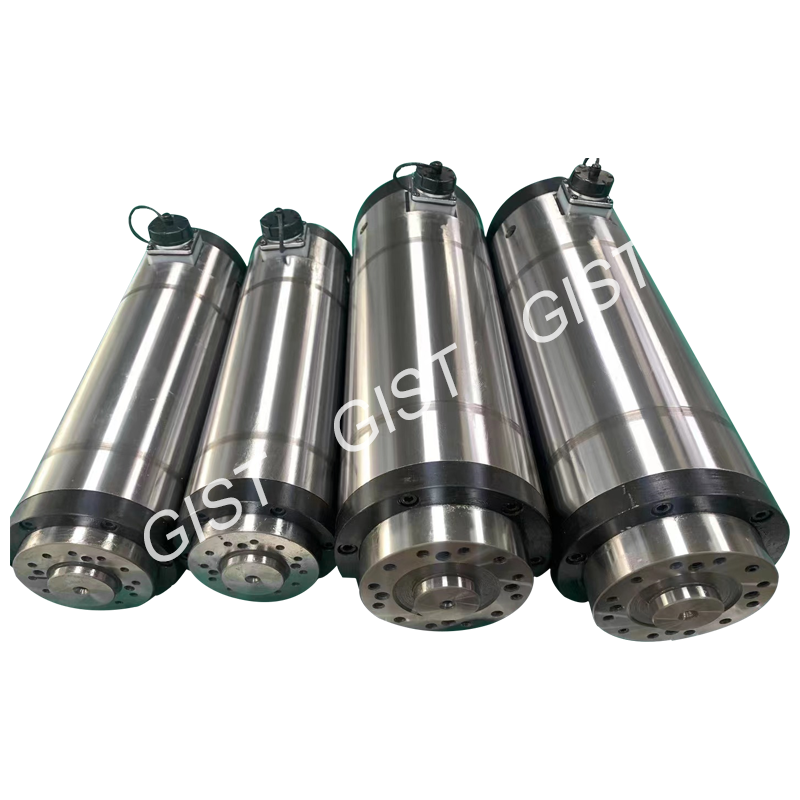
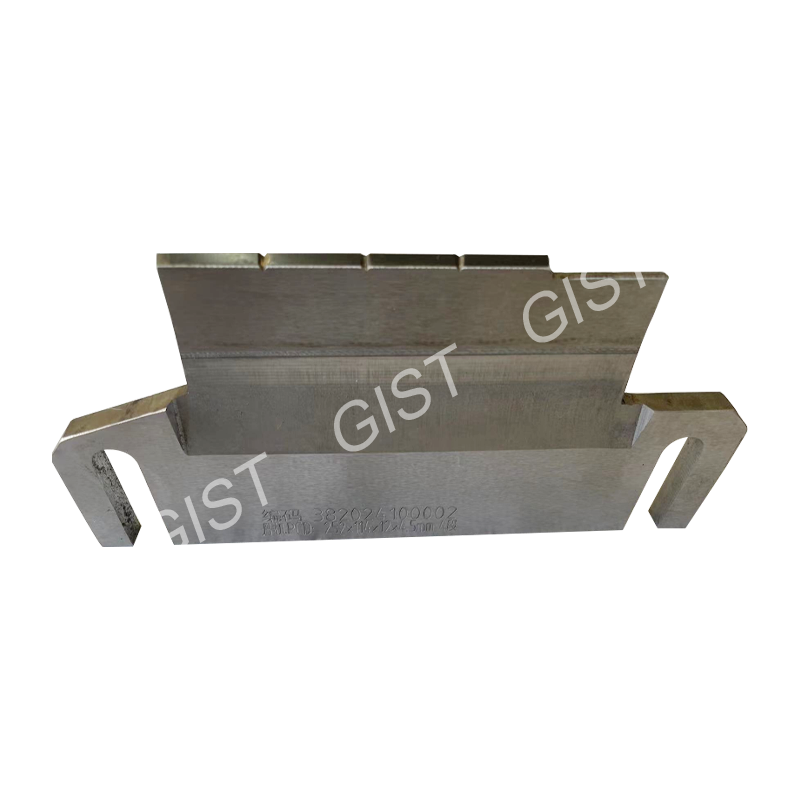
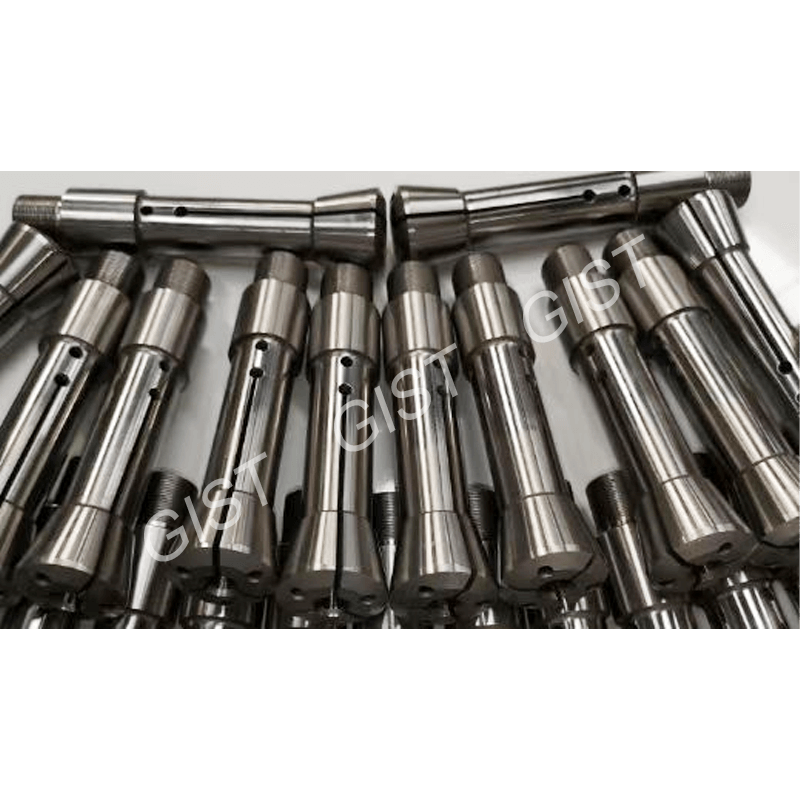
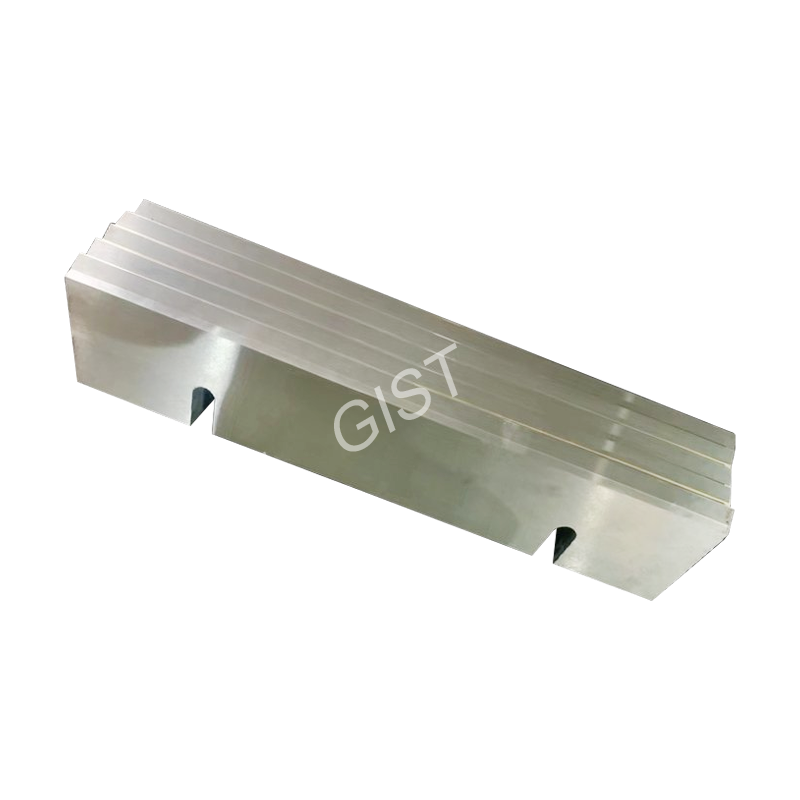
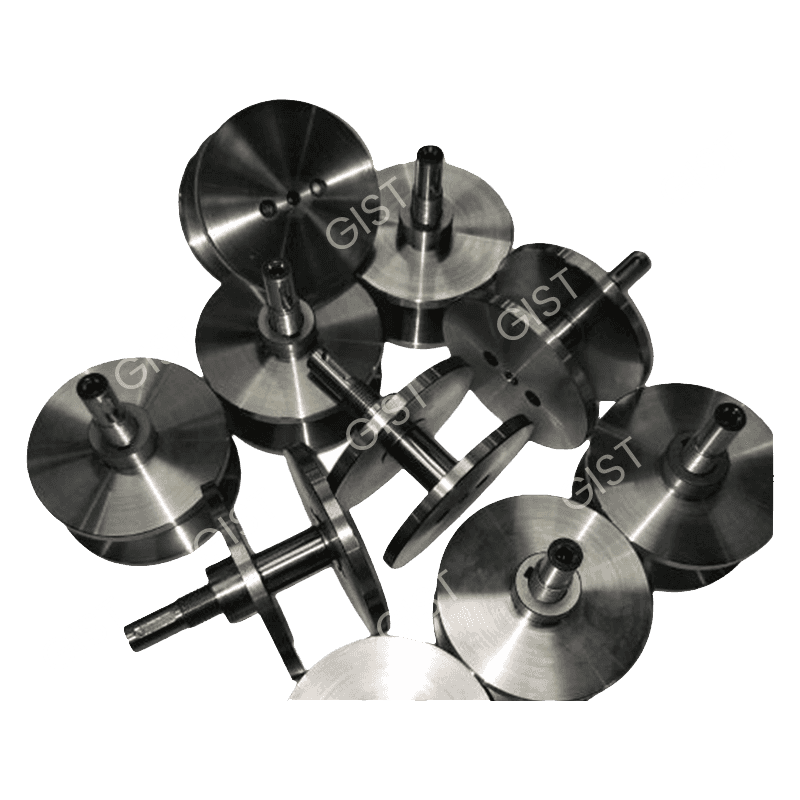
Read MoreMachine tool parts are the core components of machine tools. Their performance and quality directly impact the machine's machining accuracy, stability, efficiency, and service life. Different types of parts perform different functions during machine tool operation, collectively ensuring efficient and precise operation.
1. The Role of Drive System Components
Precision ball screws: Convert the motor's rotational motion into linear motion, ensuring precise feed of the worktable or toolholder, and directly impacting machining accuracy.
Linear guides: Support moving parts (such as the worktable and spindle head), ensuring smooth, low-friction movement and improving the machine's dynamic accuracy.
Gearboxes/drive belts: Adjust speed and torque to accommodate diverse machining requirements, such as high-speed finishing or heavy cutting.
2. The Role of Support System Components
Spindle: Directly drives the tool or workpiece. Its rigidity and rotational accuracy determine the quality of the machined surface.
Bearings: Support the spindle or lead screw, reducing friction and vibration, and ensuring long-term stable operation.
Machine bed/base: Provides structural rigidity, absorbs cutting vibration, and prevents deformation that could affect machining accuracy. 3. Functions of Control System Components
Servo Motors: Provide precise power output to control the speed and position of each machine tool axis.
Encoders: Provide real-time position feedback, forming closed-loop control to ensure accurate machining dimensions.
CNC (Chemical Numerical Control) Systems: Coordinate the movements of various components, execute machining programs, and achieve automated machining.
4. Functions of Auxiliary System Components
Hydraulic/Pneumatic Devices: Used for clamping fixtures, driving tool changers, and other functions, enhancing automation.
Cooling Systems: Reduce cutting temperatures, extend tool life, and improve surface quality.
Shields/Chip Conveyors: Protect the machine tool's internal structure and maintain a clean working environment.

 86-13584767515
86-0515-89500828
 No. 1, Industrial Concentration Area, Wulie Town, Dongtai City, Jiangsu Province
Product