English
 中文简体
中文简体 русский
 Español
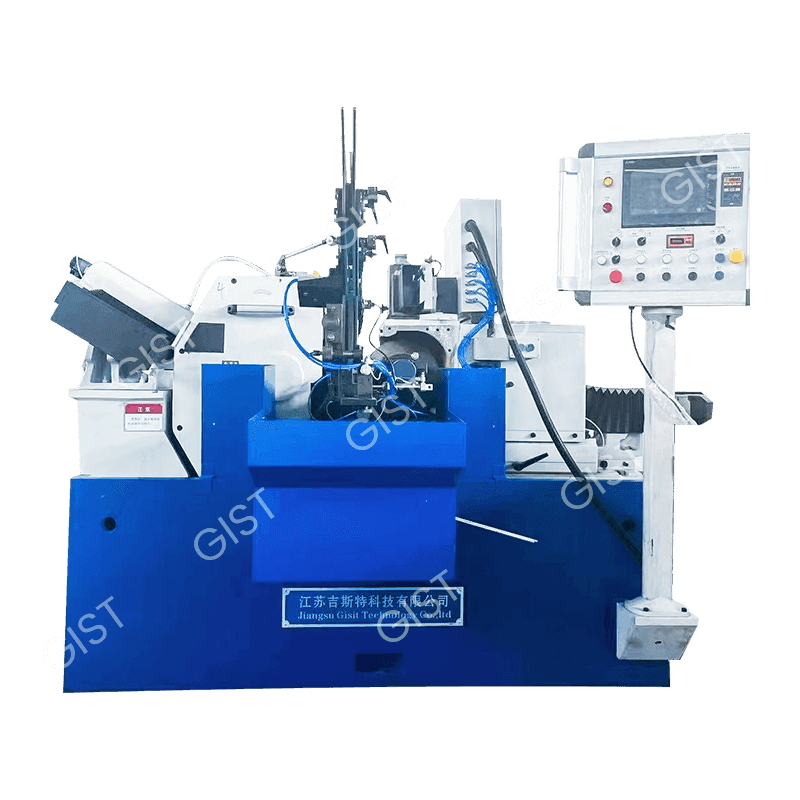
Ceramic CBN Grinding Wheel Centerless Grinding Machine
Cat:Centerless Grinding Machine
It is mainly used for precision grinding of outer circles of engine inlet and exhaust valve stems, bearings, and various shaft products.
MoreContent
The direct answer: A CNC valve grinding machine is a computer-controlled precision machine tool designed specifically for finishing the sealing surfaces, stems, and profiles of engine valves used in automotive, aerospace, marine, and industrial applications. These cnc grinding machines achieve micron-level accuracy—typically within ±0.01 mm to ±0.03 mm tolerance—with surface roughness as low as Ra 0.2, far surpassing manual or semi-automatic grinding methods[reference:0][reference:1].
This comprehensive guide covers everything manufacturers need to know about CNC valve grinding machines: how they work, key specifications, types and configurations, applications across industries, comparison with valve lapping, market trends, and selection criteria. Whether you are a cnc grinding machine buyer, production manager, or quality engineer, this guide provides actionable insights for informed decision-making.
The global CNC valve grinding machine market is experiencing robust growth, driven by increasing demand for precision engine components across automotive, aerospace, and energy sectors. According to 360iResearch, the market was valued at USD 1.43 billion in 2025 and is projected to grow to USD 1.56 billion in 2026, reaching USD 2.54 billion by 2032 at a compound annual growth rate (CAGR) of 8.49%[reference:2][reference:3][reference:4].
The broader CNC grinding machines market—which includes cylindrical, surface, tool and cutter, and valve grinding machines—is also expanding steadily. MarketPublishers reports that the global CNC grinding machine market size is predicted to grow from USD 3,506 million in 2025 to USD 4,766 million in 2031, at a CAGR of 5.2%[reference:5]. Mordor Intelligence further notes that CNC grinding machines held 68.14% of the overall grinding machines market share in 2025, with the segment recording the highest projected growth at a 5.41% CAGR through 2031[reference:6].
CNC Valve Grinding Machine Market Growth (USD Billion) [Source: 360iResearch]
Key takeaway: The CNC valve grinding machine market is on a strong growth trajectory, reflecting the increasing global emphasis on precision engineering, engine efficiency, and automation in manufacturing. The adoption of cnc grinding equipment is becoming a competitive necessity for manufacturers producing high-quality engine valves.
A CNC valve grinding machine—also referred to as a cnc grinder machine or cnc tool grinding machine in specialized contexts—is an automated precision grinding system that uses computer numerical control to machine the critical surfaces of engine valves. These cnc grinding machines perform finishing operations on valve stems, valve heads, seat angles, and valve profiles with exceptional accuracy and repeatability.
The grinding machine application for valves is critical because valve sealing surfaces must achieve near-perfect geometry to ensure proper engine compression, fuel efficiency, and emissions control. A typical CNC valve grinding machine can achieve:
These cnc grinding equipment are essential for grind machining operations in industries where valve performance directly impacts safety, reliability, and operational efficiency.
Understanding the working principle of a CNC valve grinding machine is essential for manufacturers evaluating cnc grinding machine options. The process involves several coordinated systems working in precise synchronization:
The valve is loaded into the machine—either manually or via an automated loading system. A gravity loader charges a rotating table, which inserts the valve into the workpiece spindle[reference:11]. The valve stem is held by a precision collet or chuck, while a pneumatic low-friction steady rest supports the valve stem similar to a precision balancing machine[reference:12].
Modern cnc grinders employ multi-axis CNC control—typically 4-axis, 5-axis, or multi-axis configurations[reference:13]. The cnc grinding machine uses five-axis CNC with two-axis linkage, enabling CNC interpolation grinding and interpolation grinding wheel dressing[reference:14]. The grinding wheel head is assembled on an increment slide, which grants the approaching motion to the valve and the increment motion for the grinding operation[reference:15].
The grinding wheel—often CBN (cubic boron nitride) for high-speed applications—rotates at high speed while the valve rotates in the opposite direction[reference:16]. The grinding machining process removes material from the valve surface to achieve the desired geometry, surface finish, and dimensional accuracy. The slide can rotate around the vertical axis to machine valves with different seat angles, with seat angle changes fully automated via CNC control[reference:17].
Built-in coolant systems manage heat during high-speed operations, maintaining tool longevity and part quality[reference:18]. Integrated sensors and condition monitoring enable predictive maintenance and process traceability, improving uptime and part yield[reference:19].
CNC valve grinding machines are available in various configurations to suit different production requirements, workpiece sizes, and automation levels. Understanding these options helps manufacturers select the right cnc grinding equipment for their specific needs.
This table compares the key configurations of CNC valve grinding machines to help manufacturers select the right cnc grinding equipment for their production needs.
When evaluating CNC valve grinding machines, manufacturers should consider the following critical specifications. These parameters directly impact grinding machine application suitability and production outcomes.
Precision Comparison: CNC vs. Manual Valve Grinding
A common question among manufacturers and maintenance professionals is the difference between valve grinding and valve lapping. While both processes involve surface finishing, they serve distinct purposes and operate at different scales.
Valve grinding is the initial shaping and material removal process that corrects imperfections, wear, and damage on the valve and valve seat, establishing the correct angle for proper sealing[reference:32]. Grinding uses a firmly bonded abrasive grain on a grinding wheel to remove material aggressively and precisely[reference:33]. CNC valve grinding machines perform this operation with micron-level accuracy and high material removal rates.
Valve lapping is the finishing step that follows grinding. Lapping uses an unbonded abrasive grain (lapping compound) to reduce surface roughness and ensure a gas-tight seal between the valve and seat[reference:34][reference:35]. Lapping removes only a tiny amount of material and is not intended to correct wear or damage—it merely polishes and verifies the contact pattern[reference:36].
Key distinction: Grinding shapes and corrects; lapping polishes and seals. CNC valve grinding machines handle the heavy-duty precision work, while lapping is typically performed as a final manual or semi-automated step to achieve the ultimate sealing surface.
CNC valve grinding machines serve critical applications across multiple industries where valve performance directly impacts safety, reliability, and efficiency. The grinding machine application for valves spans:
The automotive sector is the largest consumer of CNC valve grinding machines, accounting for 34.41% of grinding machines market demand in 2025[reference:37]. CNC grinding machines are used to produce engine valves for passenger cars, commercial vehicles, and high-performance racing engines[reference:38][reference:39]. The automotive industry's push for higher fuel efficiency and lower emissions has increased the demand for precision-ground valves with tighter tolerances.
Aerospace and defense is the fastest-growing end-user segment for grinding machines, with a projected 5.87% CAGR through 2031[reference:40]. CNC valve grinding machines are essential for producing valves used in aircraft engines, hydraulic systems, and fuel control systems, where tolerances, surface integrity, and repeatability directly affect downstream performance and safety[reference:41].
In power plants—both conventional and nuclear—CNC valve grinding machines are used for valve seat grinding and lapping in steam turbines, gas turbines, and control valves[reference:42]. The energy sector's focus on reliability and extended maintenance intervals drives demand for high-precision cnc grinding equipment.
Marine diesel engines, industrial compressors, and heavy machinery all rely on precision valves. CNC valve grinding machines are used in shipyards, refineries, chemical plants, and paper mills for valve maintenance and production[reference:43].
CNC valve grinding machines are used in the production of core engine components for locomotives, generator sets, mining machinery, commercial vehicles, and ships—applications where valve reliability is mission-critical.
This radar chart compares four CNC valve grinding machine configurations across five critical performance dimensions: Precision, Throughput, Flexibility, Ease of Use, and Cost-Effectiveness.
Analysis: 5-axis horizontal CNC valve grinding machines score highest in precision and flexibility, making them ideal for complex aerospace and automotive applications. 4-axis machines offer the best balance across all dimensions for general-purpose valve production. Vertical multi-axis machines excel in heavy-duty applications, while portable machines prioritize ease of use and cost-effectiveness for maintenance applications.
The CNC valve grinding machine sector is undergoing fundamental transformation through Industry 4.0 principles and smart manufacturing paradigms. Key trends reshaping the industry include:
These digital transformations are directing capital toward cnc grinding machines that blend mechanical excellence with digital capability and service-backed assurance[reference:49].
The broader CNC grinding machines market is growing across multiple segments. Cylindrical grinding machines led with 28.21% market share in 2025, while gear grinding machines are projected to grow at the fastest rate at 6.23% CAGR through 2031[reference:50]. The automotive industry remains the largest end-user at 34.41% of demand[reference:51].
Key insight: The CNC grinding machine market is diversifying, with gear grinding emerging as the fastest-growing segment due to increasing demand for precision transmission components in electric vehicles and advanced drivetrains.
Jiangsu Gist Technology Co., Ltd. (formerly Dongtai Weifeng Machinery Factory, established in 2012) is a leading CNC valve grinding machine manufacturer in China. The new company was established in April 2020 and has since grown into a comprehensive manufacturer of complete machine automation equipment, integrating development, design, production, manufacturing, sales, and after-sales service.
Located at No. 1, Industrial Concentration Zone, Wulie Town, Dongtai City, the company covers an area of 22 mu (approximately 14,667 square meters) with a factory building area exceeding 11,000 square meters. The total investment reached 100 million yuan, with groundbreaking construction starting in early 2021 and completion in early 2022.
As a professional China CNC valve grinding machine supplier and CNC valve grinding machine company, Jiangsu Gist Technology produces high-end intelligent automation equipment used in the fields of core engine components for locomotives, generator sets, mining machinery, commercial vehicles, and ships. The company has maintained long-term cooperation with global industry leaders including MAHLE (Germany) and EATON (USA), and has entered their global procurement systems.
The company holds the right to import and export independently and has exported cnc grinding equipment to more than 20 countries and regions, including Germany, Japan, Türkiye, and Iran. Major domestic partners include Chongqing Sanai Hailing Industrial Co., Ltd., Jinan Ward Auto Parts Co., Ltd., and Dengyun Co., Ltd.-Huaiji Lunar Valve Co., Ltd.
Jiangsu Gist Technology holds more than 10 invention patents and over 100 utility model patents. The company was awarded National High-Tech Enterprise status in 2022 and recognized as a Specialized and Sophisticated Enterprise in 2024.
The company has passed ISO9001:2015 Quality Management System, ISO14001:2015 Environmental Management System, and ISO45001:2018 Occupational Health and Safety Management System certifications, implementing comprehensive system management requirements with continuous innovation and improvement to meet the all-round needs of customers.
Q1: What is a CNC valve grinding machine?
A CNC valve grinding machine is a computer-controlled precision machine tool used to finish the sealing surfaces, stems, and profiles of engine valves with micron-level accuracy and repeatability.
Q2: How does a CNC valve grinding machine work?
The machine uses CNC-controlled axes to position a rotating grinding wheel against a rotating valve, removing material to achieve precise geometry, surface finish, and dimensional accuracy.
Q3: What is valve grinding?
Valve grinding is a precision machining process that removes material from valve sealing surfaces to correct wear, establish correct angles, and achieve proper sealing geometry.
Q4: Why is valve grinding important?
Valve grinding ensures proper valve sealing, which directly impacts engine compression, fuel efficiency, emissions control, and overall engine performance and reliability.
Q5: What types of valves can be ground?
CNC valve grinding machines can process various valve types including engine valves, gate valves, globe valves, check valves, and ball valves across automotive, aerospace, and industrial applications.
Q6: What is the difference between valve grinding and valve lapping?
Grinding is the initial shaping and material removal process using a bonded abrasive; lapping is the finishing step using an unbonded abrasive to achieve a gas-tight seal.
Q7: How accurate is CNC valve grinding?
Modern CNC valve grinding machines achieve tolerances within ±0.01 mm to ±0.03 mm, with surface roughness as low as Ra 0.2 and cone runout ≤ 0.03 mm.
Q8: What grinding wheel is used for valves?
CBN (cubic boron nitride) grinding wheels are commonly used for high-speed valve grinding due to their excellent wear resistance, thermal stability, and ability to maintain precise geometry.
Q9: What industries use CNC valve grinding machines?
Industries include automotive, aerospace and defense, energy and power generation, marine, industrial equipment, and manufacturing of core engine components for locomotives and generator sets.
Q10: What is the market size of CNC valve grinding machines?
The global CNC valve grinding machine market was valued at USD 1.43 billion in 2025 and is projected to reach USD 2.54 billion by 2032 at a CAGR of 8.49%.
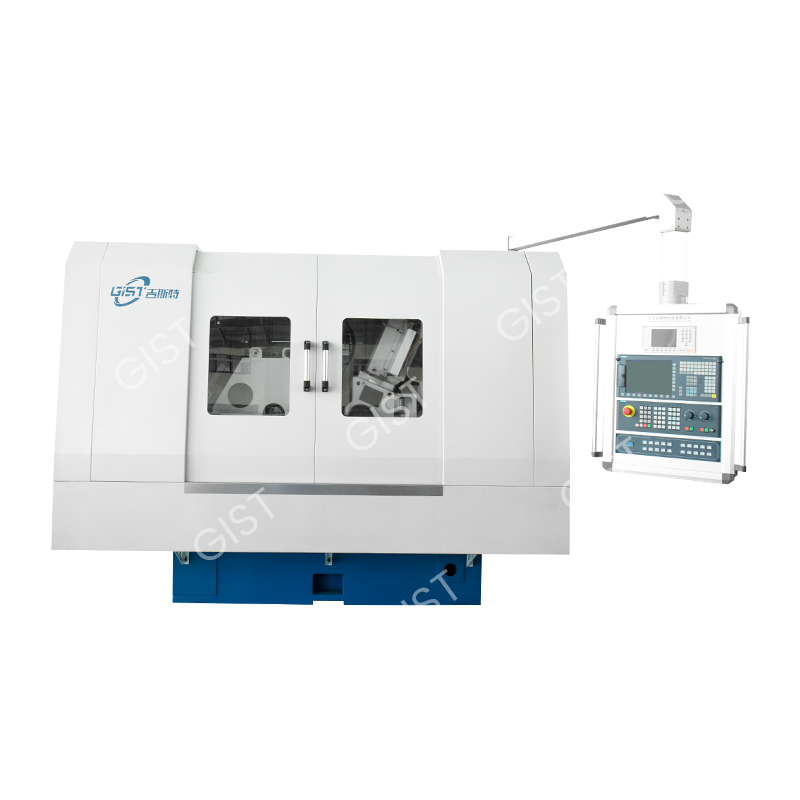
It is mainly used for precision grinding of outer circles of engine inlet and exhaust valve stems, bearings, and various shaft products.
More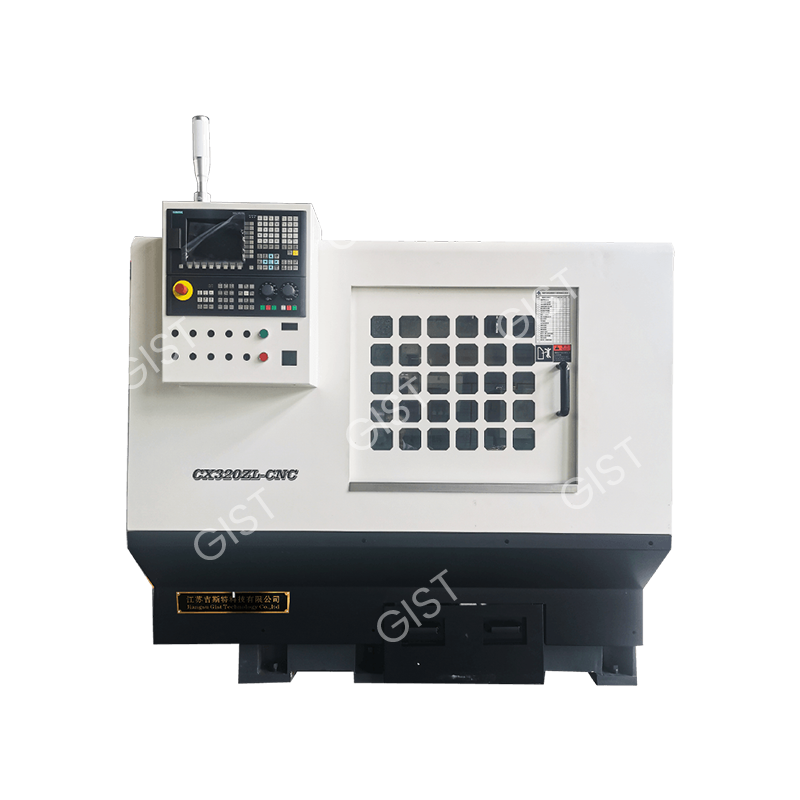
Category: CNC lathe Product Overview: The company has passed the certification of various systems such as ISO9001:2015 quality management system, ...
More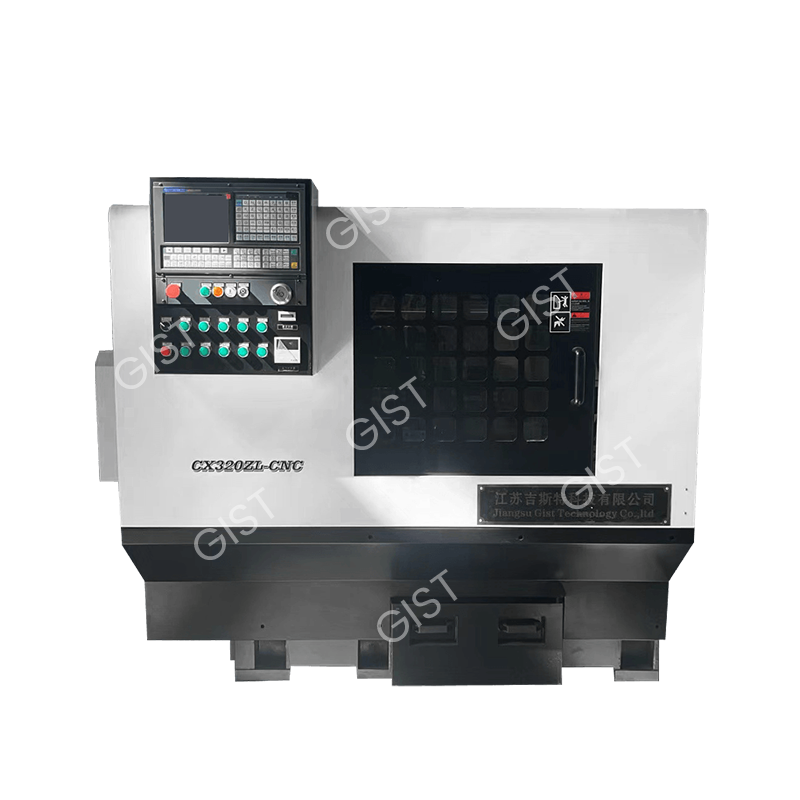
Category: CNC lathe Product Overview: The company has passed the certification of various systems such as ISO9001:2015 quality management system, ...
More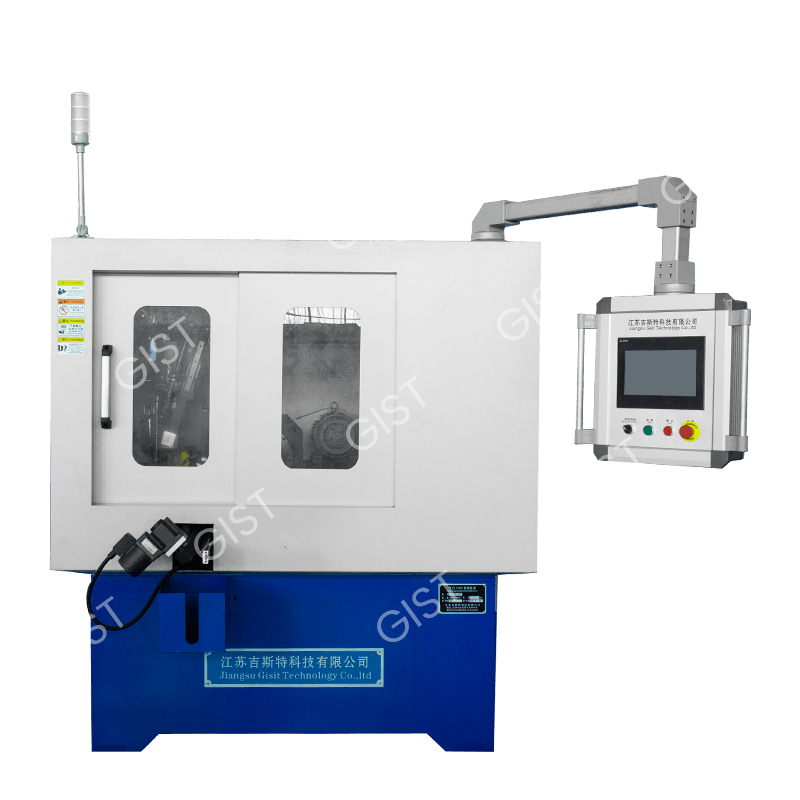
Category: Machining equipment Product Overview: The company has passed the certification of various systems such as ISO9001:2015 quality managemen...
More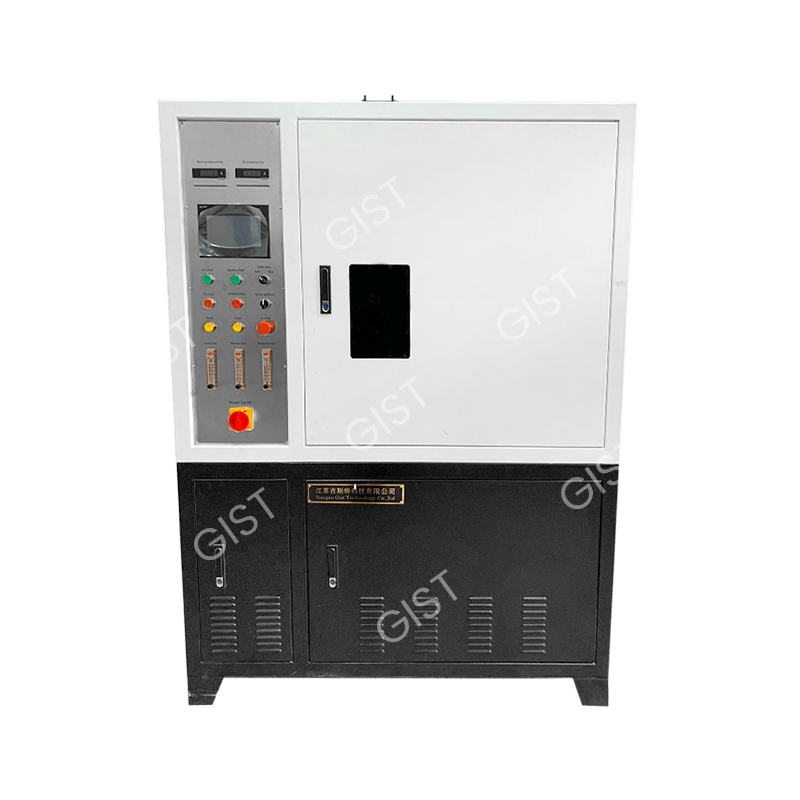
Category: Plasma welding equipment Product Overview: The company has passed the certification of various systems such as ISO9001:2015 quality mana...
More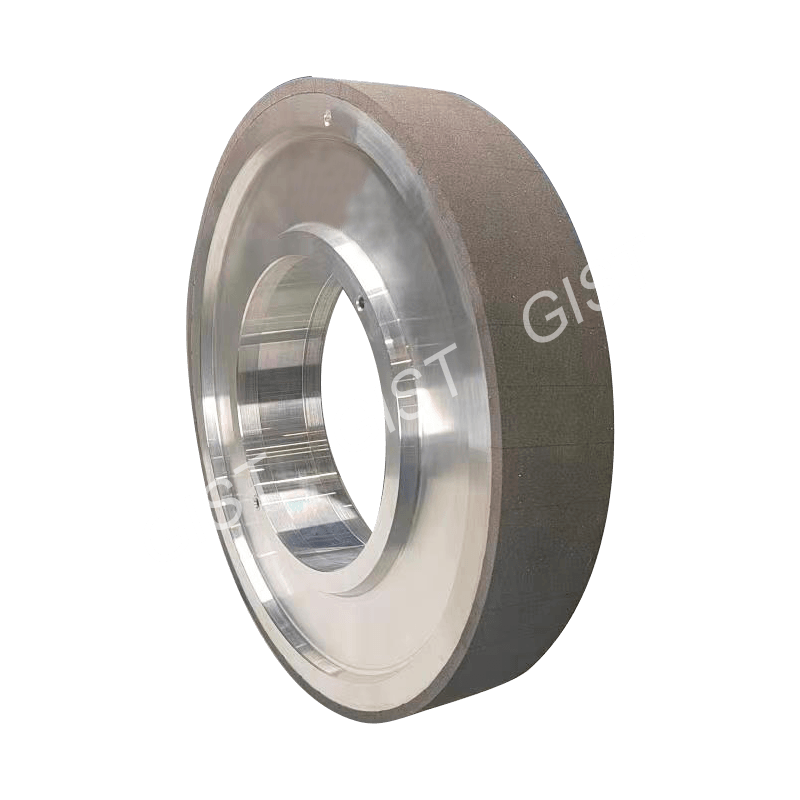
Category: Production auxiliary products Product Overview: The company has passed the certification of various systems such as ISO9001:2015 quality...
More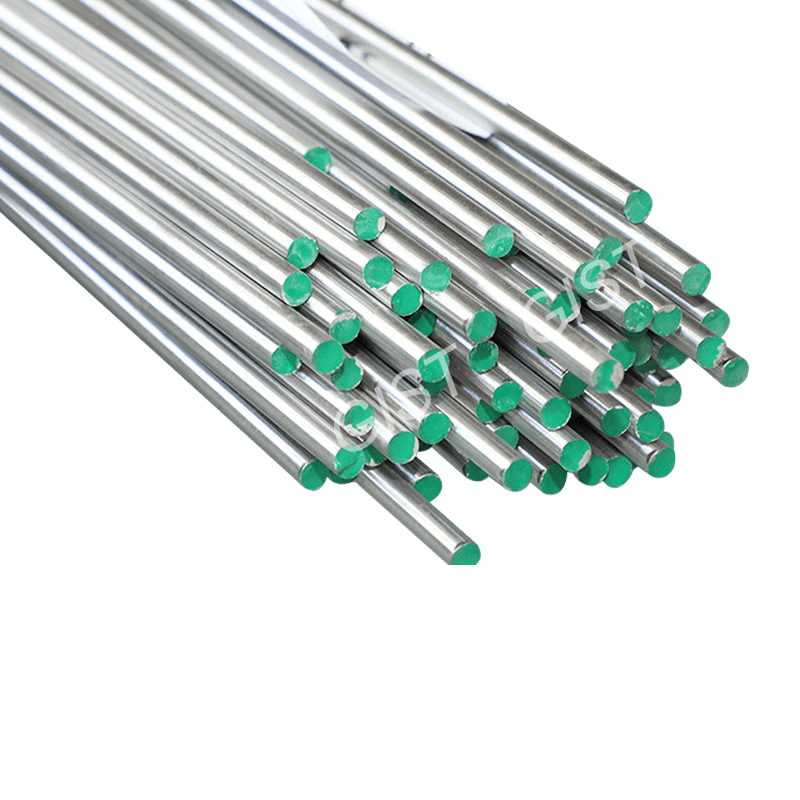
Category: Production auxiliary products Product Overview: The company has passed the certification of various systems such as ISO9001:2015 quality...
More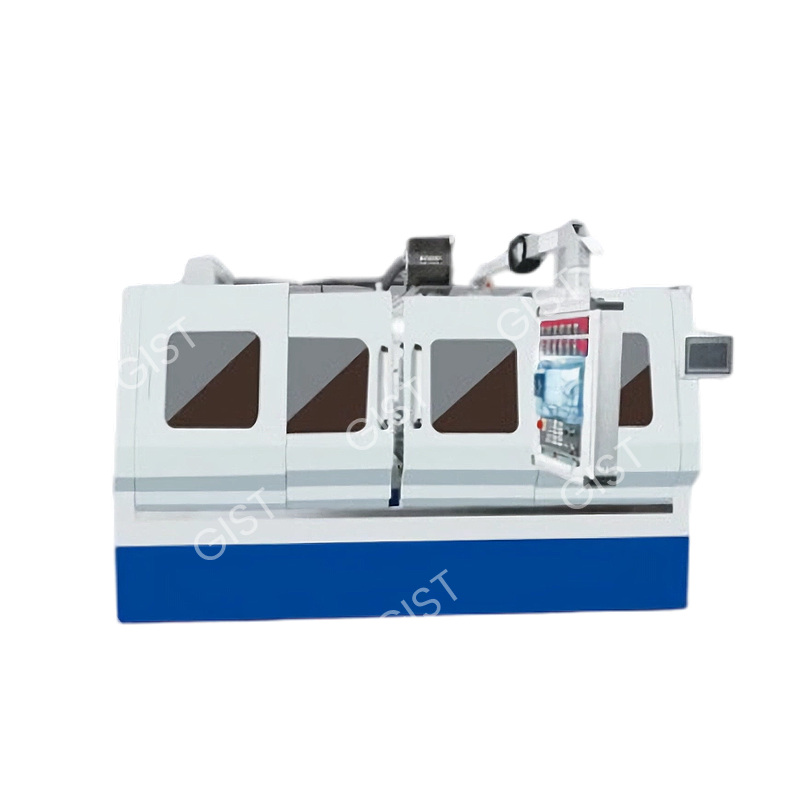
Category: Centreless grinder Overview: The company implements and implements various system management requirements, constantly innovates and impro...
More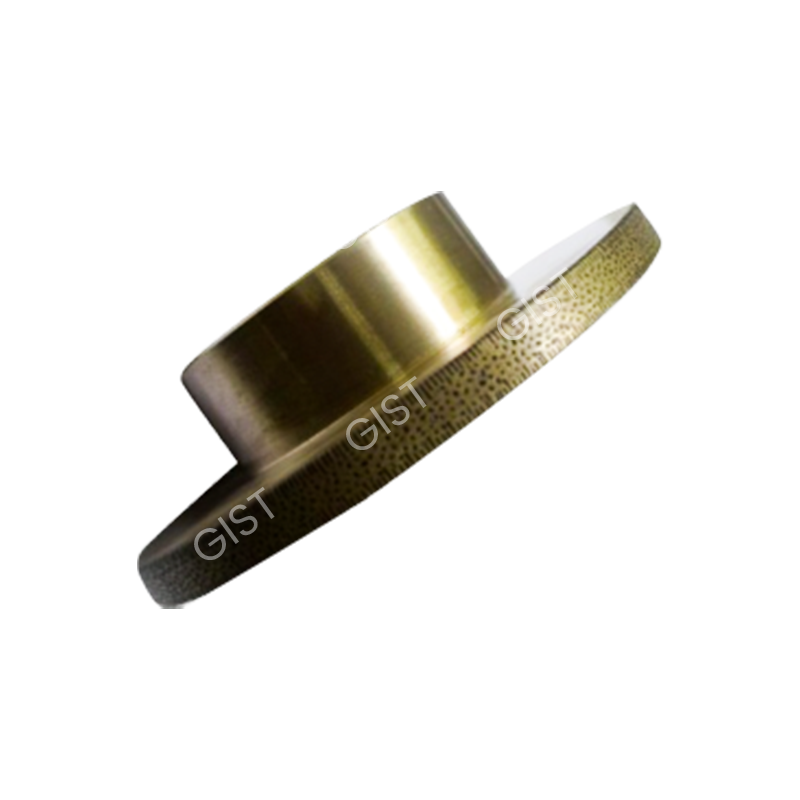
Category: Production auxiliary products Product Overview: The company has passed the certification of various systems such as ISO9001:2015 quality...
More
 86-13584767515
86-0515-89500828
 No. 1, Industrial Concentration Area, Wulie Town, Dongtai City, Jiangsu Province
Product