English
 中文简体
中文简体 русский
 Español
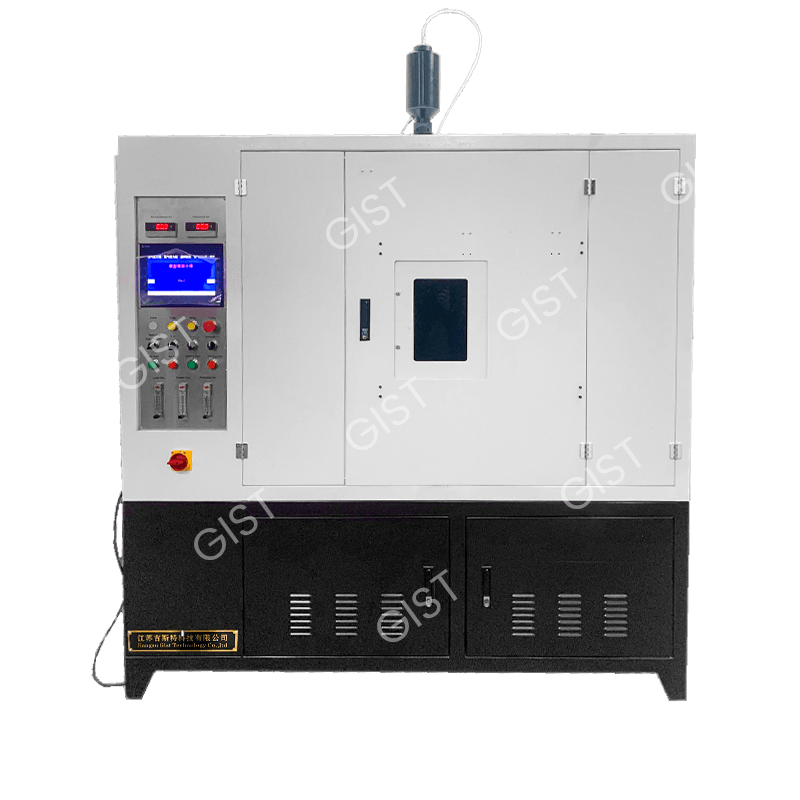
Direct Answer: What Defines a Reliable CNC Valve Grinding Machine A CNC Valve Grinding Machine earns its place on a production floor when it can hold a consistent valve seat angle......
Read More
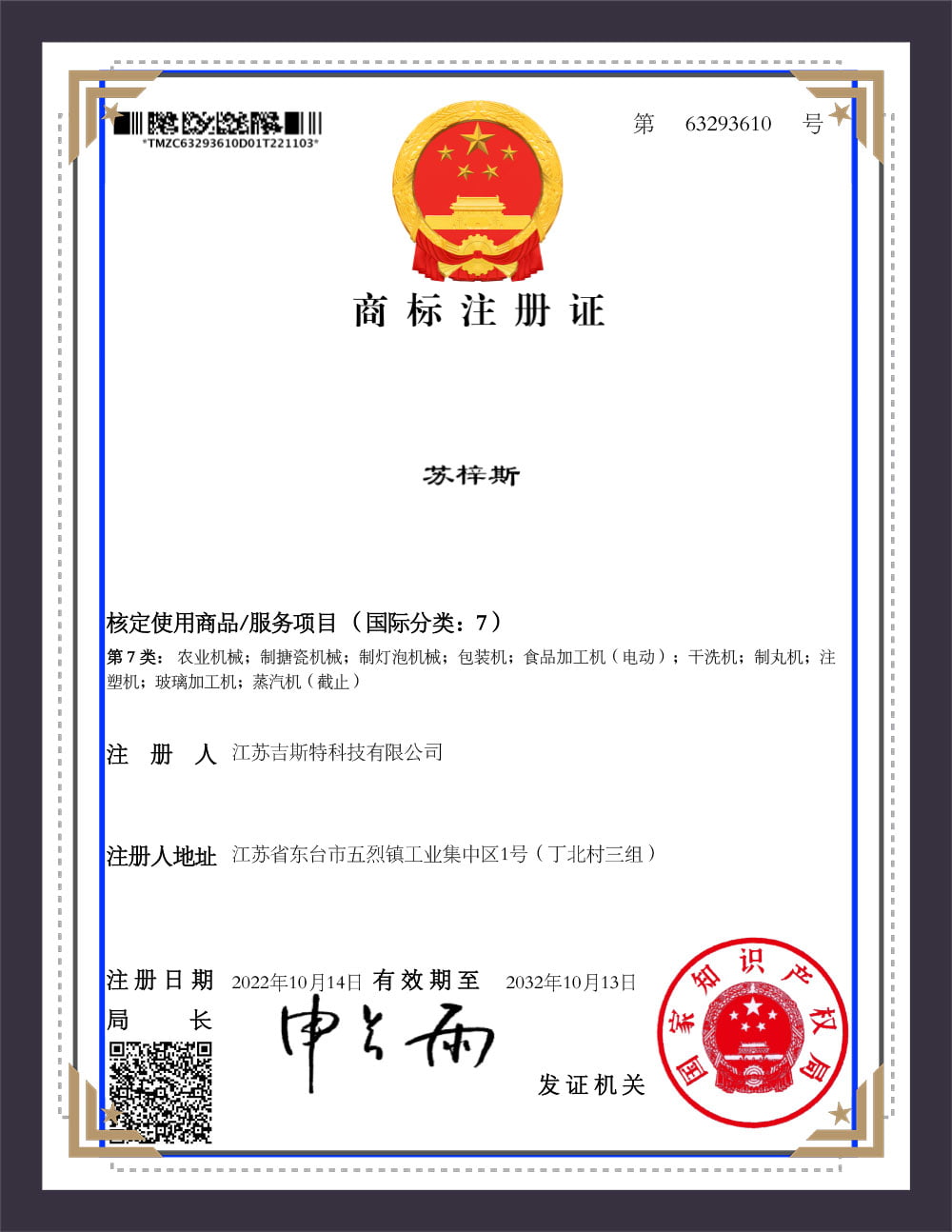
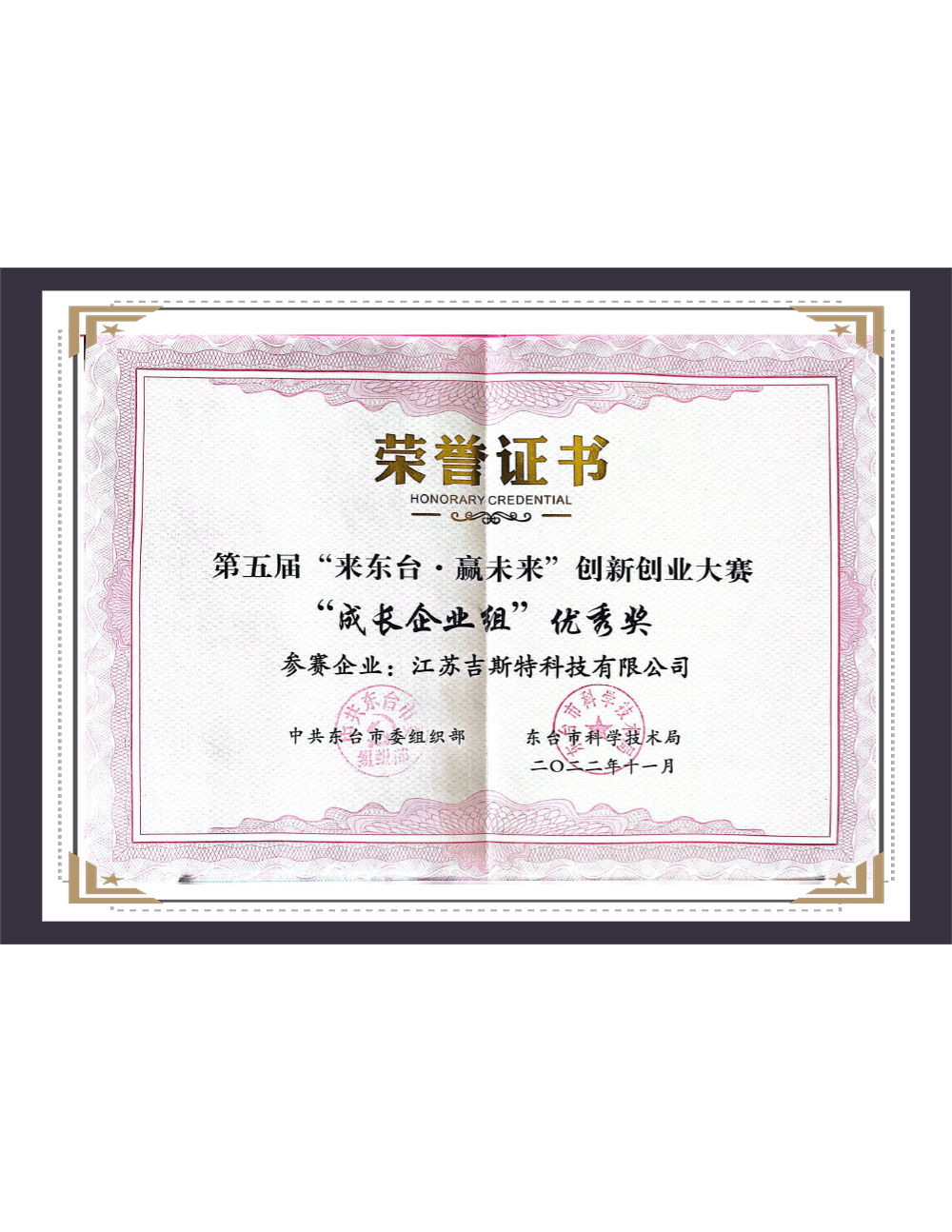

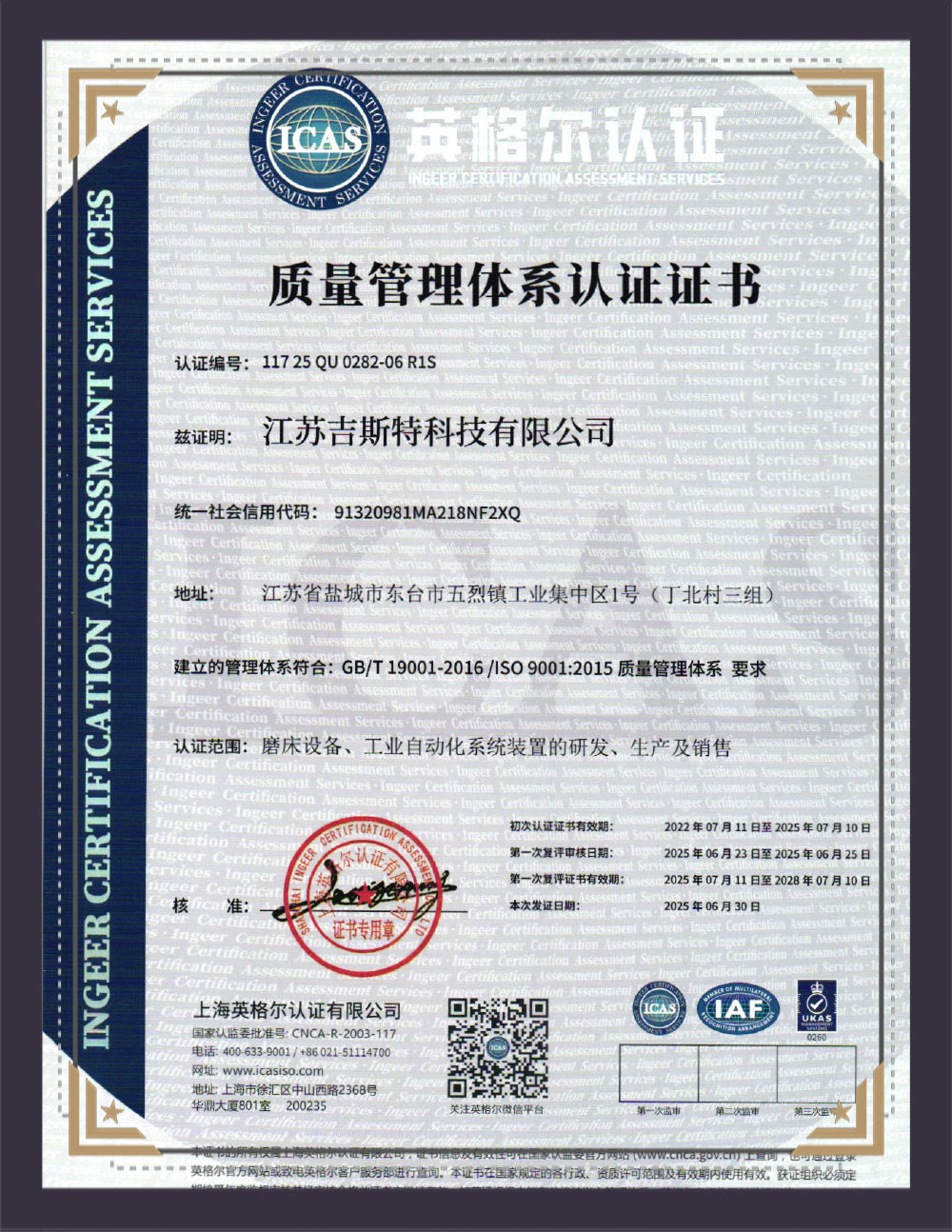
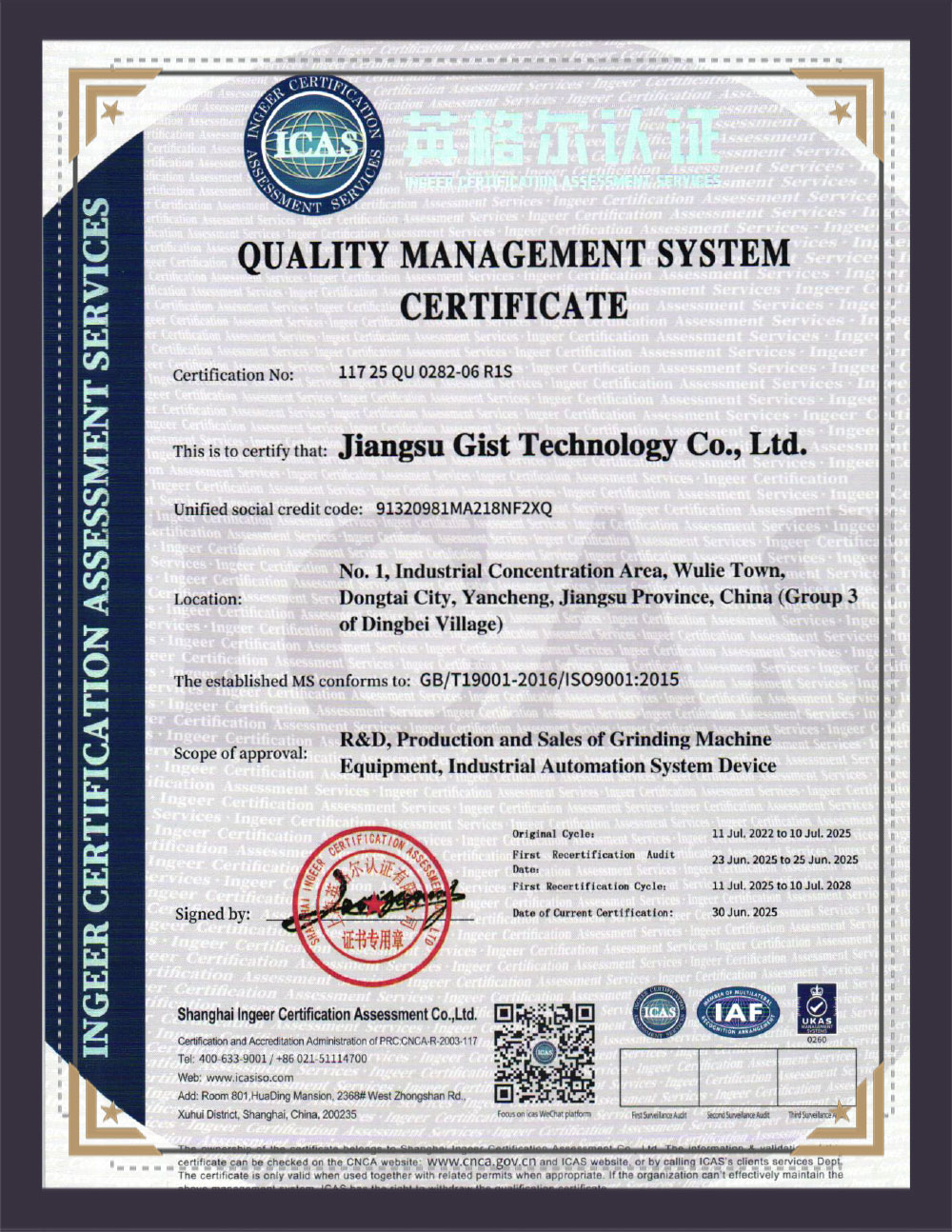
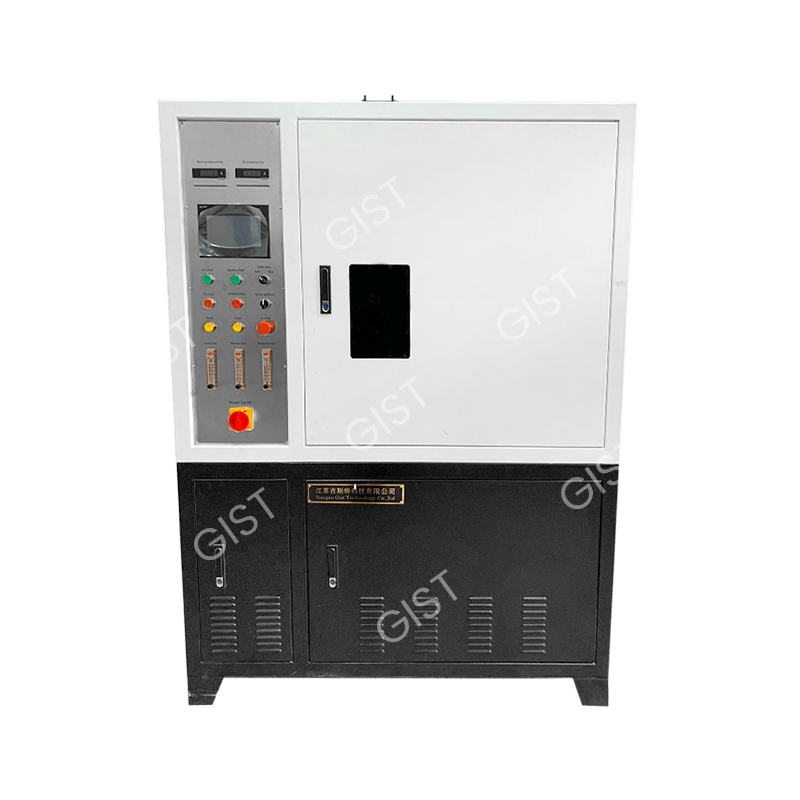
Direct Answer: What Defines a Reliable CNC Valve Grinding Machine A CNC Valve Grinding Machine earns its place on a production floor when it can hold a consistent valve seat angle......
Read MoreWhat Is a CNC Valve Grinding Machine? Complete Guide for Manufacturers The direct answer: A CNC valve grinding machine is a computer-controlled precision machine tool designed sp......
Read MoreWhy a Structured Question List Matters When Sourcing Valve Grinding Equipment Selecting a CNC Valve Grinding Machine is a decision that affects production output, part consistency......
Read MoreThe Direct Answer: What to Prioritize When Purchasing a CNC Valve Grinding Machine A dependable CNC valve grinding machine purchase decision comes down to four measurable factors:......
Read MoreA centerless grinding machine is a type of cylindrical grinding equipment that holds the workpiece between a grinding wheel and a regulating wheel — without the need for centers o......
Read MoreOperating Principle of Plasma Welding Equipment
Plasma welding equipment is a high-precision welding device that utilizes a high-temperature plasma arc as a heat source.
Its operating principle is based on the following key processes:
Plasma arc formation: High-frequency arc ignition generates an arc between the tungsten electrode and the workpiece. This arc is then compressed into a high-energy-density plasma arc (temperatures can reach 30,000°C) by a compression nozzle.
Gas ionization: Inert gases (such as argon, helium, or a mixture) are ionized as they pass through the nozzle, forming a plasma that protects the weld pool from oxidation.
Melt pool control: Precisely adjusting the current, gas flow, and welding speed enables stable welding of thin or thick plates, resulting in welds with high aspect ratios and minimal heat-affected zones.
Features of Plasma Welding Equipment
High energy density: The plasma arc is highly concentrated, enabling high-speed welding.
Excellent weld quality: The weld is aesthetically pleasing with minimal porosity and cracking, making it particularly suitable for precision welding of stainless steel, titanium alloys, and other materials. Flexible Process: Supports pulse mode, capable of welding metal foils as thin as 0.1mm, and can also be used for single-sided welding and double-sided forming of thick plates.
Automation Compatibility: Can be integrated with robotic arms or CNC systems for mass production.
Energy-Saving and Environmentally Friendly: Lower cost than laser welding equipment and produces no harmful fumes.
Operating Specifications for Plasma Welding Equipment
Pre-welding Preparation: Check the gas line for leaks and ensure the shielding gas (argon) purity is ≥99.99%.
Select the nozzle aperture (0.5-3.2mm) and tungsten electrode type (cerium tungsten or thorium tungsten) based on the material thickness.
Welding Process: Maintain an 80-90° angle between the welding torch and the workpiece, with a distance of 3-5mm. Monitor arc stability to avoid "double arcing."
Post-weld Treatment: Delay gas shut-off for 2-3 seconds to prevent weld oxidation. Check the weld surface color (stainless steel should be silvery white).
Maintenance Tips for Plasma Welding Equipment: Clean metal spatter from the nozzle inner wall and inspect the tungsten electrode for wear. Regularly replace damaged seals to prevent gas leaks.
Check the cooling water lines for blockage monthly (for water-cooled equipment).
Calibrate current output accuracy and test high-frequency arc ignition performance quarterly.
The nozzle lifespan is approximately 8-12 hours of continuous operation and requires replacement.
For tungsten electrode grinding, use a dedicated grinding wheel and maintain a tip angle of 30-60°.

 86-13584767515
86-0515-89500828
 No. 1, Industrial Concentration Area, Wulie Town, Dongtai City, Jiangsu Province
Product