English
 中文简体
中文简体 русский
 Español
Ceramic CBN Grinding Wheel Precision Cone Grinding Machine
Cat:CNC Valve Grinding Machine
Category: Special valve CNC grinder Product Overview: The company has passed the certification of various systems such as ISO9001:2015 quality man...
MoreA centerless grinding machine is a type of cylindrical grinding equipment that holds the workpiece between a grinding wheel and a regulating wheel — without the need for centers or fixtures. This unique setup allows for continuous, high-efficiency material removal and is widely used in precision manufacturing industries worldwide. If you are evaluating a centerless grinding machine supplier or simply trying to understand how this technology works, this guide covers everything from operating principles to real-world applications.
Unlike conventional cylindrical grinding, the workpiece in centerless grinding is supported by a work rest blade and driven by a rubber-bonded regulating wheel. This means no spindle, no tailstock, and no chucking time — resulting in faster cycle times and more consistent output. Manufacturers across automotive, aerospace, and medical industries rely on automatic centerless grinding machines to achieve tolerances as tight as ±0.001 mm.
Content
The centerless grinding machine working principle revolves around three key components: the grinding wheel, the regulating wheel, and the work rest blade. The grinding wheel performs the actual cutting action, while the regulating wheel controls both the rotational speed and the axial feed rate of the workpiece. The work rest blade, positioned at an angle between both wheels, keeps the part stable during the entire operation.
The workpiece is placed on the work rest and pressed against the regulating wheel by the grinding wheel. By tilting the regulating wheel at a slight angle (typically 1° to 7°), the axial force propels the workpiece through the grinding zone — this is the principle behind through feed grinding. For parts with shoulders, flanges, or complex profiles, in feed grinding (also called plunge grinding) is used instead, where the workpiece is fed radially into the grinding wheel without axial movement.
Diagram: Schematic of centerless grinding showing grinding wheel, regulating wheel, workpiece, and through-feed direction.
The angular offset of the regulating wheel is critical. A steeper angle increases throughput rate but may reduce surface finish quality. A shallower angle provides finer finishes at lower feed rates. Modern CNC centerless grinding machines allow operators to program regulating wheel angles digitally, enabling rapid changeovers and tighter repeatability across production runs.
The two primary methods of the centerless grinding process are through feed grinding and in feed grinding. Each is optimized for different part geometries and production volumes. Understanding the distinction helps manufacturers and procurement teams select the right machine configuration from a centerless grinding machine factory.
| Feature | Through Feed Grinding | In Feed Grinding |
|---|---|---|
| Part Geometry | Straight cylinders, rods, tubes | Stepped, shouldered, tapered parts |
| Workpiece Movement | Axial (passes through wheels) | Radial (no axial travel) |
| Production Volume | Very high (continuous feed) | Medium (one piece at a time) |
| Setup Complexity | Low to moderate | Moderate to high |
| Typical Tolerance | ±0.005 mm | ±0.002 mm |
| Example Parts | Steel pins, bolts, bars | Bearing races, valve stems |
Through feed grinding is preferred for high-volume production of simple cylindrical parts. The workpiece enters on one side and exits on the other, enabling nearly non-stop operation. This is especially relevant for automotive fasteners and hydraulic cylinder rods produced in the millions. In feed grinding, by contrast, delivers superior dimensional accuracy for complex geometries and is critical in medical implant and aerospace bearing production.
The centerless grinding process serves an exceptionally broad range of industries. Its ability to produce tight roundness, surface finish, and diameter control simultaneously — without clamping or fixture setup — makes it a preferred choice wherever high-volume precision is required.
Chart 1: Estimated share of centerless grinding usage across key manufacturing industries. Automotive leads at ~58% due to high-volume production of shafts, pins, and fasteners. Bearing production (43%) and aerospace (32%) follow closely, driven by stringent roundness and surface finish requirements. Medical device manufacturing (26%) increasingly adopts this technology for bone screws and implant rods.
The centerless grinding advantages over conventional center-type grinding are significant — particularly when production scale, repeatability, and part-to-part consistency are critical. Here is a breakdown of the most impactful benefits:
Because the workpiece is supported by the work rest blade rather than clamped between centers, there is no need for chucking, collets, or spindle fixtures. This eliminates setup time per part and removes the risk of chucking distortions — a common problem in thin-walled or slender shaft grinding.
In through feed grinding mode, parts can be fed continuously at rates exceeding 500 pieces per hour depending on material and diameter. An automatic centerless grinding machine integrated with robotic loading and unloading systems can operate around the clock with minimal human intervention, dramatically reducing per-part labor costs.
Roundness values below 0.5 µm and surface roughness values of Ra 0.1–0.4 µm are routinely achievable. This level of finish is especially critical for sealing surfaces, bearing bores, and fluid power components. The three-point contact geometry of centerless grinding inherently self-corrects out-of-round conditions during grinding — something that conventional center grinding cannot match without additional operations.
Chart 2: Radar comparison of centerless grinding vs cylindrical grinding across five key performance dimensions. Centerless grinding demonstrates a clear advantage in throughput (~95 vs 55), setup speed (90 vs 40), and automation capability (92 vs 50). Cylindrical grinding holds a slight edge in achievable precision for very complex profiles. This visualization helps procurement teams at industrial grinding machine manufacturers evaluate the best process for their application.
The three-point support in centerless grinding distributes grinding forces evenly around the workpiece. This is essential for slender shafts or thin-walled tubes where center-type grinding would cause flex, chatter, or even part breakage. The regulating wheel and work rest blade act as steady-rests throughout the entire cut.
Choosing between centerless grinding and conventional cylindrical grinding involves evaluating part geometry, batch size, tolerance requirements, and automation goals. Both methods can achieve high precision, but they excel in different scenarios. A good centerless grinding machine manufacturer will help you identify which configuration matches your production profile.
Chart 3: Estimated throughput comparison (parts per hour) between centerless and cylindrical grinding for three common workpiece categories. Centerless grinding consistently outperforms cylindrical grinding in throughput across all part sizes, with the most dramatic advantage in small-diameter pin production (400 vs 200 parts/hour). Even for larger bearing rings, centerless achieves roughly twice the output rate, demonstrating why industrial grinding machine manufacturers favor this process for high-volume runs.
| Criteria | Centerless Grinding | Cylindrical Grinding |
|---|---|---|
| Best for | High-volume, simple cylinders | Complex profiles, low volume |
| Workholding | None required | Centers or chuck required |
| Roundness Correction | Self-correcting (3-point support) | Limited by fixture quality |
| Long Shaft Capability | Excellent (no sag risk) | Requires steady rest supports |
| Profile Grinding | Limited (in-feed for steps) | Very flexible |
| Automation Potential | Very high | Moderate |
Whether you are working with a centerless grinding machine supplier, a centerless grinder exporter, or sourcing directly from a centerless grinding machine China facility, evaluating the right technical parameters before purchasing is essential to ensure long-term productivity and quality assurance.
Chart 4: Tolerance capability versus production volume for CNC centerless, conventional centerless, and cylindrical grinding. CNC centerless machines maintain the tightest tolerances (1–2 µm) consistently even at 50,000-part batches, making them the most process-stable option for high-volume precision manufacturing. Cylindrical grinding shows a counterintuitive tolerance creep at larger batches due to wheel wear and thermal accumulation without active compensation. This data supports the investment case for CNC-controlled equipment from a reputable centerless grinding machine manufacturer.
Jiangsu Gist Technology Co., Ltd (formerly Dongtai Weifeng Machinery Factory, established 2012) is a professional centerless grinding machine manufacturer and industrial grinding machine manufacturer based in Dongtai City, Jiangsu Province, China. The new company entity was formally established in April 2020, with groundbreaking construction beginning in early 2021 and the facility fully completed in early 2022.
Located at No. 1, Industrial Concentration Zone, Wulie Town, Dongtai City, the facility covers 22 mu (approximately 14,670 square meters) of land, with factory building area exceeding 11,000 square meters and a total capital investment of 100 million yuan. This infrastructure supports full-scale manufacturing operations for a wide range of grinding equipment.
As an integrated centerless grinding machine factory, Jiangsu Gist Technology provides end-to-end services encompassing development, design, production, manufacturing, sales, and after-sales support. The company maintains a highly skilled technical design team and front-line workforce capable of delivering custom centerless grinding machines tailored to specific customer requirements. Whether you are seeking a precision grinding machine supplier for domestic procurement or a centerless grinder exporter for international supply chains, Jiangsu Gist Technology offers the technical depth and manufacturing capacity to support demanding applications across automotive, bearing, aerospace, and medical sectors.
Key facts about Jiangsu Gist Technology Co., Ltd — a vertically integrated centerless grinding machine manufacturer and supplier in Jiangsu, China.
A centerless grinding machine can process a wide spectrum of engineering materials provided the correct wheel specification, coolant system, and dressing strategy are selected. Material hardness, thermal conductivity, and machinability index all influence process parameter selection. Below is a reference guide commonly used by precision grinding machine suppliers and process engineers.
| Material | Hardness (HRC/HB) | Wheel Abrasive | Coolant Type | Surface Finish (Ra) |
|---|---|---|---|---|
| Hardened Steel (52100) | 60–65 HRC | CBN vitrified | Synthetic water-soluble | Ra 0.1–0.2 µm |
| Stainless Steel 316L | 180–220 HB | White alumina (WA) | Oil-based emulsion | Ra 0.2–0.4 µm |
| Titanium (Ti-6Al-4V) | 36 HRC | SiC or CBN | High-pressure synthetic | Ra 0.2–0.6 µm |
| Aluminium Alloy 6061 | 95 HB | Pink alumina | Straight cutting oil | Ra 0.4–0.8 µm |
| Ceramic (ZrO₂) | ~1200 HV | Diamond resin bond | Water-soluble low pH | Ra 0.05–0.1 µm |
Below are the most common questions asked by buyers, engineers, and procurement professionals when evaluating a centerless grinding machine or contacting a centerless grinding machine supplier.
Q1. How does centerless grinding work?
In centerless grinding, the workpiece rests on a work rest blade between a high-speed grinding wheel and a slower regulating wheel. The grinding wheel removes material while the regulating wheel controls the workpiece rotation speed and axial feed rate. No clamping or centering is required, which enables continuous, high-efficiency machining.
Q2. What is centerless grinding used for?
Centerless grinding is used to produce high-precision cylindrical parts such as bearing rings, automotive shafts, fuel injector needles, medical implant rods, hydraulic pistons, and fasteners. It is the preferred method wherever tight diameter tolerances (±0.001–0.005 mm) and smooth surface finishes (Ra 0.1–0.4 µm) are required at volume.
Q3. What are the main advantages of centerless grinding?
The primary advantages include no workholding setup required, higher throughput than center-type grinding, excellent self-correcting roundness, suitability for slender or long workpieces, and strong compatibility with automated loading systems. These factors combine to reduce cost per part and increase production consistency for high-volume manufacturing.
Q4. What is the difference between centerless and cylindrical grinding?
Cylindrical grinding holds the workpiece between centers or in a chuck, making it versatile for complex profiles but slower and requiring more setup time. Centerless grinding eliminates workholding entirely, enabling faster cycle times and continuous production for straight cylinders. Cylindrical grinding is generally preferred for low-volume complex shapes; centerless grinding excels at high-volume simple cylinders.
Q5. What tolerances can a CNC centerless grinding machine achieve?
A well-maintained CNC centerless grinding machine can consistently achieve diameter tolerances of ±0.001 mm (1 µm) and roundness within 0.5 µm. Surface roughness of Ra 0.1 µm is achievable with the correct wheel specification and coolant system. These specifications meet requirements for most bearing, medical, and precision hydraulic component applications.
Q6. Can centerless grinding machines be customized for specific applications?
Yes. Reputable centerless grinding machine factories, including Jiangsu Gist Technology Co., Ltd, offer custom machine configurations based on customer-specific part requirements including workpiece diameter range, material type, required tolerance, automation level, and production volume. Custom designs may include special wheel sizes, integrated gauging, robotic loading, or modified work rest geometry for non-standard part profiles.
Q7. How do I choose between through feed and in feed grinding?
Choose through feed grinding for straight cylindrical parts produced in high volume — it offers the fastest cycle times and lowest per-unit cost. Choose in feed (plunge) grinding for parts with shoulders, tapers, or complex diameters that cannot pass axially through the machine. When in doubt, describe your part geometry to a qualified centerless grinding machine supplier who can recommend the appropriate configuration.
Q8. What support does a centerless grinding machine manufacturer provide after delivery?
Comprehensive after-sales support from a qualified manufacturer includes installation and commissioning assistance, operator training, spare parts supply, remote diagnostic support, and scheduled maintenance guidance. Jiangsu Gist Technology Co., Ltd provides full after-sales service as part of its integrated manufacturing and service model, supporting customers from initial setup through ongoing production optimization.
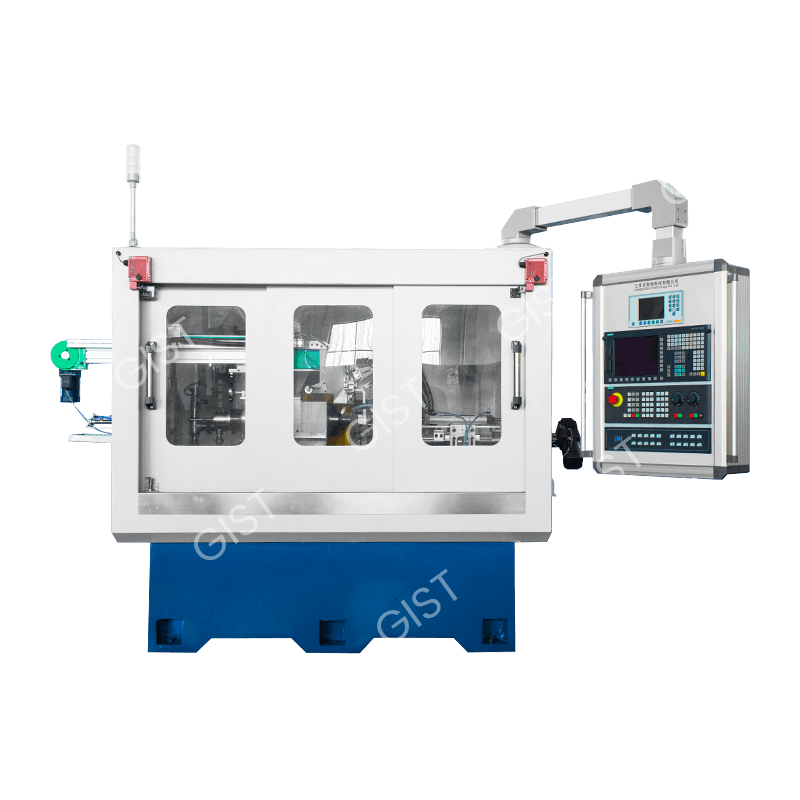
Category: Special valve CNC grinder Product Overview: The company has passed the certification of various systems such as ISO9001:2015 quality man...
More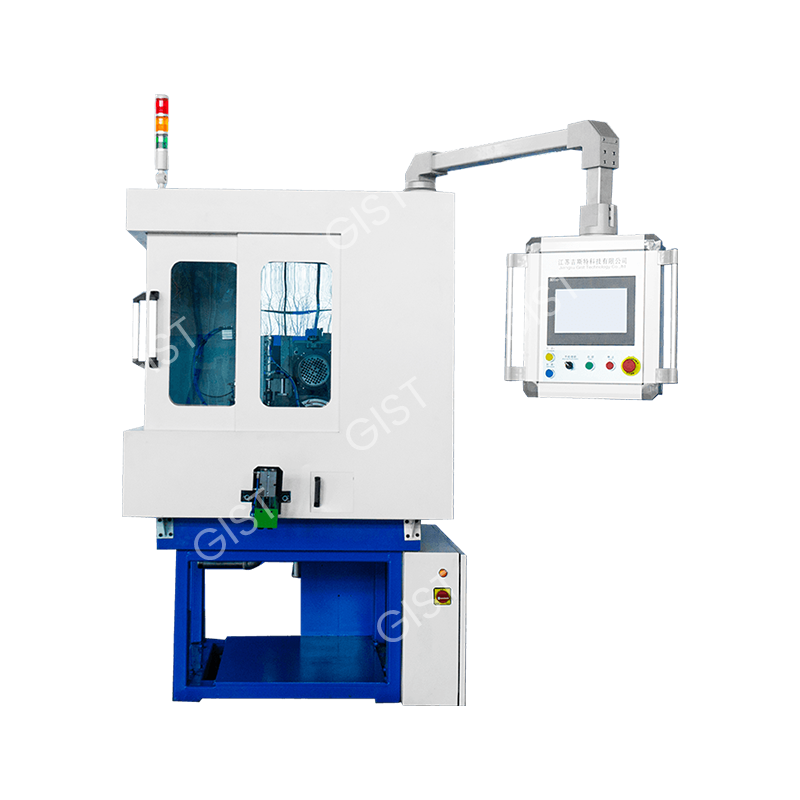
Category: Special valve CNC grinder Product Overview: The company has passed the certification of various systems such as ISO9001:2015 quality man...
More
Category: Special valve CNC grinder Product Overview: The company has passed the certification of various systems such as ISO9001:2015 quality man...
More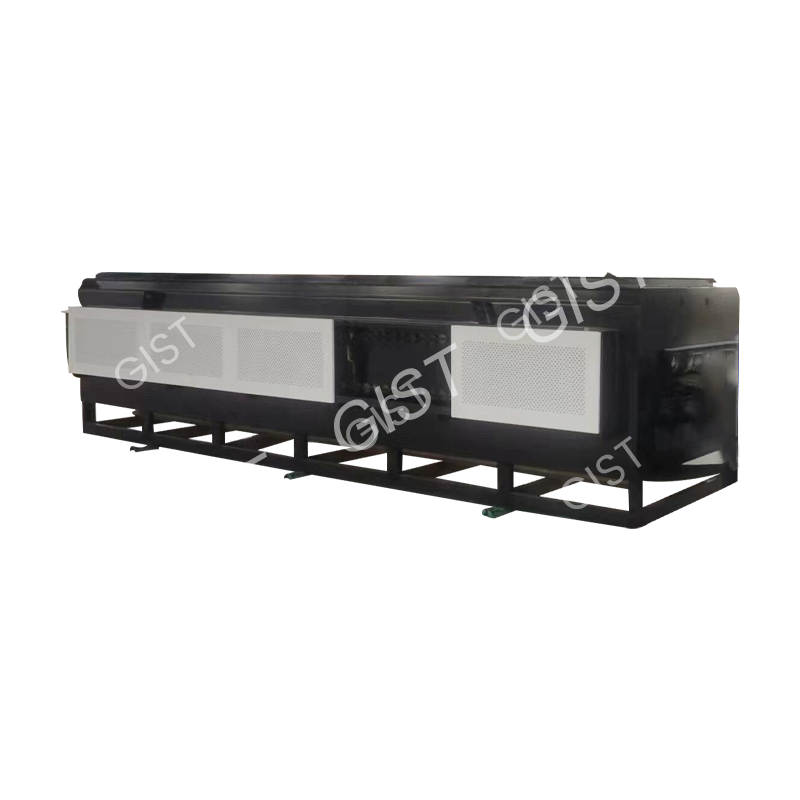
Category: Heat treatment equipment Product Overview: The company has passed the certification of various systems such as ISO9001:2015 quality mana...
More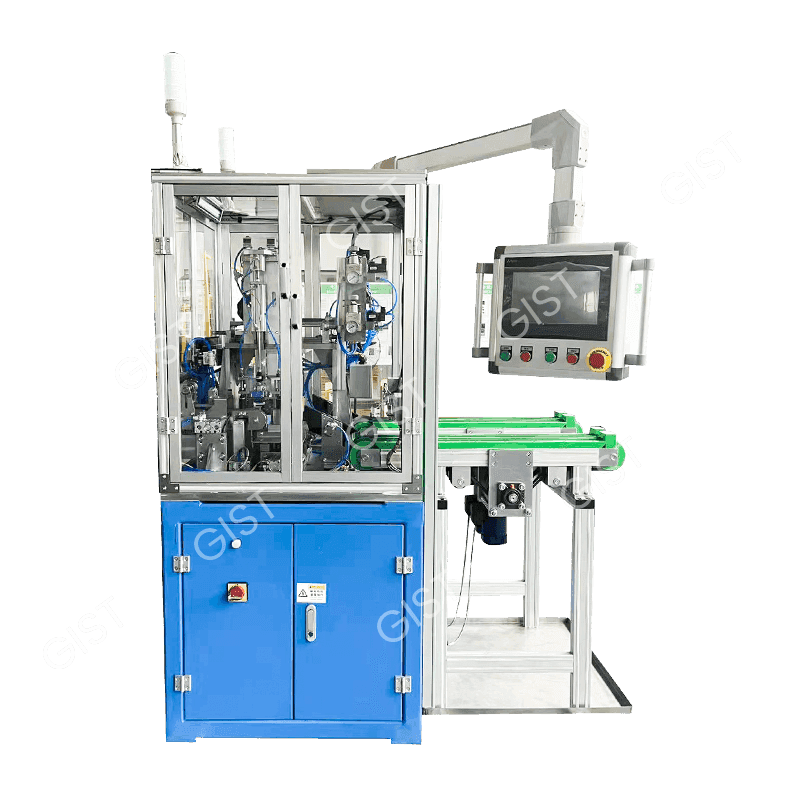
Category: Finished product testing equipment Product Overview: The company has passed the certification of various systems such as ISO9001:2015 qu...
More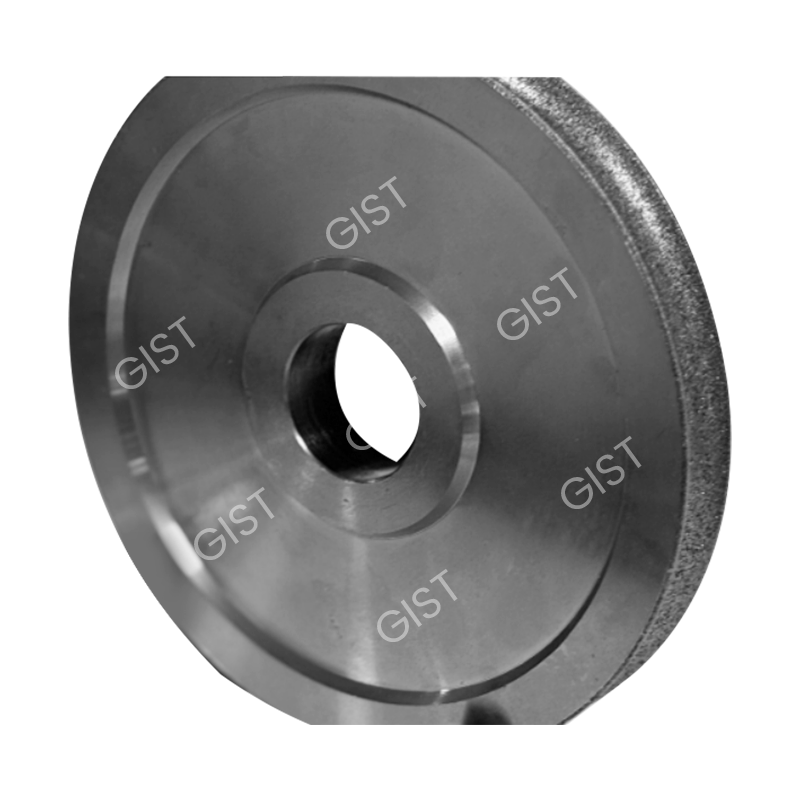
Category: Production auxiliary products Product Overview: The company has passed the certification of various systems such as ISO9001:2015 quality...
More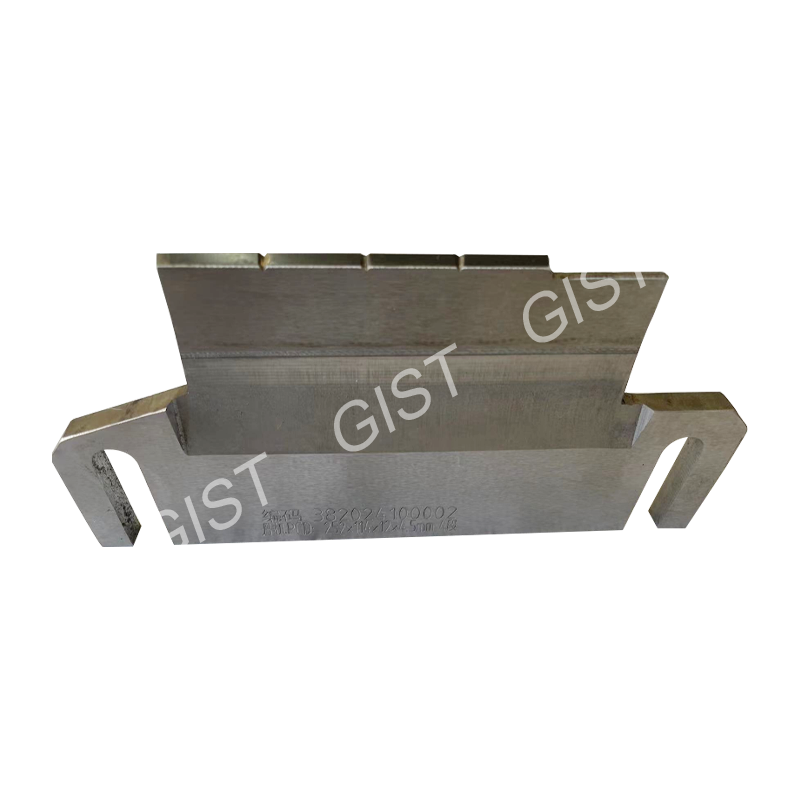
Category: Production auxiliary products Product Overview: The company has passed the certification of various systems such as ISO9001:2015 quality...
More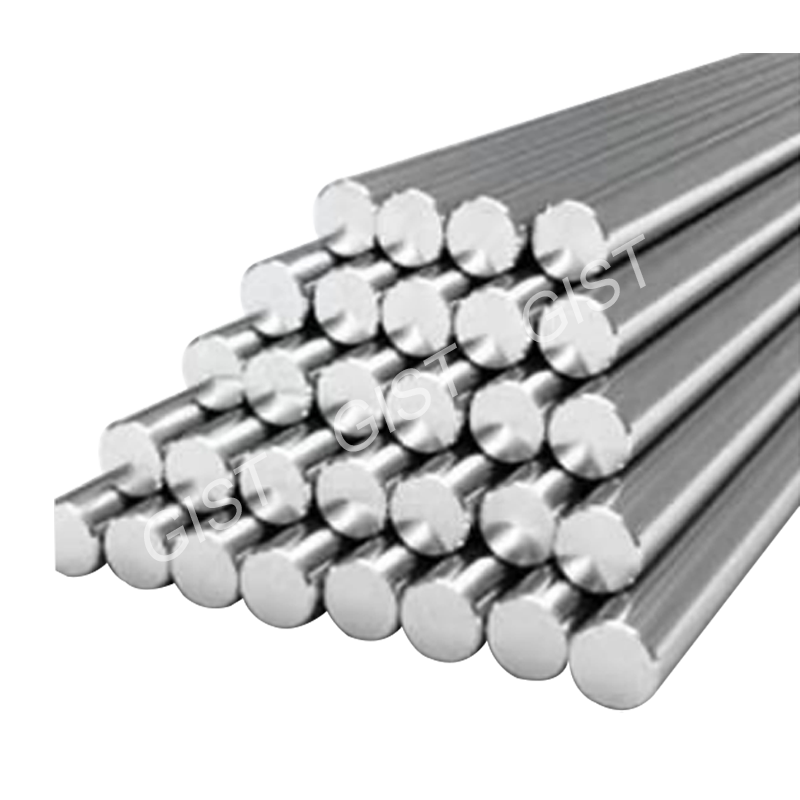
Category: Production auxiliary products Product Overview: The company has passed the certification of various systems such as ISO9001:2015 quality...
More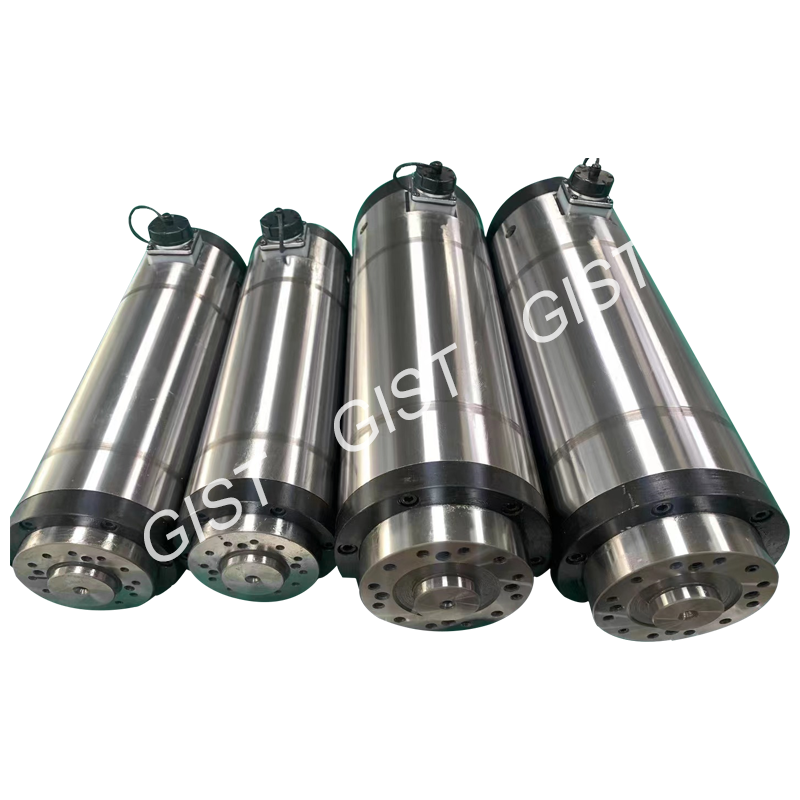
Category: Production auxiliary products Product Overview: The company has passed the certification of various systems such as ISO9001:2015 quality...
More
 86-13584767515
86-0515-89500828
 No. 1, Industrial Concentration Area, Wulie Town, Dongtai City, Jiangsu Province
Product