English
 中文简体
中文简体 русский
 Español
CNC Disk End Lathe
Cat:CNC Lathe
Category: CNC lathe Product Overview: The company has passed the certification of various systems such as ISO9001:2015 quality management system, ...
MoreIf you are evaluating a CNC valve grinding machine for your facility in 2026, the direct answer is this: CNC-controlled valve seat grinding delivers measurably tighter tolerances, faster cycle times, and lower operator dependency than any manual alternative. For facilities processing high volumes of industrial valves - whether in power generation, petrochemical, shipbuilding, or heavy equipment maintenance - the shift to CNC valve repair equipment is no longer a luxury but an operational necessity. This guide covers everything from technical fundamentals and machine selection criteria to sourcing strategies and total cost of ownership analysis.
The global industrial valve market was valued at USD 81.4 billion in 2023 and is projected to reach USD 112.6 billion by 2030, growing at a CAGR of 4.7% (Source: Grand View Research, 2024). Within this market, valve maintenance and refurbishment equipment - including CNC valve seat grinding machines - represents one of the fastest-growing segments as aging infrastructure worldwide drives demand for high-precision valve repair rather than full replacement. Understanding how to select the right CNC valve grinding machine manufacturer and configure the right equipment for your application is the starting point for capturing this value.
Content
CNC valve grinding is the computer-numerically-controlled process of machining the seating surfaces of industrial valves to precise geometric specifications, restoring leak-tight seals in gate valves, globe valves, ball valves, butterfly valves, and check valves. Unlike conventional hand-lapping or manual grinding, CNC valve seat machining uses servo-driven spindles, programmable feed rates, and in-process measurement systems to achieve surface finishes measured in Ra values typically below 0.4 micrometers and dimensional tolerances within plus or minus 0.005 millimeters.
The practical significance of this precision is substantial. A valve seat with even minor geometric deviation - as little as 0.01 mm of out-of-roundness or surface roughness above Ra 0.8 - can allow media leakage, reduce flow control accuracy, and in high-pressure or high-temperature applications, create safety-critical failure modes. Industrial valve refurbishment using CNC-controlled equipment eliminates these risks by removing human variability from the grinding process, replacing it with repeatable machine parameters that can be saved, recalled, and applied consistently across production runs.
CNC vs Manual Valve Grinding: Performance Comparison (Score 1-10)
CNC valve grinding machines outperform manual methods across virtually every operational dimension, with the most pronounced advantages in process repeatability and data reporting capability. The one area where manual grinding scores higher - operator skill required - is actually a disadvantage of the manual approach, reflecting the heavy dependency on individual technician expertise that CNC systems eliminate. For industrial valve refurbishment at scale, these performance gaps translate directly into measurable quality and efficiency improvements. Data represents composite industry benchmarking scores from valve maintenance engineering reviews.
Understanding the CNC valve seat grinding process in detail helps buyers evaluate machine specifications against their specific application requirements. The process follows a structured sequence that differs significantly from manual methods in its use of automated measurement, programmed parameters, and real-time feedback control.
Before grinding begins, the valve body is mounted in the machine's fixture system. On modern CNC valve grinding machines, self-centering fixtures with adjustable bore alignment compensate for valve body distortion and ensure the grinding tool is concentric with the seat bore axis. Runout measurement is performed automatically, with values displayed on the HMI before the operator confirms the setup. Target runout for precision valve seat machining is typically below 0.01 mm TIR (total indicator reading).
The roughing pass removes the majority of material - corrosion deposits, erosion damage, and geometric deviation - using a high material-removal-rate grinding wheel or carbide cutter, depending on the seat material. For hard-faced seats (Stellite, Inconel, or similar alloys), specialized CBN (cubic boron nitride) or diamond grinding wheels are used. The CNC controller manages feed rate, spindle speed, and depth of cut to maintain consistent chip load and prevent thermal damage to the seat surface.
The finishing pass brings the seat to final dimensional specification and target surface roughness. On advanced CNC valve repair machines with in-process gauging, the surface finish is measured continuously during the finishing pass, and the machine automatically adjusts parameters to reach the programmed Ra target. Post-process verification using a contact profilometer or optical measurement system confirms that the seat meets drawing requirements before the valve is released for reassembly.
The case for CNC valve seat grinding over manual methods rests on concrete, measurable performance differences across multiple dimensions. Facilities that have transitioned from manual to CNC processes consistently report improvements in cycle time, first-pass yield, and total maintenance cost per valve. The following data summarizes findings from industrial valve service operations that have documented their transition results.
| Performance Metric | CNC Valve Grinding | Manual Valve Grinding | CNC Advantage |
|---|---|---|---|
| Surface Finish (Ra) | 0.2 - 0.4 micrometers | 0.8 - 3.2 micrometers | 4-8x finer finish |
| Seat Roundness | +/- 0.005 mm | +/- 0.05 - 0.1 mm | 10-20x more accurate |
| Cycle Time per Valve | 15 - 45 minutes | 2 - 8 hours | 60-75% time reduction |
| First-Pass Yield | 92 - 97% | 65 - 80% | +20 to +30 percentage points |
| Operator Training Time | 1 - 3 weeks | 6 - 24 months | Dramatically reduced |
| Process Documentation | Automatic digital records | Manual log sheets | Full traceability |
Cumulative Valve Maintenance Cost Savings: CNC vs Manual (Index: Year 1 Manual Cost = 100)
While CNC valve grinding machines require a higher initial capital investment (reflected in the Year 0 starting point), total cumulative maintenance costs for CNC operations diverge significantly from manual operations by Year 2 onward, driven by lower labor hours, reduced rework rates, and higher throughput per technician. By Year 5, facilities with high valve maintenance volumes typically report cumulative cost structures that are substantially more favorable with CNC equipment than with manual methods. This analysis excludes consumable tooling differences, which further favor CNC in high-volume applications.
Valve maintenance professionals encounter a recurring set of technical challenges that manual methods address inconsistently and CNC valve maintenance technology resolves systematically. Recognizing these challenges in your own facility is a practical starting point for building the business case for CNC valve repair machine investment.
Industrial valve refurbishment using CNC grinding equipment spans a remarkably wide range of industries, each with specific valve types, materials, and precision requirements. The flexibility of modern CNC valve grinding machine designs allows a single platform to serve multiple application contexts, making it a versatile capital investment for valve service centers and in-house maintenance departments alike.
CNC Valve Grinding Equipment Demand by End-Use Industry (%)
Oil and gas operations represent the largest single end-use segment for CNC valve grinding equipment, driven by the combination of large valve inventories, severe-service conditions that accelerate seat wear, and high-stakes consequences of valve failure. Power generation is the second-largest segment, where steam and water valves in turbine bypass and feedwater systems require frequent precision refurbishment. Chemical processing and water treatment round out the top four segments, each with distinct material and precision requirements that industrial valve grinding machine suppliers must support. Source: Market segment estimates from valve maintenance industry surveys, 2024.
Selecting a CNC valve grinding machine requires systematic evaluation of your application requirements against machine specifications, supplier capabilities, and total cost of ownership. The following framework guides buyers through the critical decision points, from initial specification development through final supplier selection.
Begin by auditing the valves your facility maintains or services. Document the range of seat bore diameters, valve types (gate, globe, ball, butterfly, check), seat materials (carbon steel, stainless steel, hard-facing alloys), and required seat angles. This valve population profile becomes the primary specification document for machine selection. A CNC valve grinding machine manufacturer should be able to confirm which of their models covers your full valve population range before any commercial discussions proceed.
With your valve population defined, evaluate CNC valve repair machine specifications against these requirements. Critical specifications to compare include:
The quality of post-sale support is as important as the machine's technical specifications for long-term operational reliability. When evaluating a CNC valve grinding machine supplier, assess the following support dimensions:
CNC Valve Grinding Machine Supplier Evaluation Framework (Score 1-10)
This radar chart illustrates the recommended weighting of six key evaluation criteria when selecting a CNC valve grinding machine supplier. Technical capability and after-sales support are weighted highest, reflecting the long service life of capital equipment and the critical importance of ongoing technical assistance. Customization capability scores equally high for buyers with non-standard valve types, while certifications and documented customer references provide essential quality and reliability assurance. A supplier that scores below 7 on any single axis warrants careful additional scrutiny before purchase commitment.
China has emerged as a significant manufacturing base for industrial valve maintenance equipment, with a growing number of CNC valve grinding machine factories offering engineering capability and production capacity that serves both domestic and export markets. For international buyers, sourcing from a CNC valve grinding machine factory in China requires structured due diligence to validate technical competence, quality management systems, and export support capability.
Jiangsu Gist Technology Co., Ltd. is a representative example of the integrated manufacturing model that characterizes leading Chinese valve maintenance equipment producers. Established in April 2020 and building on the heritage of Dongtai Weifeng Machinery Factory (founded 2012), the company operates from a purpose-built facility of over 11,000 square meters in Wulie Town, Dongtai City - a total investment of 100 million yuan that reflects the scale of commitment behind the operation. As a manufacturer that integrates development, design, production, manufacturing, sales, and after-sales service, Jiangsu Gist offers custom CNC valve grinding machine configurations developed by in-house engineering teams with cross-industry application experience.
When evaluating any CNC valve grinding machine exporter or China-based supplier, the following verification steps are recommended regardless of the supplier's stated capabilities:
One of the most operationally significant developments in CNC valve maintenance technology is the portable valve grinding machine - a self-contained, field-deployable unit that performs precision seat grinding with the valve in place in the pipeline, without the need for disassembly, transport, and workshop processing. For large-diameter valves and critical service lines where process shutdowns are costly, portable in-situ grinding represents a major reduction in maintenance downtime and associated production loss.
Portable CNC valve grinding machines typically cover seat bore ranges from DN50 up to DN1200 or larger, using modular tooling systems that adapt to different valve configurations. The CNC control unit is either integrated into the portable assembly or connected via a cable to a separate pendant controller, allowing the operator to set and monitor grinding parameters from a safe working position relative to the valve. Setup time for portable in-situ grinding is typically 2 to 4 hours, compared to the 2 to 5 days required for valve removal, transport, workshop repair, and reinstallation - a compelling time advantage for high-consequence maintenance situations.
Maintenance Downtime Comparison: In-Situ Portable CNC vs. Workshop Removal (Hours)
Across all four common valve types and sizes compared, portable in-situ CNC valve grinding reduces total maintenance downtime by 80 to 90% compared to the conventional remove-and-repair workshop method. The most significant savings occur on large-diameter valves where logistics of removal and reinstallation dominate the total maintenance time. These time reductions translate directly into reduced production loss and lower total maintenance cost per event, making portable CNC valve grinding machine investment highly justifiable for facilities with large-valve inventories in continuous process environments.
The precision performance of CNC valve grinding equipment depends on consistent preventive maintenance of the machine itself. Neglecting machine maintenance leads to spindle runout growth, axis positioning errors, and loss of surface finish capability - exactly the quality problems the machine is intended to prevent in the valves it services. The following maintenance practices are drawn from industrial valve grinding machine supplier service manuals and field maintenance experience.
The evolution of CNC valve maintenance technology over the next 5 to 10 years will be shaped by several converging technological trends that are already visible in leading-edge machine designs from advanced industrial valve grinding machine suppliers. Understanding these trends helps buyers make forward-compatible investment decisions that will remain relevant as the technology evolves.
CNC Valve Grinding Technology Adoption Forecast: Key Features (% of New Machines), 2024-2030
IoT connectivity and in-process measurement capabilities are on track to become standard features in the majority of new CNC valve grinding machines by 2028, driven by customer demand for data-driven maintenance management and process traceability. AI-assisted process optimization is following a steeper adoption curve than initially projected, as the underlying computing platforms become more accessible and the valve maintenance industry's data maturity improves. Buyers evaluating custom CNC valve grinding machine configurations in 2025 and 2026 should include IoT connectivity and remote diagnostics as baseline specifications rather than optional add-ons. Source: Market forecast composite from industrial automation research, 2024.
Below are the questions most commonly asked by engineers, maintenance managers, and procurement professionals researching CNC valve grinding machine options.
Q1: What is a CNC valve grinding machine and how does it work?
A CNC valve grinding machine is a computer-numerically-controlled machine tool that uses programmable servo drives to control the grinding spindle, feed axes, and fixturing system during valve seat machining. The operator inputs the seat geometry parameters into the CNC controller, which then executes the grinding cycle automatically, maintaining consistent spindle speed, feed rate, and depth of cut to produce a seat surface that meets specified dimensional and finish requirements.
Q2: Why is CNC valve grinding better than manual grinding?
CNC valve grinding eliminates the operator skill dependency that causes variable results in manual grinding. It achieves surface finishes 4 to 8 times finer than typical manual methods (Ra 0.2-0.4 vs 0.8-3.2 micrometers), delivers seat roundness tolerances 10 to 20 times tighter, reduces cycle time by 60 to 75%, and creates fully documented digital records of every grinding operation - none of which manual methods can consistently provide.
Q3: How accurate is a CNC valve grinding machine?
Well-built CNC valve grinding machines achieve dimensional tolerances of plus or minus 0.005 mm or better for seat bore dimensions, and surface finishes below Ra 0.4 micrometers for seat contact surfaces. These specifications are significantly more demanding than typical manual grinding results and align with the requirements of API, DIN, and ASME valve standards for seat geometry. Always request documented test certificates from the specific machine you are considering rather than relying on nominal specifications.
Q4: What types of valves can be ground with CNC machines?
CNC valve seat grinding machines can process gate valves, globe valves, check valves, ball valves, butterfly valves, and plug valves across a wide range of sizes, materials, and seat configurations. Specialized machines or tooling systems are available for hard-faced seats (Stellite, Inconel, Hastelloy), cryogenic valve configurations, and non-standard seat angles. Custom CNC valve grinding machine configurations from experienced industrial valve grinding machine suppliers can cover virtually any valve type encountered in industrial service.
Q5: How much time can CNC valve grinding save?
CNC valve grinding typically reduces per-valve cycle time by 60 to 75% compared to manual methods - from a manual range of 2 to 8 hours down to 15 to 45 minutes per valve depending on size and complexity. Portable in-situ CNC grinding delivers even more dramatic time savings against the workshop removal method, reducing total maintenance downtime by 80 to 90% for large-diameter valves by eliminating the pipeline dismantling, transport, and reinstallation steps.
Q6: What should I look for in a CNC valve grinding machine supplier?
Prioritize suppliers with documented technical capability across your valve population (bore range, materials, seat angles), a strong after-sales support infrastructure including training, spare parts, and on-site or remote service capability, relevant certifications (ISO 9001, CE), verifiable customer references in your industry, and the ability to provide custom CNC valve grinding machine configurations if your application requires non-standard capabilities. A valve maintenance equipment manufacturer with integrated design-to-delivery capability typically offers the most flexible customization and most accountable post-sale support.
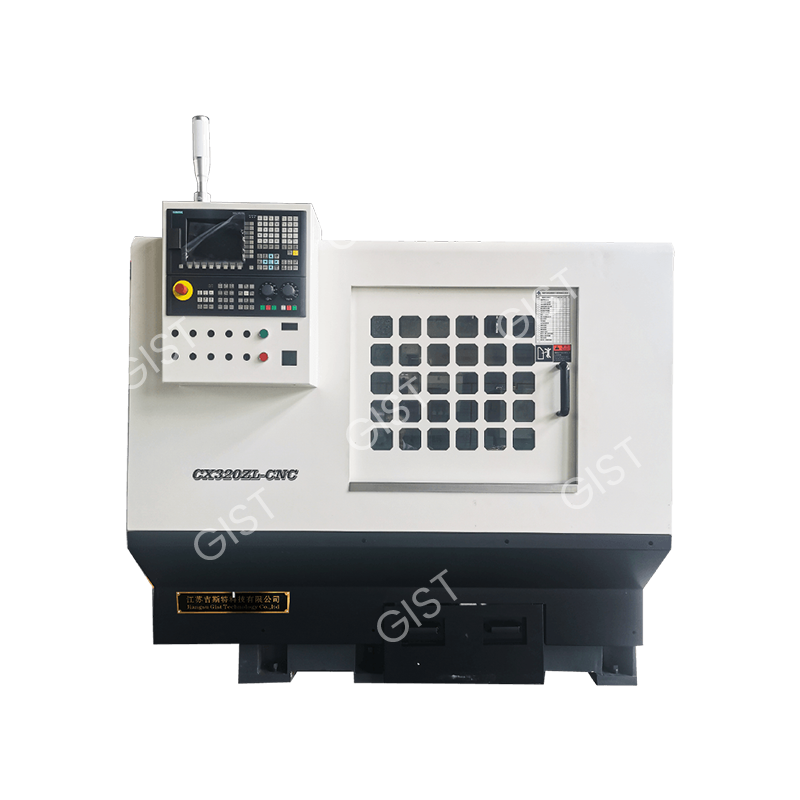
Category: CNC lathe Product Overview: The company has passed the certification of various systems such as ISO9001:2015 quality management system, ...
More
Category: Special valve CNC grinder Product Overview: The company has passed the certification of various systems such as ISO9001:2015 quality man...
More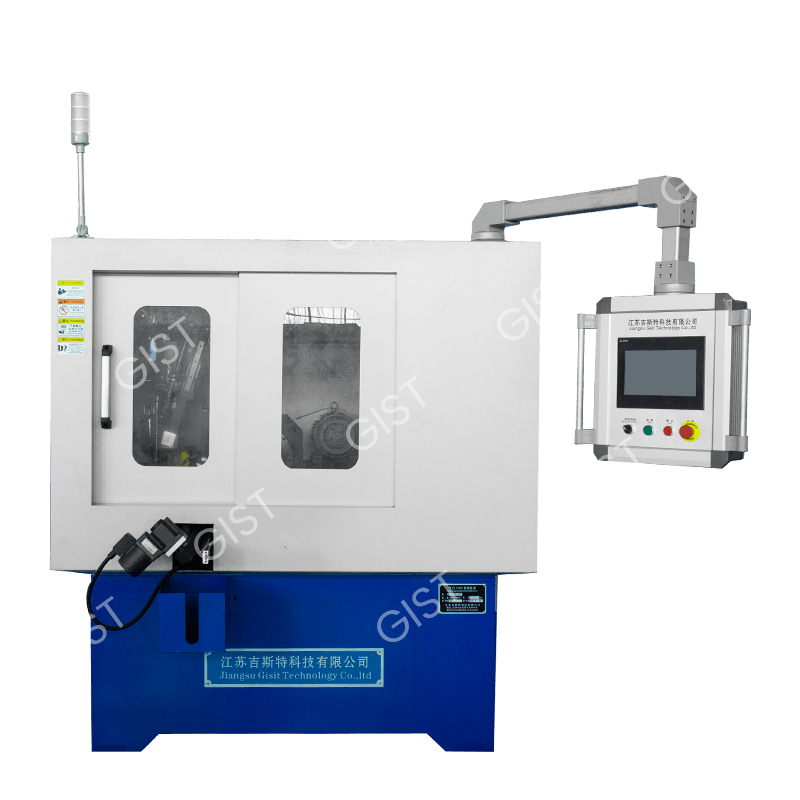
Category: Machining equipment Product Overview: The company has passed the certification of various systems such as ISO9001:2015 quality managemen...
More
Category: Valve blank molding equipment Product Overview: The company has passed the certification of various systems such as ISO9001:2015 quality...
More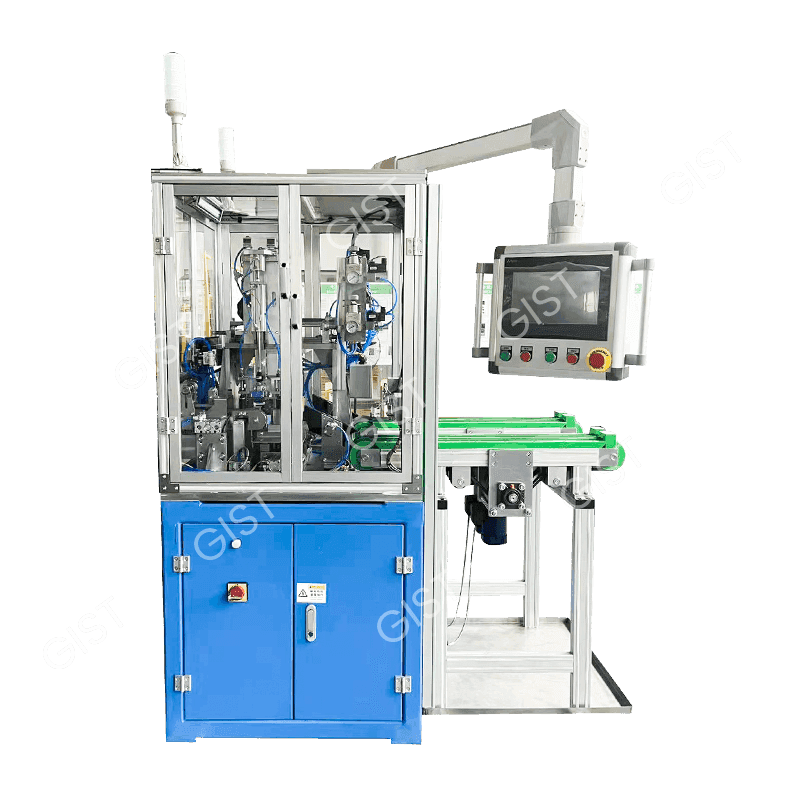
Category: Finished product testing equipment Product Overview: The company has passed the certification of various systems such as ISO9001:2015 qu...
More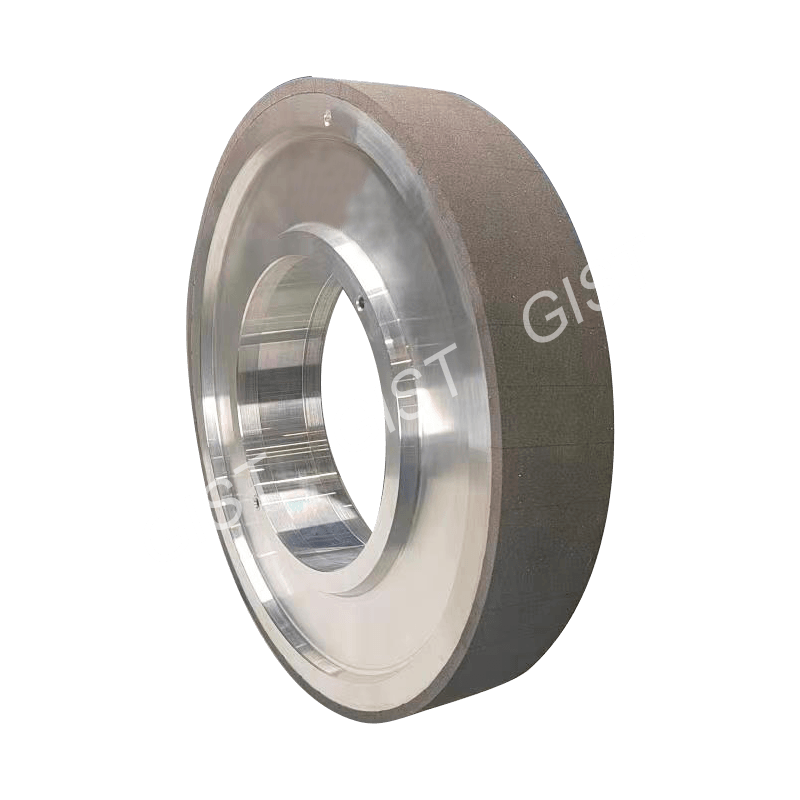
Category: Production auxiliary products Product Overview: The company has passed the certification of various systems such as ISO9001:2015 quality...
More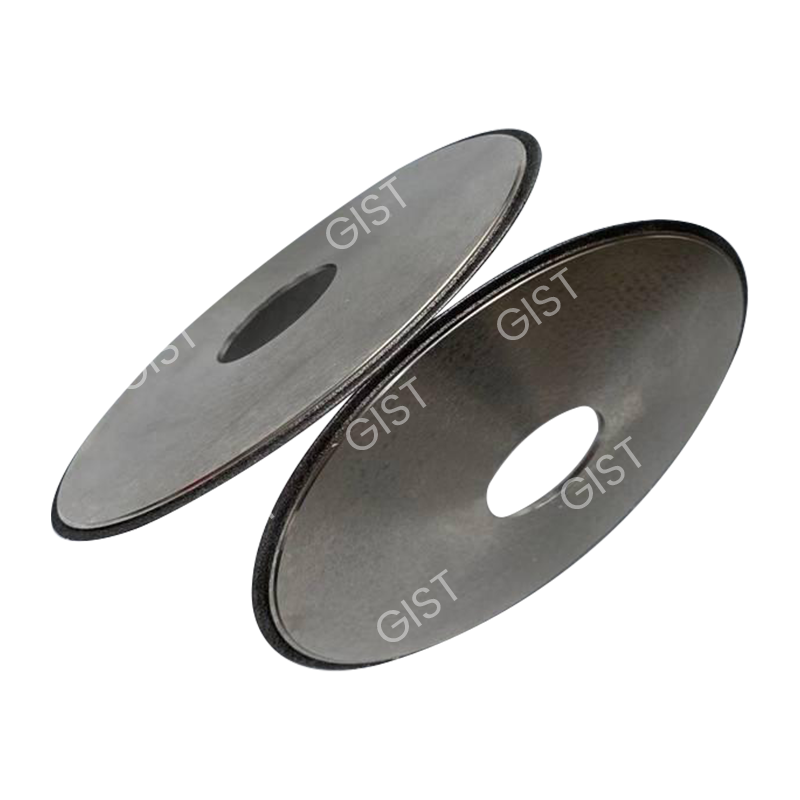
Category: Production auxiliary products Product Overview: The company has passed the certification of various systems such as ISO9001:2015 quality...
More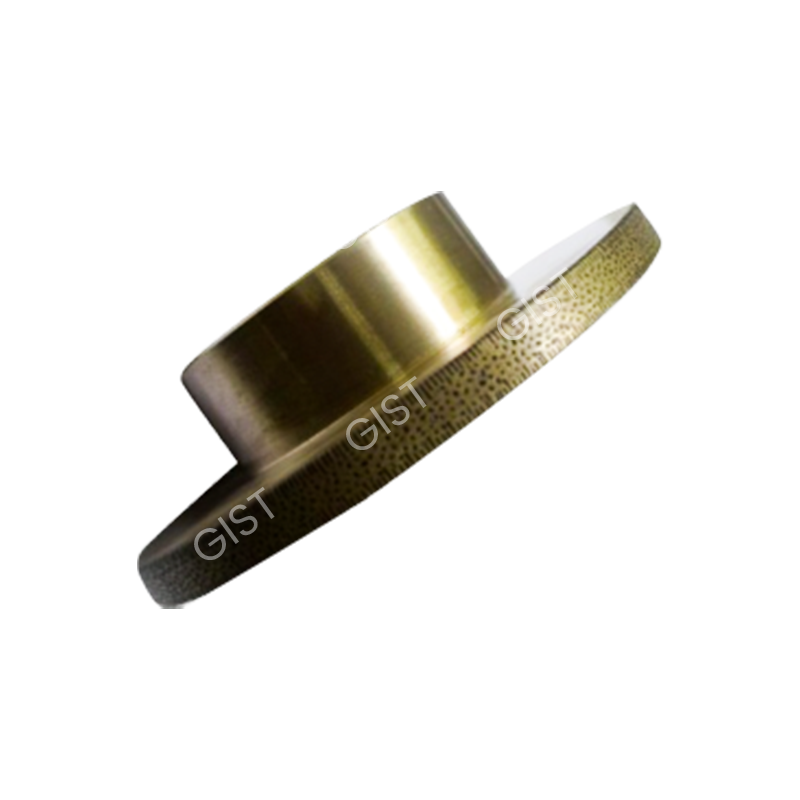
Category: Production auxiliary products Product Overview: The company has passed the certification of various systems such as ISO9001:2015 quality...
More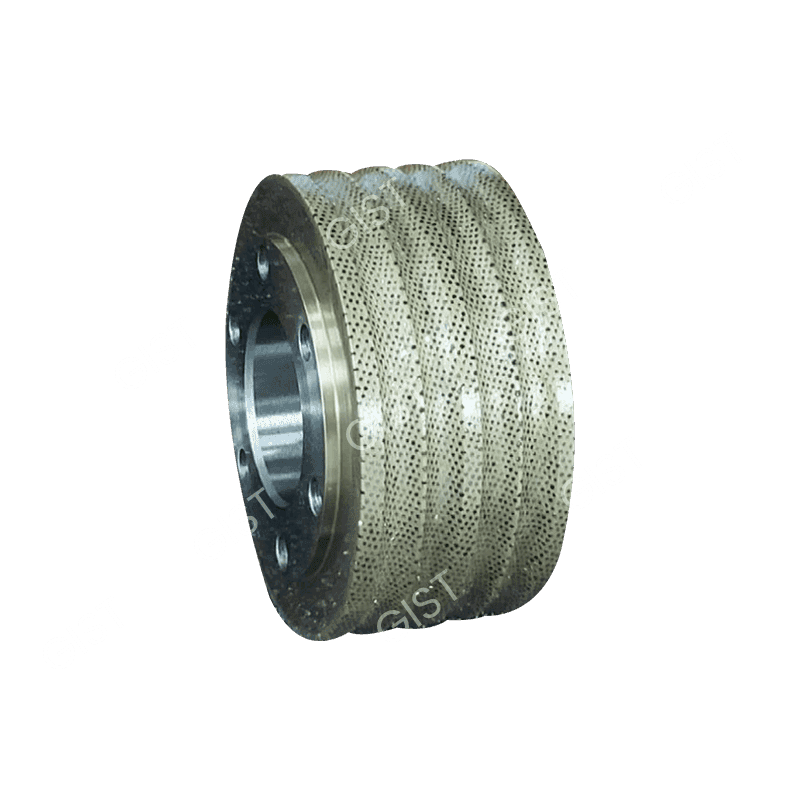
Category: Production auxiliary products Product Overview: The company has passed the certification of various systems such as ISO9001:2015 quality...
More
 86-13584767515
86-0515-89500828
 No. 1, Industrial Concentration Area, Wulie Town, Dongtai City, Jiangsu Province
Product