English
 中文简体
中文简体 русский
 Español
Direct Answer: What Defines a Reliable CNC Valve Grinding Machine A CNC Valve Grinding Machine earns its place on a production floor when it can hold a consistent valve seat angle......
Read More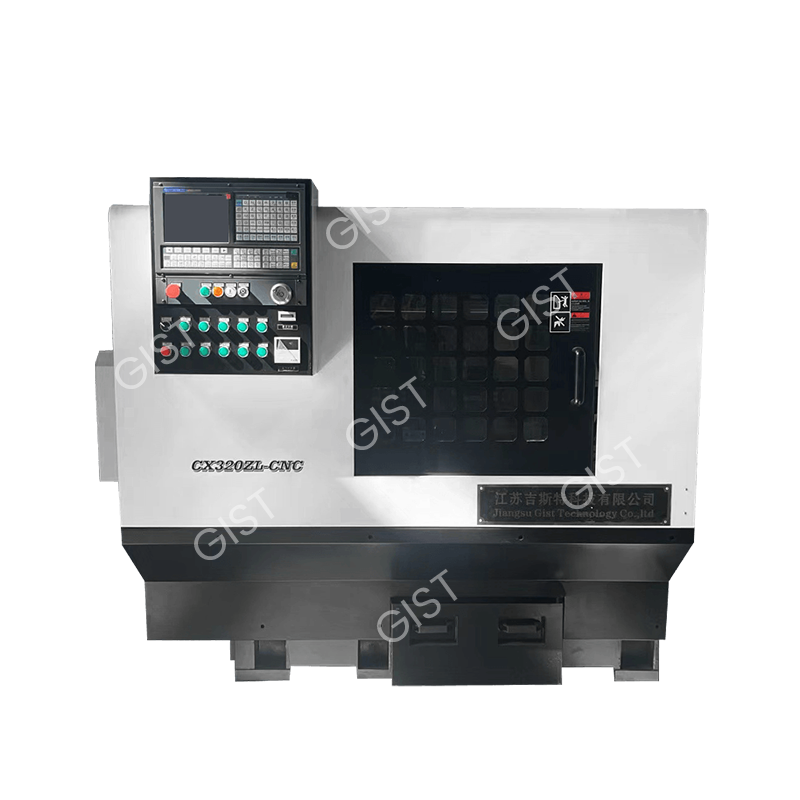
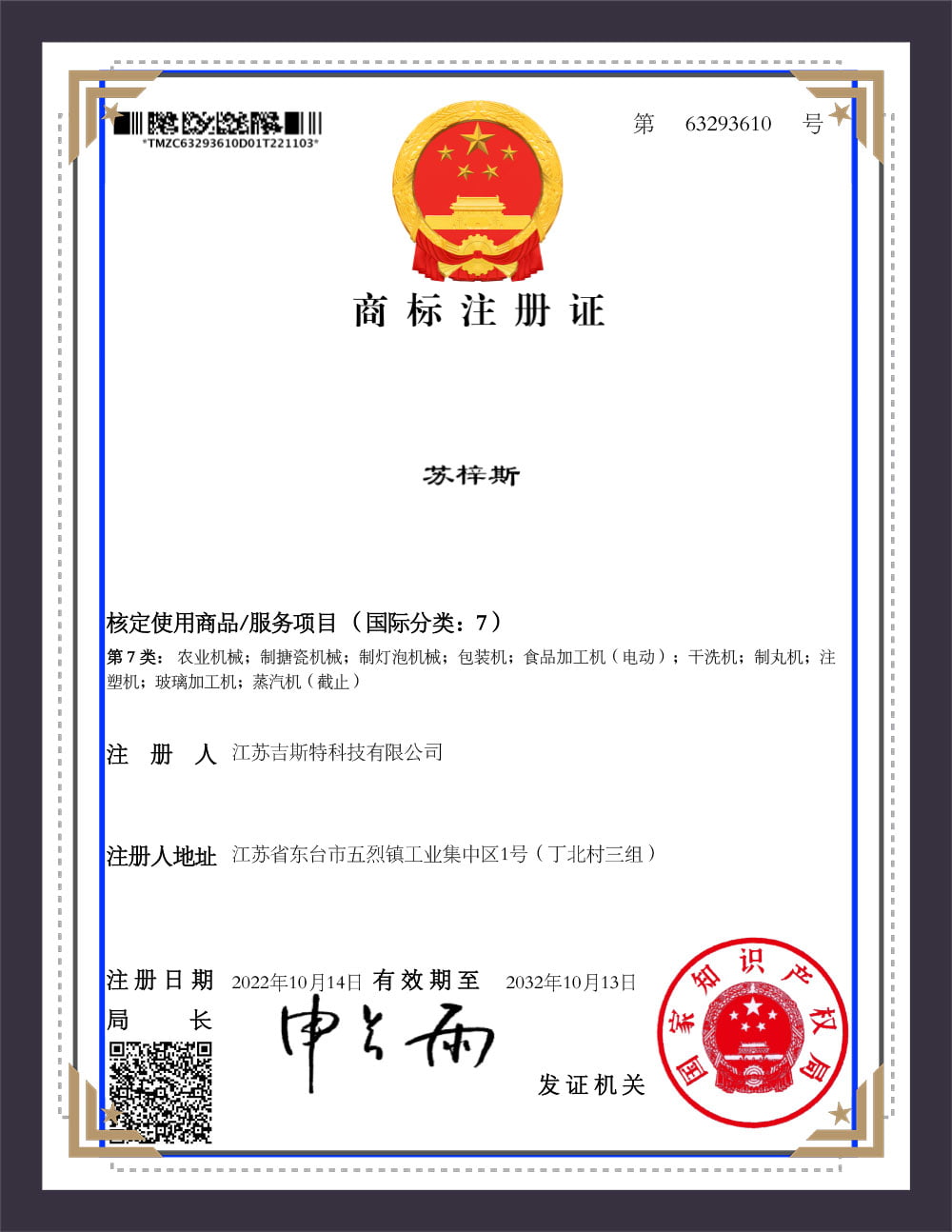
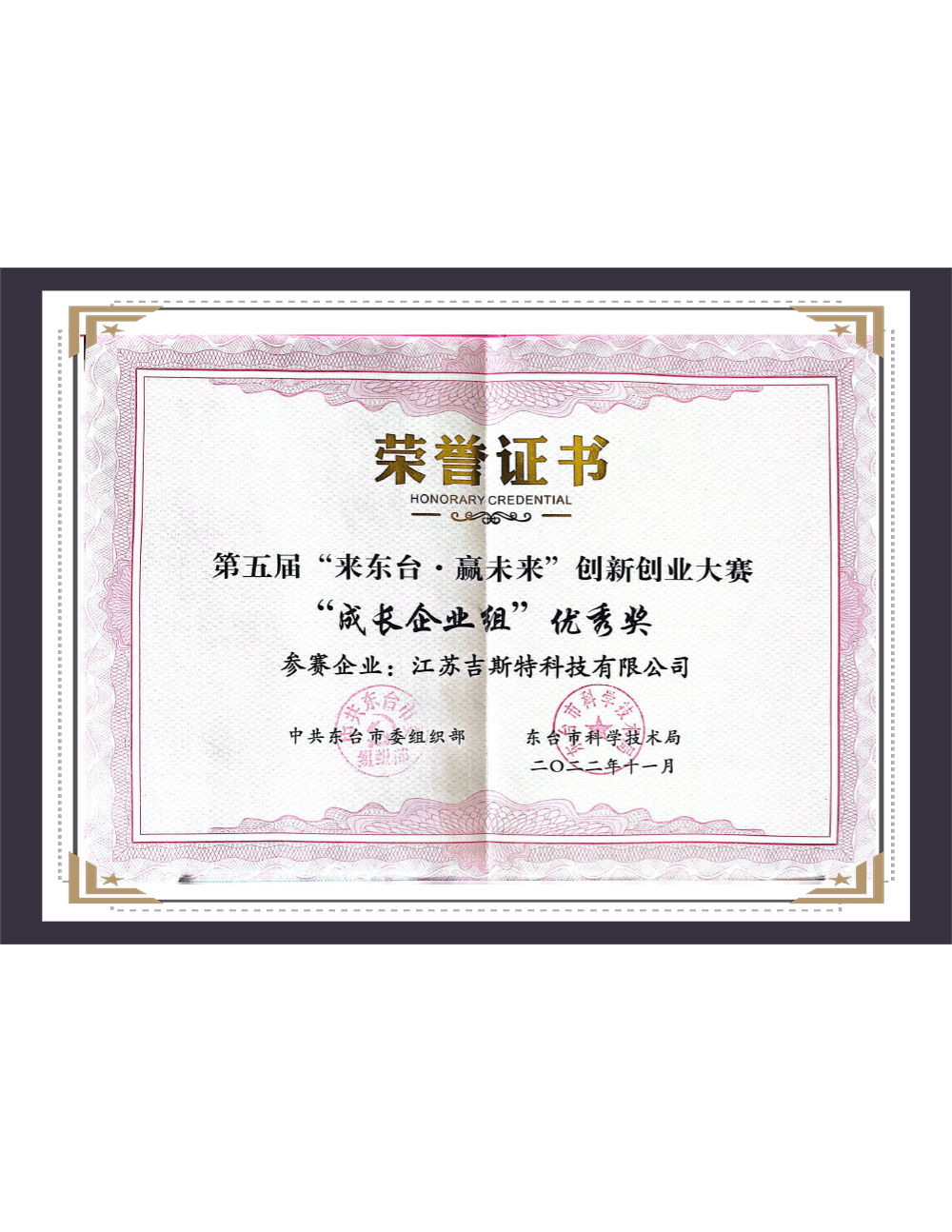

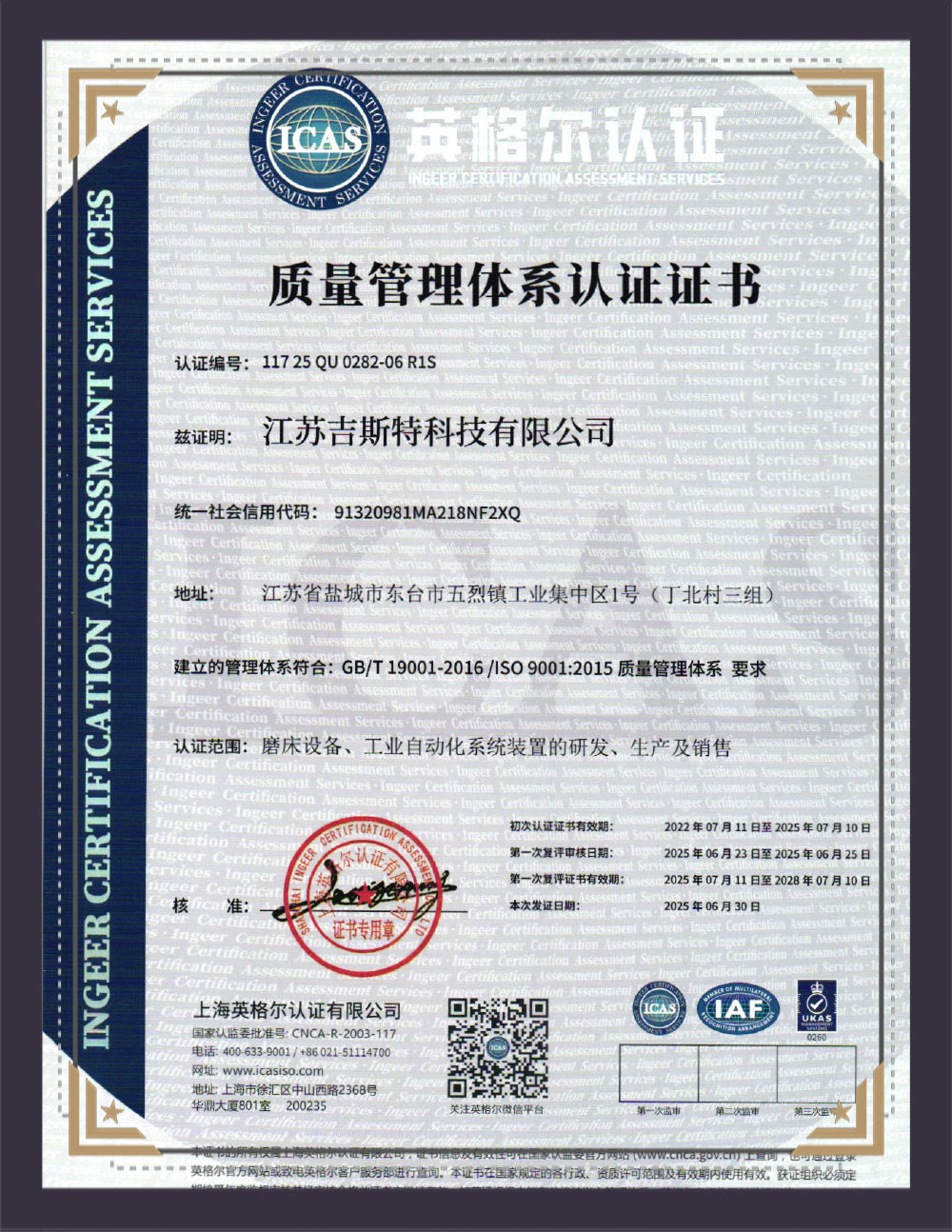
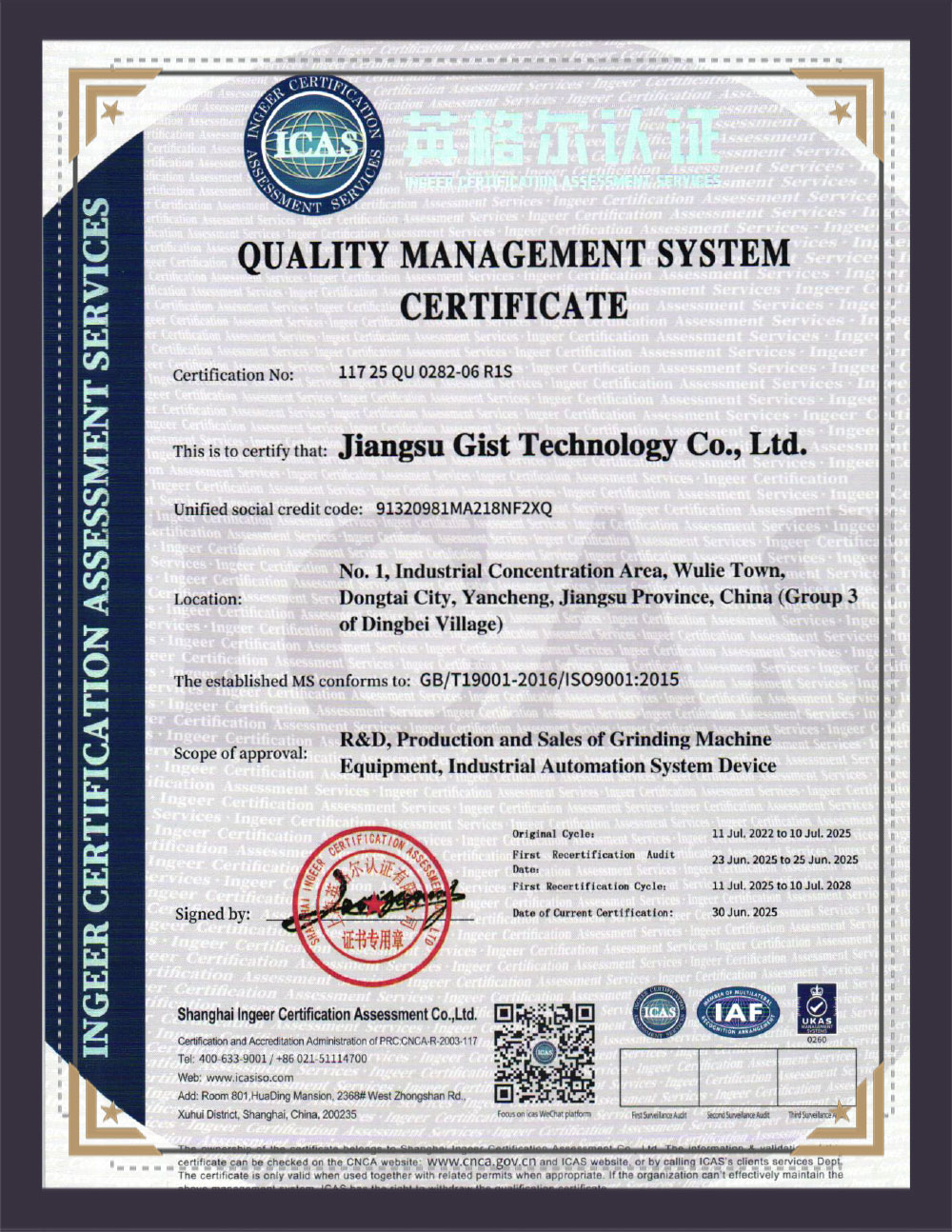
Direct Answer: What Defines a Reliable CNC Valve Grinding Machine A CNC Valve Grinding Machine earns its place on a production floor when it can hold a consistent valve seat angle......
Read MoreWhat Is a CNC Valve Grinding Machine? Complete Guide for Manufacturers The direct answer: A CNC valve grinding machine is a computer-controlled precision machine tool designed sp......
Read MoreWhy a Structured Question List Matters When Sourcing Valve Grinding Equipment Selecting a CNC Valve Grinding Machine is a decision that affects production output, part consistency......
Read MoreThe Direct Answer: What to Prioritize When Purchasing a CNC Valve Grinding Machine A dependable CNC valve grinding machine purchase decision comes down to four measurable factors:......
Read MoreA centerless grinding machine is a type of cylindrical grinding equipment that holds the workpiece between a grinding wheel and a regulating wheel — without the need for centers o......
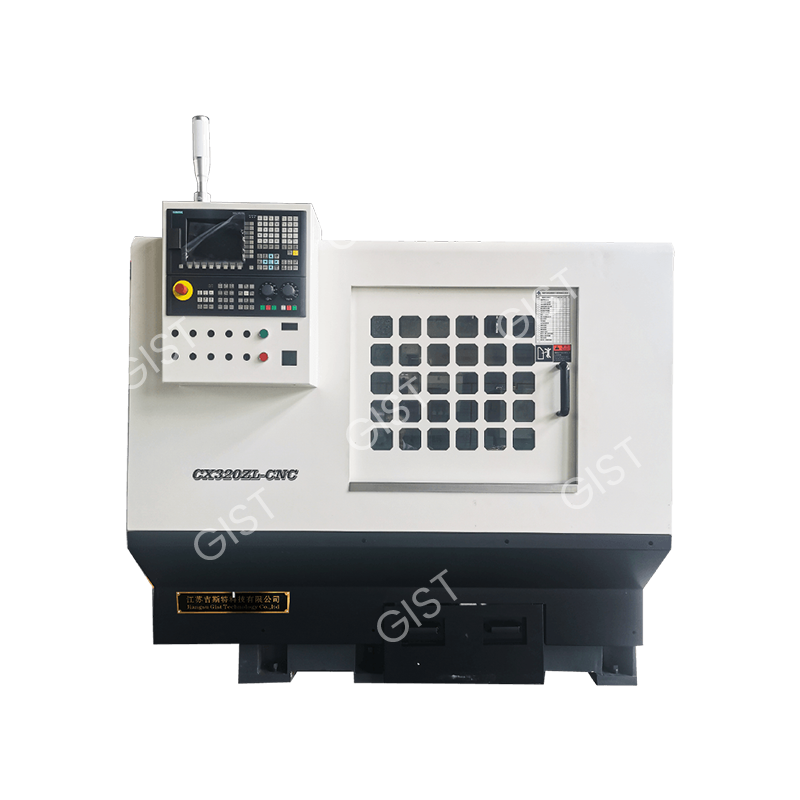
Read MoreWorking Principle of a CNC Lathe
A CNC lathe (Computer Numerical Control Lathe) is an automated machine tool controlled by a computer program, primarily used for machining rotating parts (such as shafts, discs, and threads).
The core operating principle is as follows:
CNC system (CNC): Receives programming instructions and controls the motion trajectory, speed, feed rate, and other parameters of each machine axis (X, Z, etc.).
Spindle system: Clamps the workpiece and rotates at high speed, while a servo motor drives the tool to perform cutting.
Turret/tool holder: Can accommodate multiple tools, automatically switching between them to perform complex operations such as turning, drilling, boring, and tapping.
Guide and feed system: High-precision ball screws and linear guides ensure precise tool movement, enabling the machining of complex contours.
Features and Advantages of CNC Lathes
High-precision machining: Repeatable positioning accuracy can reach ±0.005mm, making it suitable for precision part manufacturing. High degree of automation: Supports automatic tool changing and automatic material feeding, reducing manual intervention and improving efficiency.
Flexible production: Process different parts simply by modifying the program, suitable for high-variety, small-batch orders.
Complex process integration: Complete multiple operations such as turning, milling, and threading in one go, reducing setup errors.
Wide application: Suitable for high-precision industries such as automotive, aerospace, medical devices, and electronics.
Key points for CNC lathe operation and maintenance
Programming and tool setting: Use CAM software or manually write code to appropriately set cutting parameters (speed, feed rate, and depth of cut). Perform precise tool setting to ensure accurate tool compensation values and avoid machining errors.
Tool management: Select appropriate tools (carbide, ceramic, CBN, etc.) based on the material (e.g., steel, aluminum, titanium alloy). Regularly check tool wear and replace or resharpen tools promptly.
Machine maintenance: Regularly lubricate guideways and lead screws, clean chips and coolant to prevent rust and blockage. Check the condition of spindle bearings and servo motors to prevent overheating and vibration. Safe operation: Before machining, ensure the workpiece is securely clamped to avoid flying material. The emergency stop button (E-Stop) must be in a state where it can be triggered at any time.

 86-13584767515
86-0515-89500828
 No. 1, Industrial Concentration Area, Wulie Town, Dongtai City, Jiangsu Province
Product