English
 中文简体
中文简体 русский
 Español
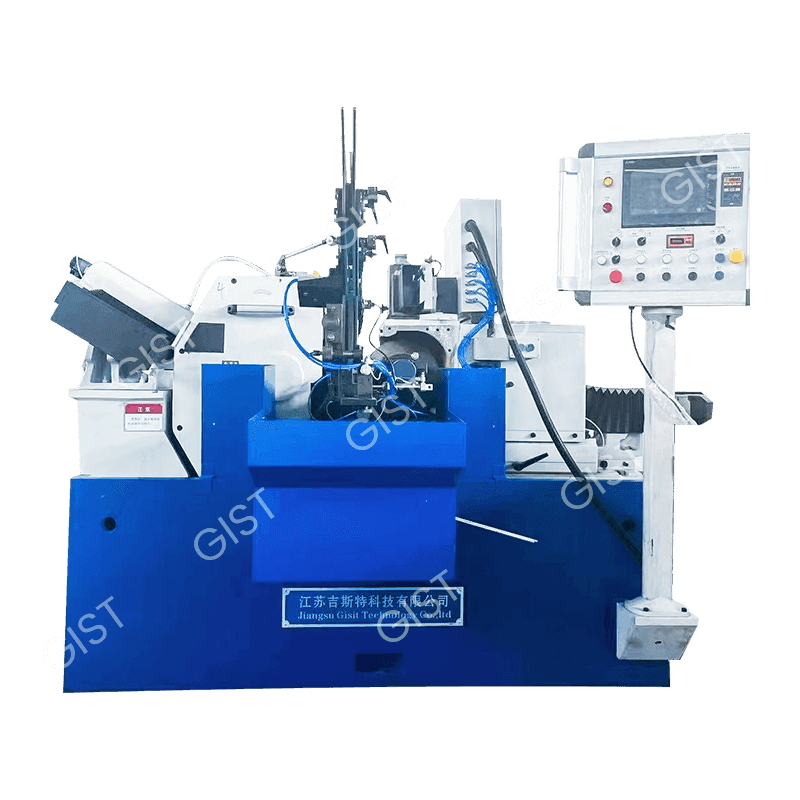
CNC Disk End Lathe
Cat:CNC Lathe
Category: CNC lathe Product Overview: The company has passed the certification of various systems such as ISO9001:2015 quality management system, ...
MoreContent
Selecting a CNC Valve Grinding Machine is a decision that affects production output, part consistency, and daily operating routines for years after the purchase order is signed. Engine valve components such as intake valves, exhaust valves, and poppet valves require tight geometric control on the seat angle, face angle, and stem, which means the grinding equipment selected has a direct influence on downstream engine performance and assembly line efficiency. Buyers who walk into a sourcing conversation without a clear question framework often discover gaps only after installation, when adjusting workflow or retraining operators becomes far more disruptive than it would have been during evaluation.
This article organizes twelve practical questions into logical groups covering throughput, precision, part compatibility, automation, tooling, facility requirements, and manufacturer background. Each section includes supporting data visuals and reference tables so procurement teams, plant engineers, and maintenance managers can compare options methodically rather than relying on a single sales conversation. The goal is to give buyers a repeatable checklist they can bring to any supplier discussion involving a valve grinding machine manufacturer.
Output volume is usually the first practical constraint a buyer needs to define before comparing machines. A facility running a single shift with moderate batch sizes has very different requirements from a plant running continuous three-shift production for an automotive supplier. Before requesting a quotation, it helps to calculate the target valves per hour, then work backward into the cycle time each machine needs to hit that number reliably.
Cycle time quoted by a supplier sometimes reflects only the grinding pass itself, excluding fixture loading, indexing, and measurement dwell time. Buyers should ask for the full cycle time measured from part-in to part-out, since this is the number that determines actual shift output. In general machine shop practice, manual grinding stations average around 110 seconds per valve when accounting for operator handling and visual inspection, semi-automatic stations reduce this to roughly 65 seconds through mechanized indexing, and a properly configured cnc valve grinder can bring full cycle time down toward 35 seconds through synchronized loading, grinding, and dressing routines.
Figure 1: Typical cycle time comparison across grinding methods, illustrative benchmark range based on common machine shop practice.
Valve seat angle accuracy and stem concentricity directly influence sealing performance and combustion efficiency, so buyers should ask suppliers for the repeatable tolerance band under normal production conditions, not just the theoretical spindle accuracy on a specification sheet. A well-built precision valve grinding machine commonly holds seat angle deviation within a narrow band and stem-to-seat concentricity within a few microns across repeated cycles, provided the fixture and workholding are matched to the valve family being produced.
Surface roughness, expressed as Ra in micrometers, typically improves through staged grinding passes. Rough grinding removes bulk material and leaves a coarser finish, semi-finish grinding narrows the roughness further, and a final precision pass brings the surface into the range required for reliable valve seating. Understanding how many passes a machine uses to reach a target Ra value helps buyers estimate both cycle time and expected part quality.
Figure 2: Illustrative surface roughness reduction curve across staged grinding passes on a valve face and seat.
Not every grinding platform is built for the same valve family. Some machines are optimized for small automotive intake and exhaust valves, while others are sized for larger valves used in locomotive engines, marine engines, or generator sets. Buyers should confirm the stem diameter range, overall valve length range, and head diameter range the fixture and spindle travel can accommodate without a major retooling effort.
Material hardness and heat resistance vary widely across valve grades, and this affects both grinding wheel selection and achievable cycle time. Common materials processed on an industrial valve grinding machine include martensitic stainless steel, austenitic stainless steel, nickel-based alloys used in heavy-duty exhaust valves, and hardened tool steel used in select intake valve designs.
| Valve Category | Typical Application | Common Material |
|---|---|---|
| Intake Valve | Commercial vehicle engines | Martensitic stainless steel |
| Exhaust Valve | High-temperature exhaust systems | Nickel-based alloy |
| Poppet Valve | Locomotive and marine engines | Austenitic stainless steel |
| Bimetallic Valve | Heavy-duty generator sets | Hardened tool steel head |
Automation level should match both current volume and expected growth. An automatic valve grinding machine with robotic loading suits high-volume repetitive production, while a semi-automatic configuration may be more practical for shops handling frequent product changeovers with smaller batch sizes. Comparing consistency, output volume, changeover speed, data traceability, and labor requirement side by side helps clarify which tier delivers the best operational fit.
The controller determines how easily operators can program new valve profiles, store recipes, and monitor grinding parameters in real time. Buyers should ask whether the control system supports recipe storage for multiple valve families, whether process data can be logged for quality review, and how much operator training is typically needed to run the interface independently.
Figure 3: Illustrative comparison of automation characteristics across manual, semi-automatic, and CNC grinding configurations, scored on a relative five-point scale.
Wheel abrasive type, grit size, and bond hardness affect both the achievable surface finish and how frequently the wheel needs dressing. Buyers should ask which wheel types the supplier recommends for the specific valve materials in their production mix, since a wheel optimized for stainless steel may not perform the same way on a nickel-based exhaust valve.
Automatic dressing cycles help maintain consistent grinding geometry over long production runs. It is worth asking how dressing intervals are triggered, whether the system tracks wheel wear automatically, and how much operator intervention is required between dressing cycles during an extended shift.
Figure 4: Illustrative daily output comparison across grinding methods under a standard single-shift schedule.
Before finalizing a purchase, it helps to confirm the machine footprint, required clearance for maintenance access, power supply specification, and compressed air requirements if the machine uses pneumatic clamping or coolant filtration. Coolant handling and chip collection also factor into facility planning, particularly for shops upgrading from manual stations that did not require centralized filtration.
Operator training quality has a direct effect on how quickly a new machine reaches stable production output. Buyers should ask how initial training is structured, whether documentation is provided in the operator's working language, how spare parts are sourced going forward, and whether remote diagnostic support is available for troubleshooting control system issues without waiting for an on-site visit.
A reasonable onboarding plan generally includes installation and leveling, control system commissioning, sample part grinding and inspection, operator training sessions, and a supervised production ramp-up period. Asking a supplier to walk through this timeline in advance helps avoid unrealistic expectations about how quickly the machine will reach full output.
Machine specifications only tell part of the story. The manufacturing background, engineering support capability, and production scale of the supplier matter just as much for long-term reliability. Jiangsu Gist Technology Co., Ltd, based in the Wulie Town industrial concentration zone of Dongtai City, operates a manufacturing facility covering approximately 22 mu with a factory building area exceeding 11,000 square meters. The company grew from an earlier machinery workshop established in 2012 into a full-scale equipment manufacturer reorganized in 2020, integrating development, design, production, and after-sales support under one operation.
As a valve grinding machine supplier serving core engine component manufacturing across locomotives, generator sets, mining machinery, commercial vehicles, and marine engines, the company has supplied equipment to customers across more than 20 countries and regions, including markets in Europe, the Middle East, and Asia. This export experience reflects exposure to varied production environments, valve specifications, and quality expectations across different regional manufacturing standards.
Buyers evaluating a cnc valve seat grinder supplier can reasonably ask about production facility size, in-house engineering team structure, whether the manufacturer designs and builds core components internally rather than assembling from outsourced modules, and whether the company has experience customizing machines for specific valve families rather than offering only standard configurations.
Before finalizing a purchase order for valve grinding equipment, it helps to walk through each of the twelve questions covered above in a single structured review. The checklist below summarizes the key evaluation points in order.
Q1: What is a CNC valve grinding machineA CNC valve grinding machine is a numerically controlled machine tool used to grind the seat angle, face angle, and stem features of engine valves with programmable precision, replacing manual or semi-mechanized grinding steps. |
Q2: How does a CNC valve grinding machine workThe machine holds the valve in a precision fixture while a rotating grinding wheel, guided by programmed axis movement, removes material along the seat or face geometry according to stored parameters for angle, feed rate, and depth. |
Q3: What valves can be ground on a CNC machineIntake valves, exhaust valves, poppet valves, and bimetallic valves used in automotive, commercial vehicle, locomotive, marine, and generator set engines can typically be processed, depending on the fixture and spindle travel range. |
Q4: What materials can be processedCommon materials include martensitic and austenitic stainless steel, nickel-based alloys used in high-temperature exhaust valves, and hardened tool steel used in select valve head designs. |
Q5: What grinding wheel is usedWheel selection depends on the valve material and target surface finish, typically ranging from aluminum oxide wheels for general stainless steel valves to specialized abrasive compositions for nickel-based alloy exhaust valves. |
Q6: What is the production capacityProduction capacity depends on cycle time, automation level, and shift structure, with fully automated CNC configurations generally supporting higher daily output than manual or semi-automatic stations. |
Q7: Can the machine be customizedFixture design, axis configuration, and automation modules can often be adapted to specific valve families, provided the manufacturer has in-house engineering capability to modify standard platforms. |
Q8: What CNC controller is usedController options vary by manufacturer and typically support recipe storage for multiple valve profiles, real-time parameter monitoring, and interfaces designed for straightforward operator use after training. |
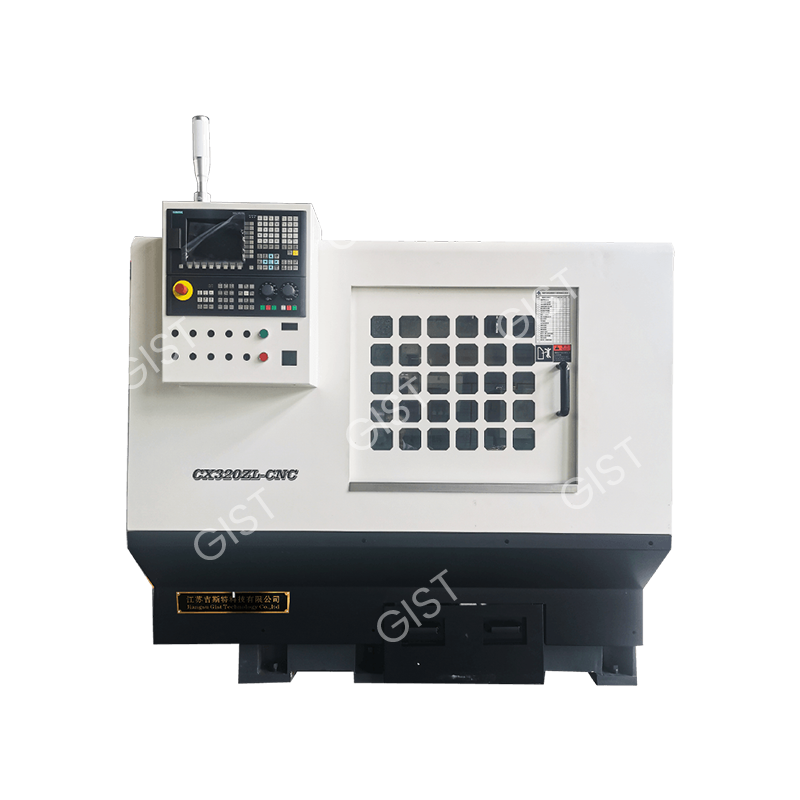
Category: CNC lathe Product Overview: The company has passed the certification of various systems such as ISO9001:2015 quality management system, ...
More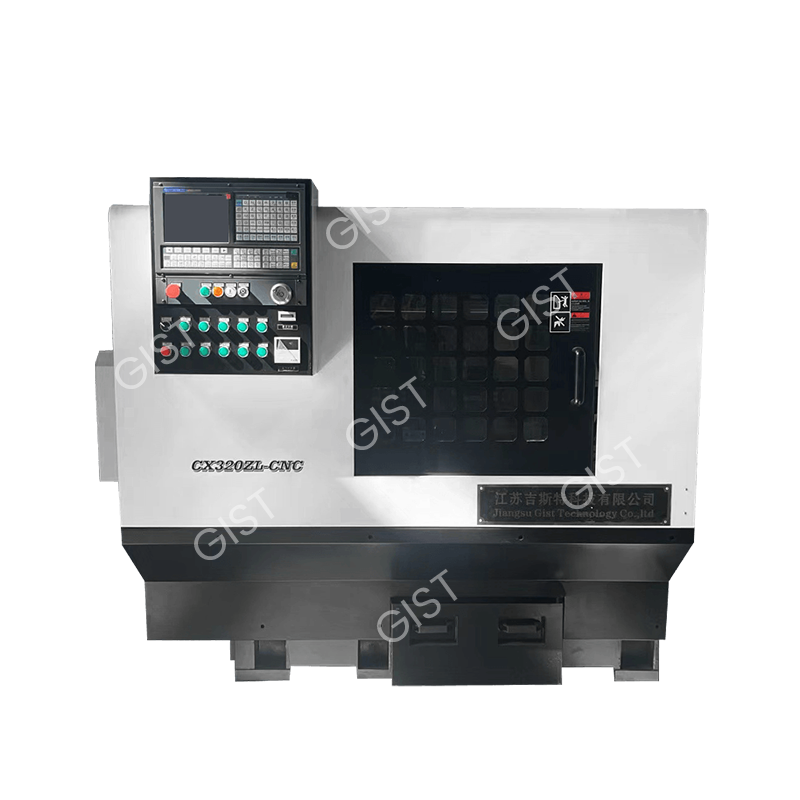
Category: CNC lathe Product Overview: The company has passed the certification of various systems such as ISO9001:2015 quality management system, ...
More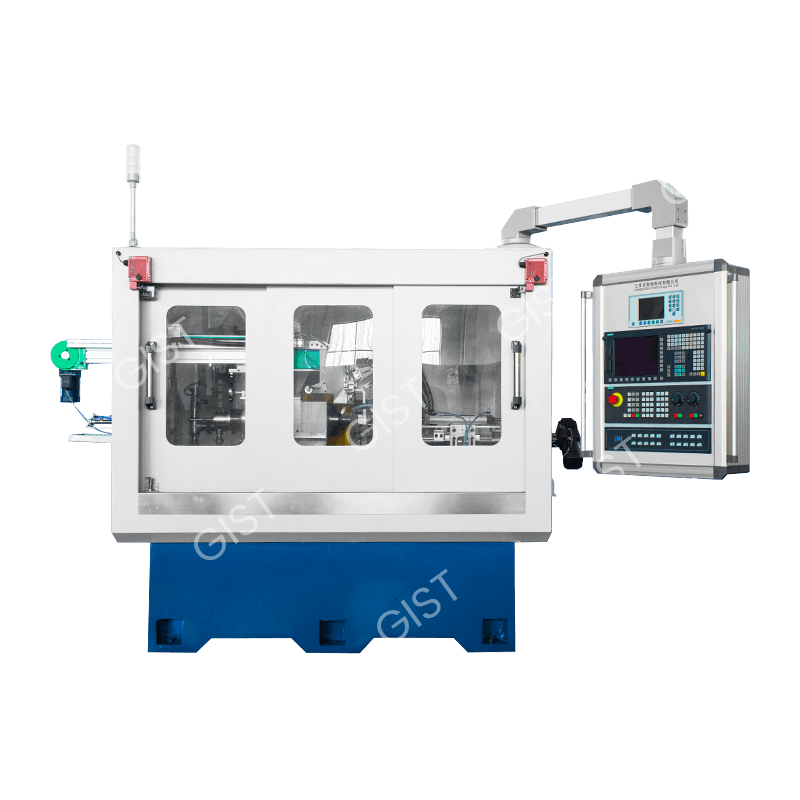
Category: Special valve CNC grinder Product Overview: The company has passed the certification of various systems such as ISO9001:2015 quality man...
More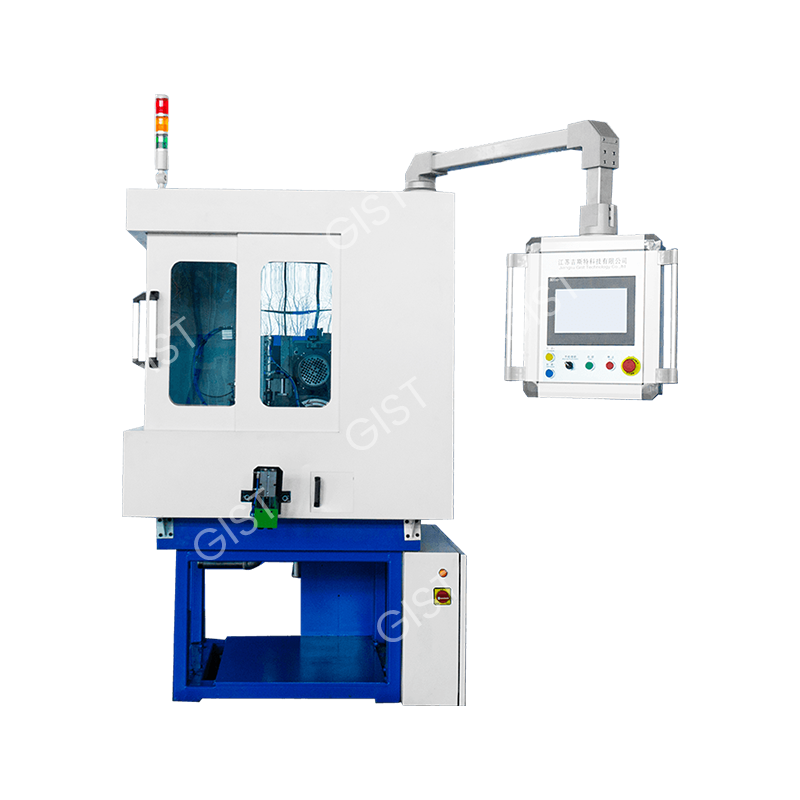
Category: Special valve CNC grinder Product Overview: The company has passed the certification of various systems such as ISO9001:2015 quality man...
More
Category: Valve blank molding equipment Product Overview: The company has passed the certification of various systems such as ISO9001:2015 quality...
More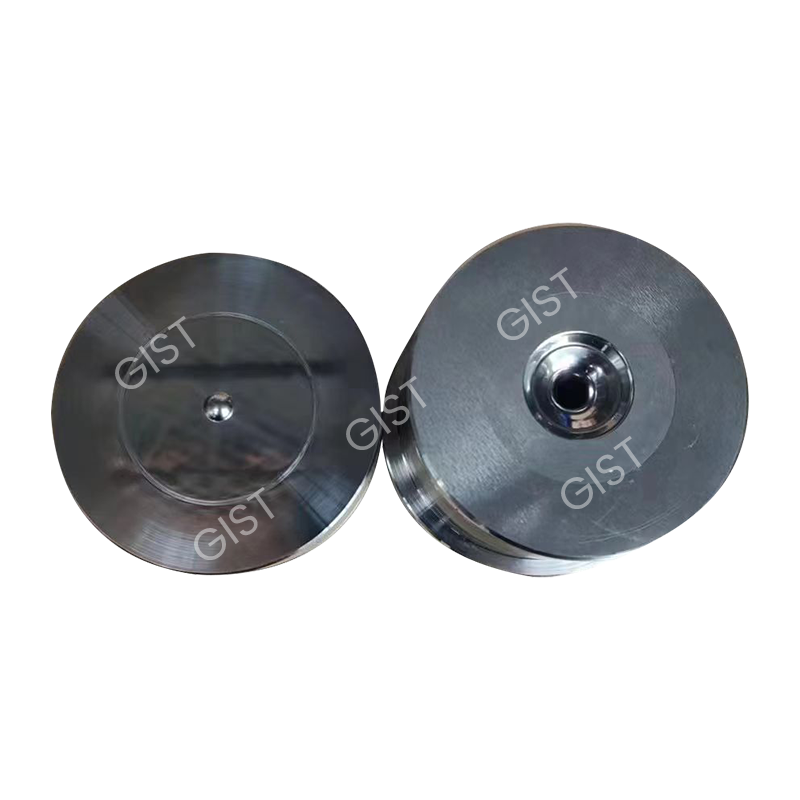
Category: Production auxiliary products Product Overview: The company has passed the certification of various systems such as ISO9001:2015 quality...
More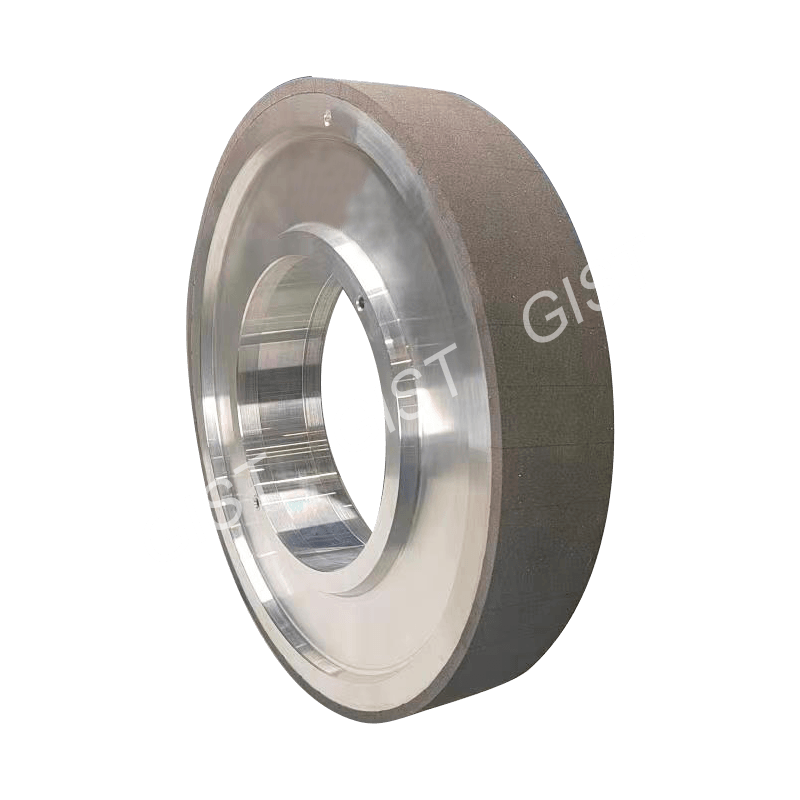
Category: Production auxiliary products Product Overview: The company has passed the certification of various systems such as ISO9001:2015 quality...
More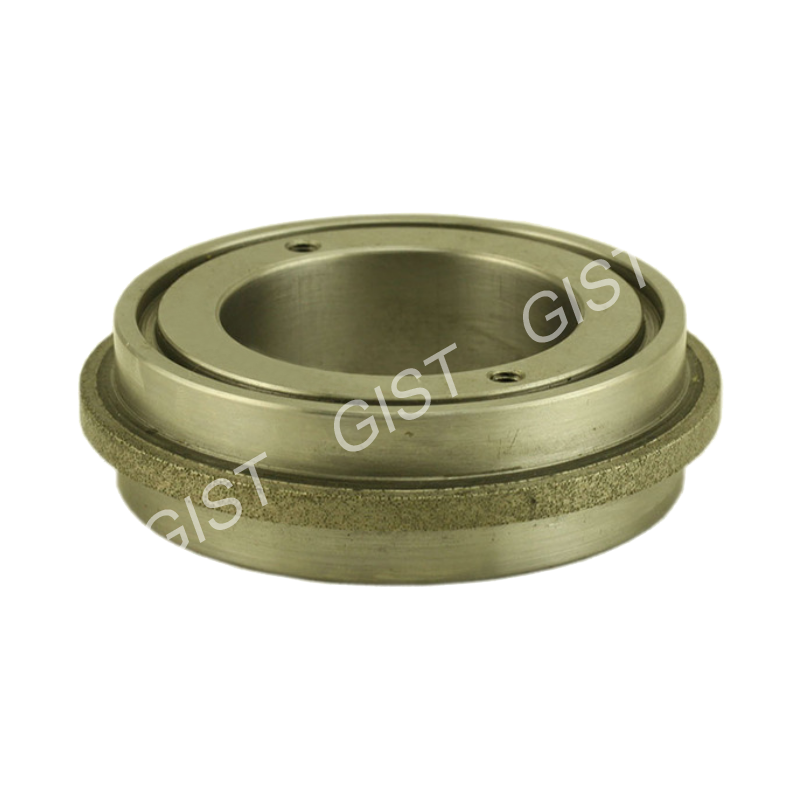
Category: Production auxiliary products Product Overview: The company has passed the certification of various systems such as ISO9001:2015 quality...
More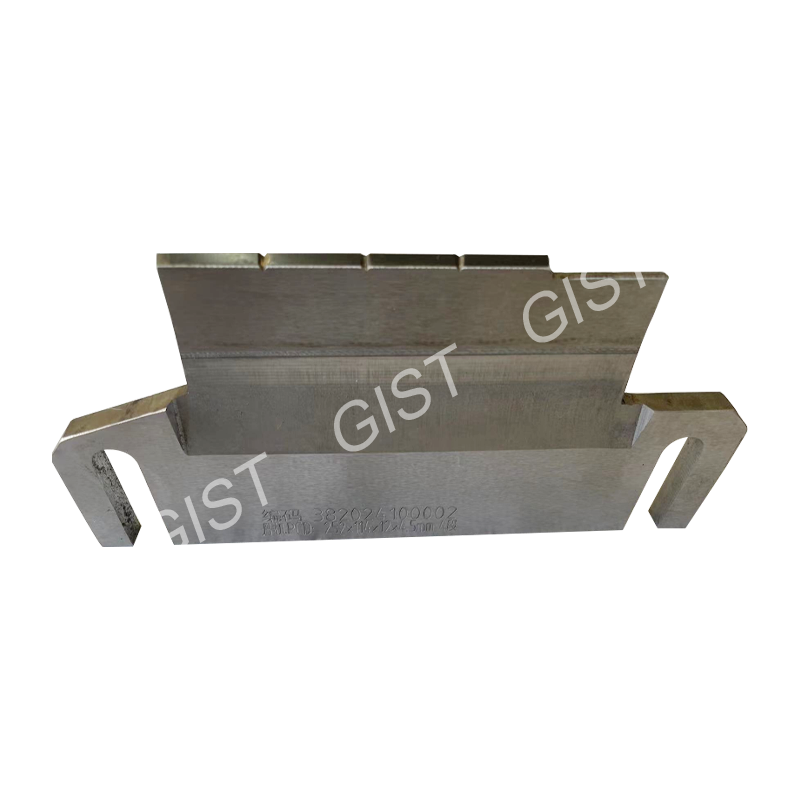
Category: Production auxiliary products Product Overview: The company has passed the certification of various systems such as ISO9001:2015 quality...
More
 86-13584767515
86-0515-89500828
 No. 1, Industrial Concentration Area, Wulie Town, Dongtai City, Jiangsu Province
Product