English
 中文简体
中文简体 русский
 Español
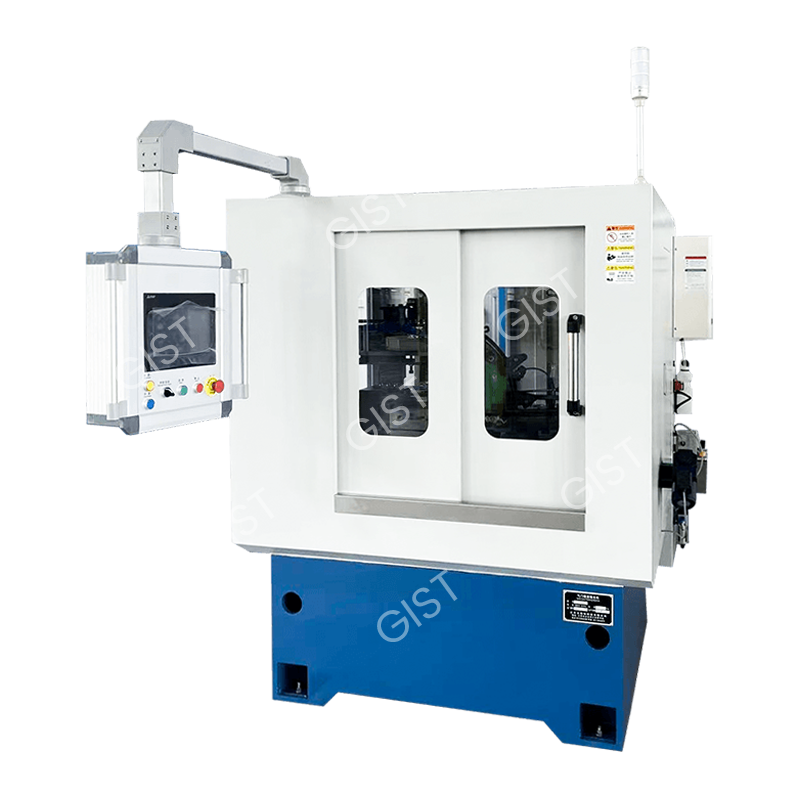
CNC Disk End Lathe
Cat:CNC Lathe
Category: CNC lathe Product Overview: The company has passed the certification of various systems such as ISO9001:2015 quality management system, ...
MoreContent
A dependable CNC valve grinding machine purchase decision comes down to four measurable factors: documented grinding accuracy and repeatability, spindle and wheel-dressing system quality, the responsiveness of the control system, and the manufacturer's certification and after-sales track record. Machines that perform well on all four factors together tend to hold tighter tolerances over longer production runs and require fewer unplanned service interruptions. The sections below walk through each factor with comparison charts and data so that procurement teams evaluating a valve grinding machine manufacturer can build a structured shortlist instead of comparing specification sheets in isolation.
This is particularly relevant for buyers sourcing equipment for engine valve seat and valve face finishing in locomotive, generator set, mining machinery, commercial vehicle, or marine engine component production, where seating accuracy directly affects sealing performance downstream.
Before comparing individual machine models, it helps to define the categories that experienced buyers use to filter a CNC valve grinding machine supplier list. Five areas are commonly weighed together: grinding precision, automation level, control system quality, certification coverage, and after-sales technical support. The radar chart below illustrates a general benchmark profile reflecting how these categories are typically prioritized during a supplier audit.
This chart plots a general benchmark shape rather than the exact score of any single machine, and it is meant to communicate relative emphasis rather than a precise percentage. Grinding precision sits at the outermost point because it is the factor most directly tied to whether finished valves meet sealing tolerance requirements. Certification coverage and after-sales support are close behind, since both influence how consistently a machine performs after it leaves the factory floor. Automation level and control system quality round out the profile, reflecting how much operator skill is required to achieve repeatable results on a CNC valve grinding machine.
Certification is one of the fastest ways to narrow a long list of grinding equipment factories down to a workable shortlist. Beyond product-level accuracy tests, buyers should also check the manufacturer's management system certifications, since these indicate whether quality control is embedded into daily production rather than applied only at final inspection.
| Certification / Recognition | Coverage Area | Why It Matters |
|---|---|---|
| ISO 9001:2015 | Quality management system | Confirms a documented, repeatable manufacturing process |
| ISO 14001:2015 | Environmental management system | Indicates structured handling of coolant, swarf, and waste materials |
| ISO 45001:2018 | Occupational health and safety management | Reflects factory-level safety process discipline |
| National High-Tech Enterprise Status | R&D and technology capability recognition | Suggests ongoing investment in engineering and product development |
| Invention and Utility Model Patents | Proprietary mechanical and control design elements | Points to original engineering rather than unmodified duplication |
It is reasonable to ask for copies of current certificates along with the scope statement attached to each one, since certification scope can apply to an entire facility or only to a specific product line. A manufacturer willing to share this documentation alongside patent records typically has a more transparent quality culture to work with over a long-term relationship.
Achievable tolerance is one of the clearest ways to differentiate machine categories. As automation and axis control increase, the achievable dimensional tolerance generally narrows, which directly affects how consistently valve seat angles and valve face runout can be held across a production batch.
These tolerance ranges are illustrative and will vary by machine model, wheel condition, and workpiece rigidity, but the relative pattern is consistent across the category. Manual grinding depends heavily on operator technique, which introduces batch-to-batch variation even from a skilled machinist. Semi-automatic CNC systems reduce this variation considerably by controlling feed rate and dwell time programmatically, while full CNC multi-axis platforms extend precision further through closed-loop position feedback and automated wheel compensation. For engine components where valve seat angle accuracy affects long-term sealing performance, this difference in achievable tolerance is often the deciding factor when comparing a CNC valve grinding machine supplier against a manual or semi-automatic alternative.
Buyers comparing a semi-automatic CNC valve grinding machine against a full CNC multi-axis platform generally want to know whether the added automation translates into measurable production benefits, or only additional programming complexity. In most cases, full CNC multi-axis platforms score higher across cycle time efficiency, repeatability, and overall automation level, though semi-automatic systems remain a workable option for lower-volume or mixed-batch production.
Each bar represents a relative performance index out of 100, built from commonly reported operating characteristics rather than a single tested unit. The repeatability gap is typically the widest of the three metrics, since full CNC multi-axis systems rely less on operator intervention between cycles and more on programmed compensation routines. Cycle time efficiency also improves with full automation, largely because part loading, positioning, and wheel dressing can be sequenced without manual resets. For an OEM valve grinding machine program producing valves across multiple engine platforms, this repeatability advantage often matters more than raw cycle speed alone.
Customization capability is often what separates a standard catalog machine from a true OEM valve grinding machine partner capable of adapting tooling to a customer's specific valve geometry. A factory with genuine engineering capacity can typically support the following without a full platform redesign:
Jiangsu Gist Technology Co., Ltd. is one example of a manufacturer structured around this kind of engineering flexibility. Based in Dongtai City, the company operates a facility covering more than 11,000 square meters and focuses on complete machine automation equipment, integrating development, design, production, manufacturing, sales, and after-sales service under one operation. Its technical team has produced more than 10 invention patents and over 100 utility models, and the company has supplied equipment used in engine component production for locomotives, generator sets, mining machinery, commercial vehicles, and marine applications, including long-term cooperation with international engine component manufacturers such as MAHLE and EATON. This kind of concentrated focus on complete valve grinding automation, paired with documented customization history, tends to support more predictable engineering turnaround for OEM partners with non-standard valve geometries.
Grinding wheel condition directly affects dimensional consistency over a production run, since a worn or glazed wheel gradually loses its cutting geometry. Understanding how dimensional deviation typically drifts across a grinding cycle count helps buyers plan a realistic wheel dressing and replacement schedule rather than reacting only after a quality issue appears.
This line chart shows an illustrative, gradually accelerating deviation curve rather than measured data from a specific wheel or material. Early in a wheel's service life, dimensional drift tends to increase slowly, since the abrasive grain structure is still relatively sharp and self-sheds cleanly. As cycle count increases, wear tends to accelerate, which is why many production teams schedule a dressing pass or wheel change at a fixed interval rather than waiting for visible quality drift. Tracking this kind of curve over time also helps a valve grinding machine factory tune its own maintenance recommendations to the specific abrasive type and workpiece material being processed.
CNC valve grinding equipment is used across a fairly broad range of engine component manufacturing segments, and understanding this distribution can help buyers gauge whether a supplier's experience matches their own application.
This distribution is illustrative and intended to represent a general pattern across the industry rather than the exact order book of any single factory. Commercial vehicle engine production tends to represent the largest share of demand for valve grinding equipment, largely due to higher production volumes compared to marine or locomotive applications. Generator sets and rail applications typically call for slightly larger valve geometries, which can influence chuck and fixture design requirements. Buyers evaluating an industrial grinding machine supplier for a specific application should ask directly whether the manufacturer has prior tooling experience with a comparable valve size and material rather than assuming general capability applies equally across all segments.
The table below consolidates the three machine categories referenced earlier into a single quick-reference comparison for procurement discussions.
| Machine Type | Typical Tolerance | Common Application |
|---|---|---|
| Manual Grinding | About ±15 to 20 microns | Repair shops and low-volume rework |
| Semi-Automatic CNC | About ±5 to 8 microns | Mixed-batch production with moderate volume |
| Full CNC Multi-Axis | About ±1 to 3 microns | High-volume engine component manufacturing |
Once certification, accuracy data, and customization capability have been reviewed, the following checklist can help structure a final evaluation before selecting a CNC valve grinding machine supplier:
Working through this checklist systematically, rather than comparing specification sheets alone, tends to surface the practical operating details that matter once the machine is running in daily production.
|
Q1: What is a CNC valve grinding machine used for? It is used to finish valve seat angles and valve face surfaces to precise dimensional and geometric tolerances, which directly affects how well a valve seals against its seat during engine operation. Applications commonly include locomotive, generator set, mining machinery, commercial vehicle, and marine engine components. |
Q2: How does a CNC valve grinding machine work? The machine holds the valve in a precision chuck or fixture while a controlled abrasive wheel removes material along a programmed path to achieve the specified seat angle and face geometry. Closed-loop control systems on full CNC models continuously adjust feed and position to maintain consistency across a batch. |
|
Q3: What types of valves can be ground on this equipment? Most CNC valve grinding platforms can process intake and exhaust valves across a range of stem diameters and head sizes, provided the correct fixture is used. Custom chuck design extends this range further to accommodate non-standard valve geometries for specific engine platforms. |
Q4: How accurate is CNC valve grinding compared to manual methods? As shown in the tolerance comparison earlier in this guide, full CNC multi-axis grinding typically achieves a considerably tighter tolerance range than manual grinding, largely because feed rate and dwell time are controlled programmatically rather than by hand. This translates into more consistent results across a production batch. |
|
Q5: What materials can a valve grinding machine process? Common materials include various grades of alloy steel, stainless steel, and hardened valve materials used in intake and exhaust valve production. The appropriate abrasive wheel type is typically selected based on the specific hardness and composition of the material being ground. |
Q6: How long does a grinding wheel typically last before replacement? Wheel life depends on abrasive type, workpiece material, and cycle count, with dimensional drift generally accelerating as the wheel accumulates wear, as illustrated in the maintenance data chart above. Most production teams schedule periodic dressing and set a defined cycle-count replacement interval rather than waiting for visible quality issues. |
|
Q7: What is the difference between grinding and lapping a valve seat? Grinding removes material with a rotating abrasive wheel to correct seat angle, runout, and surface geometry, while lapping is a finer, typically manual finishing step that polishes the mating surfaces together for final sealing contact. Grinding is generally used to establish the primary geometry, with lapping sometimes applied afterward for additional surface refinement. |
Q8: How does valve grinding improve sealing performance? Precise seat angle and face geometry ensure even contact pressure around the full circumference of the valve, which reduces leakage paths and supports consistent compression. Tighter, more repeatable tolerances from CNC grinding generally translate into more uniform sealing performance across an entire production batch. |
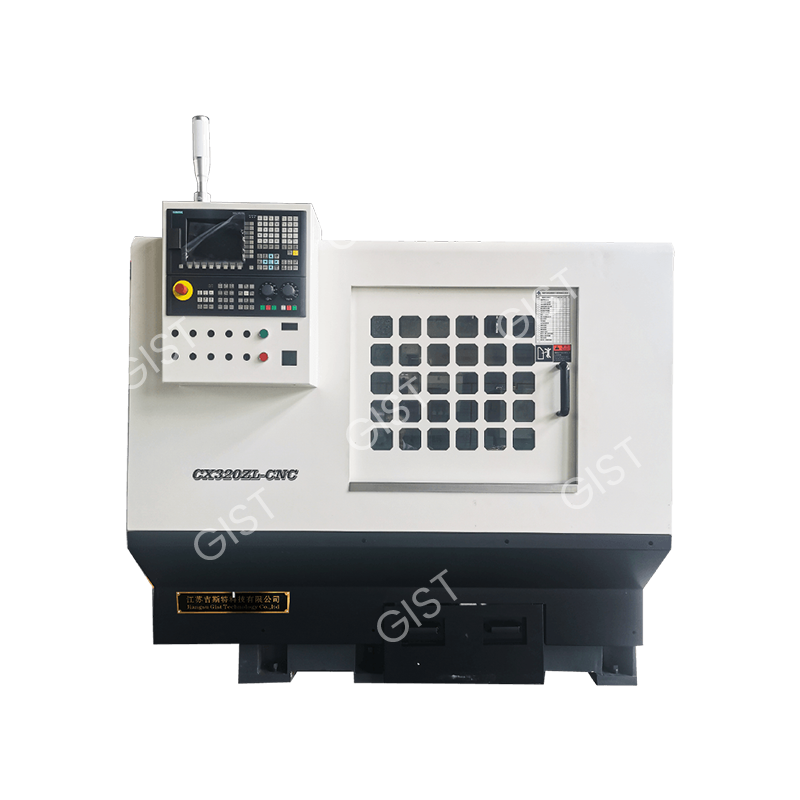
Category: CNC lathe Product Overview: The company has passed the certification of various systems such as ISO9001:2015 quality management system, ...
More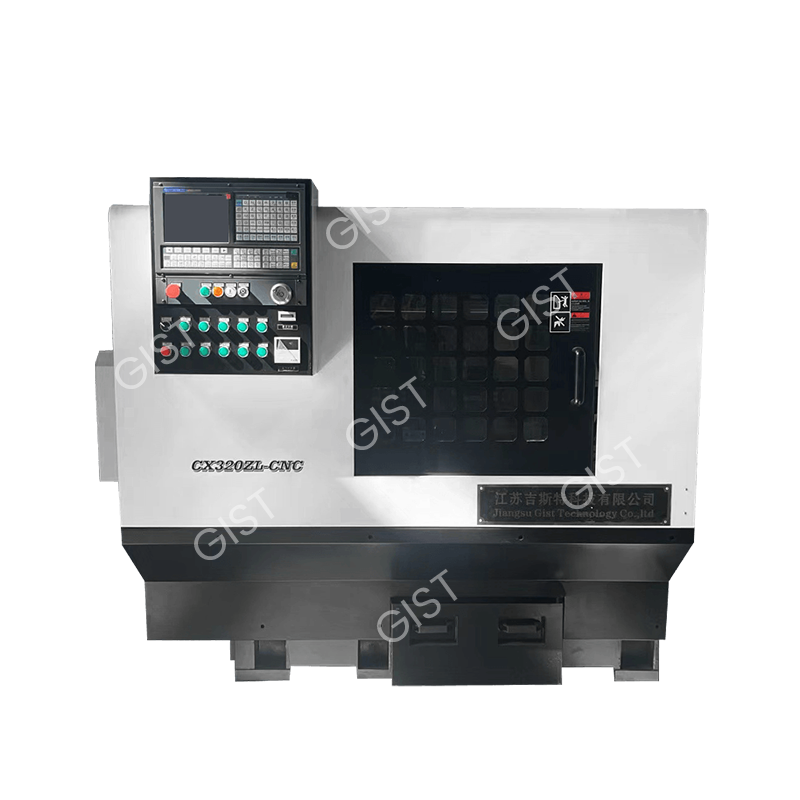
Category: CNC lathe Product Overview: The company has passed the certification of various systems such as ISO9001:2015 quality management system, ...
More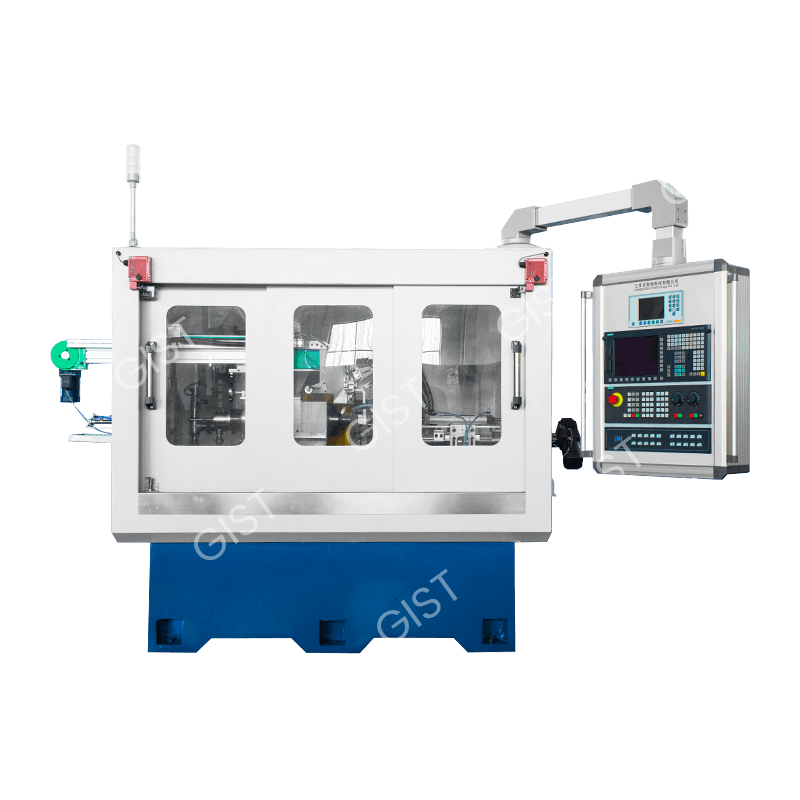
Category: Special valve CNC grinder Product Overview: The company has passed the certification of various systems such as ISO9001:2015 quality man...
More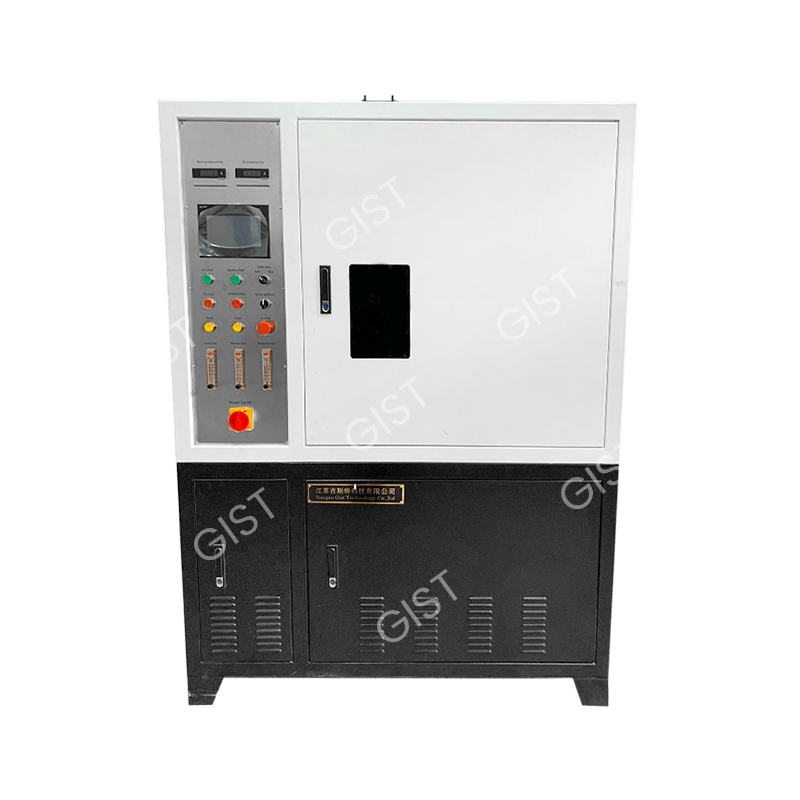
Category: Plasma welding equipment Product Overview: The company has passed the certification of various systems such as ISO9001:2015 quality mana...
More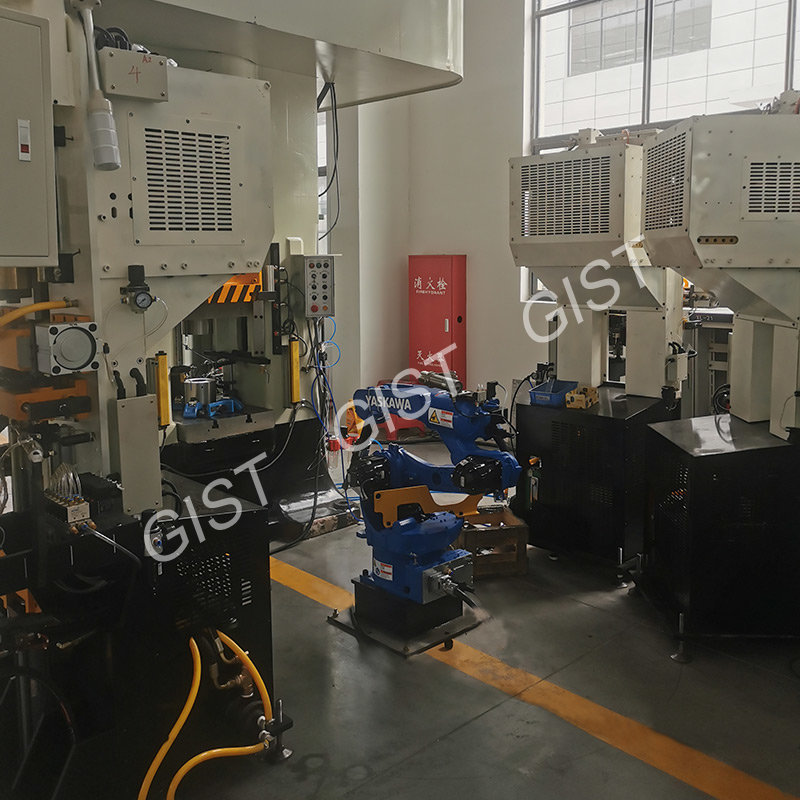
Category: Valve blank molding equipment Product Overview: The company has passed the certification of various systems such as ISO9001:2015 quality...
More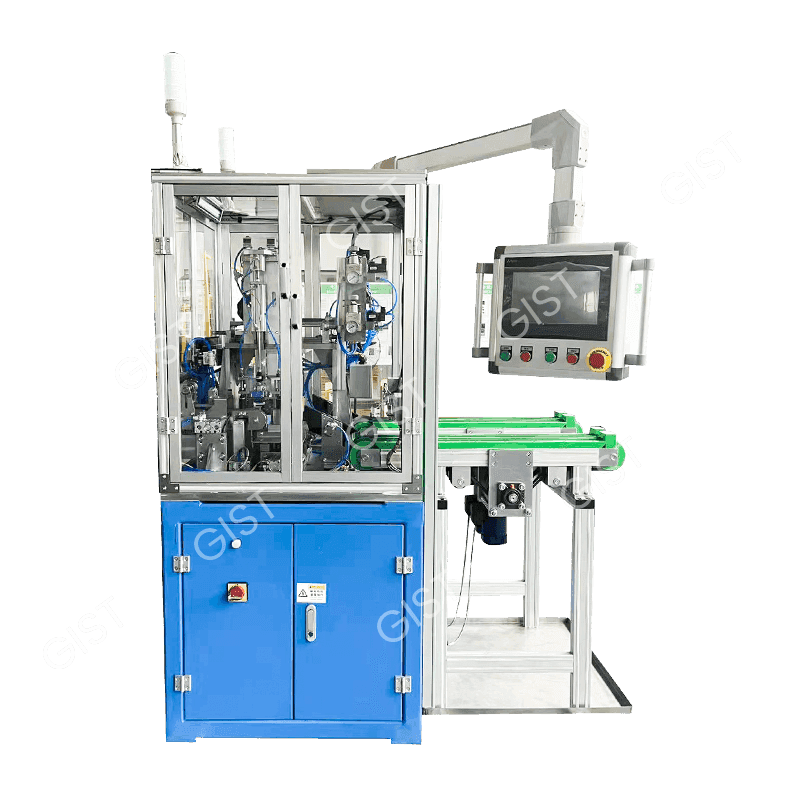
Category: Finished product testing equipment Product Overview: The company has passed the certification of various systems such as ISO9001:2015 qu...
More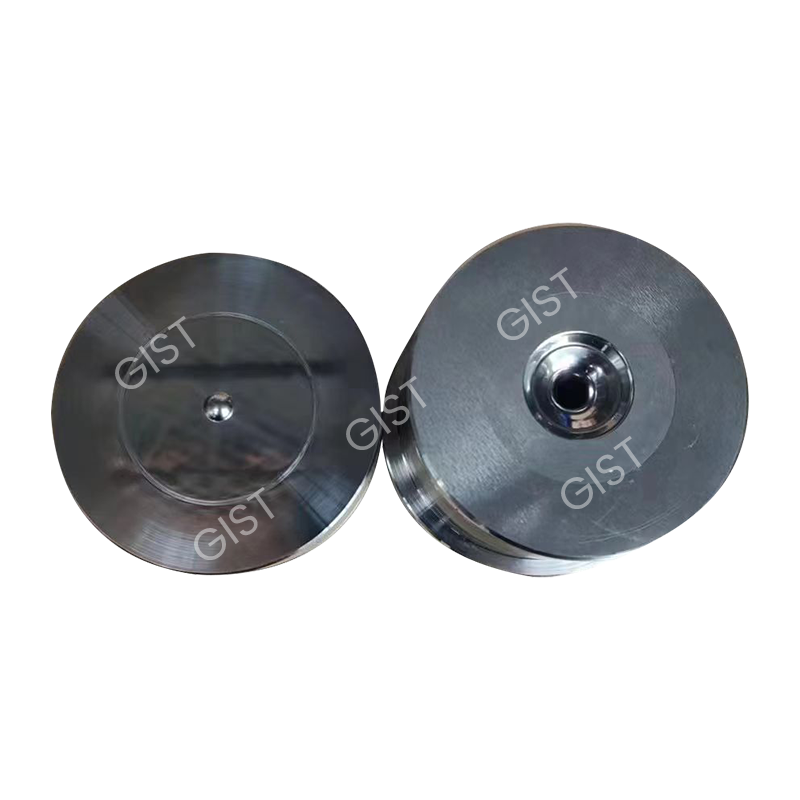
Category: Production auxiliary products Product Overview: The company has passed the certification of various systems such as ISO9001:2015 quality...
More
Category: Production auxiliary products Product Overview: The company has passed the certification of various systems such as ISO9001:2015 quality...
More
Category: Production auxiliary products Product Overview: The company has passed the certification of various systems such as ISO9001:2015 quality...
More
 86-13584767515
86-0515-89500828
 No. 1, Industrial Concentration Area, Wulie Town, Dongtai City, Jiangsu Province
Product