English
 中文简体
中文简体 русский
 Español
Direct Answer: What Defines a Reliable CNC Valve Grinding Machine A CNC Valve Grinding Machine earns its place on a production floor when it can hold a consistent valve seat angle......
Read More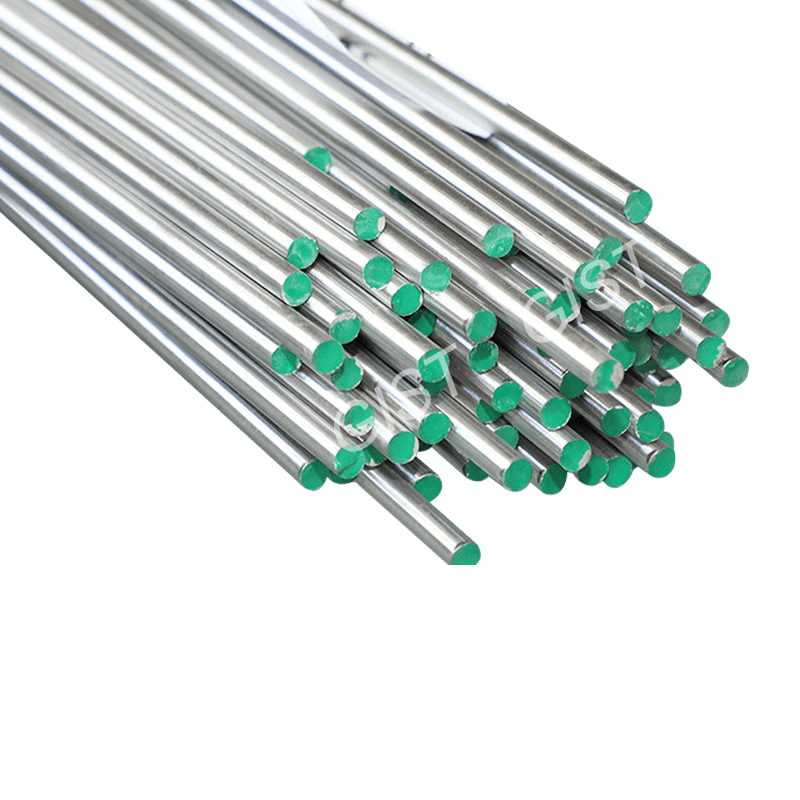

Direct Answer: What Defines a Reliable CNC Valve Grinding Machine A CNC Valve Grinding Machine earns its place on a production floor when it can hold a consistent valve seat angle......
Read MoreWhat Is a CNC Valve Grinding Machine? Complete Guide for Manufacturers The direct answer: A CNC valve grinding machine is a computer-controlled precision machine tool designed sp......
Read MoreWhy a Structured Question List Matters When Sourcing Valve Grinding Equipment Selecting a CNC Valve Grinding Machine is a decision that affects production output, part consistency......
Read MoreThe Direct Answer: What to Prioritize When Purchasing a CNC Valve Grinding Machine A dependable CNC valve grinding machine purchase decision comes down to four measurable factors:......
Read MoreA centerless grinding machine is a type of cylindrical grinding equipment that holds the workpiece between a grinding wheel and a regulating wheel — without the need for centers o......
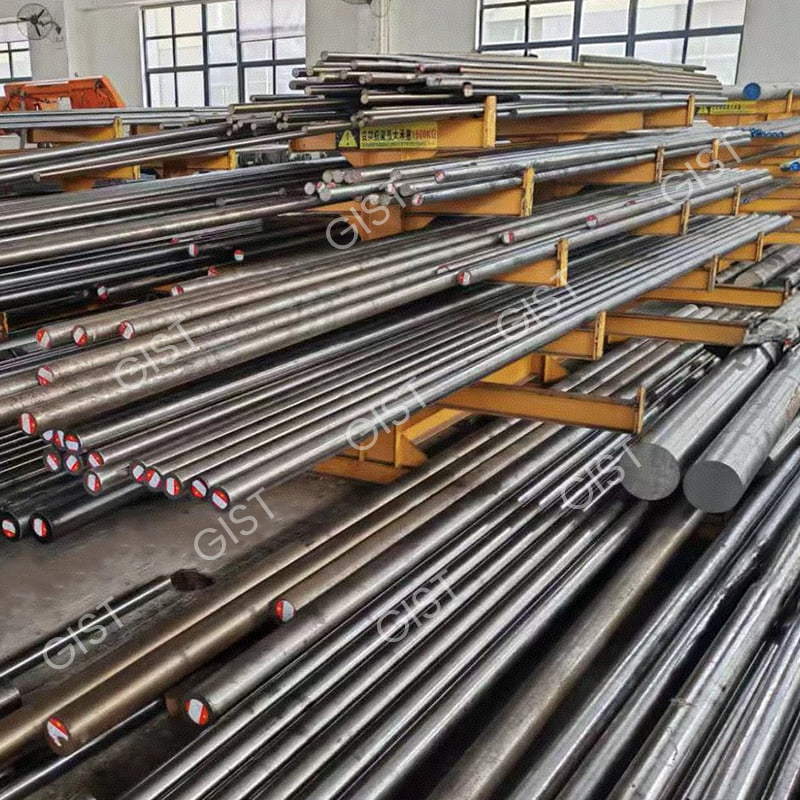
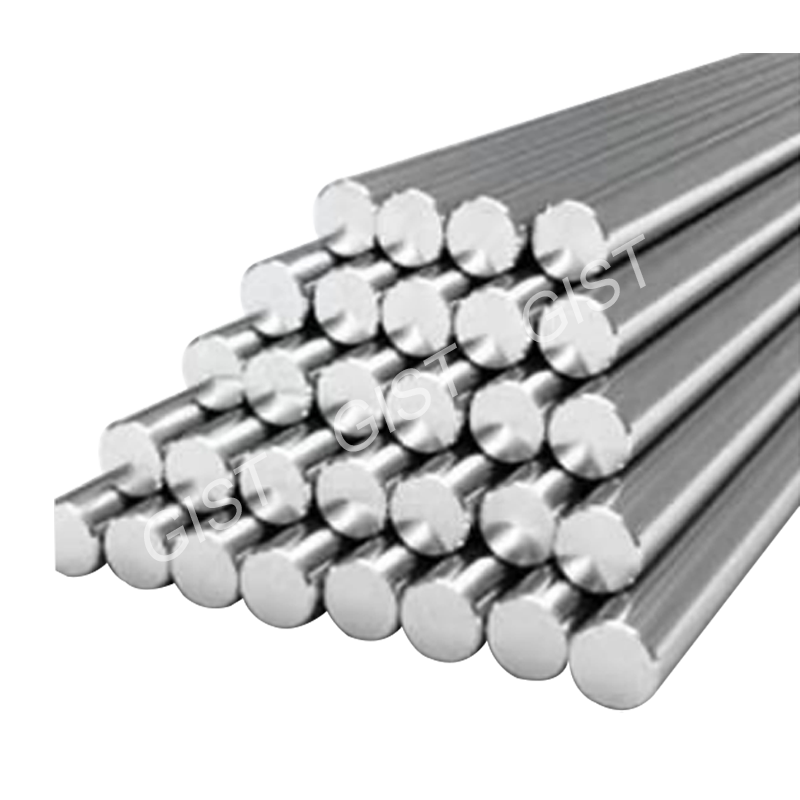
Read MoreSpecial steels are steel materials that achieve exceptional physical, chemical, or mechanical properties through precise chemical composition design, advanced smelting processes, and rigorous heat treatment techniques. Compared to traditional carbon steels, they offer superior strength, wear resistance, corrosion resistance, and high-temperature performance, making them core materials for high-end manufacturing industries such as aerospace, energy equipment, and precision tools.
Special Steel Production Process
Special Metallurgical Technologies: Vacuum Induction Melting (VIM) + Electroslag Remelting (ESR) to reduce inclusions.
Microstructure Control: Maraging steels (such as 17-4PH) precipitate nanoscale strengthening phases through age hardening.
Surface Modification Technologies: Nitriding and PVD coatings further enhance surface hardness and wear resistance.
Main Functions of Specialty Steels
Through microalloying (such as adding Nb and V) and heat treatment, tensile strength can reach 1500-2000 MPa (3-5 times that of ordinary carbon steel). This material is used in automotive chassis and aerospace structural components, achieving a 20%-40% weight reduction.
Wear Resistance and Long Life
High-carbon, high-chromium tool steels (such as SKD11) achieve a hardness of HRC62, extending mold life by 5-8 times. Bearing steel (GCr15) boasts a contact fatigue life exceeding 100 million cycles.
316L stainless steel offers three times greater corrosion resistance than 304 steel in chloride-containing media and is used in seawater desalination pipelines. Duplex steel 2205 resists stress corrosion cracking.
Heat-resistant steel exhibits oxidation resistance 100 times greater than that of ordinary steel at 900°C and is used in boiler burners. Nickel-based alloys (Inconel 718) maintain high strength at 650°C. Nuclear-grade stainless steel has a small neutron absorption cross-section and is a key material for reactor pressure vessels.
Automotive Industry:
High-strength steel reduces vehicle weight by 15% without compromising safety;
Nitrided gear steel extends the life of gearboxes to 300,000 kilometers.
Energy Equipment:
P92 steel for ultra-supercritical power plants, with a pressure resistance of 31 MPa at 630°C;
42CrMo4 for wind turbine bearings, with a fatigue strength exceeding 1200 MPa.
Medical Devices:
316LVM (vacuum melted) stainless steel is used in orthopedic implants, offering excellent biocompatibility.

 86-13584767515
86-0515-89500828
 No. 1, Industrial Concentration Area, Wulie Town, Dongtai City, Jiangsu Province
Product