English
 中文简体
中文简体 русский
 Español
CNC Arc Lathe
Cat:CNC Lathe
Category: CNC lathe Product Overview: The company has passed the certification of various systems such as ISO9001:2015 quality management system, ...
MoreContent
The short answer is yes. When properly configured, a Centerless Grinding Machine can achieve surface roughness values (Ra) as low as 0.2–0.4 µm, representing a 40–60% improvement over conventional cylindrical grinding, which typically yields Ra values of 0.6–1.6 µm. This improvement is not theoretical — it has been validated across industries including automotive valve manufacturing, bearing production, and precision shaft machining.
The key factors driving this improvement include continuous workpiece support (eliminating deflection), higher rotational speeds, and automated feed control. With a modern CNC Centerless Grinder, these parameters can be programmed with micron-level precision, making consistent 40%+ surface finish gains achievable in production environments — not just in labs.
Unlike conventional cylindrical grinding, where the workpiece is held between centers, centerless grinding supports the workpiece on a blade and a regulating wheel while the grinding wheel removes material. This three-point support system eliminates the runout and vibration that are the primary causes of poor surface finish in other methods.
In Precision Centerless Grinding, the grinding mode selection matters significantly:
Manual centerless grinding depends heavily on operator skill and is subject to variability from shift to shift. A CNC Centerless Grinder eliminates this variability through closed-loop feedback, servo-driven axes, and programmable dress cycles that maintain wheel sharpness automatically.
| Parameter | Manual Centerless | CNC Centerless Grinder |
|---|---|---|
| Surface Roughness (Ra) | 0.6–1.2 µm | 0.2–0.4 µm |
| Dimensional Tolerance | ±0.01 mm | ±0.002 mm |
| Roundness | 3–5 µm | 0.5–1.5 µm |
| Setup Time (changeover) | 60–120 min | 10–20 min |
| Cpk (Process Capability) | 0.9–1.1 | 1.5–2.0 |
The Cpk improvement alone justifies the investment in CNC automation for any part requiring consistent surface quality at scale — particularly when supplying tier-1 automotive or industrial customers with strict incoming quality requirements.
Understanding which parameters to adjust — and in what order — is the practical key to achieving a 40% or greater improvement in surface finish. Below are the seven variables with the most measurable impact:
Achieving a 40% surface finish improvement on one part is a setup problem. Sustaining that improvement across 10,000+ parts per shift is a manufacturing problem — and it requires automation. An Automatic Centerless Grinding Machine integrates loading, grinding, gauging, and feedback in a single loop, removing human variability entirely.
Precision Centerless Grinding is the dominant finishing method for any high-volume cylindrical component where surface integrity directly affects product performance.
| Industry | Typical Part | Target Ra (µm) | Grinding Mode |
|---|---|---|---|
| Automotive | Engine valve stem | 0.2–0.4 | Infeed / Through-feed |
| Bearings | Inner / outer ring OD | 0.1–0.3 | Through-feed |
| Hydraulics | Piston rod | 0.2–0.6 | Through-feed |
| Power Generation | Generator shaft | 0.4–0.8 | Infeed |
| Mining Machinery | Drill shank, cylinder pin | 0.6–1.2 | Through-feed |
Among these, engine valve stems represent one of the most demanding applications — requiring a tight diameter tolerance of ±0.003 mm and surface finish of Ra ≤ 0.4 µm, which only centerless grinding can achieve efficiently at production volumes above 50,000 pieces per day.
Even well-configured machines can produce surface defects. Knowing the root cause of each defect pattern cuts diagnostic time from hours to minutes.
Cause: Resonance between the grinding wheel, workpiece, and regulating wheel — often triggered by an out-of-round wheel or worn spindle bearings. Fix: Re-dress the grinding wheel, check spindle bearing preload, and adjust the blade angle (typically 30° for finish work). Reducing regulating wheel speed by 10–15% often eliminates chatter immediately.
Cause: Through-feed angle too steep, causing the workpiece to rotate too fast relative to wheel contact. Fix: Reduce the regulating wheel tilt angle from the typical 2–4° range toward 1–1.5° for fine finish work.
Cause: Grinding wheel face not parallel to the workpiece axis, or uneven wheel wear. Fix: Re-dress with a straight traverse pass and verify parallelism with a precision indicator. On a CNC Centerless Grinder, check the CNC dressing path for axis alignment errors.
Cause: Excessive grinding temperature from aggressive infeed, dull wheel, or insufficient coolant. Burn can increase Ra by 30–50% in the affected zone. Fix: Reduce infeed rate, increase dressing frequency, and verify coolant flow is directed into the grinding arc.
Not all centerless grinding machines are designed to the same rigidity and thermal stability standards. For applications where surface finish is the primary quality criterion, the following specifications deserve close attention:
Q1. What is the typical surface roughness achievable with a Centerless Grinding Machine?
In production conditions, a well-configured centerless grinding machine achieves Ra values of 0.2–0.8 µm. For fine finishing with infeed mode and optimized wheel selection, Ra below 0.3 µm is achievable on hardened steel and carbide parts.
Q2. How does a CNC Centerless Grinder improve consistency compared to a manual machine?
A CNC Centerless Grinder eliminates operator variability by using servo-controlled axes, programmatic dressing cycles, and optional in-process gauging. This typically improves process capability (Cpk) from 0.9–1.1 on manual machines to 1.5–2.0 on CNC machines.
Q3. What materials can be processed on an Automatic Centerless Grinding Machine?
Centerless grinding is suitable for hardened steel (up to 65 HRC), stainless steel, carbide, ceramics, aluminum, and titanium. CBN wheels are preferred for hardened steels, while conventional aluminum oxide suits softer materials.
Q4. What is the difference between through-feed and infeed centerless grinding?
Through-feed grinding passes the workpiece axially through the machine and is best for long, uniform cylinders at high volume. Infeed (plunge) grinding keeps the part stationary — used for parts with shoulders, tapers, or when a finer surface finish below Ra 0.4 µm is required.
Q5. How often should the grinding wheel be dressed in Precision Centerless Grinding?
For hardened steel valve stems, dressing every 200–400 parts is common. CNC machines with in-process gauging can trigger automatic dressing when measured diameter or surface quality drifts beyond a preset threshold.
Q6. Can centerless grinding be used for non-round or eccentric parts?
Standard centerless grinding is optimized for round cylindrical parts. With specialized fixtures and CNC-controlled regulating wheel profiles, some multi-diameter parts can be processed using infeed mode. True non-round parts typically require dedicated specialized grinding equipment.
Formerly known as Dongtai Weifeng Machinery Factory (established 2012), Jiangsu Gist Technology Co., Ltd. was incorporated in April 2020. Our facility is located at No. 1, Industrial Concentration Zone, Wulie Town, Dongtai City, Jiangsu Province — covering 22 mu of land with over 11,000 m² of factory space and a total investment of 100 million RMB. Construction was completed in early 2022.
As a professional China Centerless Grinding Machine supplier and manufacturer, our high-end intelligent automation equipment serves core engine components in locomotives, generator sets, mining machinery, commercial vehicles, and marine applications. We maintain long-term cooperation with global industry leaders including Germany MAHLE and USA EATON, and have entered their global procurement systems.
Domestically, we have established close partnerships with leading engine valve manufacturers including Chongqing Sanai Hailing Industrial Co., Ltd., Jinan Ward Auto Parts Co., Ltd., and Huaiji Lunar Valve Co., Ltd. Our equipment has been exported to more than 20 countries and regions, including Germany, Japan, Turkey, and Iran.
The company holds more than 10 invention patents and over 100 utility model patents. We were recognized as a National High-Tech Enterprise in 2022 and a Specialized and Innovative Enterprise in 2024. We have passed ISO 9001:2015, ISO 14001:2015, and ISO 45001:2018 system certifications.
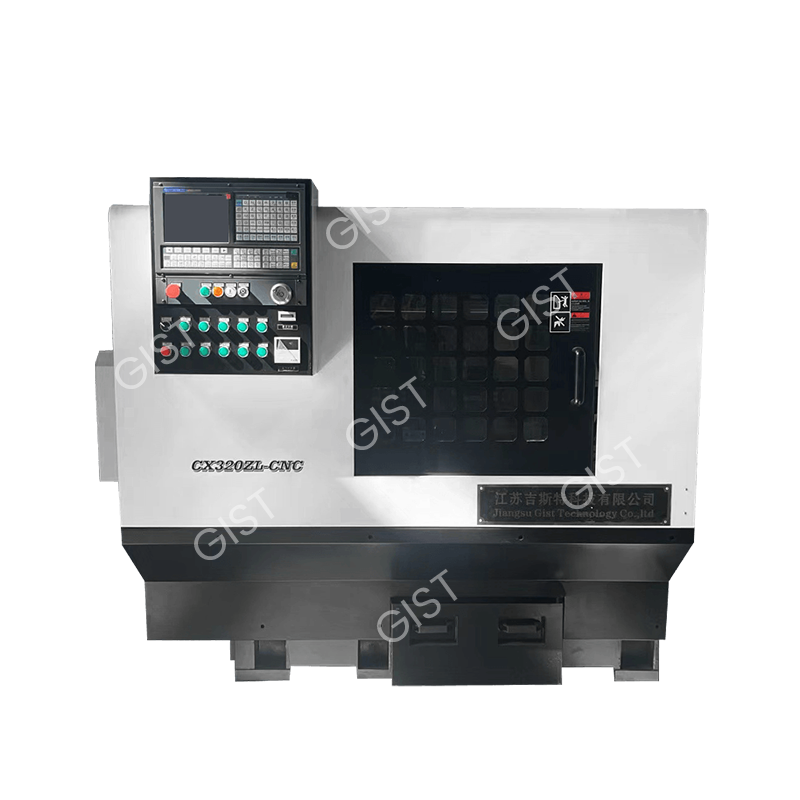
Category: CNC lathe Product Overview: The company has passed the certification of various systems such as ISO9001:2015 quality management system, ...
More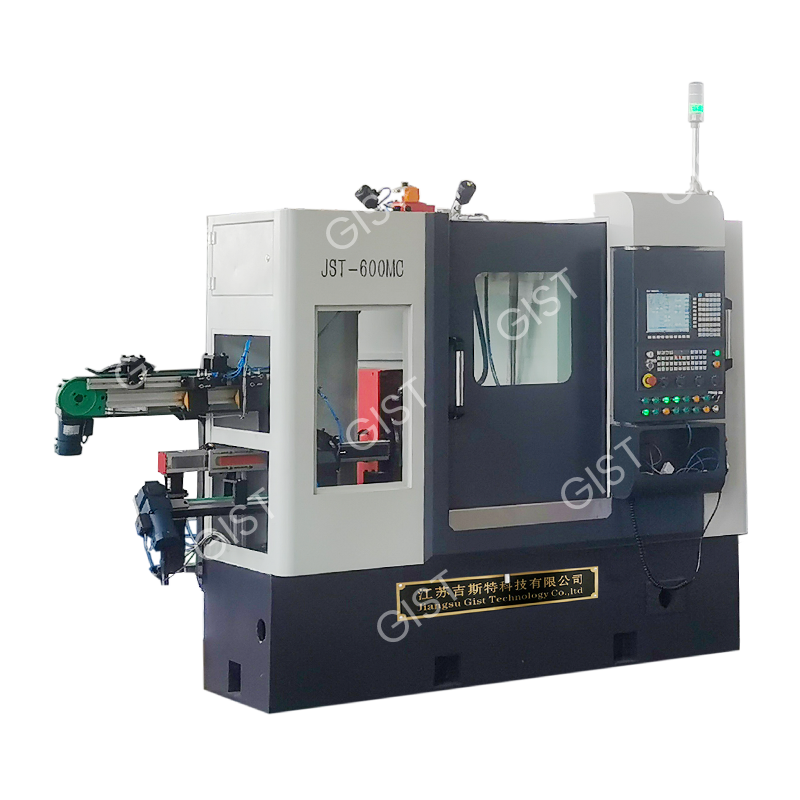
Category: Special valve CNC grinder Product Overview: The company has passed the certification of various systems such as ISO9001:2015 quality man...
More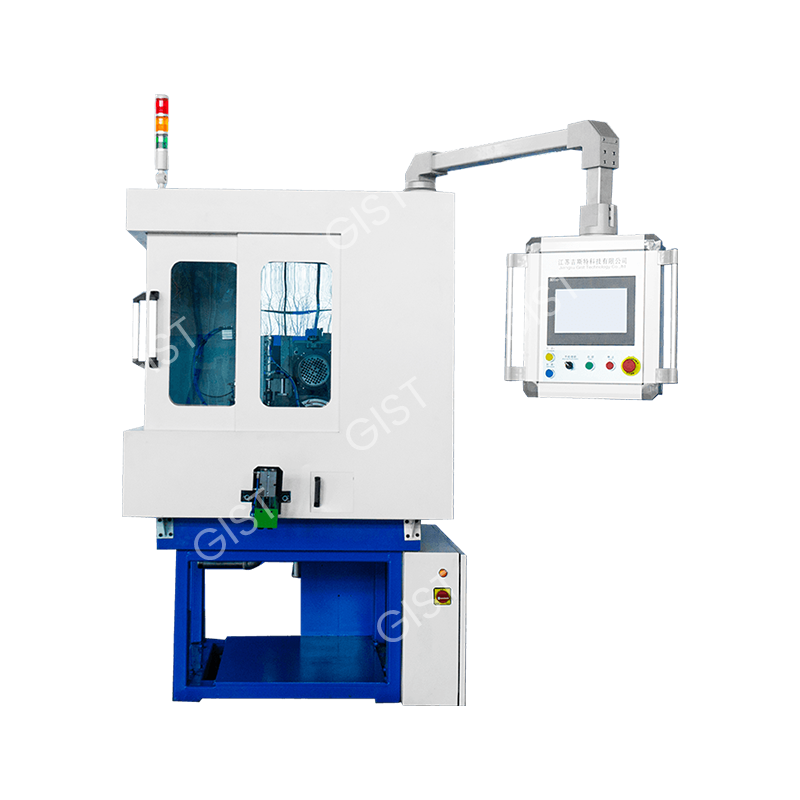
Category: Special valve CNC grinder Product Overview: The company has passed the certification of various systems such as ISO9001:2015 quality man...
More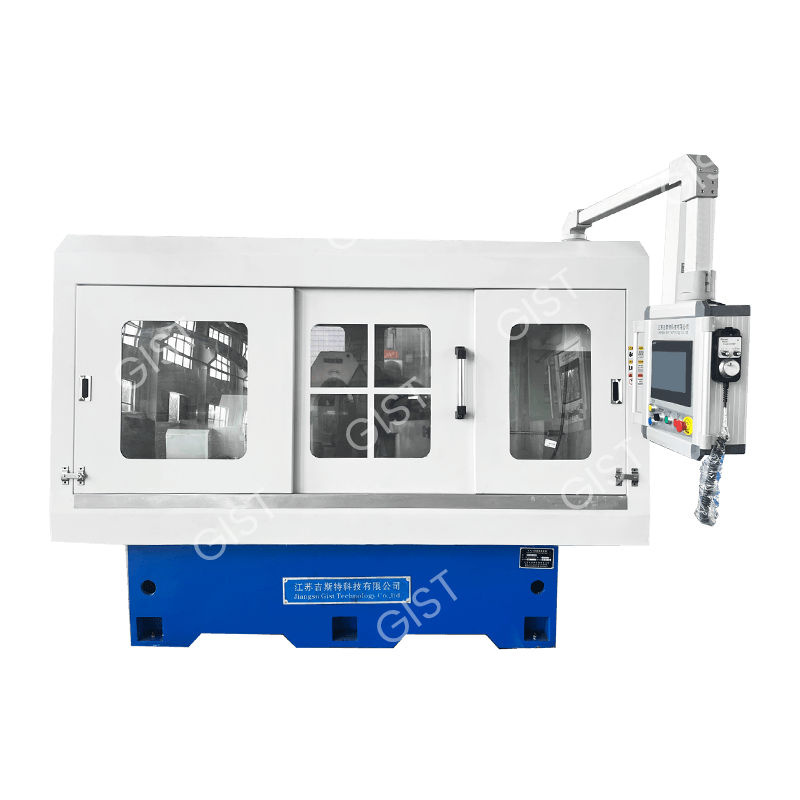
Category: Special valve CNC grinder Product Overview: The company has passed the certification of various systems such as ISO9001:2015 quality man...
More
Category: Valve blank molding equipment Product Overview: The company has passed the certification of various systems such as ISO9001:2015 quality...
More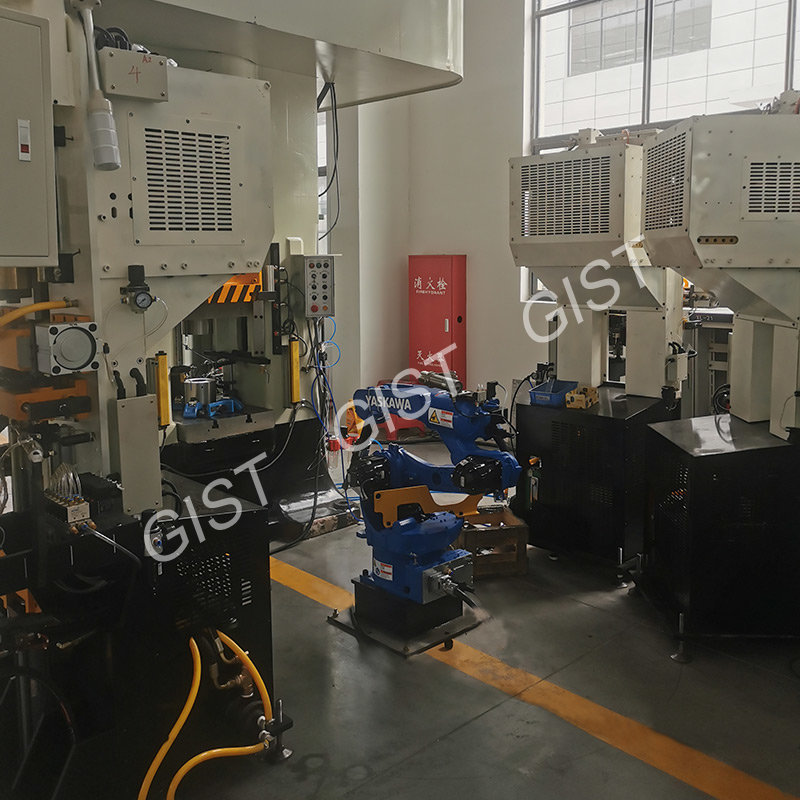
Category: Valve blank molding equipment Product Overview: The company has passed the certification of various systems such as ISO9001:2015 quality...
More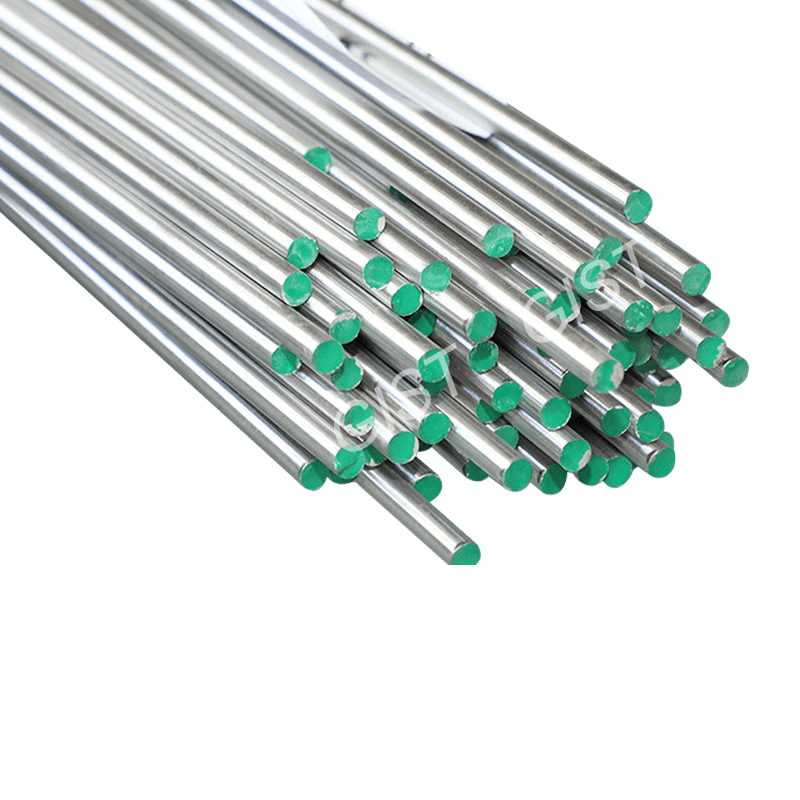
Category: Production auxiliary products Product Overview: The company has passed the certification of various systems such as ISO9001:2015 quality...
More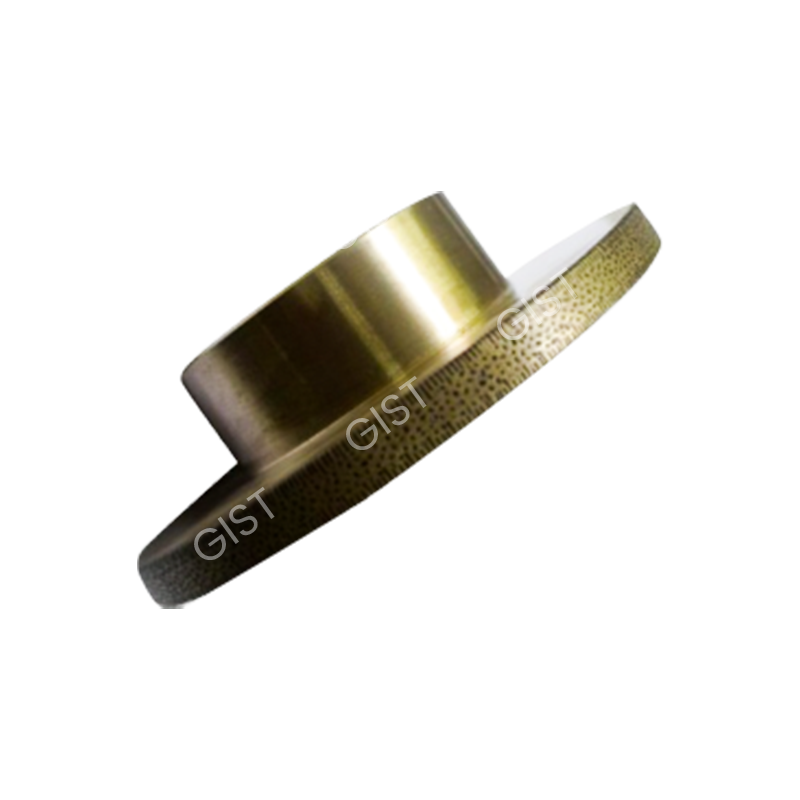
Category: Production auxiliary products Product Overview: The company has passed the certification of various systems such as ISO9001:2015 quality...
More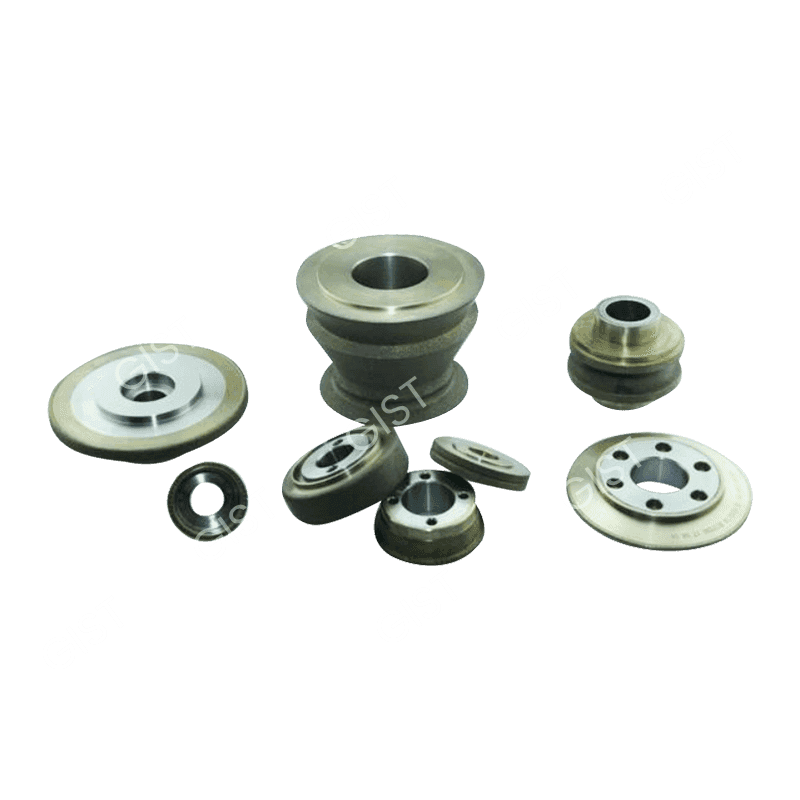
Category: Production auxiliary products Product Overview: The company has passed the certification of various systems such as ISO9001:2015 quality...
More
Category: Production auxiliary products Product Overview: The company has passed the certification of various systems such as ISO9001:2015 quality...
More
 86-13584767515
86-0515-89500828
 No. 1, Industrial Concentration Area, Wulie Town, Dongtai City, Jiangsu Province
Product