English
 中文简体
中文简体 русский
 Español
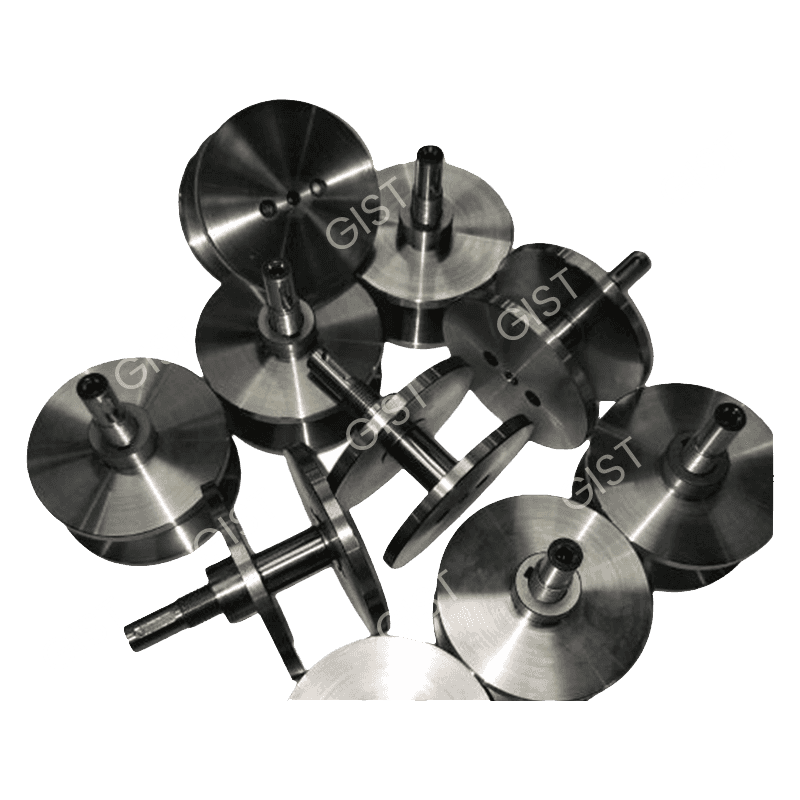
Ceramic CBN Grinding Wheel Centerless Grinding Machine
Cat:Centerless Grinding Machine
It is mainly used for precision grinding of outer circles of engine inlet and exhaust valve stems, bearings, and various shaft products.
MoreThe right general machine tool equipment selection can boost your production efficiency by up to 80% — but only when the decision is grounded in seven specific factors: process fit, tolerance requirements, automation level, spindle and feed specs, rigidity, software integration, and total cost of ownership. Choosing by catalog spec or brand familiarity alone routinely leads to underperformance, premature wear, and expensive retrofits. This guide breaks down each decision factor with concrete data so your next equipment investment delivers measurable returns from day one.
Content
In most manufacturing environments, machine tool selection accounts for 40–60% of the variation in part quality and throughput — more than operator skill, tooling choice, or process parameters alone. Yet many procurement decisions still rely on surface-level comparisons.
Industrial machine tools are long-horizon investments. The average service life of a well-maintained precision machine tool is 15–25 years. A poorly matched machine — one that is underpowered, insufficiently rigid, or incompatible with your automation roadmap — will cost far more in downtime, scrap, and lost capacity over that period than any upfront saving would justify.
In 2026, the compounding effects of labor cost increases, tighter customer tolerances, and shorter product cycles make equipment selection more consequential than ever. The seven tips below reflect how leading manufacturers are approaching this decision today.
A common mistake is selecting general machine tool equipment optimized for flexibility at the expense of performance on your primary operations. Identify the process that accounts for 70% or more of your machine time and select equipment built for that process first. Secondary capabilities are a bonus, not the selection criterion.
Process-first selection routinely delivers 25–35% higher OEE in the first 12 months compared to machines chosen for maximum versatility.
Precision machine tools are specified by their inherent accuracy — positioning accuracy, repeatability, and thermal stability under load. These specs must exceed your tightest part tolerance by a sufficient margin. A common engineering rule: the machine's capability (Cpk) should be at least 1.67 for the critical features it produces, which means the machine's inherent error should be no more than 20% of the part tolerance band.
| Part Tolerance (IT Grade) | Typical Tolerance Band | Required Machine Positioning Error | Suitable Equipment Class |
|---|---|---|---|
| IT7 | ±12.5 µm (25mm dia.) | <5 µm | Standard CNC machining center |
| IT6 | ±8 µm (25mm dia.) | <3 µm | Precision CNC machine tool |
| IT5 | ±5 µm (25mm dia.) | <1 µm | High-precision / ultra-precision machine |
| IT4 and below | <4 µm | <0.5 µm | Grinding / lapping / ultra-precision center |
In 2026, CNC machine tool equipment is table stakes. The real differentiator is whether the machine is designed for integration with automation cells — robotic loading, in-process gauging, pallet changers, and MES connectivity. Buying a machine that cannot be automated costs you twice: once when you pay for manual handling, and again when you eventually retrofit it or replace it.
When evaluating automation readiness, check for:
Manufacturers who invest in automation-ready industrial machine tools report spindle utilization rates of 75–88% versus 45–55% for manually operated equivalents — a difference that often pays for the automation integration within 18–30 months.
Spindle speed, power, and torque are not interchangeable specifications — each drives performance in a different cutting regime. Selecting a spindle optimized for aluminum high-speed machining when your primary material is hardened steel will result in chronic underperformance and accelerated spindle wear.
Similarly, rapid traverse speed and cutting feed rate on the linear axes must support your cycle time targets. A machine with 20 m/min rapid traverse versus 60 m/min adds 3–8 seconds of non-cutting time per tool change — an accumulation that reduces throughput by 12–20% in high-tool-count operations.
A precision machine tool that achieves IT6 tolerance at installation may drift to IT8 within three years if the machine base lacks adequate rigidity and thermal compensation. Long-term accuracy is determined by:
The CNC controller is no longer just a motion controller — it is the integration hub for your production data ecosystem. When evaluating CNC machine tool equipment, the control platform must support your existing and planned software environment.
Critical software integration checkpoints:
Purchase cost typically represents only 25–35% of the 10-year total cost of ownership of a machine tool. The remaining 65–75% comes from energy consumption, tooling, maintenance, downtime, and operator cost. Optimizing on purchase cost alone is one of the most common and costly mistakes in equipment procurement.
| Selection Tip | Key Question to Answer | Efficiency Impact |
|---|---|---|
| Process-to-machine fit | What operation runs 70%+ of machine time? | +25–35% OEE |
| Tolerance spec match | Does machine Cpk exceed 1.67 for tightest feature? | -30–40% scrap rate |
| Automation readiness | Can it connect to robot, gauging, MES now or later? | +30–40% spindle utilization |
| Spindle and feed match | Is rated torque/power right for your material? | -12–20% cycle time |
| Structural rigidity | Will accuracy hold over 3–5 years of production? | Sustained quality over service life |
| Software integration | Does it connect to your CAM, SPC, and MES? | -8 hrs avg fault resolution time |
| Total cost of ownership | What is the 10-year all-in cost, not just purchase? | Avoids 30–50% hidden cost overruns |
Jiangsu Gist Technology Co., Ltd (formerly Dongtai Weifeng Machinery Factory, established 2012) was re-incorporated in April 2020. The company is located at No. 1, Industrial Concentration Zone, Wulie Town, Dongtai City, covering 22 mu with over 11,000 square meters of factory space and a total investment of 100 million yuan. Construction began in early 2021 and was completed in early 2022.
As a professional China general machine tool equipment manufacturer and factory, Gist Technology integrates development, design, production, manufacturing, sales, and after-sales service into a complete capability. The company's high-end intelligent automation equipment is used in the manufacturing of core engine components for locomotives, generator sets, mining machinery, commercial vehicles, and marine applications.
Gist Technology has maintained long-term cooperation with global industry leaders including Germany MAHLE and the United States EATON, entering their global procurement systems. The company holds the right to import and export independently, and has exported industrial machine tools and automation equipment to more than 20 countries and regions including Germany, Japan, Türkiye, and Iran.
Adhering to the principles of people-oriented development, win-win cooperation, and customer focus, Jiangsu Gist Technology warmly welcomes domestic and foreign customers to visit for guidance and partnership opportunities.
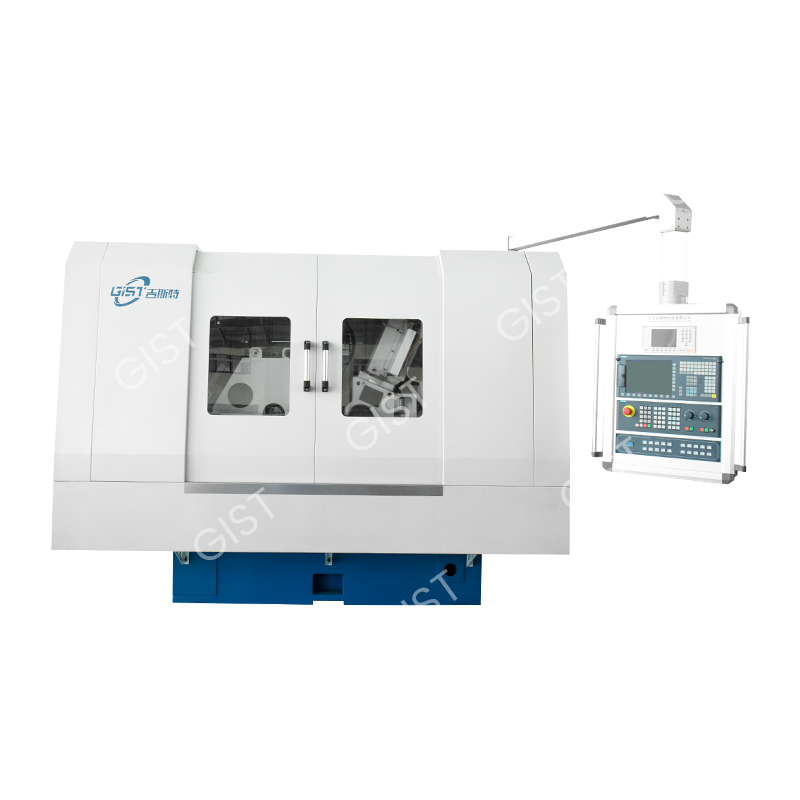
It is mainly used for precision grinding of outer circles of engine inlet and exhaust valve stems, bearings, and various shaft products.
More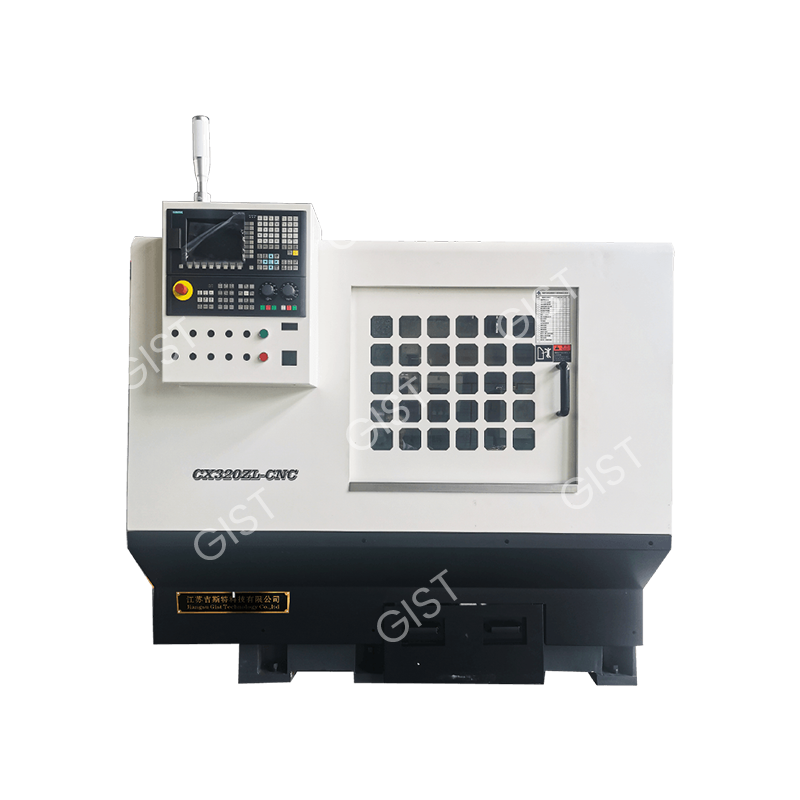
Category: CNC lathe Product Overview: The company has passed the certification of various systems such as ISO9001:2015 quality management system, ...
More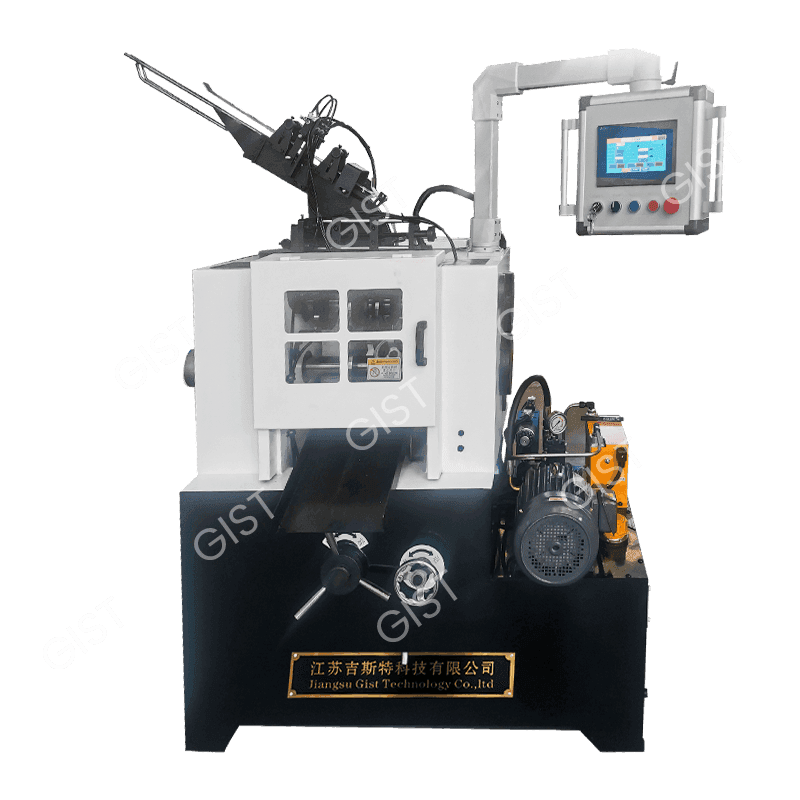
Category: Machining equipment Product Overview: The company has passed the certification of various systems such as ISO9001:2015 quality managemen...
More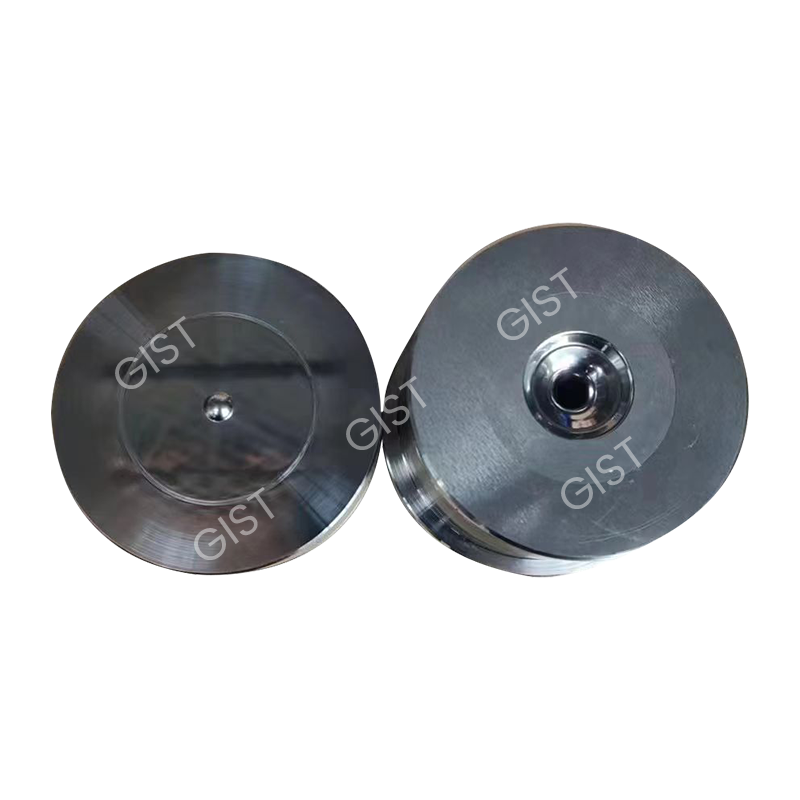
Category: Production auxiliary products Product Overview: The company has passed the certification of various systems such as ISO9001:2015 quality...
More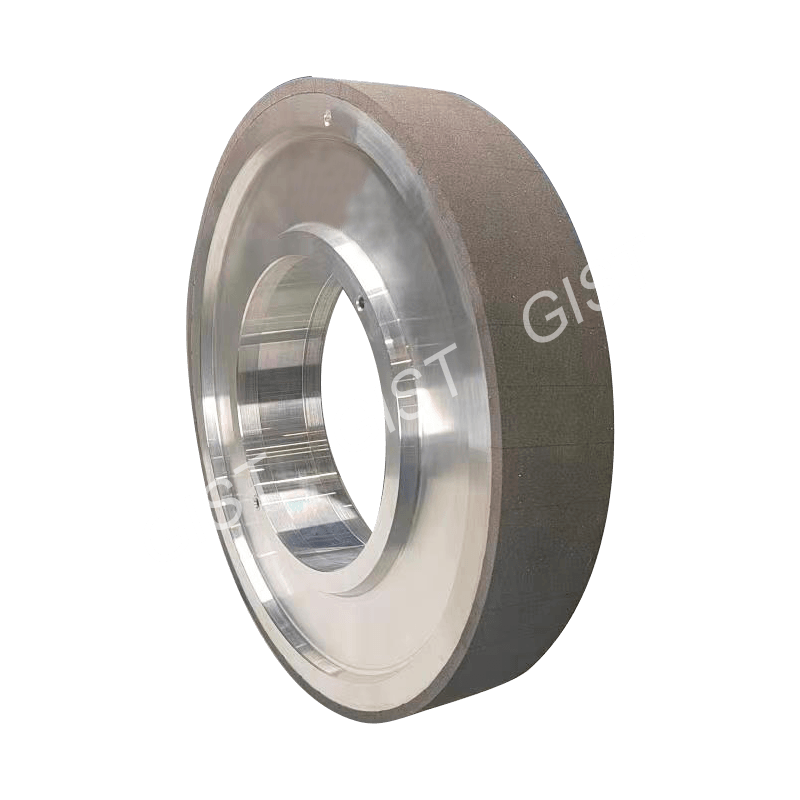
Category: Production auxiliary products Product Overview: The company has passed the certification of various systems such as ISO9001:2015 quality...
More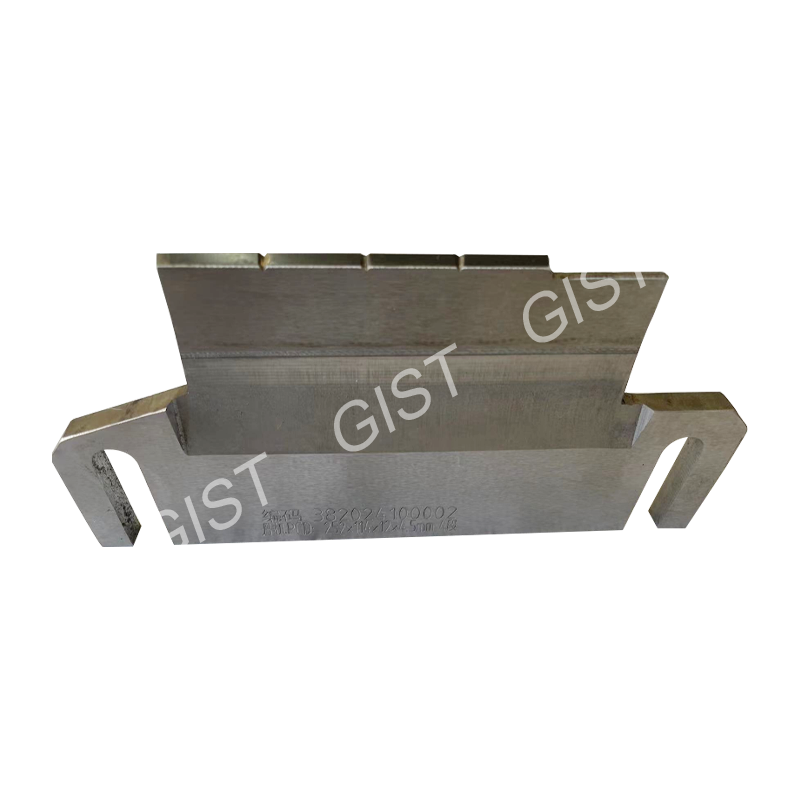
Category: Production auxiliary products Product Overview: The company has passed the certification of various systems such as ISO9001:2015 quality...
More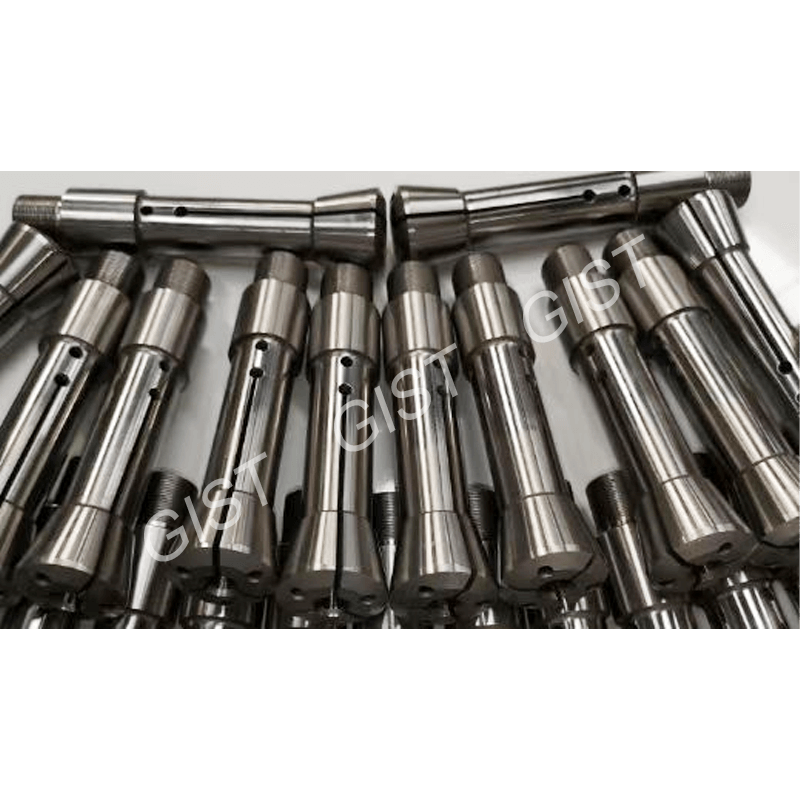
Category: Production auxiliary products Product Overview: The company has passed the certification of various systems such as ISO9001:2015 quality...
More
Category: Production auxiliary products Product Overview: The company has passed the certification of various systems such as ISO9001:2015 quality...
More
Category: Production auxiliary products Product Overview: The company has passed the certification of various systems such as ISO9001:2015 quality...
More
 86-13584767515
86-0515-89500828
 No. 1, Industrial Concentration Area, Wulie Town, Dongtai City, Jiangsu Province
Product