English
 中文简体
中文简体 русский
 Español
CNC Arc Lathe
Cat:CNC Lathe
Category: CNC lathe Product Overview: The company has passed the certification of various systems such as ISO9001:2015 quality management system, ...
MoreTo extend the lifespan of your Centerless Grinding Machine, the most direct answer is this: implement a structured preventive maintenance program, use only compatible Centerless Grinding Machine Accessories, and ensure your operators are properly trained. Machines that follow systematic maintenance protocols consistently achieve 30–50% longer service life than those maintained reactively. The following seven tips provide a practical roadmap to protect your investment and sustain precision output year after year.
Content
Consistent daily checks are the foundation of machine longevity. Operators should inspect coolant levels, clean grinding residue from slides and work rests, and verify that the wheel guard is secure before every shift. Weekly tasks should include checking belt tension, inspecting the regulating wheel for uneven wear, and lubricating guide rails according to the manufacturer's schedule.
Industry data shows that over 60% of unplanned downtime on grinding equipment stems from neglected routine maintenance — issues like clogged coolant nozzles, dry slideways, and worn dressing tools that could each be caught in under five minutes of daily inspection.
| Frequency | Key Tasks | Expected Benefit |
|---|---|---|
| Daily | Clean slides, check coolant, inspect guards | Prevent debris-induced wear |
| Weekly | Lubricate rails, check belt tension, inspect wheel | Avoid premature component failure |
| Monthly | Full alignment check, spindle bearing inspection | Maintain dimensional accuracy |
| Annually | Full overhaul, replace seals and worn parts | Extend total machine lifespan by years |
The choice of Centerless Grinding Machine Accessories directly affects both performance and equipment longevity. Using accessories that are matched to your machine's specifications — grinding wheels, work rests, regulating wheels, and dressing tools — reduces vibration, minimizes heat generation, and lowers stress on spindle bearings.
For example, selecting a grinding wheel with the correct bond hardness for your workpiece material can reduce wheel wear by up to 40% and simultaneously improve surface finish. Mismatched accessories are one of the leading causes of premature spindle bearing failure, which is among the most costly repairs on any grinder.
The coolant system is the unsung hero of any grinding operation. Effective coolant delivery controls heat, flushes grinding swarf, and protects machine surfaces from corrosion. A poorly maintained coolant system can raise grinding zone temperatures above 300°C, causing thermal cracking in workpieces and dramatically accelerating bearing and spindle wear.
Check coolant concentration weekly using a refractometer — recommended concentration typically falls between 4% and 8% depending on the application. Replace coolant completely every three to six months and clean the sump to remove bacterial growth and metallic sludge.
Coolant Concentration vs. Grinding Zone Heat Reduction (%)
2%
25%
4%
50%
6%
70%
8%
80%
10%
75%
Figure 1: Approximate heat reduction by coolant concentration — optimal range is 4%–8% for most applications
Regular wheel dressing is essential for maintaining both part quality and machine health. A loaded or glazed grinding wheel increases cutting forces, raises temperatures, and stresses the spindle. For operations relying on Precision Centerless Grinding Services, even minor wheel degradation can shift tolerances outside acceptable ranges — often within microns.
Establish dressing intervals based on volume of material removed rather than fixed time intervals. As a general guideline, dress the wheel every 200–500 workpieces for high-precision applications, and after every material changeover. Use single-point or rotary diamond dressers matched to the wheel specification for consistent results.
Running an Automatic Centerless Grinder at incorrect parameters is one of the fastest ways to shorten its lifespan. Excessive infeed rates, overly aggressive depths of cut, and inappropriate workpiece speeds all amplify vibration and increase spindle load, accelerating wear on bearings, slides, and drive components.
Automated parameter logging — now standard on modern Automatic Centerless Grinder models — allows engineers to review production data and identify parameter drift before it causes mechanical damage.
Geometric accuracy is the backbone of centerless grinding performance. Over time, repeated cutting forces, thermal cycling, and vibration cause spindles, slides, and work rests to drift out of alignment. Even a 0.005 mm deviation in work rest height can lead to out-of-round workpieces and disproportionately high wheel-to-work contact forces.
Schedule full geometric calibration at least once per quarter, or immediately after any crash or heavy impact. Key checks include:
Spindle Runout Growth Without Calibration (μm over months)
Figure 2: Spindle runout accumulation over 12 months without scheduled calibration — exceeds critical threshold by Month 9
Even the most well-engineered Centerless Grinding Machine will underperform and wear prematurely if operated incorrectly. Human error — incorrect wheel mounting, improper dressing technique, or running dry without coolant — accounts for a significant share of avoidable machine damage.
Develop written Standard Operating Procedures (SOPs) for every routine task: startup sequence, wheel change, work rest adjustment, and shutdown. Ensure operators are certified on each task and that refresher training is scheduled annually. Facilities with documented SOP programs report up to 35% fewer maintenance incidents compared to those relying solely on verbal instruction.
Moving beyond scheduled maintenance to predictive maintenance is one of the most effective ways to maximize the lifespan of any Automatic Centerless Grinder. By tracking real-time performance indicators, maintenance teams can address emerging issues before they cause failure.
Key metrics to monitor include spindle motor current draw, coolant temperature, vibration amplitude, and part rejection rate. A sudden increase in motor current — even by 8–10% — can indicate wheel loading, excessive infeed, or a failing bearing. Correlating these signals across production shifts provides a reliable early warning system.
| Metric | Normal Range | Warning Threshold | Likely Cause |
|---|---|---|---|
| Spindle motor current | Baseline ± 5% | > +10% | Wheel loading or bearing wear |
| Coolant temperature | 20–35°C | > 40°C | Chiller fault or excessive heat |
| Vibration amplitude | < 2 mm/s | > 4 mm/s | Wheel imbalance or chatter |
| Part rejection rate | < 0.5% | > 1.5% | Alignment drift or wheel wear |
Jiangsu Gist Technology Co., Ltd. (formerly Dongtai Weifeng Machinery Factory, established 2012) was officially reconstituted as a new company in April 2020. Located at No. 1, Industrial Concentration Zone, Wulie Town, Dongtai City, the facility spans 22 mu with more than 11,000 square meters of factory building area and a total investment of 100 million yuan. Groundbreaking commenced in early 2021, and construction was completed in early 2022.
The company is a full-cycle manufacturer of complete machine automation equipment — integrating development, design, production, manufacturing, sales, and after-sales service. As a professional China Centerless Grinding Machine supplier, Jiangsu Gist Technology produces high-end intelligent automation equipment used in core engine component manufacturing for locomotives, generator sets, mining machinery, commercial vehicles, and marine applications.
The company has maintained long-term cooperation with globally recognized foreign enterprises including Germany MAHLE and the United States EATON, and has entered their global procurement systems. Jiangsu Gist Technology holds independent import and export rights and has exported equipment to more than 20 countries and regions, including Germany, Japan, Türkiye, and Iran. It has also established close partnerships with major domestic engine valve manufacturers such as Chongqing Sanai Hailing Industrial Co., Ltd., Jinan Ward Auto Parts Co., Ltd., and Dengyun Co., Ltd.–Huaiji Lunar Valve Co., Ltd.
The company holds more than 10 invention patents and over 100 utility model patents. It was awarded the designation of National High-Tech Enterprise in 2022 and recognized as a specialized enterprise in 2024. Jiangsu Gist Technology has passed certification under ISO 9001:2015, ISO 14001:2015, and ISO 45001:2018 management systems, and continuously innovates to meet the full-spectrum needs of domestic and international customers.
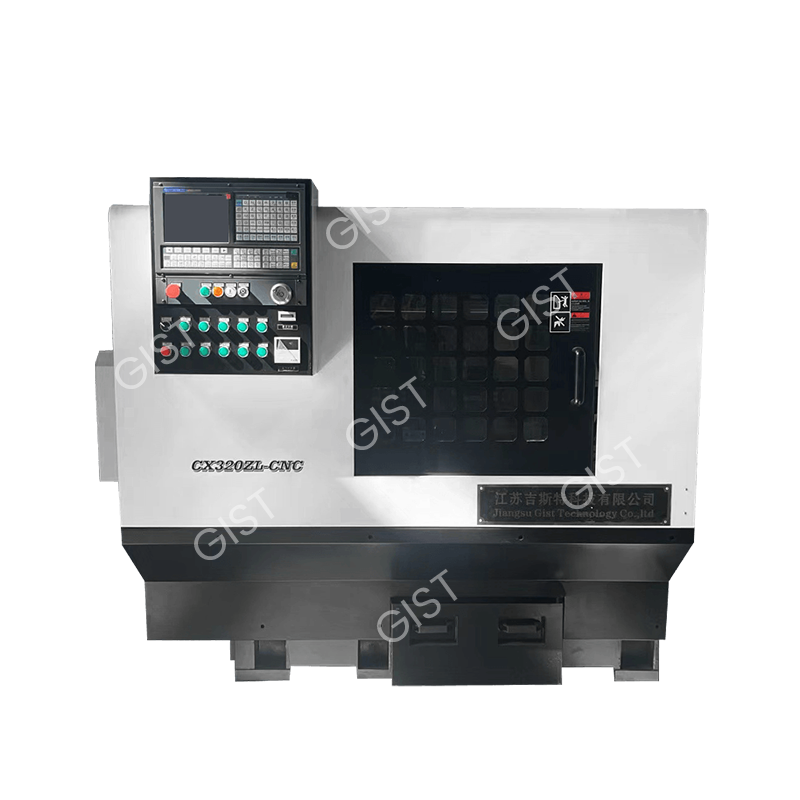
Category: CNC lathe Product Overview: The company has passed the certification of various systems such as ISO9001:2015 quality management system, ...
More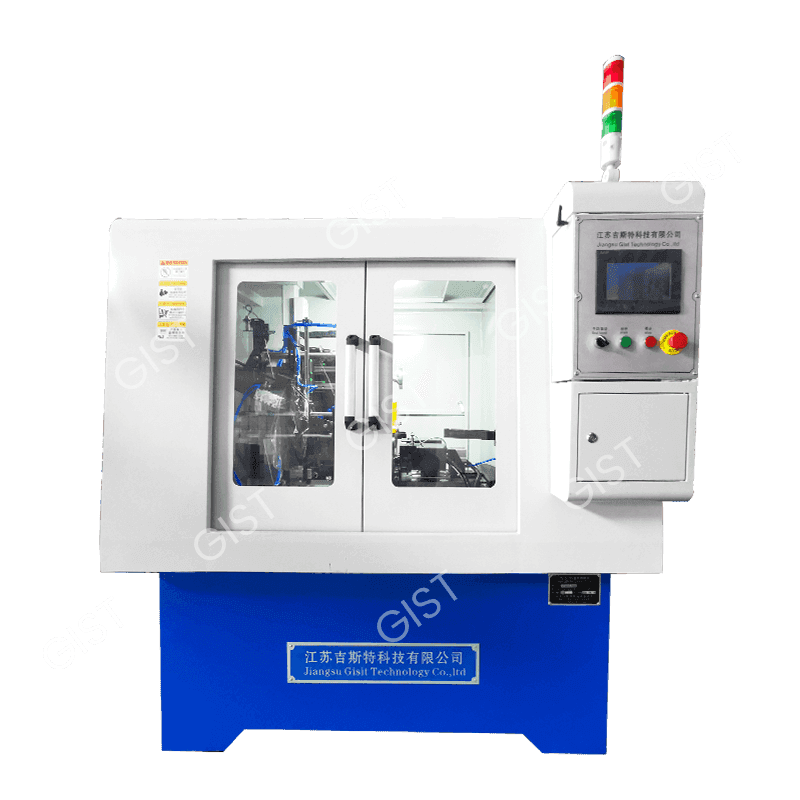
Category: Special valve CNC grinder Product Overview: The company has passed the certification of various systems such as ISO9001:2015 quality man...
More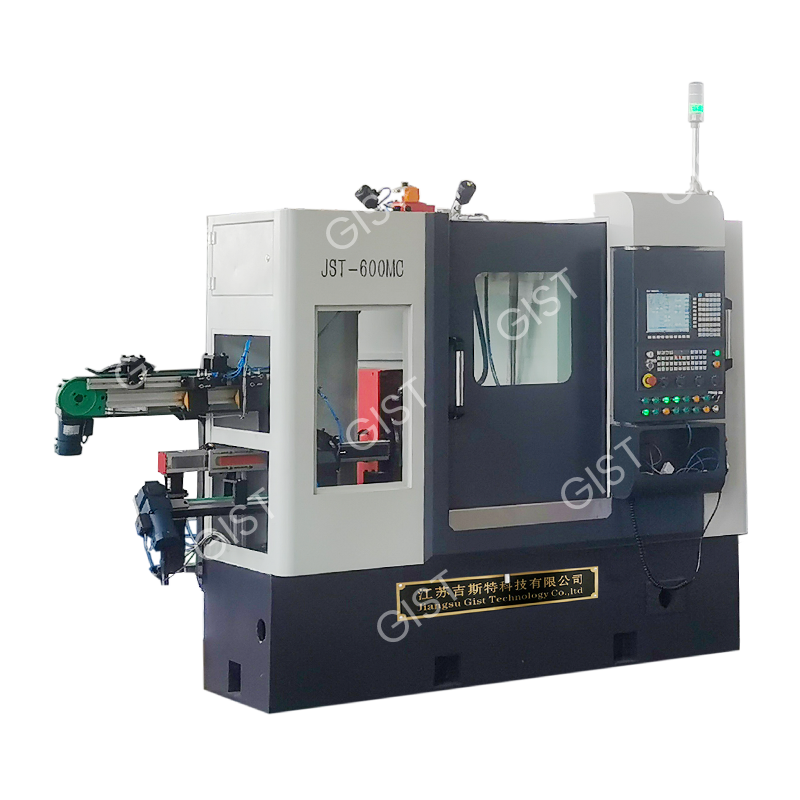
Category: Special valve CNC grinder Product Overview: The company has passed the certification of various systems such as ISO9001:2015 quality man...
More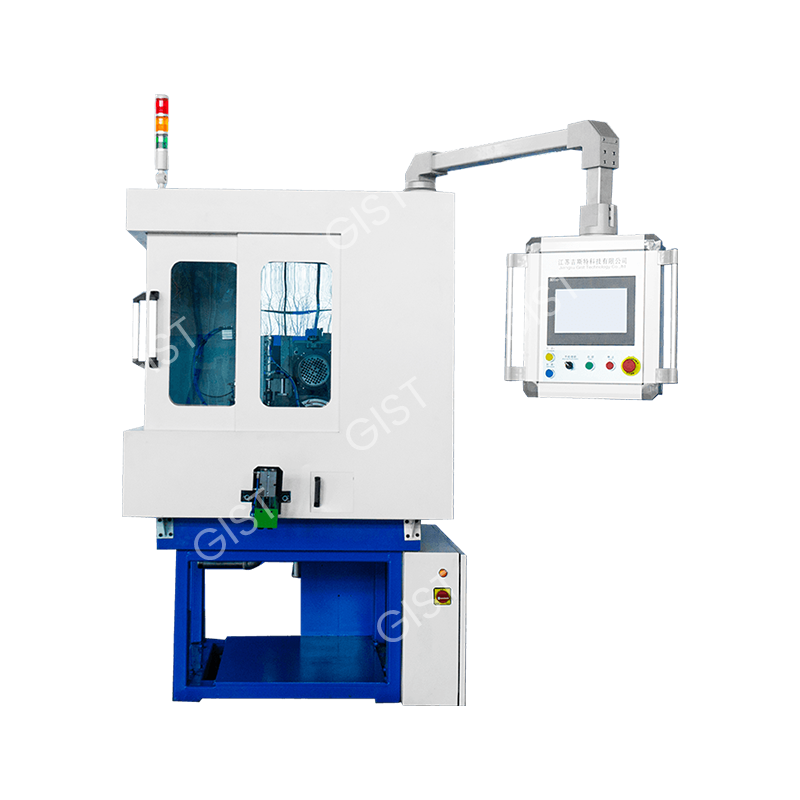
Category: Special valve CNC grinder Product Overview: The company has passed the certification of various systems such as ISO9001:2015 quality man...
More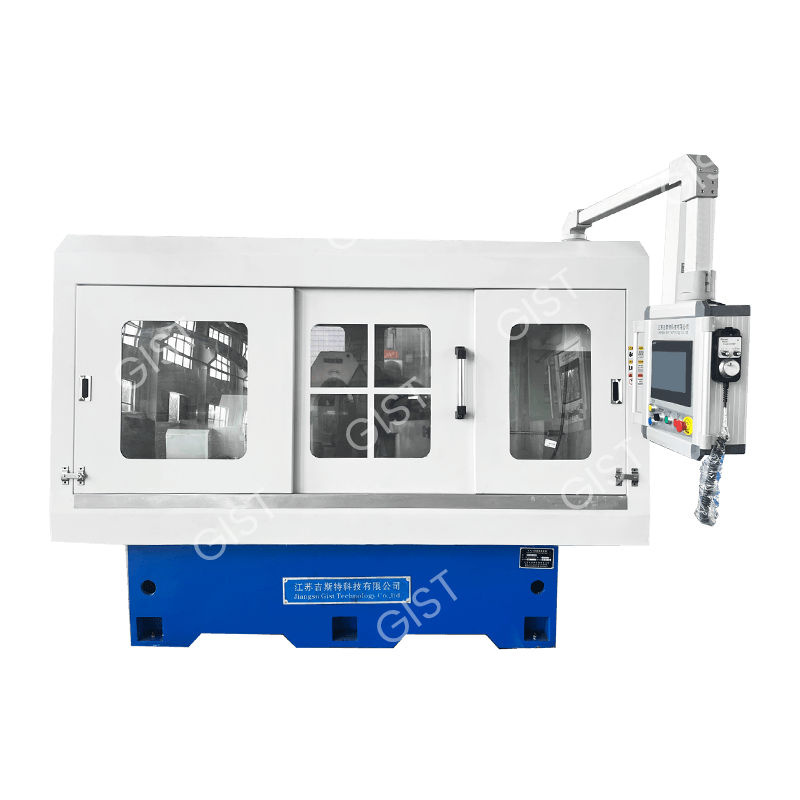
Category: Special valve CNC grinder Product Overview: The company has passed the certification of various systems such as ISO9001:2015 quality man...
More
Category: Valve blank molding equipment Product Overview: The company has passed the certification of various systems such as ISO9001:2015 quality...
More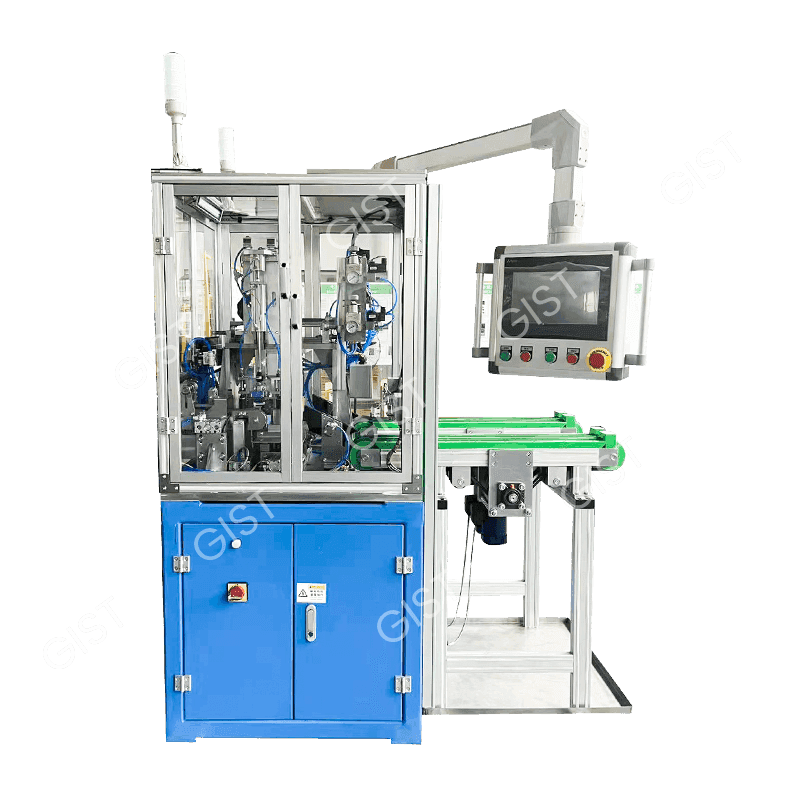
Category: Finished product testing equipment Product Overview: The company has passed the certification of various systems such as ISO9001:2015 qu...
More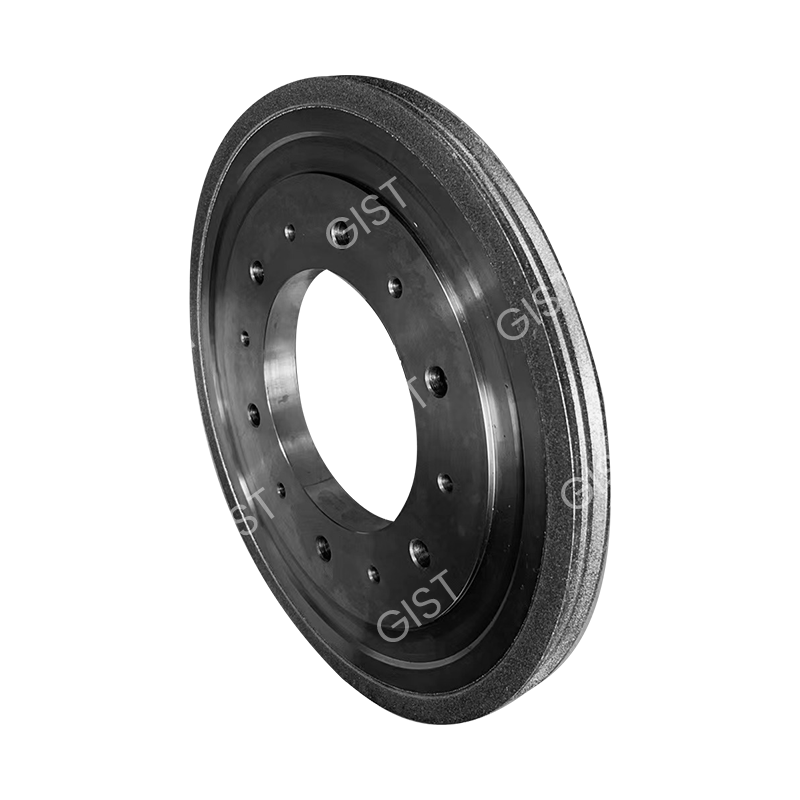
Category: Production auxiliary products Product Overview: The company has passed the certification of various systems such as ISO9001:2015 quality...
More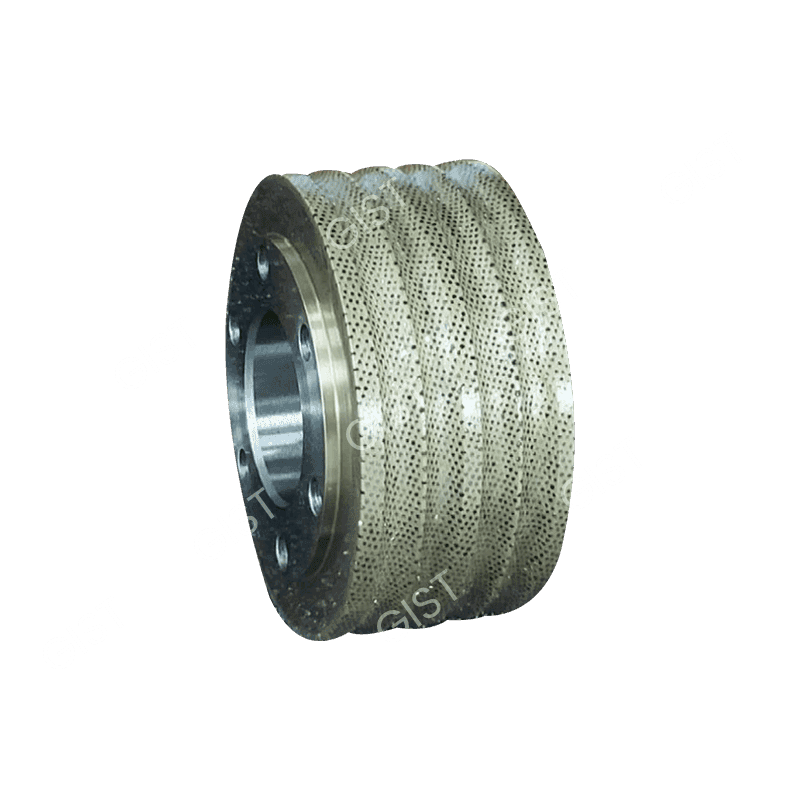
Category: Production auxiliary products Product Overview: The company has passed the certification of various systems such as ISO9001:2015 quality...
More
 86-13584767515
86-0515-89500828
 No. 1, Industrial Concentration Area, Wulie Town, Dongtai City, Jiangsu Province
Product