English
 中文简体
中文简体 русский
 Español
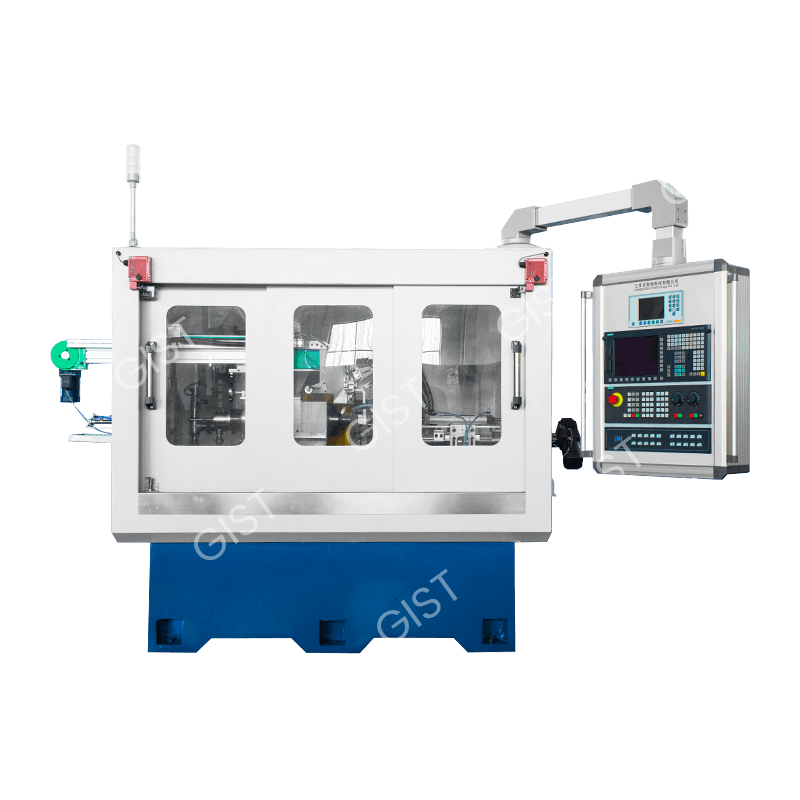
Ceramic CBN Grinding Wheel Precision Cone Grinding Machine
Cat:CNC Valve Grinding Machine
Category: Special valve CNC grinder Product Overview: The company has passed the certification of various systems such as ISO9001:2015 quality man...
MoreA CNC Valve Grinding Machine improves engine performance by achieving valve seat and face tolerances within ±0.002 mm — a level of precision that manual or conventional grinding simply cannot replicate consistently. The result is a tighter combustion seal, reduced blow-by, improved fuel efficiency, and measurably longer valve service life. For any workshop or production line handling high-performance or heavy-duty engines, upgrading to CNC-controlled valve grinding is one of the most direct investments in output quality and operational efficiency.
Content
Engine valves are the gatekeepers of combustion efficiency. When intake and exhaust valves fail to seat perfectly, combustion gases leak past the valve face, causing power loss, increased fuel consumption, and accelerated heat damage to valve heads. Studies on heavy-duty diesel engines show that a seating gap of just 0.01 mm beyond specification can reduce compression by up to 8% and increase fuel consumption by 3–5%.
A CNC Valve Grinding Machine eliminates this problem by automating the grinding angle, depth, and surface finish to predefined parameters. The CNC controller monitors and adjusts in real time, ensuring every valve — whether the first or the five-hundredth in a batch — meets identical specifications.
| Parameter | Manual Grinding | CNC Valve Grinding Machine |
|---|---|---|
| Dimensional Tolerance | ±0.02 – 0.05 mm | ±0.002 mm |
| Surface Roughness (Ra) | 0.8 – 1.6 µm | 0.1 – 0.4 µm |
| Repeatability (batch) | Operator-dependent | Consistent across 1000+ pcs |
| Cycle Time per Valve | 3 – 6 minutes | 45 – 90 seconds |
| Scrap Rate | 3 – 8% | Below 0.5% |
Modern CNC valve grinding machines integrate servo-driven axes, in-process gauging, and programmable grinding cycles into a single automated workflow. Understanding the process helps engineers and procurement managers evaluate machine capability accurately.
The valve stem is clamped automatically between precision collets, and the CNC system centers the valve head to within 0.003 mm runout before grinding begins. This eliminates the alignment error that accounts for a significant portion of manual grinding rejects.
Operators input the valve face angle (typically 30°, 45°, or custom angles), seat width, and surface finish target into the CNC controller. The machine executes roughing and finishing passes automatically, applying consistent wheel pressure and feed rate throughout.
High-end CNC Valve Grinding Machines include air gauging or laser measurement systems that check valve diameter and face geometry during the grinding cycle. If drift is detected, the CNC compensates automatically — no operator intervention required. This is the feature most responsible for the sub-0.5% scrap rates achieved in production environments.
The improvements delivered by a properly set up CNC Valve Grinding Machine translate directly into measurable engine performance metrics. Below are the primary performance areas affected:
The precision demands of different industries set different benchmarks for valve quality. CNC valve grinding is now standard practice across the following sectors:
Not all CNC valve grinding machines deliver equivalent performance. When evaluating options for your production line or overhaul workshop, focus on these technical and operational criteria:
Multi-axis CNC machines (typically 3-axis or 5-axis) offer greater flexibility for complex valve geometries. The CNC controller should support ISO G-code programming and include built-in compensation for wheel wear — a feature that is often overlooked but critical for long-run consistency.
The machine should support CBN (Cubic Boron Nitride) or diamond grinding wheels for hard valve materials (stellite-faced, nitrided, or ceramic). An automatic wheel dressing system maintains consistent cutting geometry without stopping the production cycle.
Workshops handling multiple engine families require a machine that accommodates a wide valve stem diameter range — typically 4 mm to 25 mm — with rapid changeover tooling. Changeover time under 15 minutes is a realistic benchmark for well-designed machines.
Modern production environments require SPC (Statistical Process Control) data output for quality audits. Look for machines with USB or network data export, grinding parameter logging, and compatibility with MES (Manufacturing Execution System) platforms.
The productivity advantage of CNC valve grinding compounds over time. As operator fatigue accumulates and conventional wheel wear increases in manual setups, CNC machines maintain consistent output. The following trend illustrates cumulative valve output over an 8-hour shift:
In a standard 8-hour shift, a CNC Valve Grinding Machine can process 450–500 valves, compared to approximately 160–180 valves from a skilled manual operator. This 2.5× throughput advantage justifies CNC adoption even for mid-volume valve remanufacturing operations.
Jiangsu Gist Technology Co., Ltd. (formerly Dongtai Weifeng Machinery Factory, established 2012) was restructured and relaunched in April 2020. Located in the Industrial Concentration Zone, Wulie Town, Dongtai City, the facility covers 22 mu with a factory building area exceeding 11,000 square meters and a total investment of 100 million yuan. Construction began in early 2021 and was completed in early 2022.
As a professional China CNC Valve Grinding Machine supplier, the company integrates development, design, production, manufacturing, sales, and after-sales service under one roof. A highly experienced engineering team and skilled production workforce enable the company to deliver high-precision, intelligent custom automation equipment tailored precisely to customer specifications.
The company's high-end automation equipment serves core engine component manufacturing across locomotives, generator sets, mining machinery, commercial vehicles, and marine applications. It has established long-term cooperation with leading global enterprises and entered their global procurement systems. Equipment has been exported to more than 20 countries and regions, including Germany, Japan, Turkey, and Iran.
Jiangsu Gist Technology holds more than 10 invention patents and over 100 utility model patents. It was recognized as a National High-Tech Enterprise in 2022 and a Specialized and Sophisticated Enterprise in 2024. The company is certified under ISO 9001:2015 (Quality Management), ISO 14001:2015 (Environmental Management), and ISO 45001:2018 (Occupational Health and Safety Management) systems.
Adhering to the principles of people-oriented management, win-win cooperation, and customer-first service, Jiangsu Gist Technology warmly welcomes domestic and international customers to visit for consultation and collaboration.
Q1: What tolerance can a CNC Valve Grinding Machine consistently achieve?
Most production-grade CNC valve grinding machines achieve dimensional tolerances of ±0.002 mm and surface roughness (Ra) of 0.1–0.4 µm. These figures are maintained consistently across large production batches due to in-process gauging and automatic compensation features.
Q2: Which valve materials can be processed on a CNC valve grinding machine?
CNC valve grinders can handle a wide range of materials including martensitic stainless steel, austenitic stainless steel, nitrided steel, stellite-faced valves, and titanium alloy valves. The key requirement is matching the grinding wheel specification — CBN or diamond wheels — to the specific hardness of the valve material.
Q3: How does a CNC Valve Grinding Machine reduce engine fuel consumption?
By achieving near-perfect valve-to-seat contact, the machine eliminates combustion gas leakage during compression and power strokes. This directly increases thermal efficiency. Engine dynamometer tests show 2–6% fuel savings when valves are reground to OEM specification using CNC equipment compared to operating with worn or imprecisely ground valves.
Q4: Can one CNC valve grinding machine handle different engine families with different valve sizes?
Yes. Modern CNC valve grinding machines are designed with a wide valve stem diameter range — typically 4 mm to 25 mm — and support rapid-change tooling for different valve families. Changeover between valve types can be completed in under 15 minutes on well-engineered machines, making them practical for multi-product workshops and overhaul facilities.
Q5: What maintenance does a CNC Valve Grinding Machine require?
Routine maintenance includes daily spindle bearing lubrication checks, weekly coolant system flushing and concentration verification, monthly wheel dresser tip inspection, and quarterly servo axis calibration. Machines with automatic wheel dressing require less operator intervention, but the dressing tool itself should be inspected every 200–300 operating hours.
Category: Special valve CNC grinder Product Overview: The company has passed the certification of various systems such as ISO9001:2015 quality man...
More
Category: Special valve CNC grinder Product Overview: The company has passed the certification of various systems such as ISO9001:2015 quality man...
More
Category: Special valve CNC grinder Product Overview: The company has passed the certification of various systems such as ISO9001:2015 quality man...
More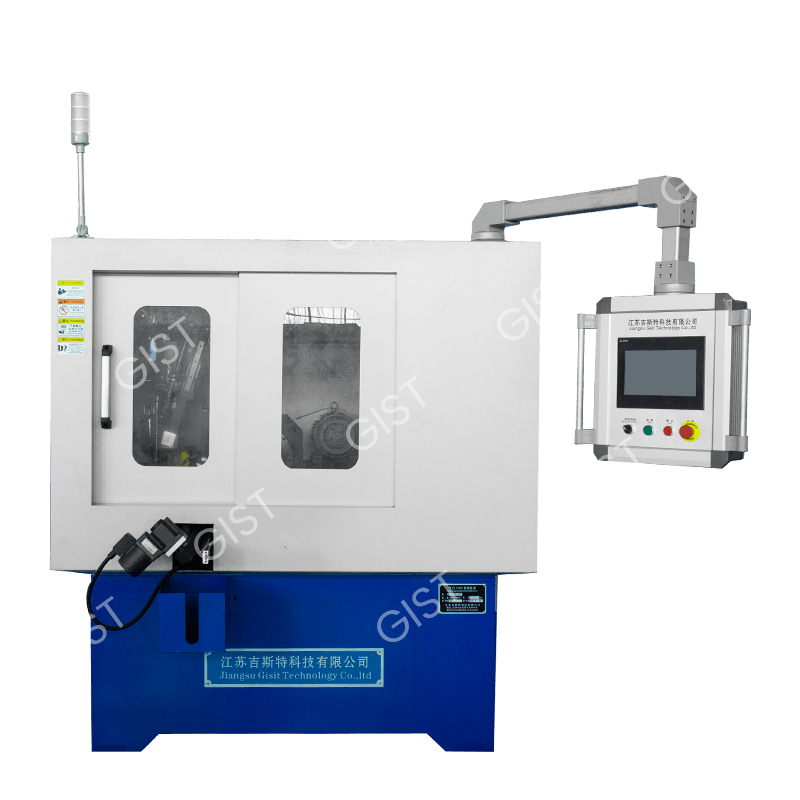
Category: Machining equipment Product Overview: The company has passed the certification of various systems such as ISO9001:2015 quality managemen...
More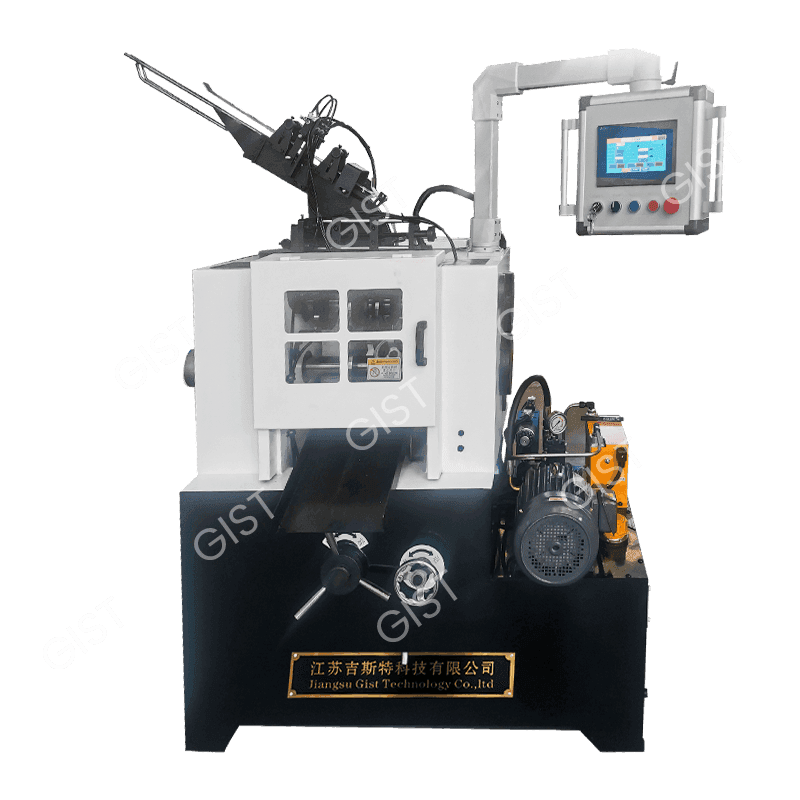
Category: Machining equipment Product Overview: The company has passed the certification of various systems such as ISO9001:2015 quality managemen...
More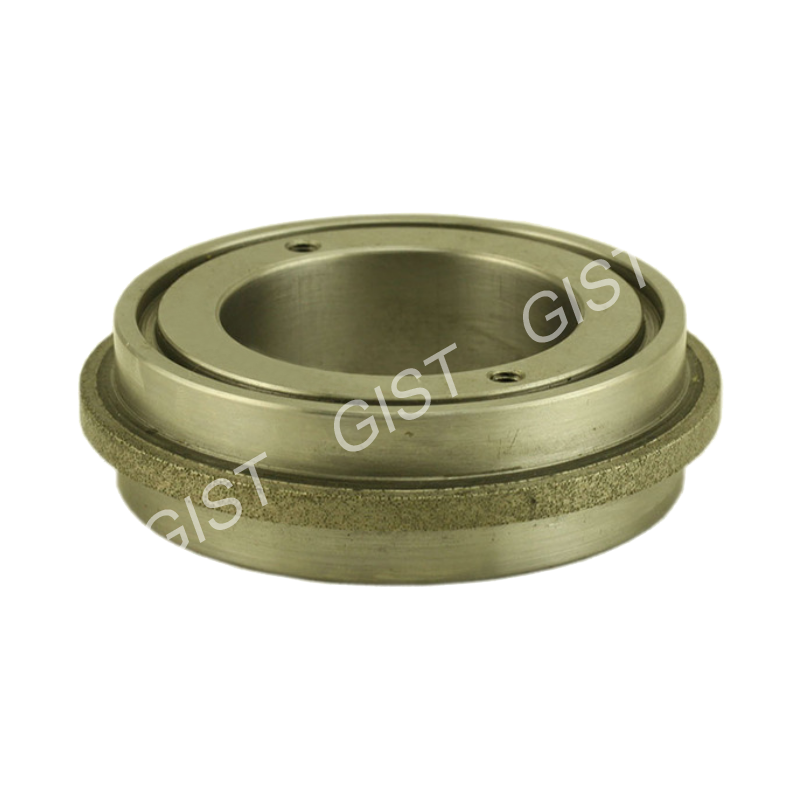
Category: Production auxiliary products Product Overview: The company has passed the certification of various systems such as ISO9001:2015 quality...
More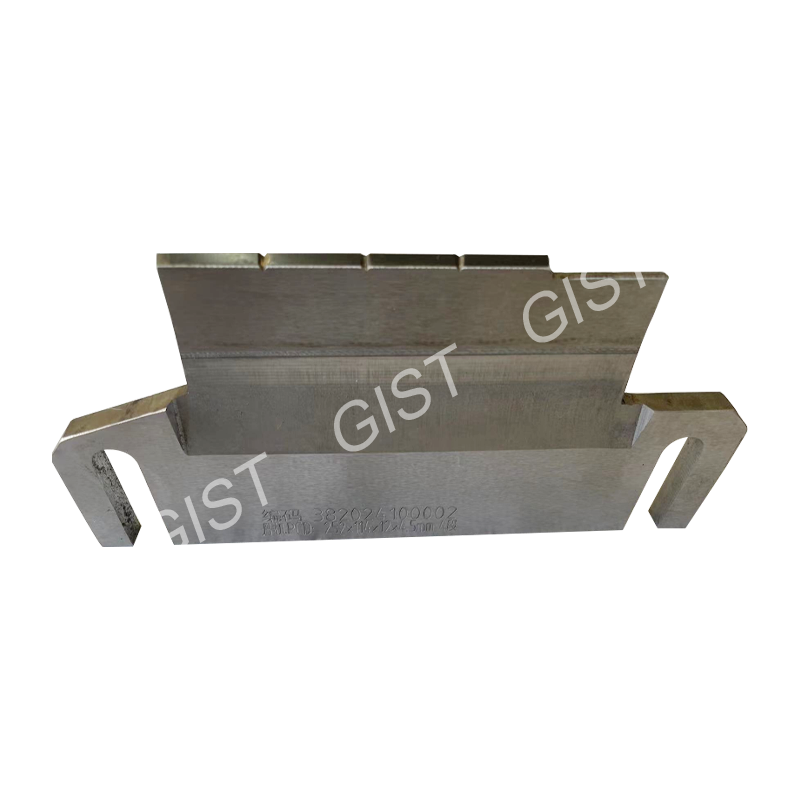
Category: Production auxiliary products Product Overview: The company has passed the certification of various systems such as ISO9001:2015 quality...
More
Category: Production auxiliary products Product Overview: The company has passed the certification of various systems such as ISO9001:2015 quality...
More
Category: Production auxiliary products Product Overview: The company has passed the certification of various systems such as ISO9001:2015 quality...
More
 86-13584767515
86-0515-89500828
 No. 1, Industrial Concentration Area, Wulie Town, Dongtai City, Jiangsu Province
Product