English
 中文简体
中文简体 русский
 Español
CBN Lock Clamp Groove, Rod End Grinder
Cat:CNC Valve Grinding Machine
Category: Special valve CNC grinder Product Overview: The company has passed the certification of various systems such as ISO9001:2015 quality man...
MoreA CNC valve grinding machine is a precision manufacturing tool designed to restore or refine the sealing surfaces of industrial valves with computer-controlled accuracy. If you are sourcing a machine for the first time or upgrading your current setup, the single most important conclusion is this: CNC-controlled grinding consistently delivers surface finishes within ±0.002 mm tolerance, which manual or semi-automatic methods cannot reliably replicate at scale. This guide walks you through every decision point — from machine type and grinding method to industry fit and long-term maintenance considerations — so you can make a well-informed purchase.
Across sectors from oil and gas to power generation, the demand for high precision valve grinder machines has grown steadily as operators face tighter sealing standards and longer service intervals. Understanding the key differentiators between machine categories is the starting point for any serious procurement evaluation.
Content
A CNC valve grinding machine removes microscopic irregularities from the seating surfaces of valves using abrasive wheels or lapping tools guided by a CNC controller. The process is fundamentally different from manual lapping: rather than relying on operator skill, the machine executes pre-programmed angles, feed rates, and dwell times to achieve repeatable geometry on every workpiece.
Modern automatic valve grinding systems can process seat angles ranging from 15° to 90°, accommodate valve diameters from under 10 mm to over 2,000 mm, and finish surfaces to Ra values as low as 0.4 µm. The CNC axis control also enables conical, spherical, and flat seat profiles within a single setup, dramatically reducing changeover time compared to dedicated single-profile machines.
The fundamental working principle involves a grinding spindle rotating at controlled RPM while the workpiece or tool follows a precisely interpolated path. Coolant delivery is integrated to manage heat, preserve abrasive life, and flush swarf from the contact zone. The result is a valve sealing surface grinding machine capability that restores leak-tight performance without replacing the entire valve body.
Key Performance Parameters: CNC vs. Manual Valve Grinding
The chart above compares five critical performance parameters between CNC and manual valve grinding methods. CNC machines score markedly higher in dimensional accuracy, surface finish quality, and repeatability — three metrics that directly determine whether a valve will hold its rated sealing performance under operating pressure. Manual grinding retains an advantage only in low operator-dependency score because fewer control variables require monitoring, though this also means less precision. For any industrial application where valve leakage carries safety or efficiency consequences, the CNC advantage in accuracy and repeatability is decisive.
The category of CNC grinding machine for valve seats encompasses several distinct machine architectures. Understanding which type fits your application is the most practical starting point before evaluating any specification sheet.
Stationary CNC valve seat grinding equipment is designed for workshop or factory floor installation. These machines typically feature multi-axis CNC control (3-axis minimum, up to 5-axis on advanced models), automatic tool changers, and integrated measurement probes. They are the preferred choice for high-volume repair shops, OEM valve manufacturers, and maintenance facilities that process dozens to hundreds of valves per shift. Spindle speeds commonly range from 200 to 6,000 RPM, and the machines handle both soft seat materials (brass, bronze) and hard-faced alloys (Stellite, Inconel).
A portable valve grinding machine CNC version brings computer-controlled precision directly to the valve installation site, eliminating the cost and risk of transporting large valve assemblies. These units typically weigh between 30 and 120 kg, operate from standard 3-phase power, and are mounted directly onto the valve flange or pipeline. They are widely used in power stations, offshore platforms, and chemical plants where downtime for valve removal is commercially prohibitive. While their axis count is generally lower than stationary models, modern portable CNC units achieve surface finish results within Ra 0.8 µm — sufficient for the majority of industrial sealing applications.
Heavy duty valve grinding equipment addresses large-bore valves found in main steam lines, hydropower installations, and subsea systems. Valve seats in these applications can exceed 1,200 mm in diameter, and conventional grinding spindles lack the torque and rigidity to maintain accuracy at that scale. Heavy-duty CNC machines use reinforced spindle assemblies, hydrostatic guideways, and high-torque servo drives to deliver consistent material removal rates across the full seat diameter without chatter or taper errors.
| Machine Type | Typical Valve Diameter | Axis Count | Best Application |
|---|---|---|---|
| Stationary CNC Seat Grinder | 10 – 600 mm | 3 – 5 | High-volume repair / OEM production |
| Portable CNC Valve Grinder | 50 – 800 mm | 2 – 3 | On-site maintenance / field repair |
| Heavy Duty CNC Grinder | 300 – 2,000+ mm | 3 – 5 | Power / subsea / large pipeline |
| Automatic Lapping System | 10 – 300 mm | 2 – 4 | Ultra-fine finish / critical seals |
The demand for industrial valve repair grinding tools spans a remarkably wide range of sectors. Each industry places distinct requirements on the machine in terms of material hardness, seat geometry, acceptable surface finish, and throughput volume.
Estimated Share of CNC Valve Grinding Demand by Industry (%)
Oil and gas accounts for the largest share of global CNC valve grinding demand at an estimated 35%, driven by the high density of critical-service valves in upstream and midstream infrastructure. Power generation follows at 25%, where steam system valves require periodic refurbishment to maintain thermal efficiency and safety margins. The petrochemical and refining sector at 18% represents a growing market as aging facilities accelerate their planned maintenance programs. Marine, automotive, and other segments collectively account for the remaining 22%, reflecting the broad applicability of precision valve grinding technology across virtually all process industries.
A question that comes up frequently during procurement is whether to specify a grinding machine or a lapping machine. These are related but distinct processes, and choosing the wrong one results in either over-processing or under-finishing.
Grinding uses a bonded abrasive wheel rotating at high speed to remove material from the valve seat. It is the correct process for seats that are heavily worn, pitted, or out-of-round. Typical stock removal is 0.05 mm to 0.5 mm per pass, and the process generates heat that must be managed with coolant. The achievable surface finish is typically Ra 0.8 to Ra 1.6 µm after grinding, which is then improved by a subsequent lapping operation if ultra-fine sealing is required.
Lapping uses a loose abrasive compound between a lapping tool and the seat surface. The CNC controller oscillates and rotates the tool in a controlled pattern, progressively refining the surface geometry. Stock removal is very low — typically 0.002 to 0.010 mm — making it suitable only for seats that are already close to the correct geometry. The achievable finish with lapping is Ra 0.05 to Ra 0.4 µm, which is required for metal-seated ball valves, control valves, and safety relief valves where absolute leak tightness is specified.
Many CNC valve seat grinding equipment platforms today combine both capabilities in a single machine, with automatic spindle changeover between grinding and lapping modes. This integrated approach reduces floor space requirements and eliminates the need to reposition the valve between processes, preserving the alignment accuracy that multi-machine workflows can compromise.
| Parameter | CNC Grinding | CNC Lapping |
|---|---|---|
| Stock Removal Rate | 0.05 – 0.5 mm/pass | 0.002 – 0.010 mm/pass |
| Surface Finish (Ra) | 0.8 – 1.6 µm | 0.05 – 0.4 µm |
| Suitable Seat Condition | Heavy wear, pitting, out-of-round | Near-geometry, fine finishing |
| Heat Generation | Moderate to High | Low |
| Typical Tooling | Bonded abrasive wheel | Lapping compound + cast iron tool |
When evaluating any automatic valve grinding system, a structured specification review prevents costly mismatches between machine capability and actual workload. The following parameters carry the most weight in a purchase decision.
Define the minimum and maximum valve seat diameter your operation processes. A machine specified for 10–300 mm will not accommodate a 500 mm pipeline isolation valve. More importantly, verify that the machine maintains its rated accuracy (typically ±0.002 to ±0.005 mm) across the full diameter range, not just at the nominal center of its range. Some machines trade off accuracy at the extremes of their range.
Soft seat materials (brass, aluminum bronze) can be ground at higher spindle speeds. Hard-faced alloys (Stellite, Hastelloy) require lower speeds with higher torque to prevent glazing the abrasive wheel. A spindle speed range of 200 to 5,000 RPM with a flat torque curve from 500 to 3,000 RPM covers the majority of industrial seat materials without requiring wheel changes or speed regulating attachments.
The CNC controller determines how quickly operators can set up jobs, how complex multi-pass programs can be, and how easily the machine integrates into a facility's data management environment. Look for controllers that support ISO G-code programming as a standard, offer conversational programming for routine jobs, and provide USB/Ethernet connectivity for program transfer and data logging. A built-in measurement probing cycle that auto-corrects for seat runout before grinding begins is a significant productivity advantage.
Effective coolant delivery is not an accessory — it directly determines grinding wheel life, surface finish consistency, and thermal distortion of the workpiece. Evaluate whether the machine uses flood coolant, through-spindle coolant, or mist cooling. Through-spindle coolant delivers fluid directly to the grinding contact zone and is the most effective option for deep-seat profiles and hard materials. A coolant tank capacity of at least 60 liters with an integrated filtration and temperature control unit is appropriate for continuous shift production.
Specification Priority Radar: Stationary vs. Portable CNC Valve Grinders
The radar chart reveals a clear capability trade-off between stationary and portable CNC valve grinding machines. Stationary platforms excel in dimensional accuracy, material range, and valve size range — the three parameters most critical for high-volume workshop production where tight tolerances must be held consistently across varied valve types and seat materials. Portable CNC grinders lead decisively in portability and setup ease, making them the preferred tool when access to the valve installation site is necessary and valve removal is not feasible. Understanding where your operational priorities fall on this chart is the clearest guide to which machine architecture to specify.
The question of accuracy in CNC valve seat grinding equipment is not about a single number — it involves multiple interdependent parameters that together determine whether a ground valve seat will achieve and maintain a reliable seal. The three most important are: seat angle tolerance, seat width consistency, and surface roughness (Ra).
For a gate valve intended for Class 600 service (approximately 100 bar at ambient temperature), typical acceptance criteria specify a seat angle tolerance of ±0.25°, seat width variation of less than 0.1 mm around the circumference, and an Ra of no more than 0.8 µm. A well-calibrated high precision valve grinder machine with a servo-controlled grinding axis will consistently produce results within these criteria, provided the machine is maintained and calibrated on schedule.
For higher-class valves (Class 1500, Class 2500) or for safety instrumented system (SIS) applications, Ra requirements tighten to 0.4 µm or below, and the angle tolerance shrinks to ±0.1°. Achieving these values requires both a capable machine and appropriate wheel dressing routines — a diamond dresser that maintains the wheel profile to within 0.005 mm across its width is standard on machines intended for this work.
Surface Roughness (Ra µm) vs. Spindle Speed (RPM) for Common Seat Materials
The line chart illustrates how surface roughness (Ra) changes with spindle speed for three common valve seat materials: brass/bronze, stainless steel, and Stellite hard-face alloy. All three materials show a clear trend of improving surface finish as spindle speed increases up to approximately 2,000–3,000 RPM, after which the improvement rate diminishes. Stellite requires higher spindle speeds to achieve equivalent Ra values compared to softer materials due to its hardness and cobalt-chrome microstructure, which resists abrasive cutting at low speeds. This data guides spindle speed selection during program setup and confirms why machines with a broad RPM range and strong mid-range torque are preferred for shops that process mixed valve seat materials across multiple service classes.
The following checklist consolidates the most critical verification points across technical, operational, and support dimensions. Use this as a structured evaluation framework when comparing multiple heavy duty valve grinding equipment or standard-range machines from different manufacturers.
A CNC valve seat grinding equipment investment pays back over years of service, but only if the machine is maintained to manufacturer standards. Calibration frequency is one of the most commonly under-specified items in procurement contracts.
For most workshop environments, a full geometric calibration — checking spindle runout, axis squareness, positioning accuracy, and thermal growth — should be performed every 500 operating hours or every 6 months, whichever comes first. In high-production environments processing more than 50 valves per shift, a more frequent schedule of every 250 hours is advisable. Daily checks should include spindle bearing temperature, coolant concentration, and axis backlash verification via test-cut measurement.
The grinding wheel dressing schedule is equally important. An undressed wheel progressively loses its cutting geometry, causing increasing grinding pressure, heat buildup, and surface finish degradation. A practical rule of thumb is to dress the wheel after every 10–15 valve seats on hard-face alloy materials, or after every 25–30 seats on softer seat materials such as bronze or 13Cr stainless steel.
Recommended Maintenance Interval Distribution for CNC Valve Grinding Machines
The horizontal bar chart illustrates the typical time investment required at each maintenance interval tier for a CNC valve grinding machine. Daily checks are brief but critical — spindle temperature, coolant level, and axis response verification take approximately 5 minutes and prevent the vast majority of mid-shift failures. Weekly inspections expand to 30–60 minutes and include filter replacement, lubrication top-up, and axis backlash measurement. The 250-hour and 500-hour intervals require progressively more downtime and cover geometric re-calibration, servo drive parameter verification, and coolant system drain-and-refill. The annual overhaul, requiring 2–3 days, addresses spindle bearing inspection, guideway scraping assessment, and full electrical cabinet inspection — work that, if deferred, typically results in unplanned downtime at significantly higher cost.
Jiangsu Gist Technology Co., Ltd. (formerly Dongtai Weifeng Machinery Factory, established 2012) is a purpose-built manufacturer of complete automation and precision machining equipment. The new company entity was formally established in April 2020, and its modern facility — located at No. 1, Industrial Concentration Zone, Wulie Town, Dongtai City — broke ground in early 2021 and was fully operational by early 2022.
The facility covers 22 mu (approximately 14,700 m²) of land with a total factory building area exceeding 11,000 square meters and a total capital investment of 100 million yuan. The company integrates the full product lifecycle — development, design, production, manufacturing, sales, and after-sales service — under a single organizational structure, which enables rapid response to custom specification requests.
Jiangsu Gist Technology maintains a team of senior technical design engineers and skilled front-line manufacturing employees with deep expertise in high-precision machining systems. The company's manufacturing scope extends beyond valve grinding to encompass a range of intelligent automation equipment for industrial clients, with the capability to design and build custom solutions to exacting customer specifications.
Below are the most common questions from engineers, maintenance managers, and procurement teams evaluating CNC valve grinding equipment.
Q1. What does a CNC valve grinding machine do?
A CNC valve grinding machine uses computer-controlled abrasive wheels or lapping tools to restore the seating surfaces of industrial valves to precise dimensional and surface finish specifications. It corrects wear, pitting, and out-of-round conditions that cause valve leakage, extending service life without full valve replacement.
Q2. What industries use CNC valve grinding machines?
The primary industries are oil and gas, power generation, petrochemical and refining, marine, water treatment, and automotive engine remanufacturing. Any sector that operates high-integrity valves under sustained pressure and temperature cycles can benefit from CNC valve seat grinding to maintain sealing performance.
Q3. What is the difference between lapping and grinding valves?
Grinding removes significant material (0.05–0.5 mm/pass) using a bonded abrasive wheel and is used on heavily worn or damaged seats. Lapping removes minimal material (0.002–0.010 mm) using a free abrasive compound and is used to achieve ultra-fine surface finishes (Ra ≤ 0.4 µm) on seats that are already close to correct geometry.
Q4. How accurate is CNC valve seat grinding?
Well-maintained CNC valve seat grinding equipment routinely achieves seat angle tolerances of ±0.1°–±0.25°, seat width consistency within 0.05–0.1 mm circumferentially, and surface finishes of Ra 0.4–1.6 µm depending on material and wheel specification. These results are substantially more consistent than manual or semi-automatic methods.
Q5. Can CNC grinding improve valve sealing performance?
Yes. CNC grinding corrects geometric errors in the seat — out-of-round, taper, and surface roughness — that are the root causes of seat leakage. A properly ground seat restores the contact geometry between seat and disc, which is the foundation of sealing performance. Many maintenance programs report measurable reductions in valve leakage rates after CNC seat refurbishment.
Q6. How often should valve grinding machines be calibrated?
A full geometric calibration covering spindle runout, axis positioning, and squareness is recommended every 500 operating hours or every 6 months in standard-duty applications. High-production environments processing hard-face alloy seats should calibrate every 250 hours. Daily quick-checks of spindle temperature and axis response are also important for early fault detection.
Q7. What materials can be processed by valve grinding machines?
CNC valve grinding machines process a wide range of seat materials including carbon steel, 13Cr stainless steel, austenitic stainless steel (316, 304), duplex stainless, brass, aluminum bronze, and hard-faced overlays such as Stellite 6, Stellite 21, Inconel, and Hastelloy. The abrasive wheel specification and spindle speed must be matched to the material hardness.
Q8. Is a portable CNC valve grinder as accurate as a stationary machine?
Modern portable CNC valve grinding machines achieve Ra values of 0.8 µm and seat angle tolerances within ±0.25° — sufficient for the majority of industrial service applications. Stationary machines generally achieve tighter tolerances (Ra 0.4 µm, ±0.1°) due to their heavier structure and more rigid spindle assemblies. For critical-service or high-class rated valves, a stationary machine is preferred where valve removal is feasible.
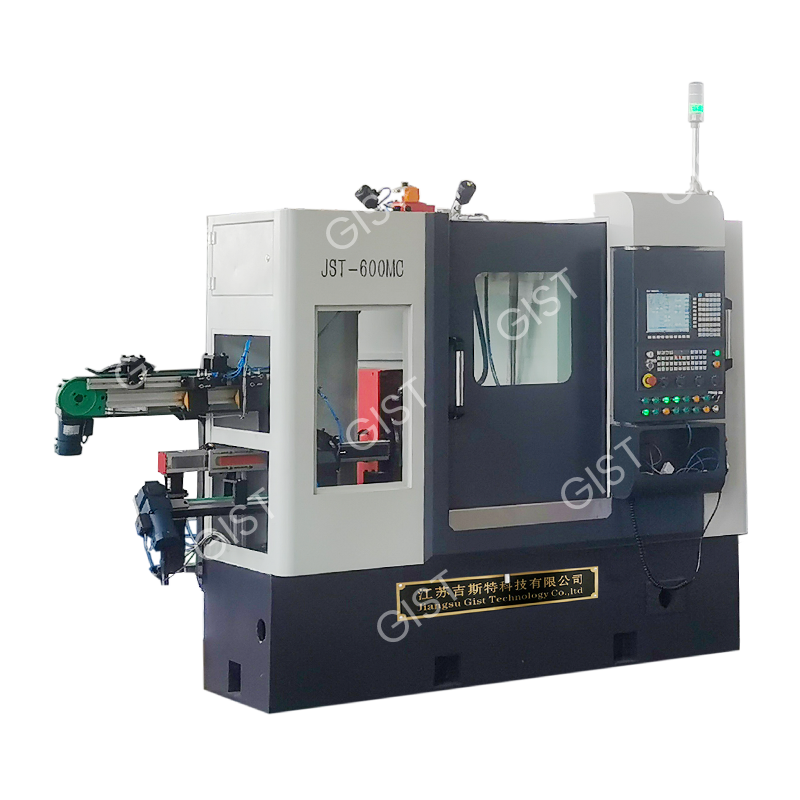
Category: Special valve CNC grinder Product Overview: The company has passed the certification of various systems such as ISO9001:2015 quality man...
More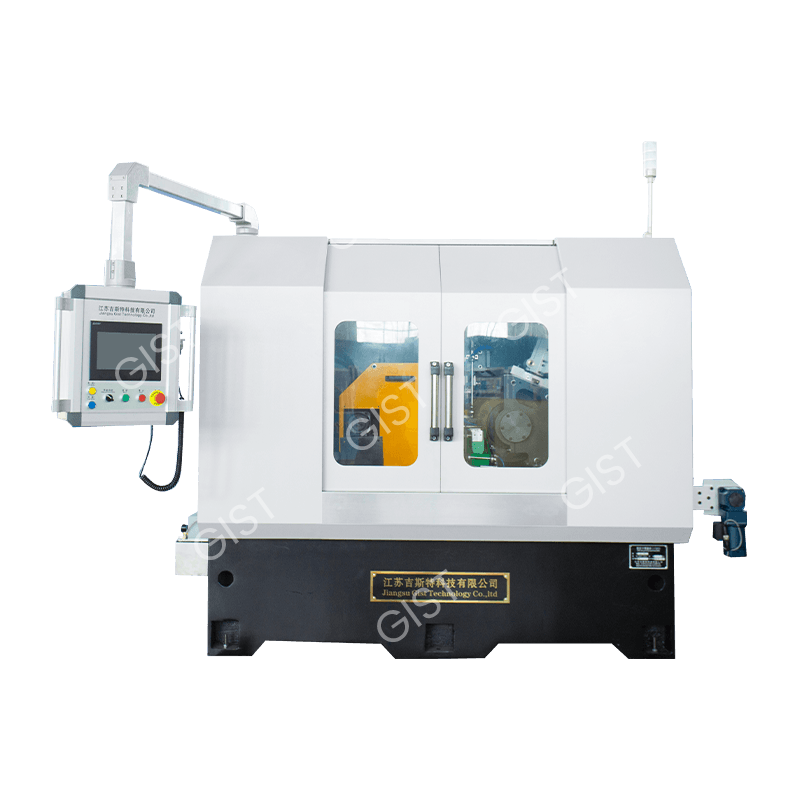
Category: Special valve CNC grinder Product Overview: The company has passed the certification of various systems such as ISO9001:2015 quality man...
More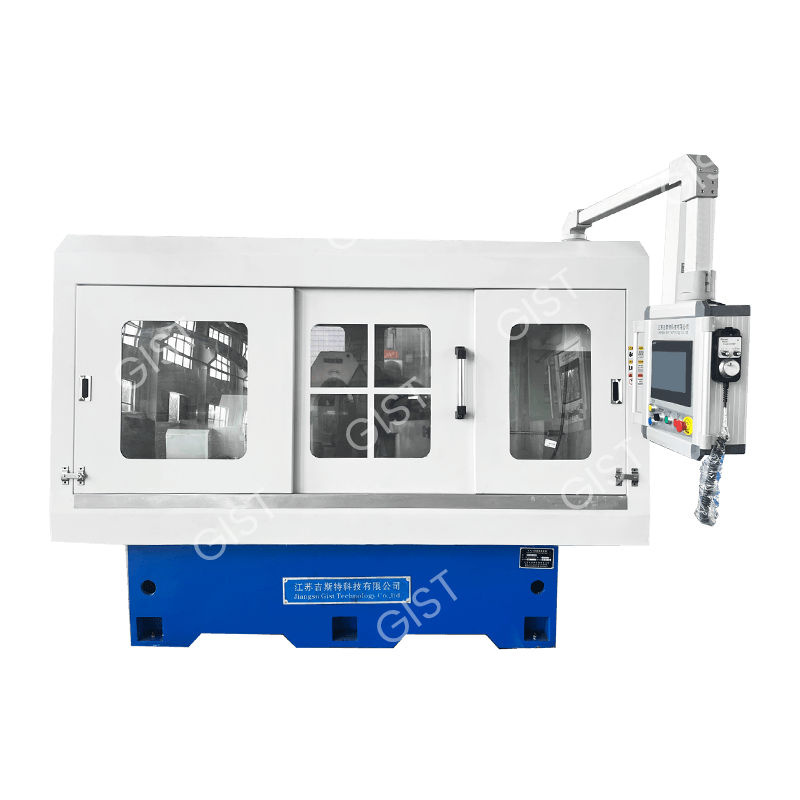
Category: Special valve CNC grinder Product Overview: The company has passed the certification of various systems such as ISO9001:2015 quality man...
More
Category: Special valve CNC grinder Product Overview: The company has passed the certification of various systems such as ISO9001:2015 quality man...
More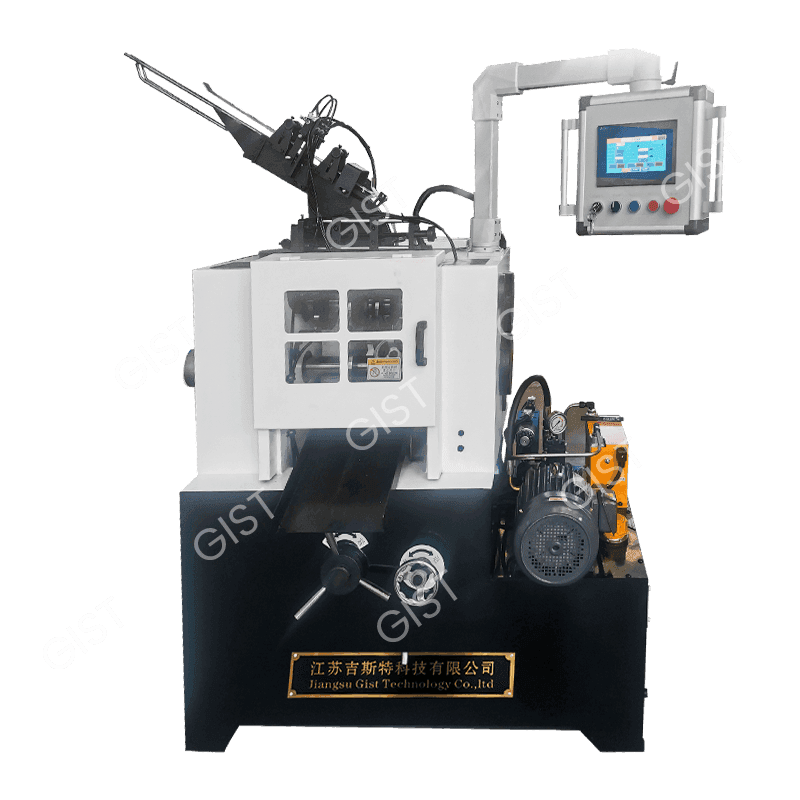
Category: Machining equipment Product Overview: The company has passed the certification of various systems such as ISO9001:2015 quality managemen...
More
Category: Valve blank molding equipment Product Overview: The company has passed the certification of various systems such as ISO9001:2015 quality...
More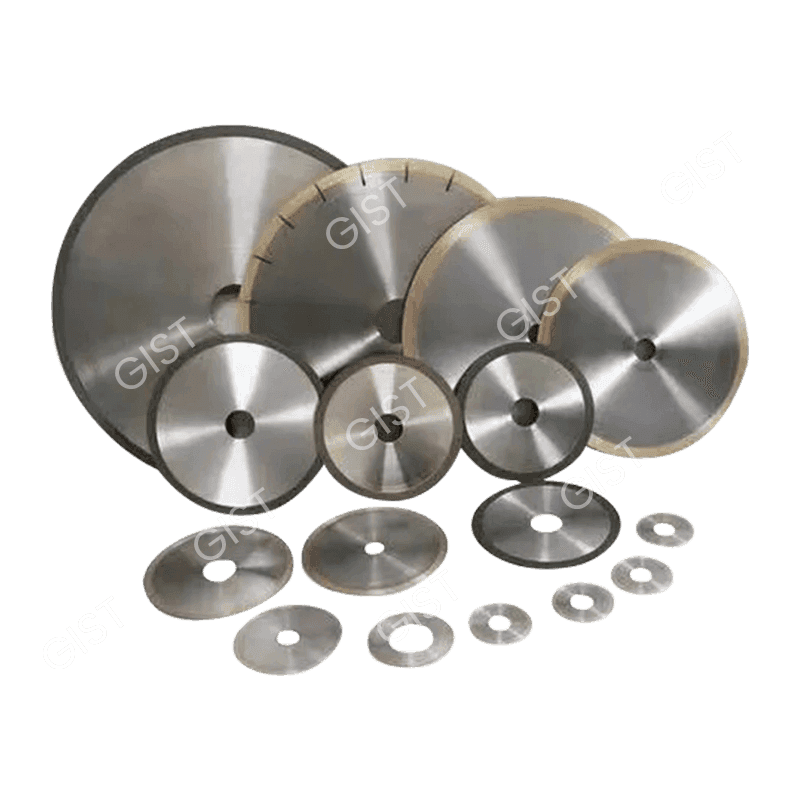
Category: Production auxiliary products Product Overview: The company has passed the certification of various systems such as ISO9001:2015 quality...
More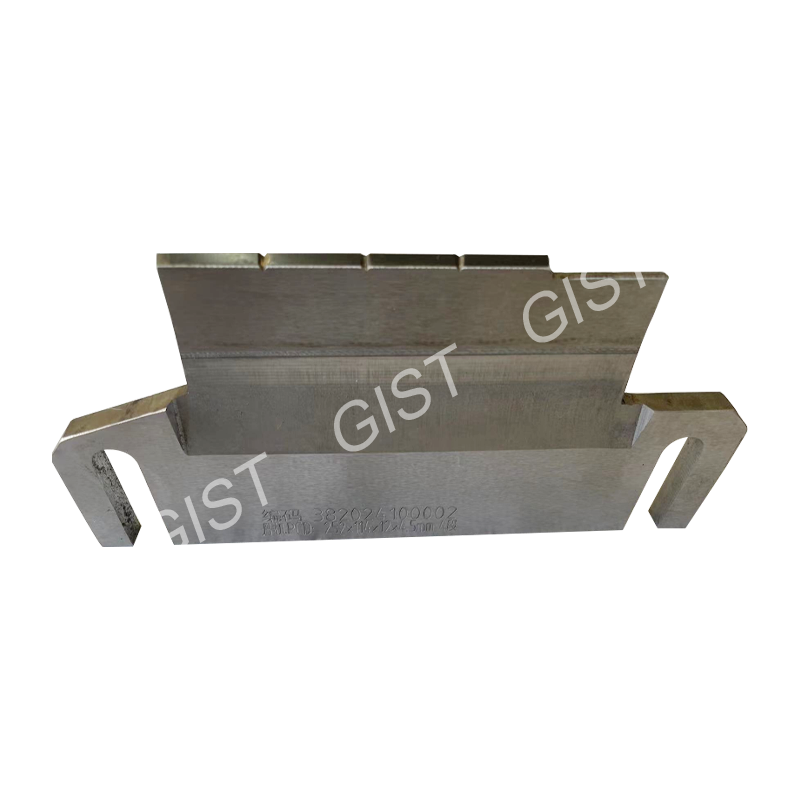
Category: Production auxiliary products Product Overview: The company has passed the certification of various systems such as ISO9001:2015 quality...
More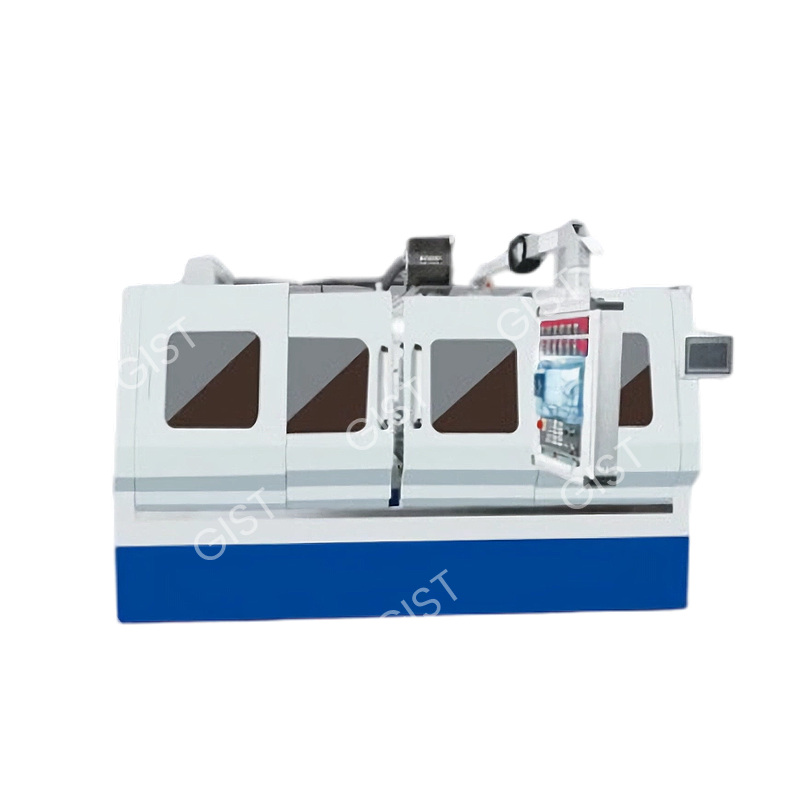
Category: Centreless grinder Overview: The company implements and implements various system management requirements, constantly innovates and impro...
More
 86-13584767515
86-0515-89500828
 No. 1, Industrial Concentration Area, Wulie Town, Dongtai City, Jiangsu Province
Product