English
 中文简体
中文简体 русский
 Español
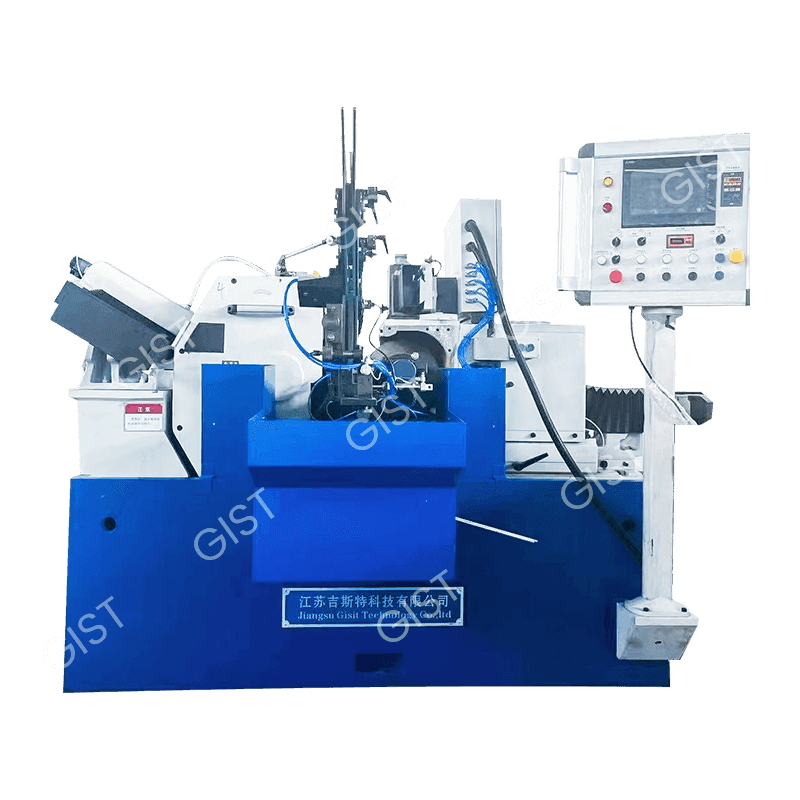
CNC Disk End Lathe
Cat:CNC Lathe
Category: CNC lathe Product Overview: The company has passed the certification of various systems such as ISO9001:2015 quality management system, ...
MoreA centerless grinding machine is a type of cylindrical grinding equipment that removes material from a workpiece without the need to fix the part between centers or chucks. Instead, the workpiece is supported by a work rest blade and regulated by a control wheel, while a grinding wheel performs the cutting action. This design allows for continuous, high-throughput machining of cylindrical components with exceptional roundness and surface finish — making it a cornerstone of modern precision manufacturing.
Unlike conventional center grinding, centerless grinding excels in processing long, slender, or thin-walled parts that would otherwise flex or deflect under clamping pressure. Components such as engine valves, hydraulic rods, bearing races, pins, and shafts are routinely produced on centerless grinders across automotive, aerospace, and industrial sectors.
As a leading China centerless grinding machine supplier, Jiangsu Gist Technology Co., Ltd. engineers high-precision, intelligent automation grinding solutions tailored to the most demanding manufacturing environments worldwide.
Content
The fundamental operating principle of a centerless grinding machine relies on three key components working in precise coordination: the grinding wheel, the regulating wheel, and the work rest blade. The workpiece is placed between the grinding wheel and the regulating wheel, resting on the blade at a height slightly above the centerline of both wheels. This geometric offset is critical — it creates a self-centering effect that maintains roundness throughout the grinding process.
The grinding wheel rotates at high speed (typically 1,800–3,600 RPM) and performs the actual material removal. The regulating wheel, set at a slight angle (usually 1°–6°), rotates more slowly and controls both the rotational speed of the workpiece and its axial feed rate. This angle directly determines how fast the part moves through the machine in through-feed mode.
The diagram above illustrates the three-point support system: the grinding wheel removes material at high speed, while the regulating wheel controls feed and rotation. The work rest blade positions the part above center to maintain geometric roundness. This frictionless, self-centering setup is what enables centerless grinding to achieve tolerances as tight as ±0.002 mm consistently across large production runs.
Understanding the anatomy of a centerless grinding machine is essential for selecting the right configuration and maintaining optimal performance. Each component plays a critical role in the quality of the finished workpiece.
| Component | Material / Specification | Function | Impact on Quality |
|---|---|---|---|
| Grinding Wheel | CBN, Alumina, SiC | Material removal, surface finishing | Surface roughness Ra, dimensional accuracy |
| Regulating Wheel | Rubber-bonded abrasive | Feed rate control, workpiece rotation | Roundness, feed consistency |
| Work Rest Blade | Hardened steel / carbide | Supports workpiece above centerline | Geometric stability, vibration reduction |
| Wheel Dressing Unit | Diamond roll / point dresser | Maintains wheel profile and sharpness | Consistent material removal rate |
| CNC Control System | PLC / servo-driven | Automation, parameter management | Repeatability, process traceability |
| Coolant System | High-pressure flood / mist | Heat dissipation, chip removal | Thermal stability, wheel life |
Choosing between centerless grinding and conventional between-centers cylindrical grinding involves trade-offs in setup time, rigidity, part geometry, and production volume. The chart below compares the two methods across six critical performance dimensions.
The radar chart reveals a clear pattern: centerless grinding dominates in throughput, setup speed, and automation potential, achieving scores of approximately 95, 85, and 90 out of 100 respectively. Conventional cylindrical grinding retains its edge in profile complexity and part rigidity — essential for complex-contoured or asymmetrical workpieces that require secure fixturing. For high-volume production of cylindrical parts such as engine valve stems, hydraulic cylinder rods, or bearing rollers, centerless grinding delivers measurably superior efficiency and consistency. The choice ultimately depends on batch size, part geometry, and tolerance requirements.
Centerless grinding machines serve a remarkably wide range of industries, each with distinct requirements for material, tolerance, and surface finish. The technology is particularly dominant in sectors where round components must be produced in large quantities with repeatable precision.
The automotive and engine component sectors together account for approximately 60% of global centerless grinding machine usage, driven by the massive production volumes of valves, pistons, crankshafts, and transmission components. Aerospace applications, while smaller in share, demand the highest tolerances — often requiring surface roughness below Ra 0.1 µm. The medical device sector is experiencing rapid growth, particularly for orthopedic implant components and minimally invasive surgical tools that require flawless cylindrical precision.
Jiangsu Gist Technology Co., Ltd. has established long-term partnerships with engine parts manufacturers including Germany MAHLE and the United States EATON — both renowned for their strict supplier qualification standards. These relationships reflect the company's capability to consistently deliver centerless grinding solutions that meet the demands of global Tier-1 automotive and industrial manufacturers.
One of the defining advantages of a well-configured centerless grinding machine is its ability to maintain extremely tight dimensional tolerances across large production volumes without the progressive error buildup associated with fixture-based methods. The table below summarizes the precision benchmarks achievable with modern CNC centerless grinders.
| Parameter | Standard CNC Centerless | High-Precision Model | Typical Application |
|---|---|---|---|
| Diameter Tolerance | ±0.005 mm | ±0.001 mm | Engine valves, bearing races |
| Roundness (Circularity) | 1–2 µm | 0.3–0.5 µm | Precision bearings, fuel injectors |
| Surface Roughness (Ra) | 0.2–0.4 µm | 0.05–0.1 µm | Medical implants, aerospace |
| Cylindricity | 3–5 µm / 100 mm | 1–2 µm / 100 mm | Hydraulic rods, spindle shafts |
| Material Removal Rate | Up to 6 mm³/mm·s | 1–2 mm³/mm·s (finish) | Roughing vs. finish grinding |
The transition from manually adjusted centerless grinders to fully automated CNC systems has fundamentally transformed production economics. Modern CNC centerless grinding machines incorporate servo-driven axes, real-time in-process gauging, and adaptive control algorithms that continuously compensate for wheel wear, thermal drift, and material hardness variations.
Jiangsu Gist Technology Co., Ltd. integrates advanced PLC and CNC control platforms with its grinding systems, enabling automated wheel dressing cycles, automatic gap compensation, and full traceability of process parameters. This level of intelligent control supports zero-defect manufacturing targets adopted by Tier-1 engine valve producers such as Chongqing Sanai Hailing Industrial Co., Ltd. and Jinan Ward Auto Parts Co., Ltd.
The line chart clearly illustrates a critical production reality: manual centerless grinders experience progressive dimensional drift as wheel wear accumulates, with deviation increasing from approximately 2.5 µm at the start of a run to nearly 10 µm after 5,000 parts — a 4x degradation that directly impacts scrap rates. CNC-automated systems with adaptive wheel dressing maintain consistent deviations below 1.8 µm throughout the entire production run. For manufacturers producing engine valve stems where tolerance bands of ±2 µm are standard, this consistency is not a luxury but a quality prerequisite. The data underscores why CNC automation is the standard for serious volume production.
Specifying a centerless grinding machine requires careful evaluation of several interdependent parameters. Selecting a machine that is undersized for the task results in poor surface quality and short wheel life, while an over-specified machine represents unnecessary capital expenditure. The following parameters should be evaluated systematically.
The column chart ranks machine selection criteria by their relative importance based on industry practitioner feedback and application engineering data. Grinding wheel speed capability tops the list because spindle speed directly determines material removal rate and achievable surface roughness — an underpowered spindle cannot compensate through any other adjustment. Workpiece diameter range and machine rigidity follow closely, as these define the physical boundaries of what the machine can process and how it handles cutting forces without vibration. Machine footprint, while relevant for facility planning, ranks lowest as it rarely drives the technical capability decision.
Most centerless grinding machines are designed around specific workpiece diameter ranges. Common categories include small-bore machines handling diameters from 0.3 mm to 50 mm, mid-range machines for 10–150 mm, and heavy-duty models for 50–300 mm shafts and rolls. The grinding wheel width also determines the maximum workpiece length that can be finished in a single pass during in-feed grinding — typical wheel widths range from 100 mm to 600 mm.
Wheel selection is a critical process engineering decision. Alumina (Al₂O₃) wheels are cost-effective for carbon steels and ferrous materials. Silicon carbide (SiC) wheels are preferred for hard, brittle materials like ceramics and cast iron. CBN (Cubic Boron Nitride) wheels offer exceptional wheel life and dimensional consistency for hardened steels — a single CBN wheel can dress hundreds of thousands of parts before replacement, compared to tens of thousands for conventional abrasives. The tradeoff is significantly higher initial wheel cost.
Consistent precision output from a centerless grinding machine depends on disciplined preventive maintenance. Unlike conventional machine tools where wear primarily affects a single axis, centerless grinders involve three interacting dynamic systems — making systematic maintenance planning essential for sustaining output quality.
Analysis of centerless grinding process defects across production environments reveals that over 55% of quality issues originate from wheel-related causes — either grinding wheel wear profiles or regulating wheel setup errors. This underscores why regular wheel dressing schedules and precise wheel gap calibration protocols are the highest-return maintenance activities. Work rest blade height, which controls the critical above-center positioning of the workpiece, accounts for 18% of defects and is often overlooked as a wear item despite direct impact on roundness. A blade worn by as little as 0.05 mm can introduce measurable out-of-roundness in finished parts.
| Defect Symptom | Most Likely Cause | Corrective Action |
|---|---|---|
| Chatter marks / vibration lines | Wheel imbalance or worn spindle bearings | Re-balance wheel; inspect bearings; reduce infeed rate |
| Taper on finished part | Regulating wheel angle misaligned | Re-align regulating wheel swivel angle; check blade level |
| Poor roundness / lobing | Incorrect blade height setting | Recalculate and reset blade height above center |
| Burned or discolored surface | Excessive infeed, insufficient coolant, glazed wheel | Dress wheel; increase coolant flow; reduce infeed depth |
| Inconsistent diameter across batch | Thermal drift or wheel wear drift | Enable auto-compensation; reduce dressing interval |
Jiangsu Gist Technology Co., Ltd. — formerly Dongtai Weifeng Machinery Factory, founded in 2012 — was reestablished in April 2020 as a dedicated manufacturer of complete-machine automation equipment. Located in the Industrial Concentration Zone, Wulie Town, Dongtai City, the company occupies 22 mu of land with over 11,000 square meters of production facilities and a total capital investment of 100 million yuan. Construction of the new facility began in early 2021 and was completed in early 2022.
The company's high-end intelligent automation equipment serves core engine component applications in locomotives, generator sets, mining machinery, commercial vehicles, and marine applications. Jiangsu Gist has established long-term supply relationships with globally recognized manufacturers and has been incorporated into their international procurement systems. The company holds independent import and export rights and has delivered equipment to over 20 countries and regions including Germany, Japan, Turkey, and Iran.
In recognition of its technological innovation, Jiangsu Gist was awarded National High-Tech Enterprise status in 2022 and designated as a Specialized and New Enterprise in 2024. The company holds more than 10 invention patents and over 100 utility model patents. All operations are certified under ISO 9001:2015, ISO 14001:2015, and ISO 45001:2018 management systems, ensuring consistent quality, environmental responsibility, and occupational safety standards across the organization.
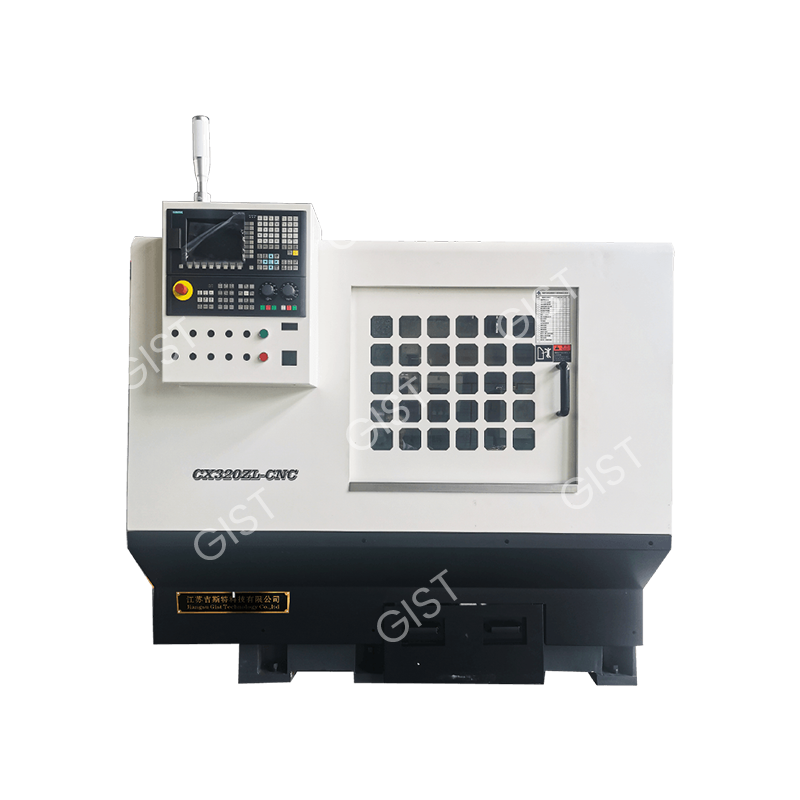
Category: CNC lathe Product Overview: The company has passed the certification of various systems such as ISO9001:2015 quality management system, ...
More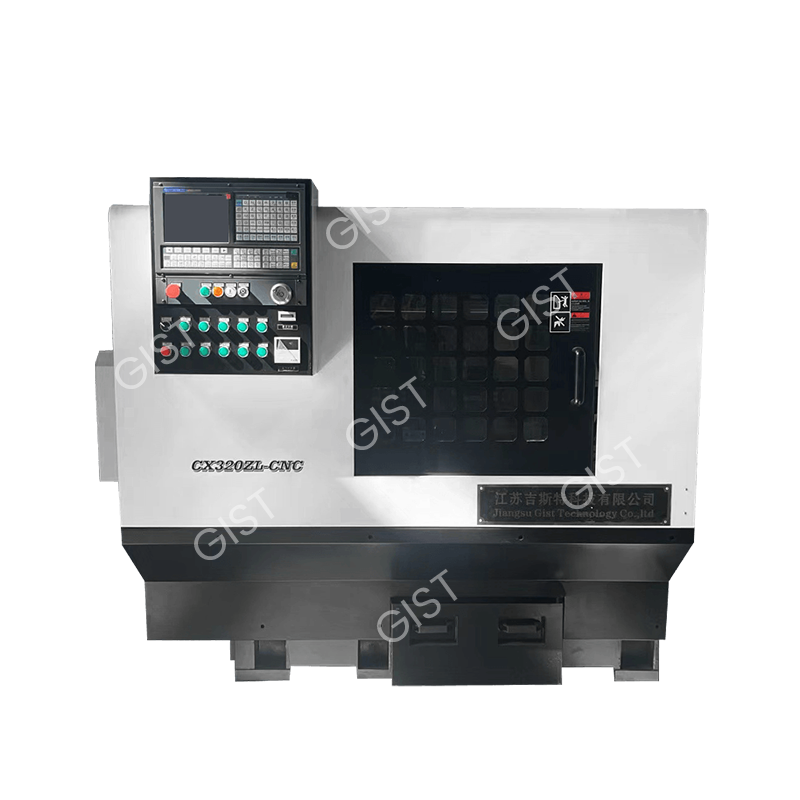
Category: CNC lathe Product Overview: The company has passed the certification of various systems such as ISO9001:2015 quality management system, ...
More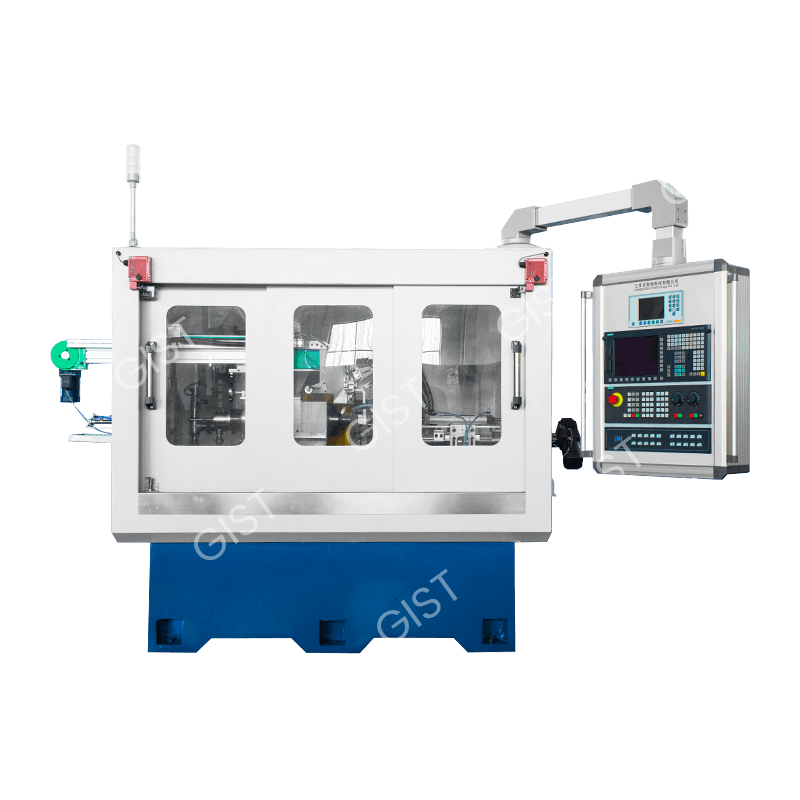
Category: Special valve CNC grinder Product Overview: The company has passed the certification of various systems such as ISO9001:2015 quality man...
More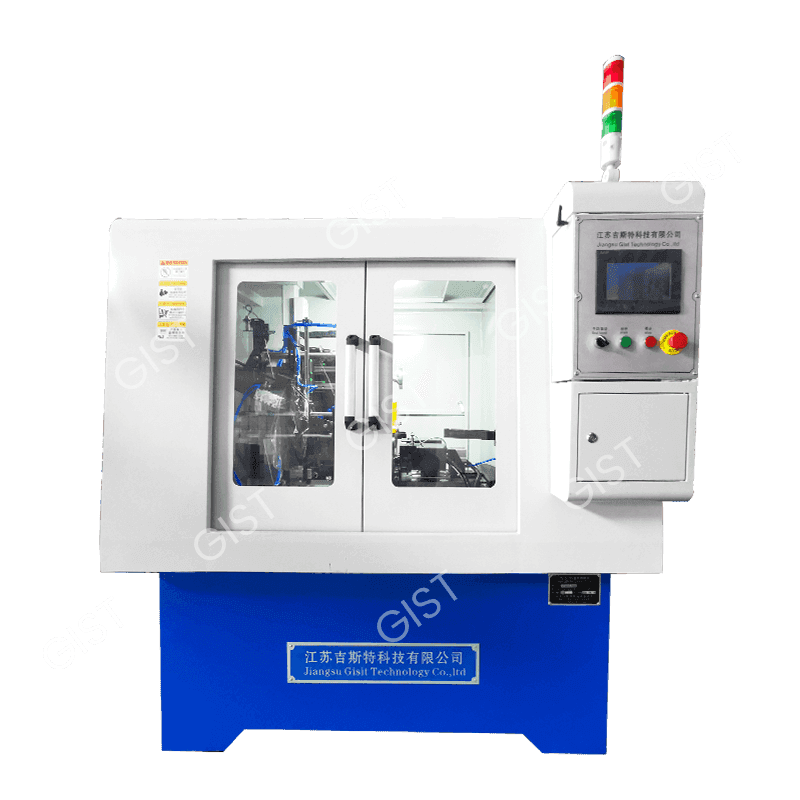
Category: Special valve CNC grinder Product Overview: The company has passed the certification of various systems such as ISO9001:2015 quality man...
More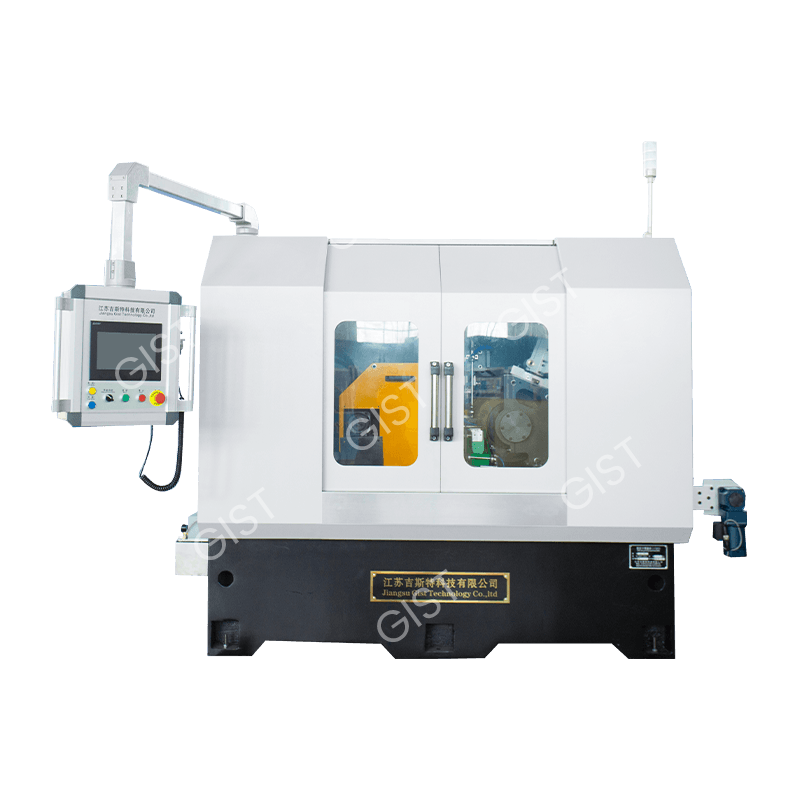
Category: Special valve CNC grinder Product Overview: The company has passed the certification of various systems such as ISO9001:2015 quality man...
More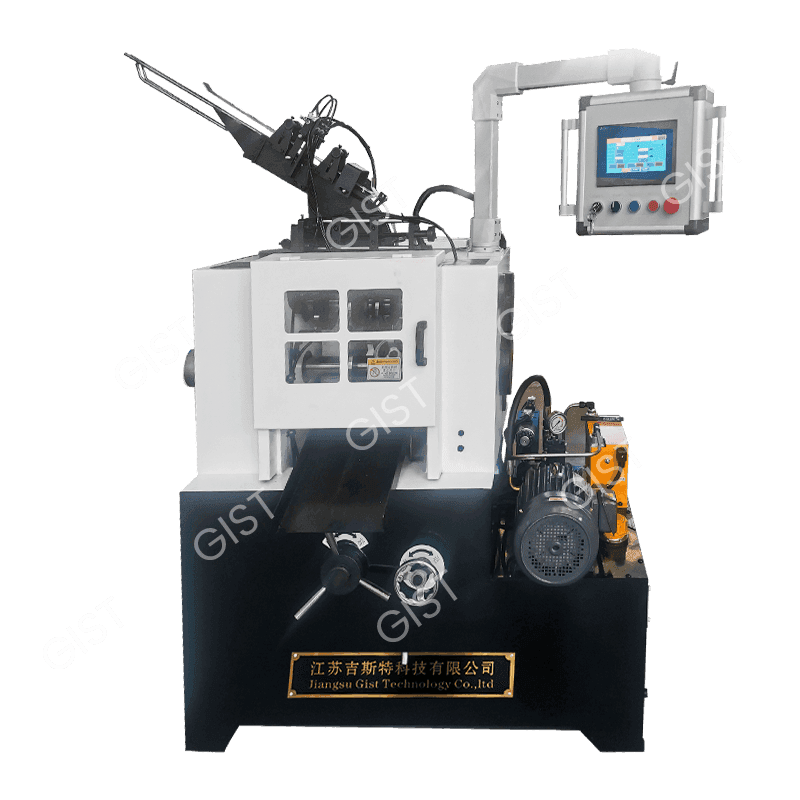
Category: Machining equipment Product Overview: The company has passed the certification of various systems such as ISO9001:2015 quality managemen...
More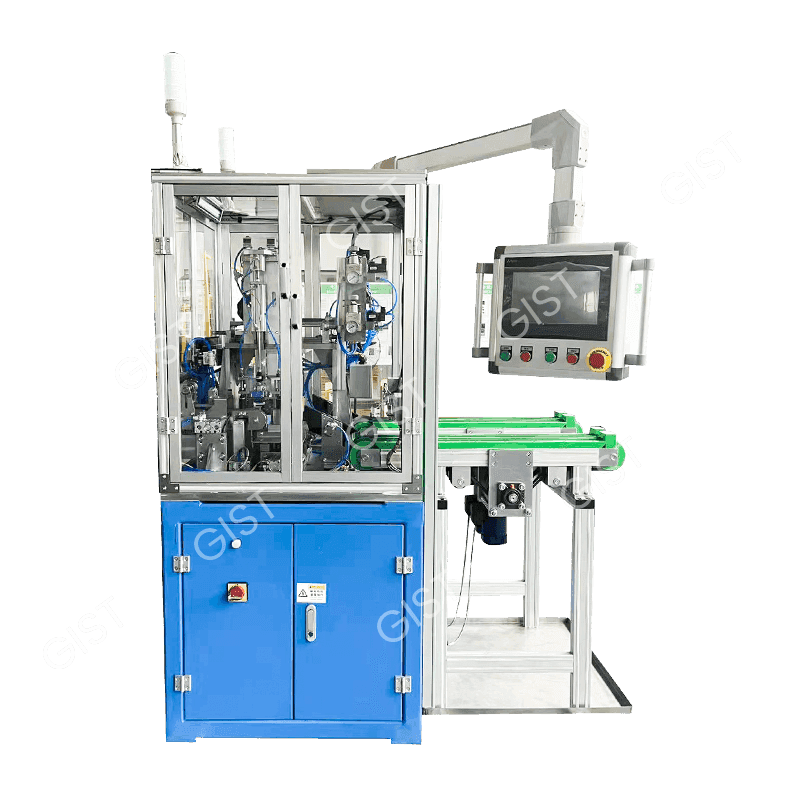
Category: Finished product testing equipment Product Overview: The company has passed the certification of various systems such as ISO9001:2015 qu...
More
Category: Production auxiliary products Product Overview: The company has passed the certification of various systems such as ISO9001:2015 quality...
More
Category: Production auxiliary products Product Overview: The company has passed the certification of various systems such as ISO9001:2015 quality...
More
 86-13584767515
86-0515-89500828
 No. 1, Industrial Concentration Area, Wulie Town, Dongtai City, Jiangsu Province
Product