English
 中文简体
中文简体 русский
 Español
CNC Disk End Lathe
Cat:CNC Lathe
Category: CNC lathe Product Overview: The company has passed the certification of various systems such as ISO9001:2015 quality management system, ...
MoreIn the machining industry, CNC lathes have become one of the core pieces of equipment for improving machining accuracy and production efficiency. However, faced with the numerous models and varying configurations of CNC lathes on the market, many companies and purchasing personnel are left wondering: how do you choose a CNC lathe that truly suits your needs? An incorrect choice can not only increase costs but also affect production efficiency and product quality. This article will guide you on how to choose the right CNC Lathe Machine.
1. Clarify Processing Needs and Application Scenarios
The first step in choosing a CNC lathe is to clearly understand your processing needs. Different companies have significant differences in the size, precision, and batch size of the parts they process. For example, small precision parts processing focuses more on high speed and high precision, while large parts such as shafts or discs prioritize bed rigidity and maximum machining diameter.
At the same time, it is also necessary to clarify the type of production, whether it is single-piece small-batch, multi-variety production, or long-term large-batch processing. For multi-variety, small-batch production, the flexibility and changeover efficiency of the CNC lathe are particularly important; while large-batch production is more suitable for models with a higher degree of automation.
2. Focus on the Machining Accuracy and Stability of the CNC Lathe
Machining accuracy is an important indicator of CNC lathe performance and directly affects product quality. When choosing, attention should be paid to spindle accuracy, guide rail type, and bed structure. A high-rigidity bed and a stable guide rail system help reduce vibration and thermal deformation, ensuring consistency in long-term processing.
In addition, the stability of the equipment during continuous operation is equally important. A stable CNC lathe can maintain dimensional accuracy during long-term processing, reducing the scrap rate.
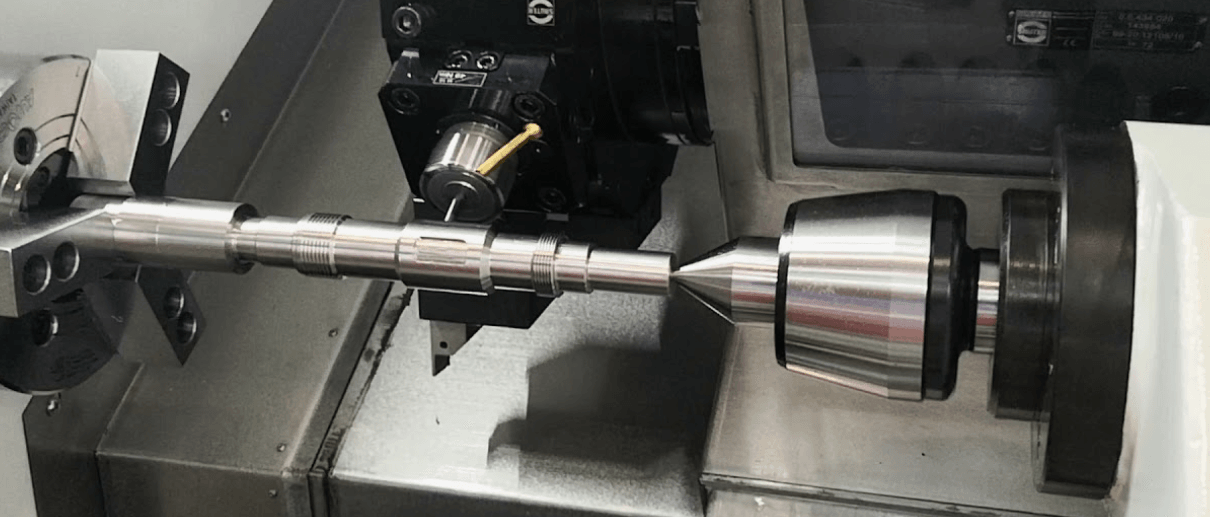
3. Reasonably Select the Spindle and Feed System
The spindle speed range and power determine the machining capabilities of the CNC lathe. High-speed spindles are suitable for precision machining and small parts processing, while high-torque spindles are more suitable for heavy cutting and large workpiece processing. The response speed and positioning accuracy of the feed system are related to machining efficiency and surface quality.
When selecting a model, you should combine your commonly used materials and processing techniques to choose a matching spindle and feed configuration, avoiding over- or under-performance.
4. CNC System and Ease of Operation
The CNC system is the "brain" of the CNC lathe, and its stability and ease of use are crucial. A mature and reliable CNC system provides a more user-friendly interface and richer processing functions, reducing operating errors and improving production efficiency.
For companies with limited operator experience, the ease of learning and use of the system, and its support for common programming methods, are also crucial factors when choosing a CNC lathe.
5. Automation and Expandability
With rising labor costs, more and more companies are prioritizing automation configurations. Support for automatic feeding, robotic arms, or online inspection will directly impact future production upgrade potential. Even if full automation is not currently needed, it is recommended to choose a CNC lathe with expandability for future upgrades.

6. Cost Budget and Long-Term Investment
Choosing a CNC lathe shouldn't be based solely on the purchase price. Comprehensive consideration should be given to operating costs, including energy consumption, maintenance costs, replacement of wear parts, and after-sales service. While high-quality CNC lathes have higher initial investment, they are often more stable and reliable in the long run, resulting in lower overall costs.
7. Selection Comparison under Different Needs
To more clearly understand the CNC lathe selection options corresponding to different needs, a simple comparison is provided in the table below:
| Selection Factor | Small Precision Machining | General Machining | Heavy-Duty Machining |
| Processing Focus | High precision, high speed | Stability and flexibility | High rigidity, high torque |
| Spindle Requirement | High-speed spindle | Medium-speed spindle | High-torque spindle |
| Bed Structure | Compact design | Standard bed | Reinforced bed |
| Automation Requirement | Optional | Expandable | Typically equipped with automation |
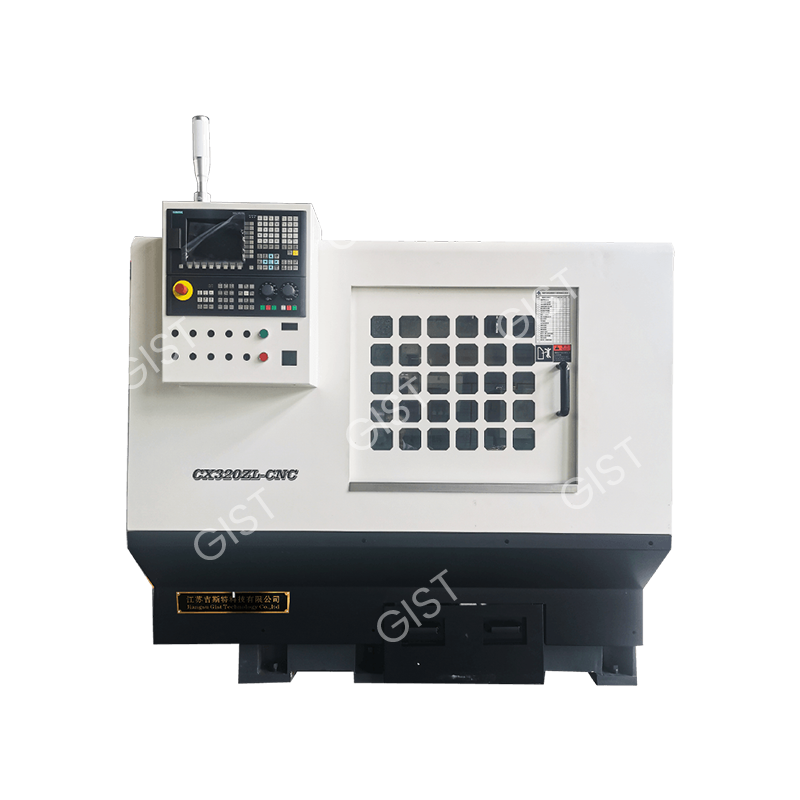
Category: CNC lathe Product Overview: The company has passed the certification of various systems such as ISO9001:2015 quality management system, ...
More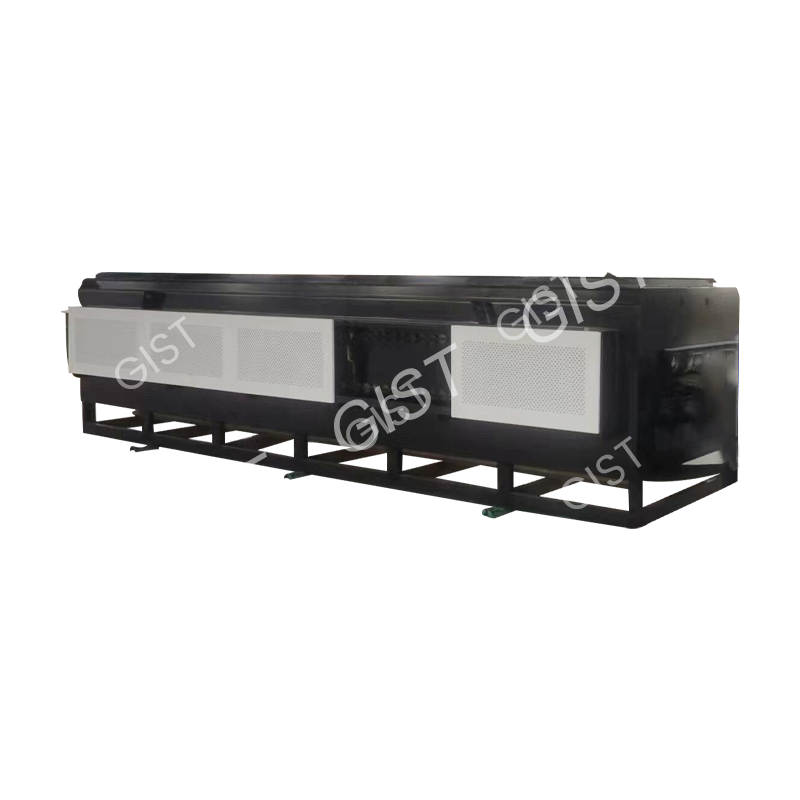
Category: Heat treatment equipment Product Overview: The company has passed the certification of various systems such as ISO9001:2015 quality mana...
More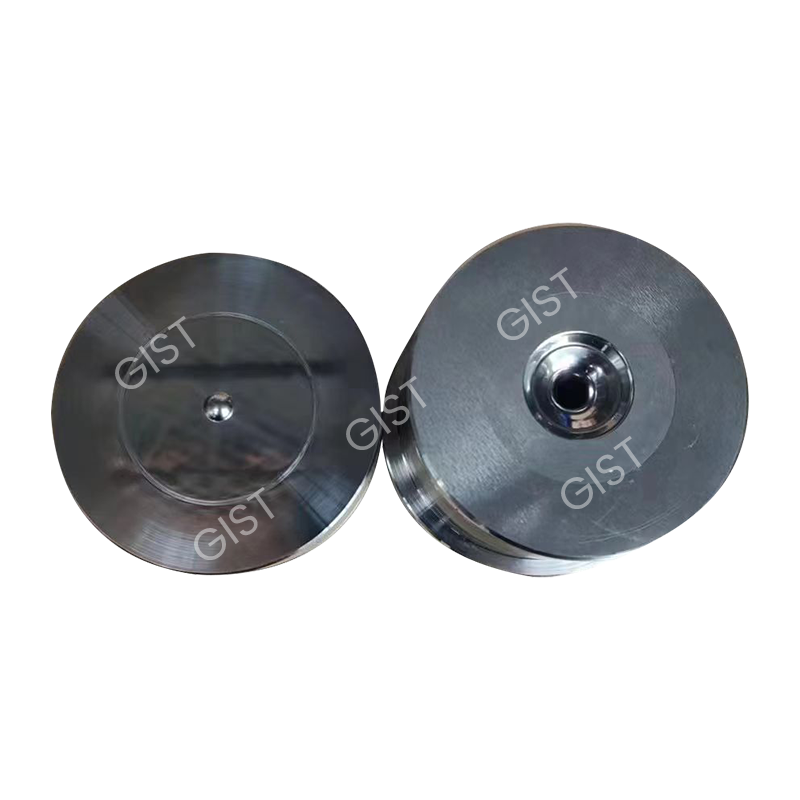
Category: Production auxiliary products Product Overview: The company has passed the certification of various systems such as ISO9001:2015 quality...
More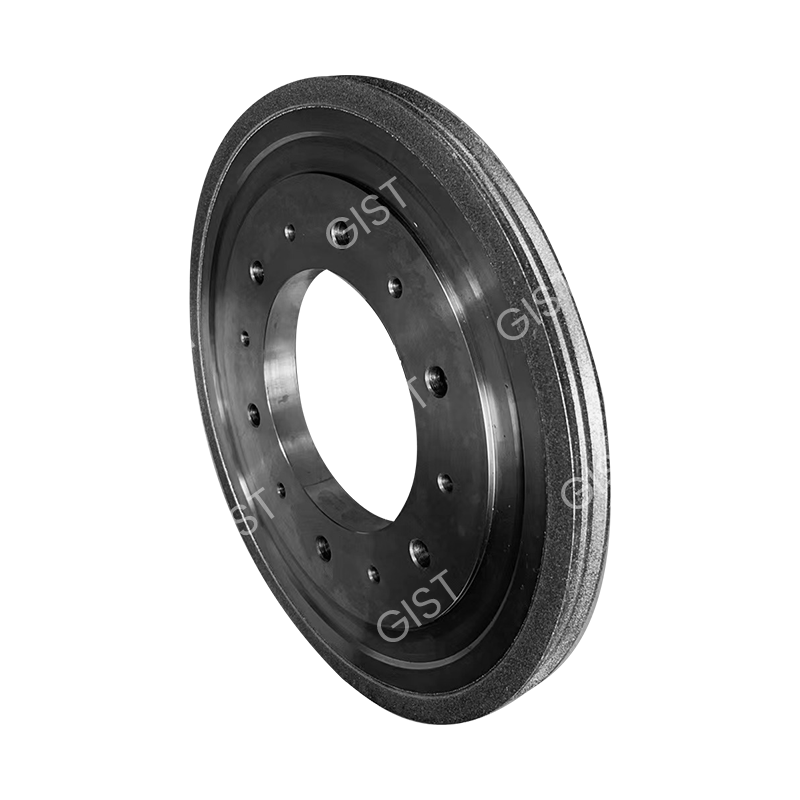
Category: Production auxiliary products Product Overview: The company has passed the certification of various systems such as ISO9001:2015 quality...
More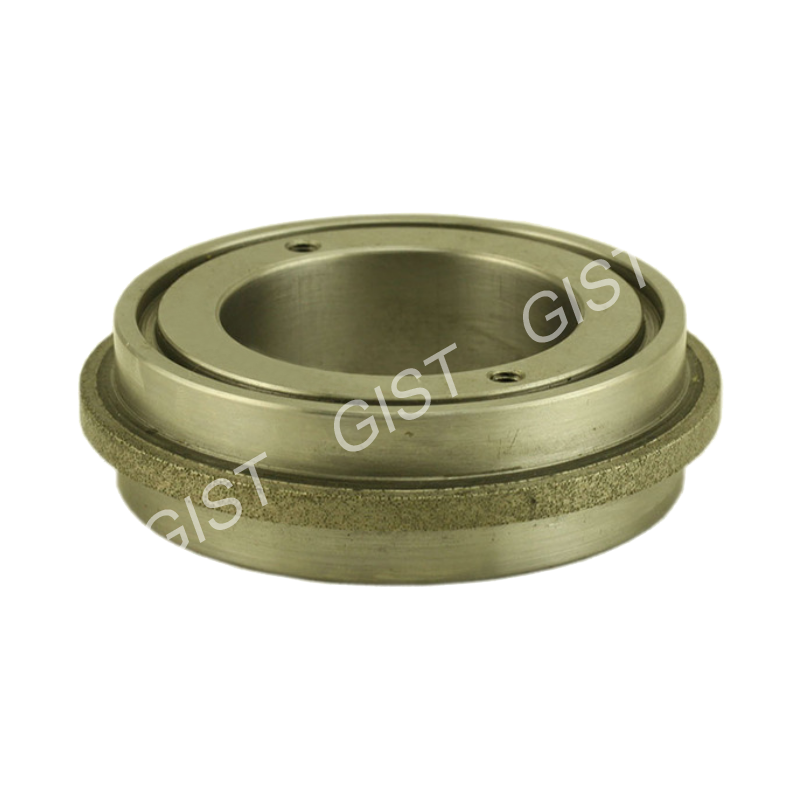
Category: Production auxiliary products Product Overview: The company has passed the certification of various systems such as ISO9001:2015 quality...
More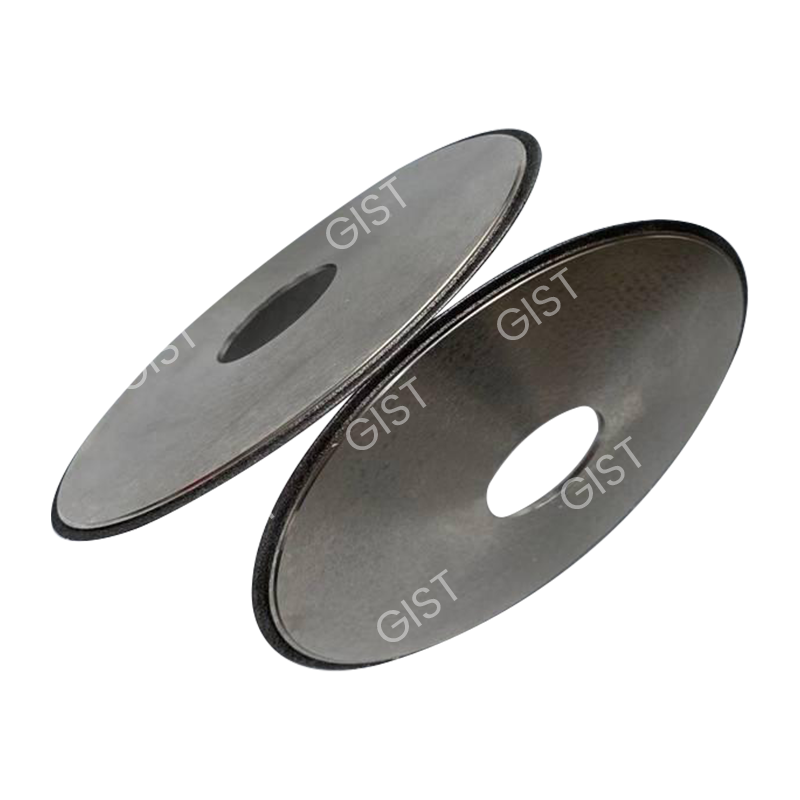
Category: Production auxiliary products Product Overview: The company has passed the certification of various systems such as ISO9001:2015 quality...
More
Category: Production auxiliary products Product Overview: The company has passed the certification of various systems such as ISO9001:2015 quality...
More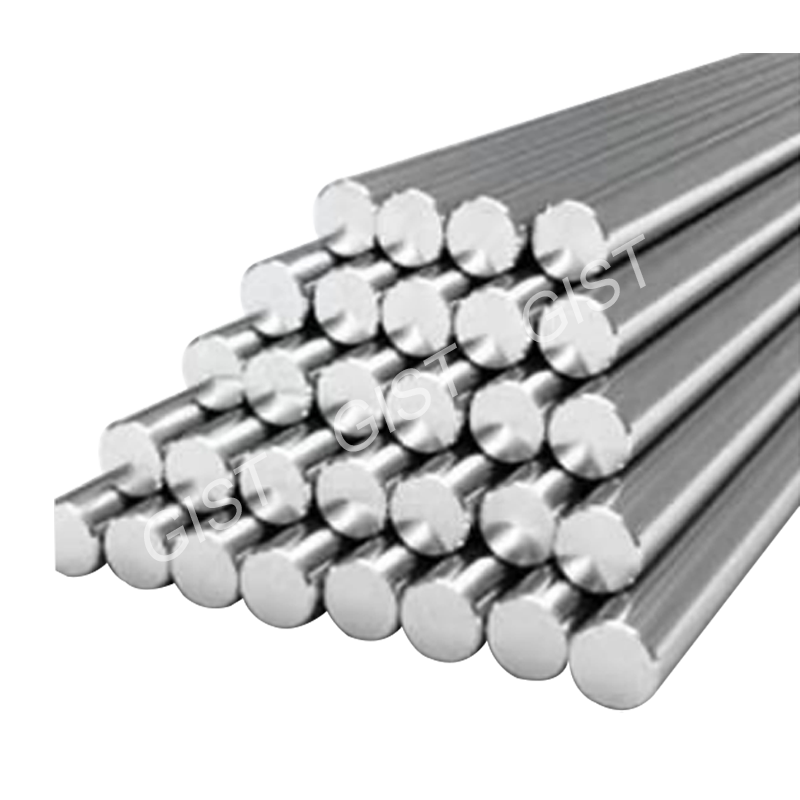
Category: Production auxiliary products Product Overview: The company has passed the certification of various systems such as ISO9001:2015 quality...
More
Category: Production auxiliary products Product Overview: The company has passed the certification of various systems such as ISO9001:2015 quality...
More
Category: Production auxiliary products Product Overview: The company has passed the certification of various systems such as ISO9001:2015 quality...
More
 86-13584767515
86-0515-89500828
 No. 1, Industrial Concentration Area, Wulie Town, Dongtai City, Jiangsu Province
Product