English
 中文简体
中文简体 русский
 Español
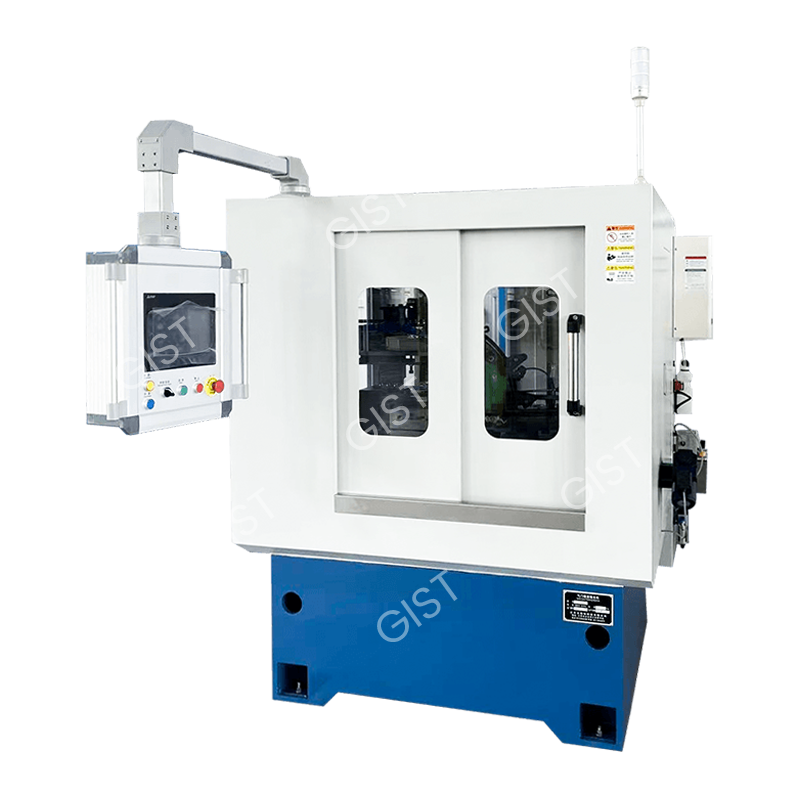
Ceramic CBN Grinding Wheel Centerless Grinding Machine
Cat:Centerless Grinding Machine
It is mainly used for precision grinding of outer circles of engine inlet and exhaust valve stems, bearings, and various shaft products.
MoreCenterless grinding machines offer a distinct set of production advantages that conventional cylindrical grinders cannot match: higher throughput, superior roundness consistency, no workpiece fixturing, and continuous feed capability. For manufacturers producing high volumes of cylindrical precision parts — such as shafts, pins, rollers, and medical components — these advantages translate directly into lower cycle times, reduced labor costs, and tighter dimensional control across entire production runs. A CNC Centerless Grinding Machine for precision parts further amplifies these benefits by adding programmable control, adaptive feedback, and multi-step cycle automation to an already efficient process.
Content
Understanding the advantages of a centerless grinding machine begins with its operating principle. Unlike center-type cylindrical grinders, which hold the workpiece between two centers or in a chuck, the centerless grinding machine supports the part on three contact points: the grinding wheel, the regulating wheel, and a work rest blade between them. This three-point contact arrangement is what enables most of the machine's production advantages.
The grinding wheel removes material at high surface speed, while the regulating wheel controls rotational speed and axial feed of the workpiece. The work rest blade holds the part at a precise height relative to wheel centerlines. Because the workpiece is self-locating against these three reference points, no chuck, collet, or center mounting is required. Parts simply enter the grinding zone and exit finished, enabling continuous production without manual intervention between cycles.
There are two primary operational modes used in centerless grinding machines:
The single most operationally significant advantage of the centerless grinding machine is the elimination of workpiece fixturing. In conventional grinding, each part must be loaded into a chuck or mounted between centers, clamped, ground, unclamped, and unloaded. This sequence adds non-cutting time to every part cycle.
In through-feed centerless grinding, parts are fed from a hopper or vibratory feeder and exit the machine ground to specification without any operator handling between entry and exit. For small cylindrical parts such as bearing rollers, valve spools, or hydraulic pins, this enables throughput rates of 200 to over 1,000 parts per hour on a single machine, which no fixturing-based process can approach.
This fixturing-free architecture also eliminates clamping distortion. When a thin-walled or slender workpiece is held in a chuck under clamping force, the part deforms slightly during grinding and springs back when released, introducing out-of-roundness error. The centerless grinding machine avoids this entirely, making it the preferred process for parts with wall thickness below approximately 3 mm relative to their diameter.
The three-point contact geometry of centerless grinding inherently averages out pre-existing out-of-roundness in the incoming blank. As the workpiece rotates against all three contact surfaces simultaneously, high points on its circumference are preferentially removed until the surface converges on a true cylinder. This self-correcting rounding action produces roundness values that are difficult to achieve by other means at equivalent production rates.
In optimized centerless grinding setups, roundness error of less than 0.001 mm (1 micron) is achievable on hardened steel parts. Diameter tolerance of plus or minus 0.002 to 0.005 mm is standard in production environments, and surface roughness values of Ra 0.2 to 0.4 micrometers are consistently achieved without additional finishing operations.
| Process | Diameter Tolerance | Roundness (typical) | Surface Roughness Ra | Production Rate |
|---|---|---|---|---|
| Centerless Grinding | +/- 0.002 - 0.005 mm | 0.001 - 0.003 mm | 0.2 - 0.4 um | 200 - 1,000+ pph |
| Cylindrical (Center-Type) Grinding | +/- 0.003 - 0.010 mm | 0.002 - 0.005 mm | 0.2 - 0.8 um | 30 - 120 pph |
| CNC Turning (Fine) | +/- 0.010 - 0.025 mm | 0.005 - 0.015 mm | 0.8 - 3.2 um | 60 - 300 pph |
| Honing | +/- 0.003 - 0.008 mm | 0.001 - 0.003 mm | 0.1 - 0.4 um | 20 - 80 pph |
A CNC Centerless Grinding Machine for precision parts extends the baseline advantages of the process with programmable automation, closed-loop dimensional control, and multi-parameter cycle management. These capabilities make CNC centerless machines the preferred configuration for precision manufacturing environments.
Modern CNC centerless grinding machines integrate post-process or in-process gauging systems that measure finished part diameter and feed correction signals back to the CNC controller. When a part diameter drifts beyond a preset tolerance band — typically triggered after detecting as little as 0.001 mm of drift — the controller automatically adjusts wheel position to compensate. This eliminates the need for periodic manual measurement and correction, sustaining dimensional consistency across shifts without operator intervention.
CNC control allows the grinding cycle to be divided into rough, semi-finish, and finish passes with independently programmed feed rates and spark-out dwell times. This structured approach maximizes material removal rate in early passes while achieving fine surface finish and dimensional accuracy in the final pass — combining productivity and quality in a single setup.
CNC centerless grinding machines store complete job programs including wheel speed, regulating wheel angle, feed rate, part height, and dressing parameters. Switching between part families requires only program recall, reducing changeover time from the 90-120 minutes typical of manually set machines to under 20 minutes in well-organized cells.
One of the most operationally compelling advantages of the centerless grinding machine in a mass production context is its ability to run continuously without interruption. In through-feed mode, parts enter one end of the machine and exit the other in a steady stream. This continuous flow is compatible with automated loading systems and inline quality inspection, enabling fully integrated production cells that require minimal human touchpoints.
Comparative parts-per-hour throughput for a 20 mm diameter steel pin across grinding configurations
For a standard 20 mm diameter hardened steel pin requiring a ground surface tolerance of plus or minus 0.005 mm, a through-feed centerless grinding machine can complete the operation at rates of 600 to 800 parts per hour. Equivalent center-type cylindrical grinding of the same part averages 80 to 120 parts per hour — a throughput difference of approximately 6 to 7 times in favor of centerless grinding.
The centerless grinding machine reduces labor dependency in two ways: it eliminates per-part handling through continuous feed, and it maintains dimensional consistency without requiring frequent operator measurement and adjustment. Once a through-feed setup is qualified, a single operator can supervise multiple machines simultaneously, which is not feasible with fixturing-based grinders where each part cycle requires manual loading.
In automated cells using vibratory bowl feeders and conveyor exit systems, the operator role shifts entirely to periodic quality sampling and wheel condition monitoring. Labor utilization improvements of 40 to 60% compared to center-type grinding operations are commonly documented when switching high-volume cylindrical parts to centerless processes.
Estimated operator parts supervised per hour across grinding machine configurations
Centerless grinding machines are not limited to a narrow range of materials or part sizes. Their contact support architecture accommodates a wide spectrum of workpiece characteristics.
Standard centerless grinding machines handle workpiece diameters from 0.5 mm (micro-centerless configurations) up to 300 mm or more on heavy-duty industrial models. Part length in through-feed mode is limited only by the infeed guide arrangement, making very long slender parts such as hydraulic cylinder rods and automotive push rods practical candidates for the process.
The combination of high throughput, fine tolerances, and material versatility positions the centerless grinding machine as the process of choice across several demanding manufacturing sectors.
| Industry | Typical Parts Ground | Key Tolerance Requirement | Preferred Mode |
|---|---|---|---|
| Automotive | Camshafts, valve stems, transmission pins | +/- 0.003 mm diameter | Through-feed / In-feed |
| Bearing Manufacturing | Bearing rollers, needle rollers, inner rings | Roundness < 0.001 mm | Through-feed |
| Medical Devices | Bone screws, catheter tubes, implant rods | Ra < 0.2 um surface finish | Through-feed / In-feed |
| Hydraulics and Pneumatics | Cylinder rods, valve spools, plungers | +/- 0.005 mm, Ra 0.4 um | Through-feed |
| Aerospace | Turbine fasteners, actuator shafts, bushings | +/- 0.002 mm, full traceability | CNC In-feed |
A balanced assessment of the centerless grinding machine must include its operational constraints, which determine whether it is the right process for a given application.
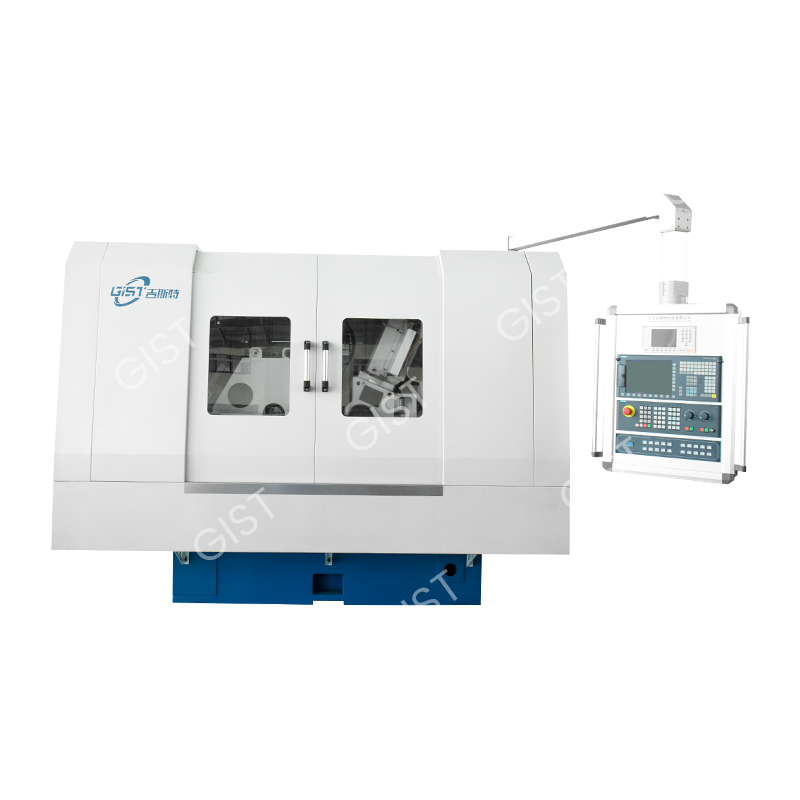
It is mainly used for precision grinding of outer circles of engine inlet and exhaust valve stems, bearings, and various shaft products.
More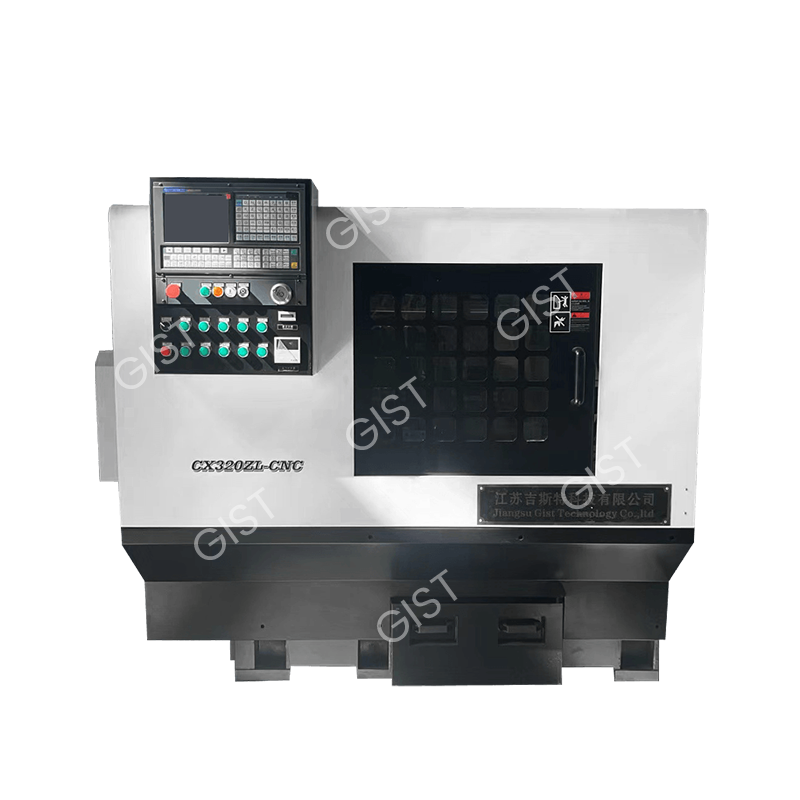
Category: CNC lathe Product Overview: The company has passed the certification of various systems such as ISO9001:2015 quality management system, ...
More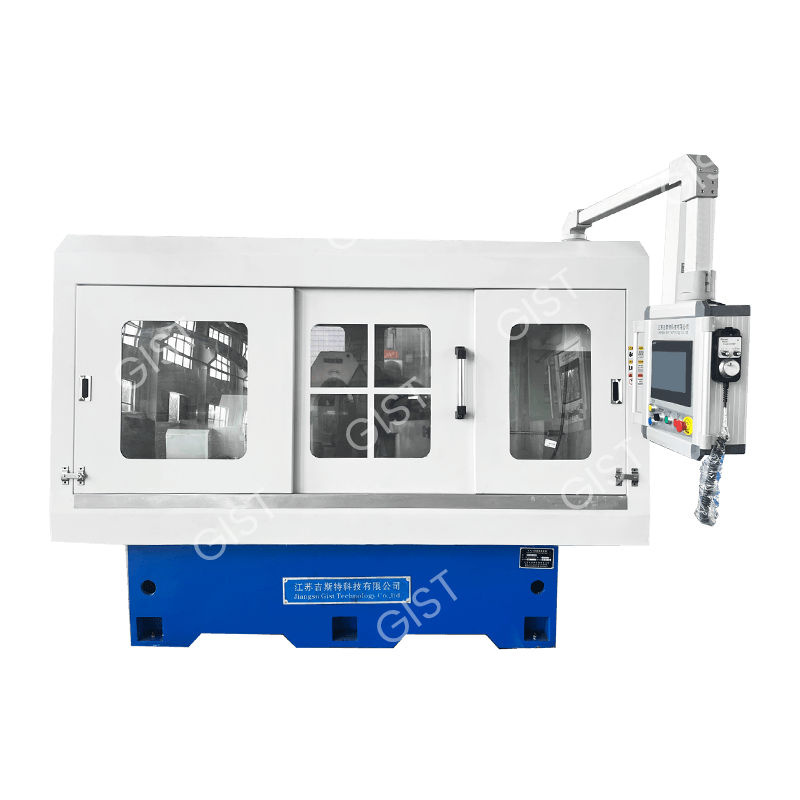
Category: Special valve CNC grinder Product Overview: The company has passed the certification of various systems such as ISO9001:2015 quality man...
More
Category: Valve blank molding equipment Product Overview: The company has passed the certification of various systems such as ISO9001:2015 quality...
More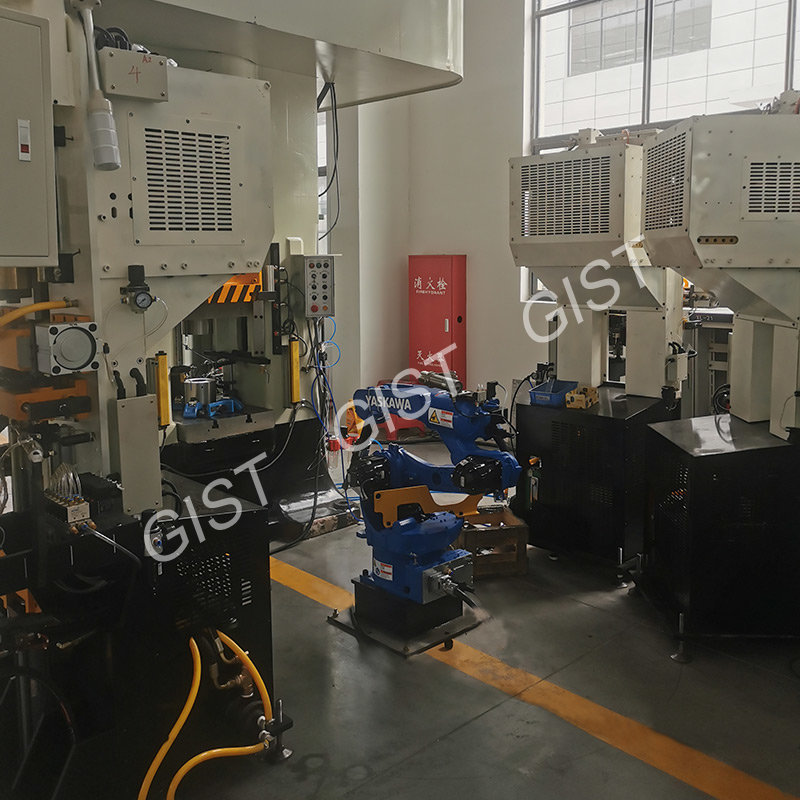
Category: Valve blank molding equipment Product Overview: The company has passed the certification of various systems such as ISO9001:2015 quality...
More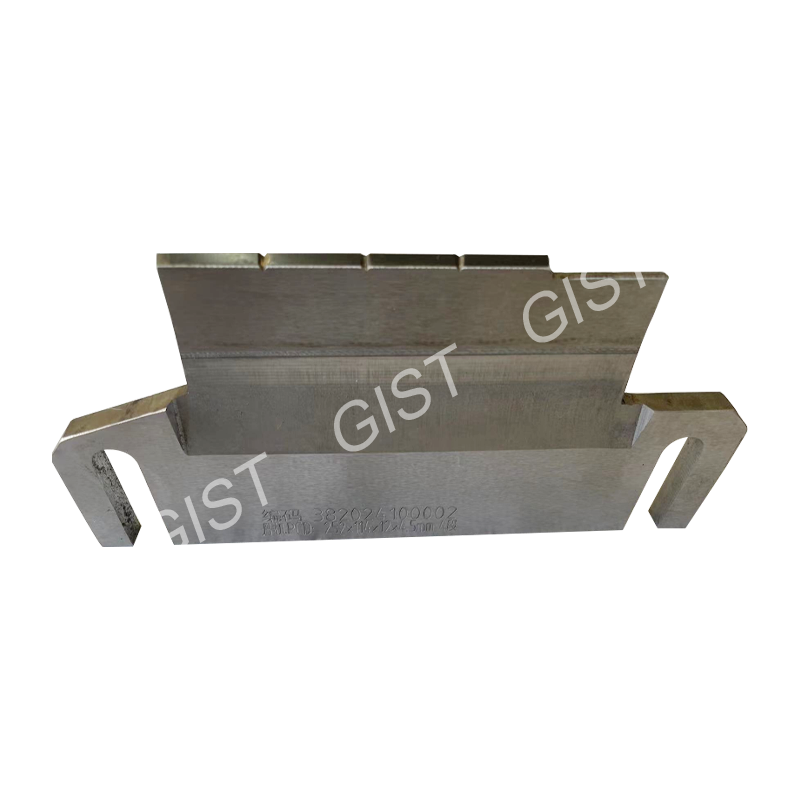
Category: Production auxiliary products Product Overview: The company has passed the certification of various systems such as ISO9001:2015 quality...
More
Category: Production auxiliary products Product Overview: The company has passed the certification of various systems such as ISO9001:2015 quality...
More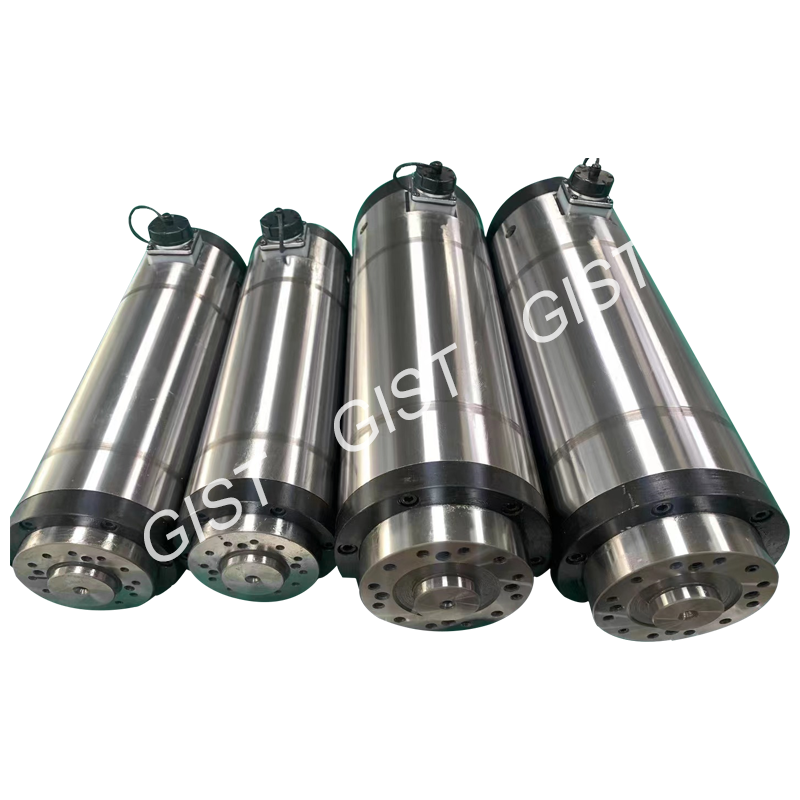
Category: Production auxiliary products Product Overview: The company has passed the certification of various systems such as ISO9001:2015 quality...
More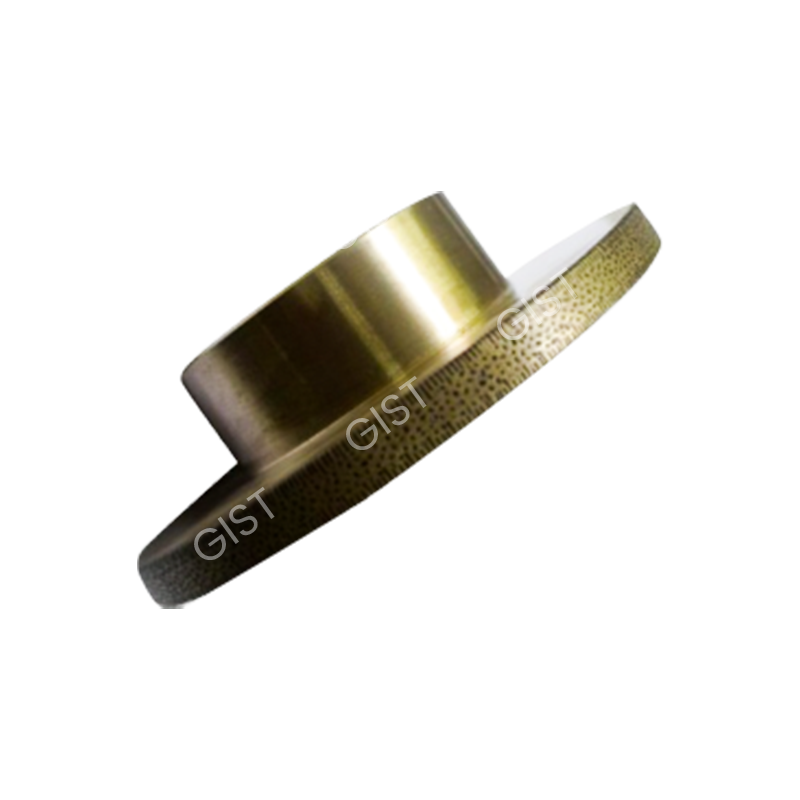
Category: Production auxiliary products Product Overview: The company has passed the certification of various systems such as ISO9001:2015 quality...
More
 86-13584767515
86-0515-89500828
 No. 1, Industrial Concentration Area, Wulie Town, Dongtai City, Jiangsu Province
Product