English
 中文简体
中文简体 русский
 Español
Ordinary Grinding Wheel Centerless Grinding Machine
Cat:Centerless Grinding Machine
Category: Heartless grinder Product Overview: The company has passed the certification of various systems such as ISO9001:2015 quality management ...
MoreThe core difference between a CNC Valve Grinding Machine and a traditional manual grinder lies in precision, repeatability, and throughput. A CNC machine achieves valve seat concentricity tolerances of ±0.003 mm or better through closed-loop servo control, while even a skilled operator on a manual grinder typically holds ±0.01–0.02 mm at best — a three-to-seven-fold precision gap that translates directly into sealing performance, service life, and rejection rates. Beyond accuracy, a fully configured Automatic Valve Grinding Machine can process a valve seat in 60–90 seconds with zero operator skill dependence during the grinding cycle, compared to 4–8 minutes of concentrated skilled manual work per seat. For any operation processing more than a few dozen valves per day, CNC technology fundamentally changes the economics and quality ceiling of valve reconditioning.
Content
A traditional manual valve grinder operates as an open-loop system: the operator controls spindle speed, infeed rate, and dwell through direct hand feel and visual observation. There is no feedback mechanism confirming that the grinding wheel is tracking the correct geometry — all quality assurance relies on operator attention, experience, and the post-process measurement step.
A CNC Valve Grinding Machine operates as a closed-loop system. Servo drives with encoder feedback continuously compare commanded position against actual position, correcting deviations in real time to sub-micron resolution. The grinding cycle — approach speed, feed rate during cut, spark-out dwell, retract — is executed by the control program identically on every part, regardless of operator attention level or fatigue state. This architectural difference is why CNC machines produce consistent results across a full production shift while manual results degrade measurably as operator fatigue accumulates over hours.
Fig. 1 — Valve seat concentricity error distribution (µm): CNC vs. manual grinding across 100-part production run
Valve seat geometry requires precise control of two critical parameters: the seat angle (typically 45° or 30°, depending on application) and concentricity relative to the valve guide bore. On a High Precision Valve Grinding Machine with CNC control, the grinding wheel dresser is programmed to maintain the exact wheel angle, and the pilot-guided spindle is held on the valve guide centerline by the machine geometry — not by the operator's hand. Resulting seat angle accuracy is typically ±0.01° or better, and concentricity to the guide bore is maintained within 0.003–0.005 mm TIR (total indicator reading) across the full production run.
On a manual grinder, the same pilot-guided spindle concept is used, but feed rate, pressure, and dwell are all operator-controlled. Concentricity results depend heavily on whether the operator applies consistent pressure in all radial directions during the grinding stroke — a condition that deteriorates with hand fatigue. Manual results in professional shops typically fall in the 0.010–0.020 mm TIR range, which is adequate for lower-performance applications but insufficient for modern high-compression diesel engines, natural gas engines, or precision industrial valve assemblies where seat leakage specifications require TIR below 0.005 mm.
Surface finish on the valve seating face is equally critical — a rough surface increases seating force requirements and accelerates wear. CNC-controlled spark-out cycles (a brief period of grinding at zero infeed after the nominal size is reached) allow the grinding wheel to naturally improve the surface finish without removing additional material. CNC machines routinely achieve seating surface finishes of Ra 0.4–0.8 µm, compared to Ra 0.8–1.6 µm typical on manual grinders. For high-pressure gas valves and engine intake/exhaust seats, this finish difference has measurable sealing performance consequences.
Throughput comparison between CNC and manual valve grinding is not simply a cycle time difference — it includes setup time, inspection overhead, rework rate, and operator utilization efficiency.
An Automatic Valve Grinding Machine with CNC control, once the program is established and the pilot installed, runs the grinding cycle without operator intervention. The operator's role becomes workpiece loading and unloading — one operator can supervise multiple machines simultaneously, or use the machine cycle time for parallel tasks such as valve face grinding or measurement. In a professional engine reconditioning environment, a CNC valve seat grinder processes 60–80 valve seats per hour per machine with a single operator. A skilled manual operator, maintaining quality standards, typically achieves 10–18 seats per hour — a 4–6× throughput differential.
Fig. 2 — Valve seats processed per operator-hour: CNC automatic vs. manual grinder across production scenarios
The following table provides a direct comparison of key technical and operational parameters between a CNC Valve Grinding Machine and a traditional manual valve seat grinder to support informed equipment selection decisions.
| Parameter | Traditional Manual Grinder | CNC Valve Grinding Machine |
|---|---|---|
| Seat concentricity (TIR) | 0.010–0.020 mm | 0.003–0.005 mm |
| Seat angle accuracy | ±0.05°–0.1° | ±0.01° or better |
| Surface finish (Ra) | 0.8–1.6 µm | 0.4–0.8 µm |
| Cycle time per seat | 4–8 min | 60–90 sec |
| Operator skill dependency | High — results vary with skill | Low — program-controlled consistency |
| Part-to-part repeatability | Variable (operator-dependent) | Consistent across full shift |
| Program storage | None | 100–1,000+ programs |
| In-process measurement | Post-process only | Available (gauging probe option) |
| Multi-angle seat profile | Requires multiple setups | Single setup, programmed angles |
| Setup time per job change | 5–15 min | Under 3 min (program recall) |
High-performance engine valve seats are not simple single-angle cones. Modern engine designs specify multi-angle seat profiles — typically a three-angle or five-angle seat — with a narrow primary seating band (the contact face), relief angles above and below to optimize gas flow, and a top radius blend. This geometry reduces valve temperature, improves gas flow coefficients by 8–15% compared to single-angle seats, and provides a controlled seating band width that balances sealing pressure against heat transfer.
On a manual grinder, producing a multi-angle profile requires multiple wheel changes, separate angle setups, and careful blending between transitions — a process that takes 15–25 minutes per seat and depends entirely on operator skill to achieve correct width transitions. A High Precision Valve Grinding Machine with CNC control executes the complete multi-angle profile in a single setup through programmed wheel dressing and programmed infeed sequences, producing all angles with the same geometric accuracy as a single-angle seat — in the same 60–90 second cycle time.
The grinding wheel is the cutting tool, and its geometry directly determines the geometry of the valve seat. A wheel that is not dressed to the correct angle, or that has been allowed to load (clog with metal particles) or glaze (smooth over), produces a seat with incorrect angle and poor surface finish — regardless of how accurately the machine is controlled.
On a manual grinder, wheel dressing is a separate manual operation the operator performs periodically — frequency and quality depend on operator judgment. On a CNC Valve Grinding Machine, the wheel dresser (typically a diamond roll or single-point diamond) is integrated into the machine cycle and operated under CNC control. The machine dresses the wheel automatically at programmed intervals — after a defined number of cuts or when sensor feedback indicates wheel degradation — maintaining wheel geometry to the same tolerances as the valve seat geometry itself. This eliminates the manual dressing variable and ensures consistent cutting conditions throughout the production run.
The performance advantages of a CNC Valve Grinding Machine are proportional to the precision demands and volume requirements of the application. The following sectors represent the strongest case for CNC adoption:
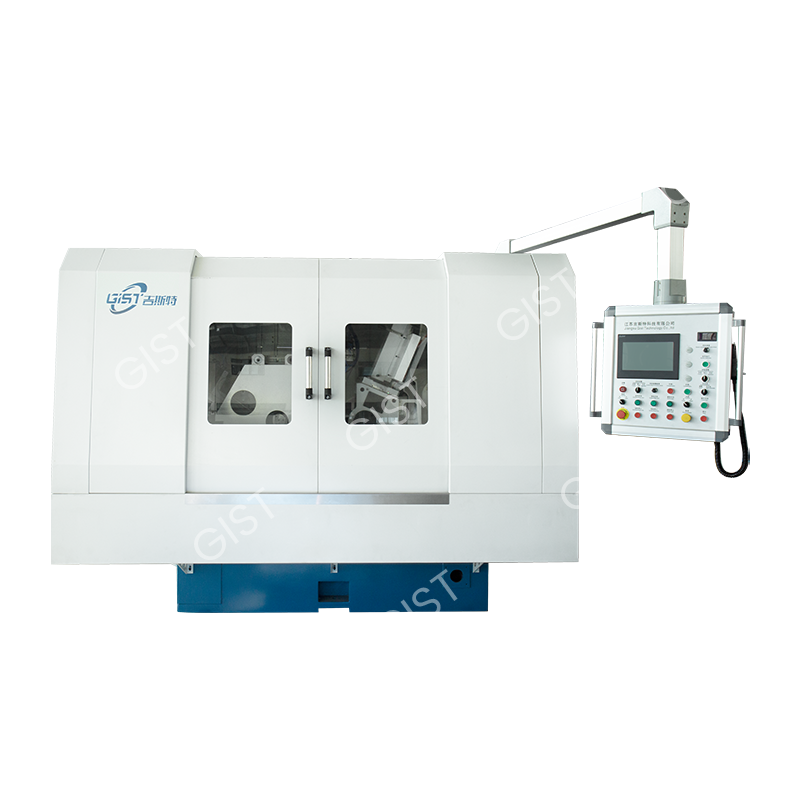
Category: Heartless grinder Product Overview: The company has passed the certification of various systems such as ISO9001:2015 quality management ...
More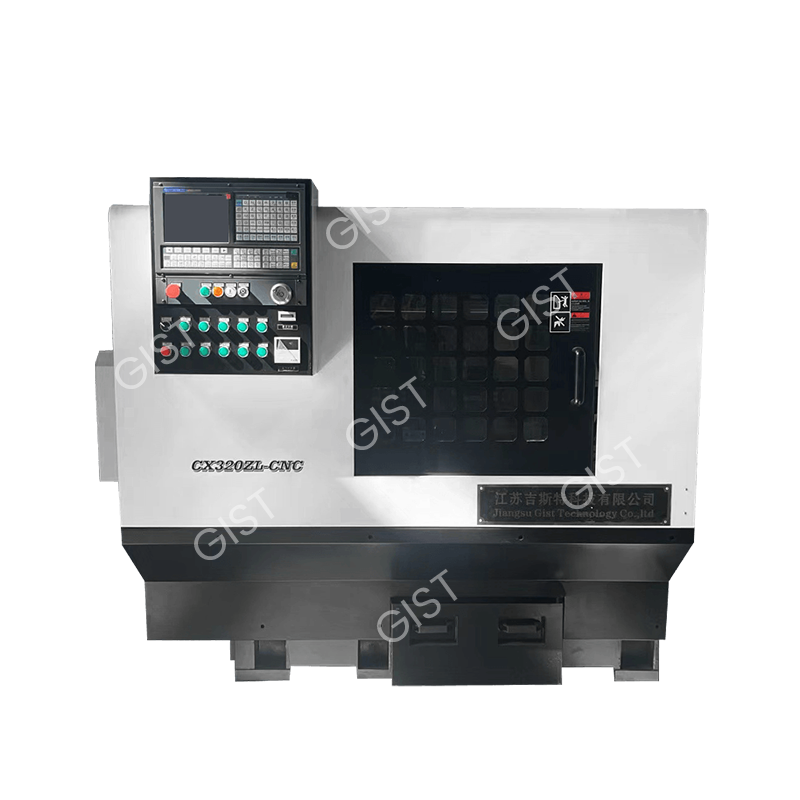
Category: CNC lathe Product Overview: The company has passed the certification of various systems such as ISO9001:2015 quality management system, ...
More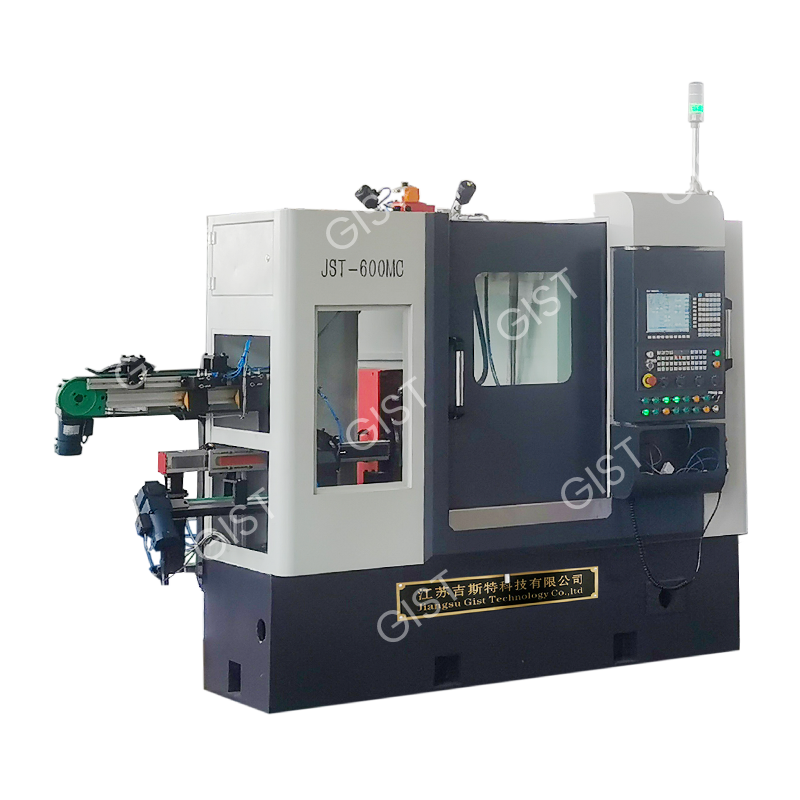
Category: Special valve CNC grinder Product Overview: The company has passed the certification of various systems such as ISO9001:2015 quality man...
More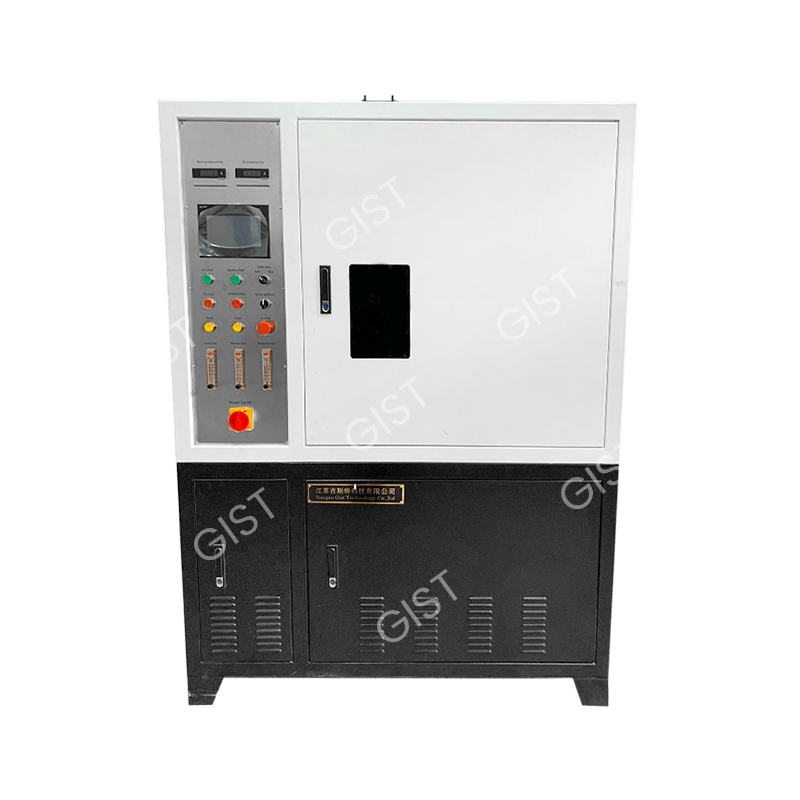
Category: Plasma welding equipment Product Overview: The company has passed the certification of various systems such as ISO9001:2015 quality mana...
More
Category: Valve blank molding equipment Product Overview: The company has passed the certification of various systems such as ISO9001:2015 quality...
More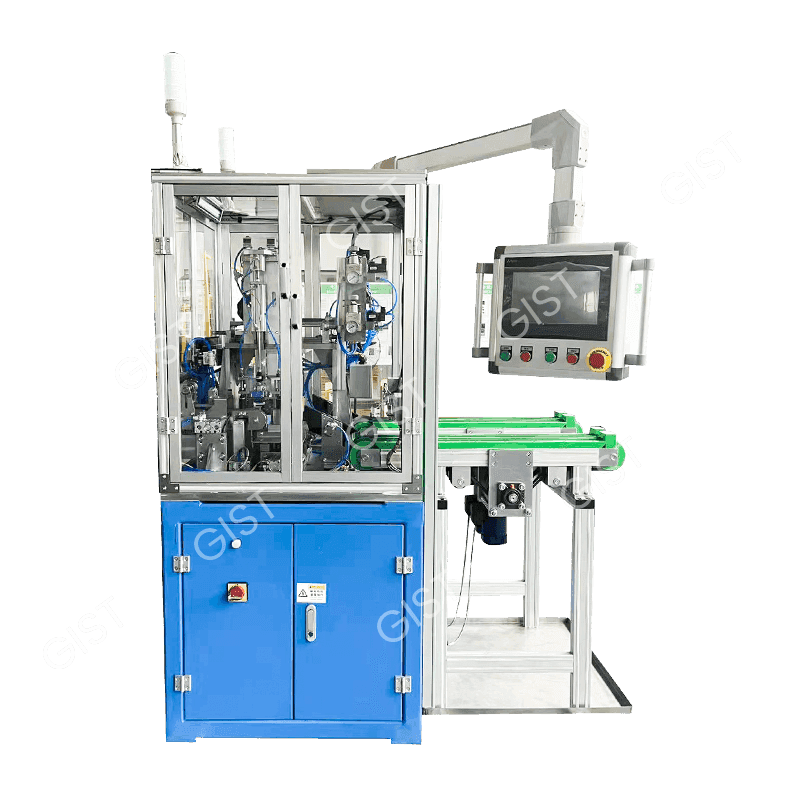
Category: Finished product testing equipment Product Overview: The company has passed the certification of various systems such as ISO9001:2015 qu...
More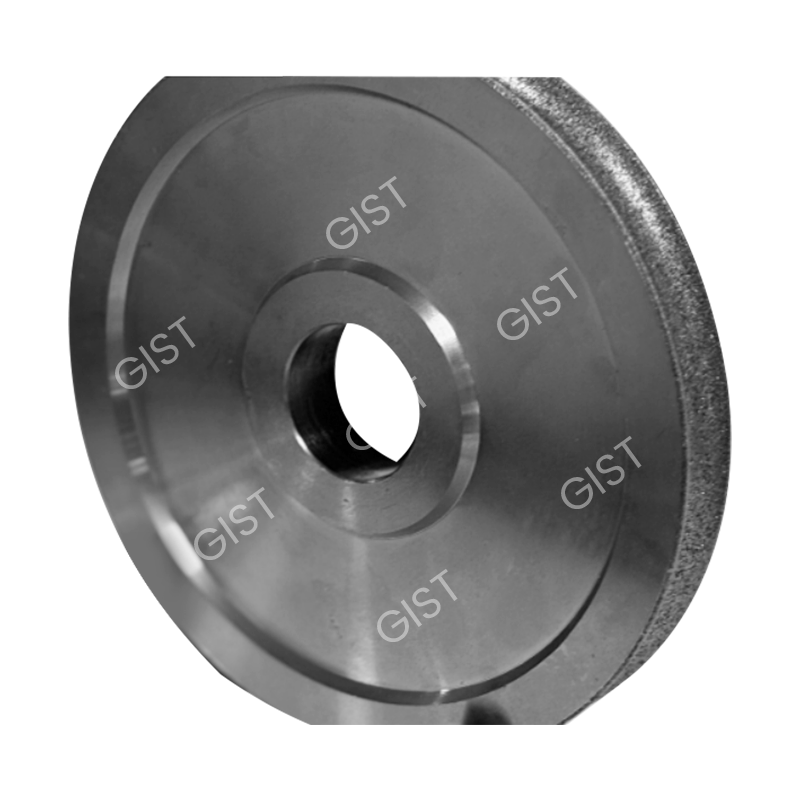
Category: Production auxiliary products Product Overview: The company has passed the certification of various systems such as ISO9001:2015 quality...
More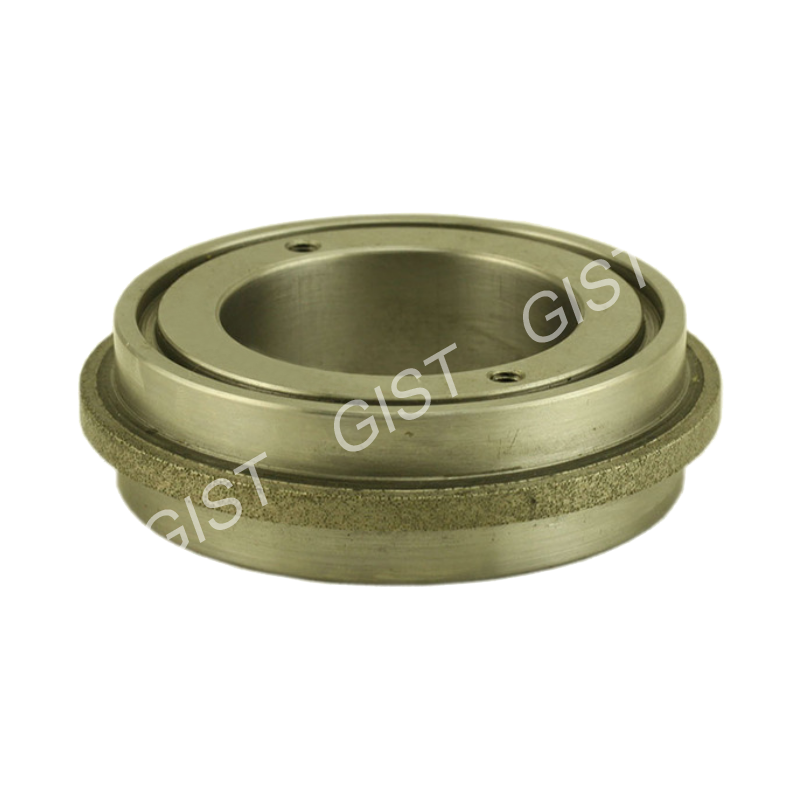
Category: Production auxiliary products Product Overview: The company has passed the certification of various systems such as ISO9001:2015 quality...
More
Category: Production auxiliary products Product Overview: The company has passed the certification of various systems such as ISO9001:2015 quality...
More
 86-13584767515
86-0515-89500828
 No. 1, Industrial Concentration Area, Wulie Town, Dongtai City, Jiangsu Province
Product