English
 中文简体
中文简体 русский
 Español
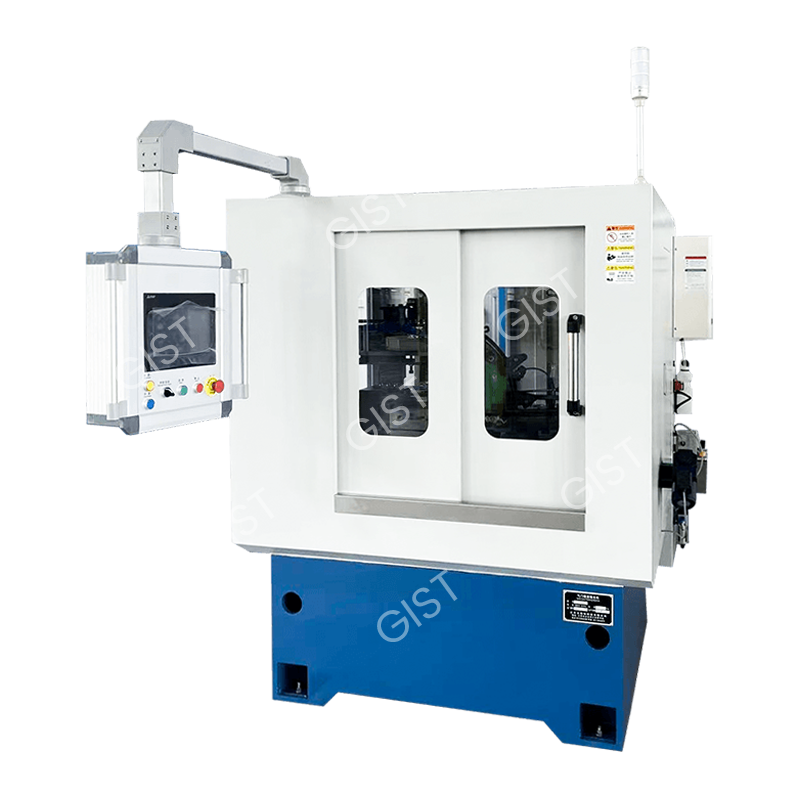
Ceramic CBN Grinding Wheel Centerless Grinding Machine
Cat:Centerless Grinding Machine
It is mainly used for precision grinding of outer circles of engine inlet and exhaust valve stems, bearings, and various shaft products.
MoreA beginner can realistically reach functional competency on a CNC valve grinding machine within 4 to 8 weeks — provided the learning follows a structured sequence: understand the machine's core components first, master the workholding and alignment procedures second, then work through grinding parameter selection on scrap material before running production parts. Skipping this sequence is the single most common reason new operators produce out-of-tolerance valve seats and damage grinding wheels in their first months.
This guide covers every stage of that learning path in practical detail — from reading a CNC engine valve grinder's control interface to setting precision CNC valve seat grinding angles, diagnosing surface finish problems, and building the daily habits that separate reliable operators from those who struggle with consistency.
Content
Every CNC valve grinding machine shares the same functional architecture regardless of configuration. A beginner who understands how these systems interact will interpret error messages, adjust parameters, and diagnose problems far faster than one who only learns button sequences by rote.
The five systems a beginner must understand before operating:
| System | Primary Function | Learning Priority | Key Beginner Error |
|---|---|---|---|
| Workhead / Spindle | Rotates workpiece at set RPM | Week 1 | Incorrect speed causing chatter |
| Grinding Wheel Dresser | Profiles wheel to seat angle | Week 1–2 | Skipping dressing before angle change |
| CNC Axis Control | Controls infeed and crossfeed | Week 2–3 | Incorrect infeed rate causing burn |
| Coolant System | Cools wheel and flushes swarf | Week 1 | Running dry or wrong concentration |
| In-Process Gauging | Monitors dimension to tolerance | Week 3–4 | Over-relying on gauge without manual checks |
More out-of-tolerance valve seats are caused by poor workholding and alignment than by incorrect grinding parameters. A beginner who masters workpiece setup will produce consistent results even with conservative parameters, while a beginner who rushes setup will produce inconsistent results regardless of parameter quality.
On a CNC engine valve grinder, the valve is typically held by its stem in a precision collet or chuck. Any runout in the stem-to-collet interface translates directly into concentricity error between the valve face and the valve stem — a condition that causes uneven seat contact and premature wear in service. Acceptable valve stem runout is typically 0.003–0.005 mm TIR (Total Indicator Reading). Before running a production cycle, mount a dial indicator against the valve face and confirm runout is within this range.
Standard valve face angles for automotive engines are typically 30° or 45°, with a 0.5–1° interference angle (the valve face angle is set 0.5–1° less than the seat angle) to promote a tight initial seal. On a CNC valve grinding machine, the angle is set through the swivel head or via the CNC angle axis. After setting the angle and dressing the wheel to match, always grind a test valve and check the resulting face angle with a protractor or optical comparator before proceeding to production parts.
Every time the grinding angle is changed, the wheel must be re-dressed to re-profile the face to the new angle. Skipping this step is one of the most consistent mistakes among beginners — grinding with a wheel profiled to the previous angle produces a compound-angle surface that cannot be corrected by parameter adjustments. Dress the wheel with a single, steady pass at 50–100 mm/min using the machine's diamond dresser, then take a second light cleanup pass before grinding any workpieces.
Grinding parameters on a CNC valve grinding machine are interdependent — a change in one affects the outcome of others. Beginners should use the structured progression below rather than adjusting multiple parameters simultaneously, which makes problem diagnosis nearly impossible.
The recommended parameter-setting sequence is:
Modern CNC valve grinding machines use either proprietary or standard CNC controllers (common platforms include Fanuc, Siemens, or machine-specific HMIs). Regardless of the specific platform, the core functions a beginner must be able to operate confidently before unsupervised production are identical across all systems.
Every CNC valve grinding machine must be referenced to its home position at the start of every shift. This establishes the coordinate system the controller uses for all subsequent moves. Failing to home the machine after a power cycle or E-stop event causes all programmed positions to be offset — a beginner error that produces incorrectly sized parts and can crash the wheel into the workhead.
Before running any new program on a production valve, always execute a dry run — a full cycle at rapid traverse or reduced feedrate with the wheel retracted from the workpiece. This confirms the programmed path is correct and that no axis move will cause a collision. All new operators should run at least three dry-run cycles of any new program before engaging the grinding wheel.
As the grinding wheel wears during use, its diameter decreases, which shifts the effective cutting position. CNC valve grinding machines manage this through wheel radius compensation offsets stored in the controller. A beginner must understand how to read the current offset value, recognize when drift in measured part dimensions indicates the offset needs updating, and enter the correction without overcompensating. Typical wheel wear on a vitrified CBN wheel in valve grinding is 0.001–0.003 mm per hour of grinding — trackable through regular dimensional checks.
Competency on a CNC valve grinding machine is built in stages. Compressing these stages or skipping between them produces operators who can run routines but cannot adapt when something goes wrong. The structured path below is designed for a beginner with general machining awareness but no specific CNC engine valve grinder experience.
| Week | Focus Area | Key Skills Practiced | Competency Checkpoint |
|---|---|---|---|
| 1 | Machine familiarization and safety | Component identification, E-stop, homing, coolant setup | Can home machine, confirm coolant flow, run E-stop test |
| 2 | Workholding and alignment | Collet loading, TIR measurement, wheel dressing at set angle | Achieve <0.005 mm TIR on five consecutive setups |
| 3 | Parameter entry and dry runs | Program loading, parameter editing, dry-run execution | Complete three dry runs on a new program without errors |
| 4 | First supervised production grinding | Rough and finish cycles on scrap valves, dimensional checks | Hold seat width within ±0.1 mm on 10 consecutive valves |
| 5 | Surface finish and offset management | Finish parameter tuning, wheel wear offset updates, profilometer use | Achieve Ra ≤ 0.8 µm consistently with correct offset entries |
| 6 | Fault diagnosis and independent operation | Chatter identification, burn diagnosis, program change for new valve type | Set up and run a new valve specification independently |
A beginner who can identify and correct surface defects without supervisor assistance reaches independent operator status faster than one who relies on experienced colleagues to interpret quality problems. The four defects below account for the majority of first-part rejections on a CNC valve grinding machine.
Chatter appears as a regular wave pattern on the valve face and is caused by resonance between the grinding wheel, workpiece, and machine structure. Primary causes: workpiece RPM too high, collet grip insufficiently tight, wheel out of balance, or wheel too hard for the material. Correction sequence: reduce workpiece RPM by 20%, check collet torque, and if chatter persists, redress the wheel with a single light pass to restore concentricity.
Burn indicates that the grinding zone temperature exceeded the material's tempering temperature — typically above 200°C for hardened valve steel — causing surface layer softening. Causes: insufficient coolant flow, infeed rate too high, wheel too fine-grained or too hard for the material, or missing spark-out causing rubbing. Correction: confirm coolant flow rate and concentration, reduce infeed by 30%, and dress the wheel to open the grain structure.
If the valve seat width varies when checked at multiple positions around the circumference, the workpiece is running out of round in the collet. Check stem TIR first. If TIR is within tolerance, inspect the collet for wear or contamination — a single chip of swarf in the collet bore will cause consistent eccentricity until removed. Replace worn collets; collet wear beyond 0.003 mm affects concentricity at the valve face by a factor of approximately 3:1 due to the lever arm between collet and valve face.
If ground valves consistently fail the seat angle check, the most common cause is that the dresser angle was not updated when the grinding angle was changed, or there is angular play in the swivel head that was not zeroed before setting the angle. Check the dresser angle setting independently of the wheel head angle — on some machines these are set separately — and confirm the wheel face is contacting the dresser squarely during the dressing pass.
Skill on a CNC valve grinding machine is built through deliberate repetition with feedback — not passive exposure. The following daily habits, applied consistently, are what distinguish operators who reach full competency in 6–8 weeks from those who take 6 months to reach the same level.
The machine's own features have a significant impact on how quickly a beginner progresses. Whether evaluating an affordable CNC valve grinding machine for a small workshop or a full-specification production system, the following features directly affect learning speed and error recovery.
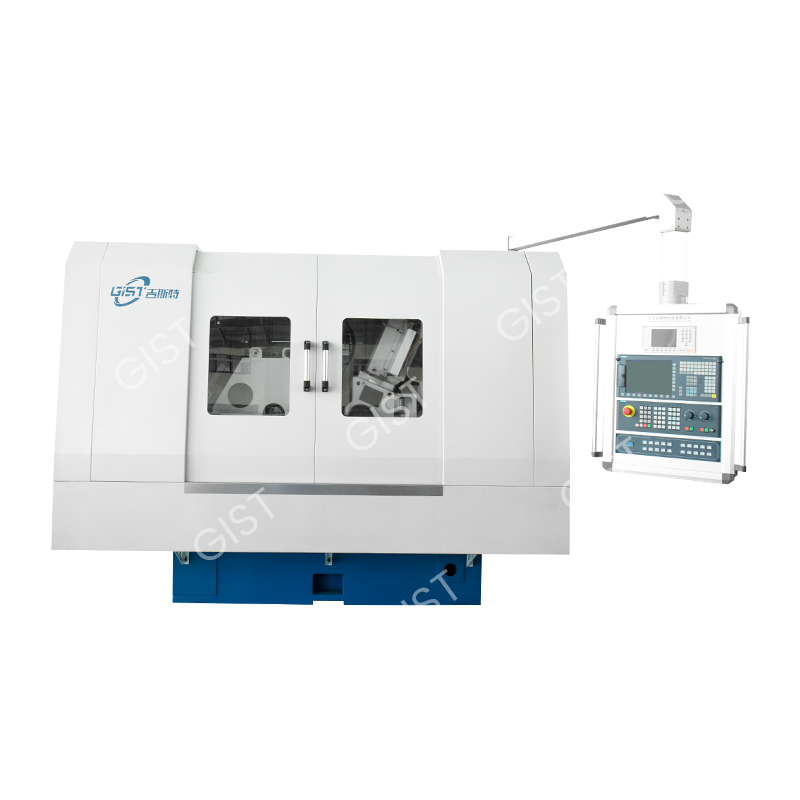
It is mainly used for precision grinding of outer circles of engine inlet and exhaust valve stems, bearings, and various shaft products.
More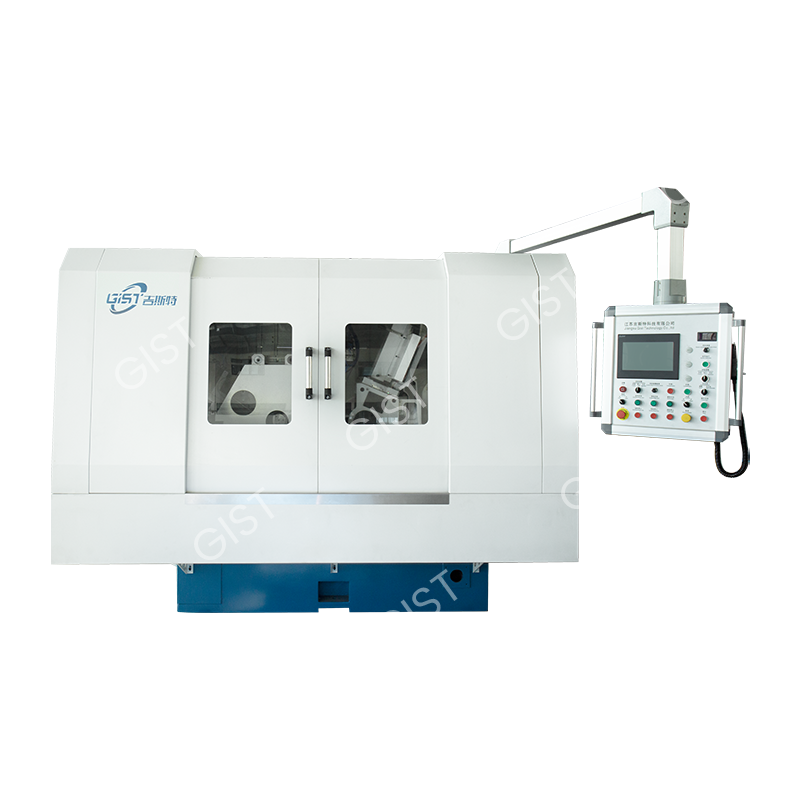
Category: Heartless grinder Product Overview: The company has passed the certification of various systems such as ISO9001:2015 quality management ...
More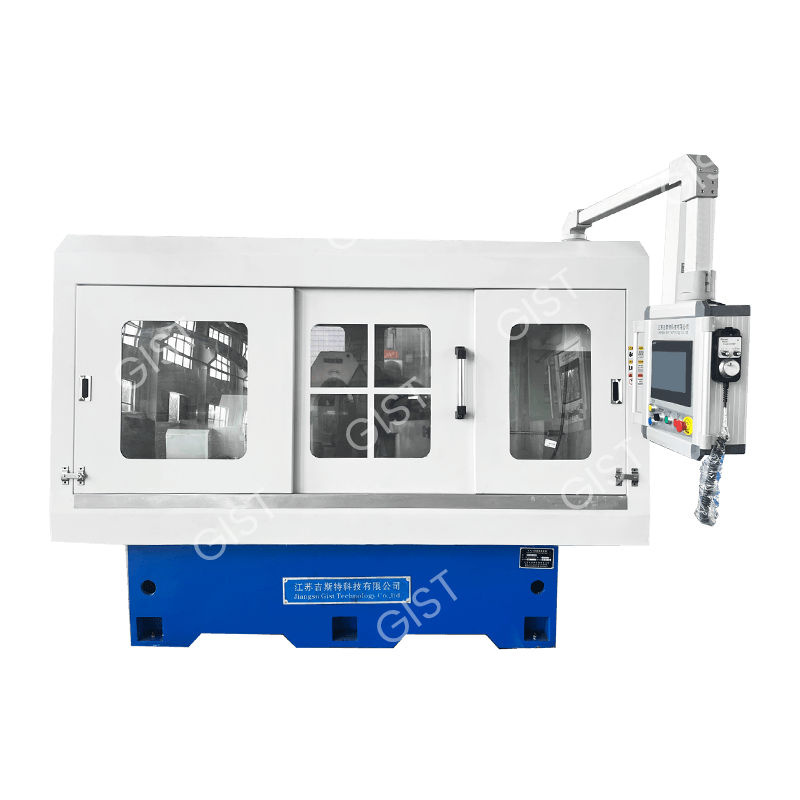
Category: Special valve CNC grinder Product Overview: The company has passed the certification of various systems such as ISO9001:2015 quality man...
More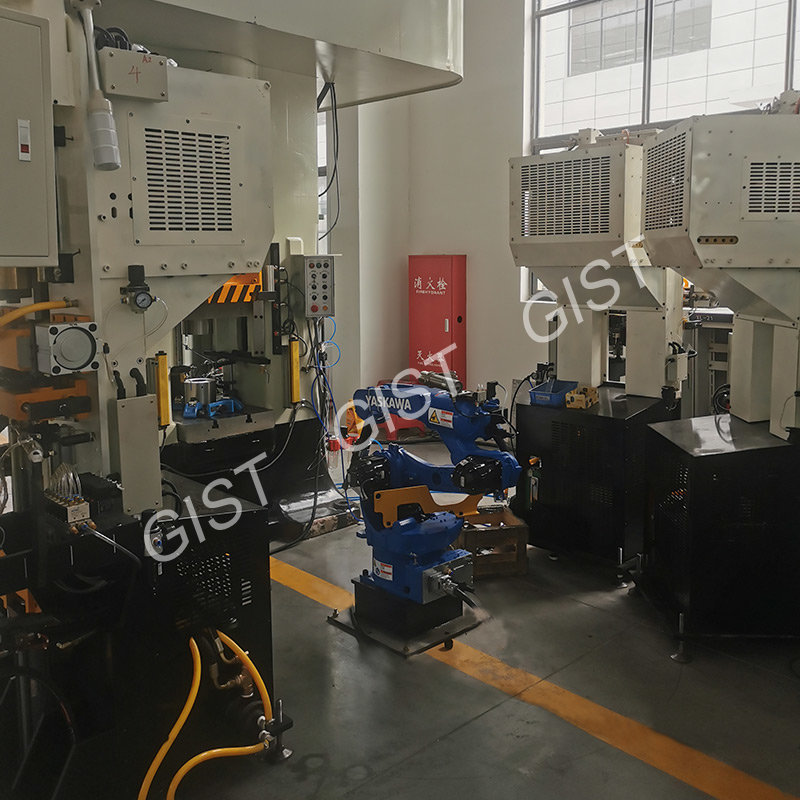
Category: Valve blank molding equipment Product Overview: The company has passed the certification of various systems such as ISO9001:2015 quality...
More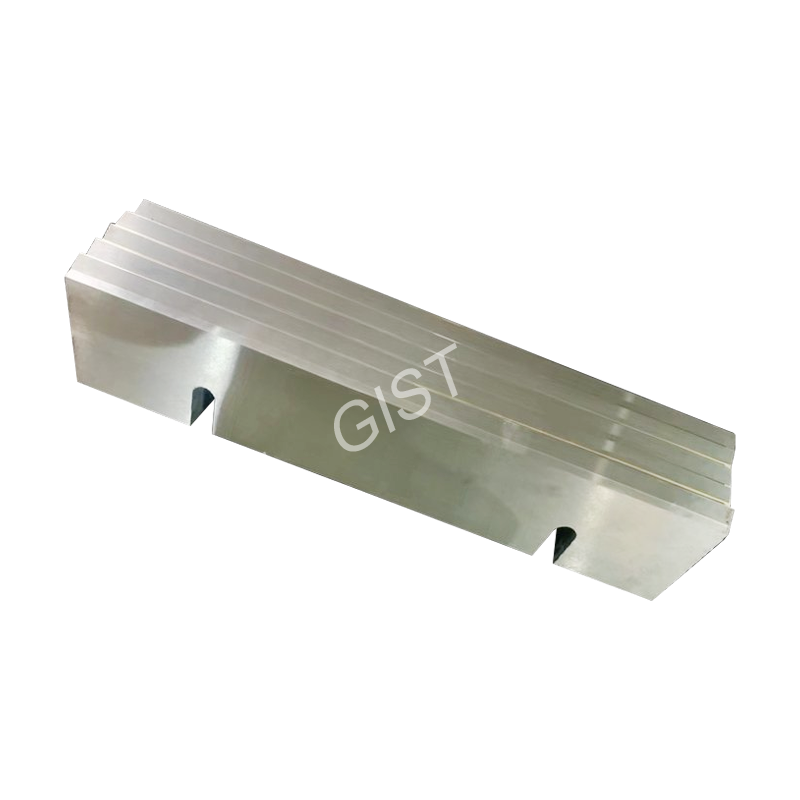
Category: Production auxiliary products Product Overview: The company has passed the certification of various systems such as ISO9001:2015 quality...
More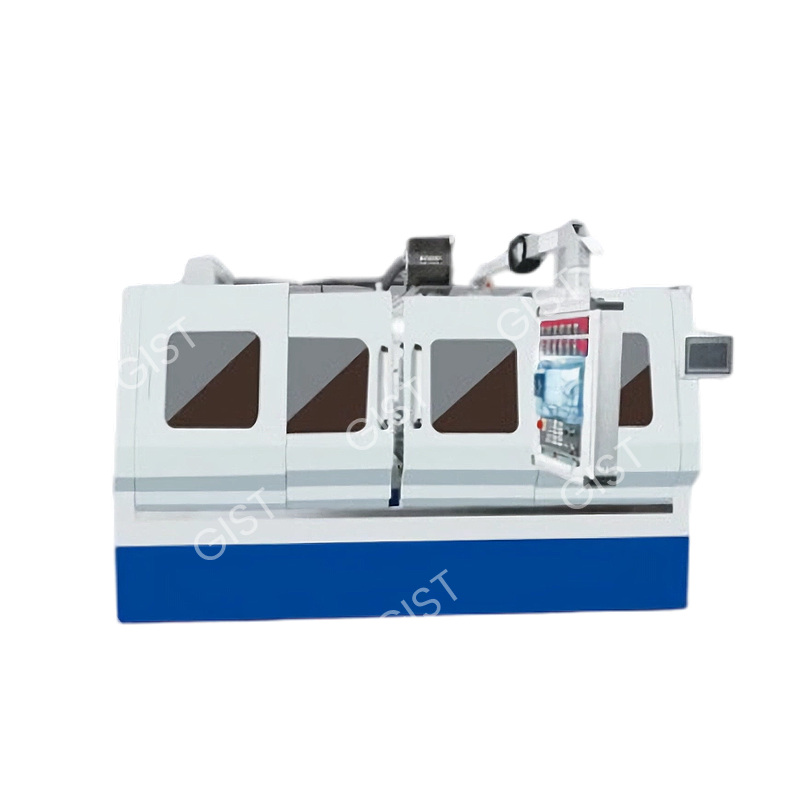
Category: Centreless grinder Overview: The company implements and implements various system management requirements, constantly innovates and impro...
More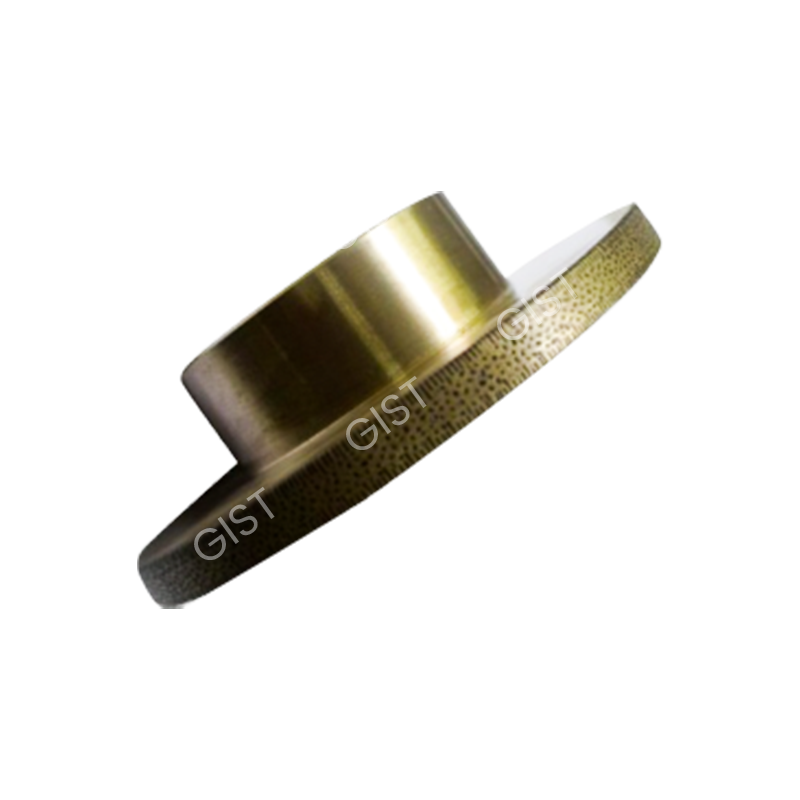
Category: Production auxiliary products Product Overview: The company has passed the certification of various systems such as ISO9001:2015 quality...
More
Category: Production auxiliary products Product Overview: The company has passed the certification of various systems such as ISO9001:2015 quality...
More
 86-13584767515
86-0515-89500828
 No. 1, Industrial Concentration Area, Wulie Town, Dongtai City, Jiangsu Province
Product