English
 中文简体
中文简体 русский
 Español
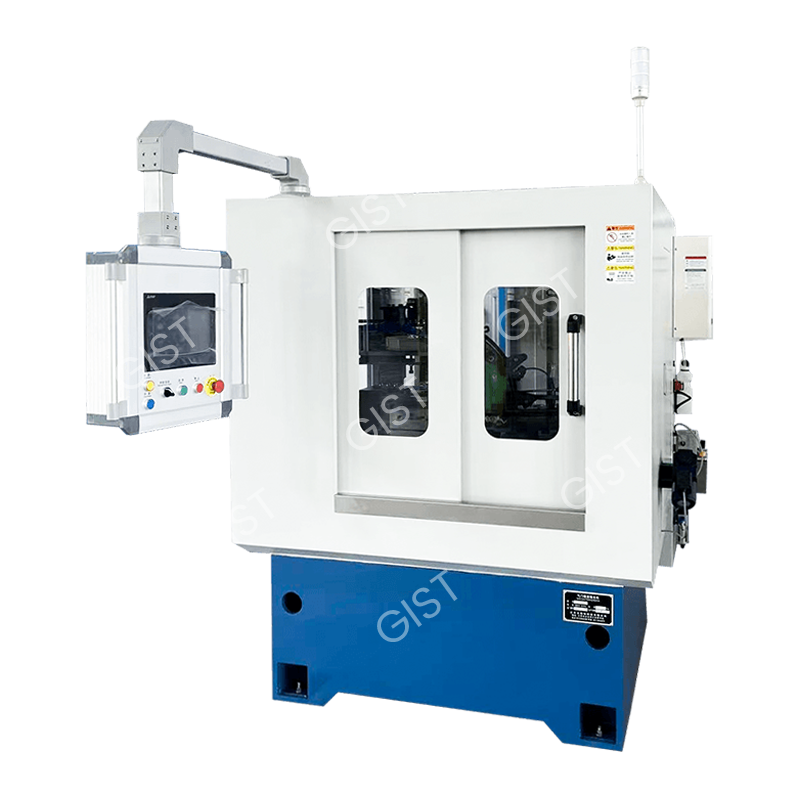
Lock Clamp Groove Grinder
Cat:CNC Valve Grinding Machine
Category: Special valve CNC grinder Product Overview: The company has passed the certification of various systems such as ISO9001:2015 quality man...
MoreContent
For high-volume, continuous production of cylindrical parts, the centerless grinding machine is the clear choice—delivering 3× to 8× higher throughput, near-zero setup time on repeat jobs, and consistently tighter tolerances than traditional center-type grinders. In documented production comparisons, centerless machines process between 200 and 1,200 parts per hour depending on part size and material, while traditional cylindrical grinders typically achieve 30 to 150 parts per hour for equivalent work.
The trade-off is flexibility. Traditional grinders handle complex geometries, interrupted surfaces, and stepped or flanged parts that centerless machines cannot process. For job shops producing diverse low-volume work, a traditional grinder remains the more practical investment. The decision is not universal—it depends on production volume, part geometry, tolerance requirements, and operator skill availability. This article provides the data to make that decision confidently.
A centerless grinding machine supports the workpiece between three contact points: the grinding wheel, the regulating wheel, and a work rest blade—with no spindle, chuck, or center holding the part. The grinding wheel removes material while the regulating wheel controls workpiece rotation speed and axial feed rate. This "floating" support system is what enables continuous throughfeed operation: parts enter one side of the machine and exit the other in a continuous stream, with no loading or unloading cycle between parts. The absence of workholding fixtures eliminates the single largest time sink in traditional grinding operations.
A traditional cylindrical grinder supports the workpiece between centers (or in a chuck) and rotates it against a grinding wheel moving in a traverse or plunge pattern. Each part must be individually loaded, aligned, ground, inspected, and unloaded. This sequential cycle is precise and versatile—the machine can grind multiple diameters, tapers, shoulders, and complex profiles in a single setup—but the loading and unloading time between parts creates an inherent throughput ceiling that centerless machines do not face.
Throughput is the most decisive metric for high-efficiency production evaluation. The chart below compares parts-per-hour output across three common cylindrical part categories:
Figure 1: Estimated throughput comparison (parts/hour) for common cylindrical part types
The throughput advantage of centerless grinding is most pronounced for small, simple cylindrical parts in high volumes. For bearing race production, a single centerless machine replaces 6 to 8 traditional cylindrical grinders to achieve equivalent output—a capital and floor space efficiency with significant financial implications for large-scale manufacturers.
| Performance Criteria | Centerless Grinding Machine | Traditional Cylindrical Grinder |
|---|---|---|
| Typical throughput | 200–1,200 parts/hour | 30–150 parts/hour |
| Diameter tolerance | ±0.002–0.005 mm | ±0.003–0.010 mm |
| Surface finish (Ra) | 0.1–0.4 µm | 0.2–0.8 µm |
| Setup time (repeat job) | 5–20 minutes | 20–90 minutes |
| Operator skill required | High (initial setup); Low (running) | Medium–High throughout |
| Part geometry capability | Simple cylinders, tapers (limited) | Complex profiles, steps, tapers, flanges |
| Minimum batch size (economic) | 500–1,000+ parts | 1 part (any quantity) |
| Automation compatibility | Excellent; continuous throughfeed | Moderate; requires robotic loading |
| Machine cost (mid-range CNC) | $80,000–$300,000 | $50,000–$250,000 |
| Floor space required | Compact; 2–6 m² | Larger; 4–12 m² |
The workpiece feeds continuously through the machine axially—entering one side and exiting the other in a single pass. Throughfeed is the highest-productivity mode, capable of processing parts at rates exceeding 1,000 per hour for small cylindrical components. It is limited to parts with a consistent, uninterrupted cylindrical surface—no shoulders, flanges, or diameter steps. Applications include steel pins, bearing rollers, valve stems, and fuel injector components.
The workpiece is positioned axially by an end stop, and the regulating wheel feeds it radially into the grinding wheel. This mode accommodates parts with shoulders, flanges, or stepped diameters—the primary geometry limitation of throughfeed. Infeed centerless grinding is slower than throughfeed (typically 100–400 parts/hour) but still significantly faster than traditional grinding for the same parts because no workholding fixture is required. Cam lobes, piston pins with undercuts, and tapered parts are ground by this method.
Used for tapered workpieces, the part feeds axially to a fixed end stop while both wheels are dressed to the required taper angle. This is the least common mode, used for high-volume production of tapered rollers, drill shanks, and conical valve seats. Endfeed grinding delivers the consistent taper accuracy and surface finish required for bearing applications—typically achieving taper accuracy within 5 to 10 micrometers per 100 mm of length.
The two chart below illustrate the typical application distribution for each machine type across key manufacturing sectors:
Figure 2: Typical industry application share for centerless grinding machines
Figure 3: Typical industry application share for traditional cylindrical grinding machines
Counter to the intuition that a fixtureless machine must be less precise, centerless grinding machines consistently achieve tighter diameter tolerances than traditional grinders in production environments. The reason is thermal and vibration stability: because the workpiece is supported along its full contact length by the work rest blade rather than cantilevered between centers, deflection under grinding force is minimized—particularly important for slender shafts with length-to-diameter ratios above 10:1.
In bearing race production—arguably the most precision-demanding high-volume grinding application—centerless machines routinely hold diameter tolerances of ±0.002 mm (2 micrometers) and roundness within 0.001 mm (1 micrometer) in production conditions, with surface finishes of Ra 0.1 to 0.2 µm. These specifications are at the upper limit of what traditional grinders can achieve even under laboratory conditions.
Figure 4: Best achievable precision metrics in production conditions (lower values indicate better accuracy)
The machine purchase price is only a fraction of the true cost comparison. Over a 5-year production horizon producing 1 million cylindrical shaft pins, the total cost picture changes significantly:
| Cost Component (5-year basis) | Centerless Grinding Machine | Traditional Cylindrical Grinder |
|---|---|---|
| Machine purchase (mid-range CNC) | $160,000 (1 machine) | $350,000 (5 machines needed for equivalent output) |
| Operator labor (fully burdened) | $175,000 (0.5 operator equivalent) | $700,000 (2 operators per shift) |
| Grinding wheel consumption | $45,000 | $90,000 |
| Maintenance and consumables | $30,000 | $95,000 |
| Floor space cost ($200/m²/year) | $6,000 (6 m² × 5 yrs) | $50,000 (10 m² × 5 machines × 5 yrs) |
| Total 5-Year Estimated Cost | $416,000 | $1,285,000 |
The labor savings alone justify the centerless grinding machine investment for high-volume applications. The $869,000 total cost advantage over 5 years represents a compelling financial case that exceeds the machine's purchase price by more than 5×.
Figure 5: 5-year cost breakdown by category (USD thousands) — centerless vs. traditional grinder
Despite the centerless machine's production advantages, there are specific situations where a traditional cylindrical grinder is the correct choice:
Modern CNC centerless grinding machines add a further efficiency multiplier beyond the basic throughfeed advantage. Key CNC features that directly improve production output and consistency include:
Work rest blade height positioning is the most critical and most frequently incorrectly set parameter in centerless grinding. The workpiece centerline must be set above the centerline between the two wheels—typically by 20% to 30% of the workpiece diameter. Too low, and the part develops lobing (a polygonal cross-section rather than a true circle). Too high, and the part chatters and is ejected from the machine. The correct height is calculated from the workpiece diameter and wheel diameter, but fine-tuning requires experience because the optimal height also varies with material hardness, feed rate, and depth of cut. CNC machines store the verified blade height as part of the part program, eliminating this as a recurring setup challenge on repeat jobs.
Yes—hardened steel is in fact one of the primary materials processed by centerless grinding machines in production environments. Bearing steels (52100, M50), tool steels (D2, M2), and case-hardened shaft steels at 58 to 65 HRC are routinely processed with CBN (Cubic Boron Nitride) or aluminum oxide grinding wheels. CBN wheels are the preferred choice for hardened steel in high-volume production due to their exceptional wheel life—a single CBN wheel may process 500,000 to 2,000,000 parts before requiring replacement, dramatically reducing per-part wheel cost compared to conventional abrasive wheels.
Lobing—where the ground part develops an odd-number polygon cross-section (3-lobe, 5-lobe) instead of a true cylinder—is the characteristic defect of poorly set-up centerless grinding. It occurs when the work rest blade is set too low, placing the workpiece centerline near or below the wheel centerline axis. The part then regenerates its own out-of-round condition with each rotation. Prevention requires: (1) correct work rest height (20–30% of workpiece diameter above wheel centerline); (2) correct regulating wheel angle (typically 1° to 6° for throughfeed); (3) appropriate wheel speeds and infeed rates; and (4) elimination of vibration sources in the machine structure and wheel mounts. Lobing problems that persist after geometry correction are usually traceable to a worn or unbalanced regulating wheel.
Long-run diameter consistency is maintained through a combination of automatic wheel dressing, in-process or post-process gauging feedback, and thermal compensation. Automatic dressing restores the grinding wheel profile to a consistent geometry every set number of parts or every set time interval, compensating for wheel wear. Post-process gauging measures finished part diameter and signals the CNC to adjust the roll gap when diameter trends toward tolerance limits—typically triggering a compensation move of 0.001 to 0.002 mm before any parts go out of tolerance. Together these systems maintain diameter consistency within ±0.002 mm across production runs of hundreds of thousands of parts without manual intervention.
The diameter range of centerless grinding machines spans an extraordinary range. Specialized micro-centerless machines process parts as small as 0.3 mm diameter—used in medical needle and wire production. Standard production machines typically handle diameters from 1 mm to 150 mm. Heavy-duty centerless machines designed for large cylindrical parts—roll grinding, landing gear components—process diameters up to 400 mm or larger. The practical upper limit for centerless grinding is determined by workpiece weight (which the work rest must support) and the available grinding force relative to part rigidity. Very large or heavy parts are generally better suited to traditional OD grinding.
Centerless grinding machines are economically justified at smaller scales than commonly assumed, but the business model must support it. A small job shop that handles a recurring base of high-volume cylindrical work—even 3 or 4 repeat part numbers with annual volumes above 50,000 parts each—can justify a mid-range CNC centerless machine. The key requirement is not company size but work consistency: a shop that processes the same part families repeatedly benefits enormously from the stored-program capability and throughput advantage. A shop with highly variable, low-volume custom work is better served by a traditional universal grinder. Many successful small shops operate both—a centerless machine for production work and a traditional grinder for prototype and complex-geometry jobs.
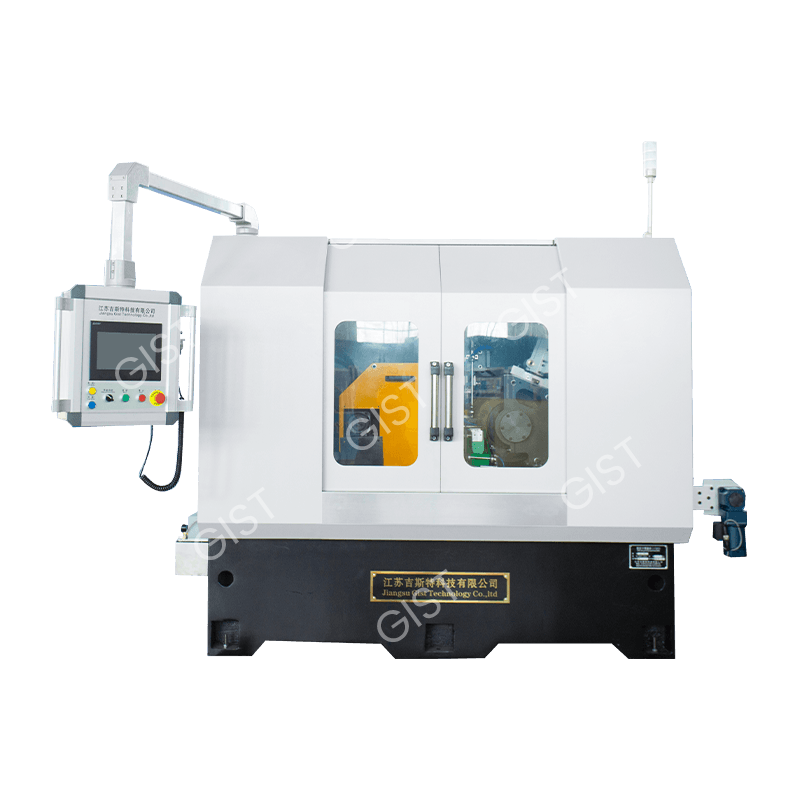
Category: Special valve CNC grinder Product Overview: The company has passed the certification of various systems such as ISO9001:2015 quality man...
More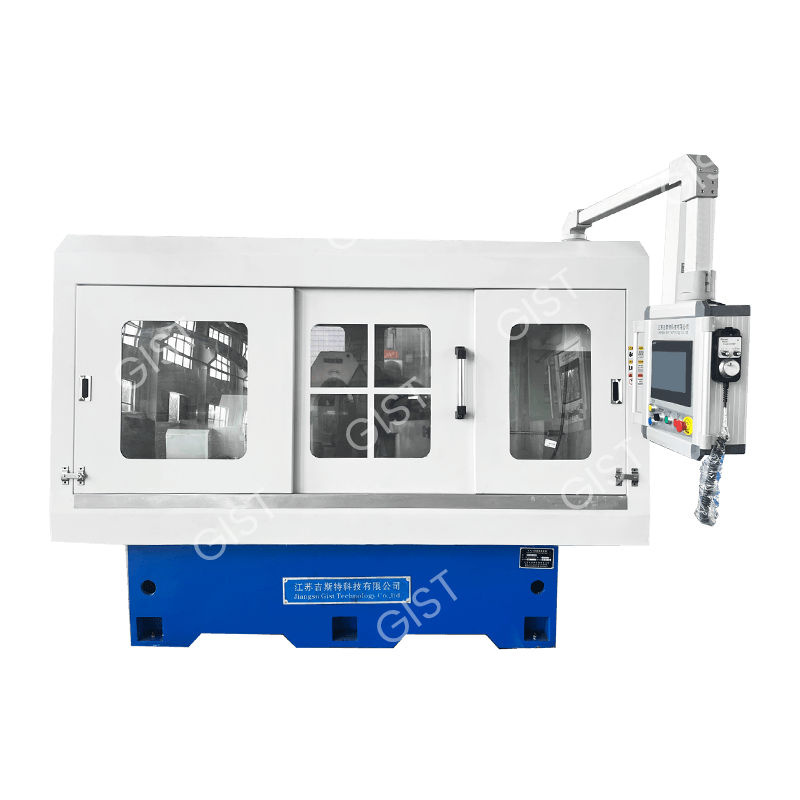
Category: Special valve CNC grinder Product Overview: The company has passed the certification of various systems such as ISO9001:2015 quality man...
More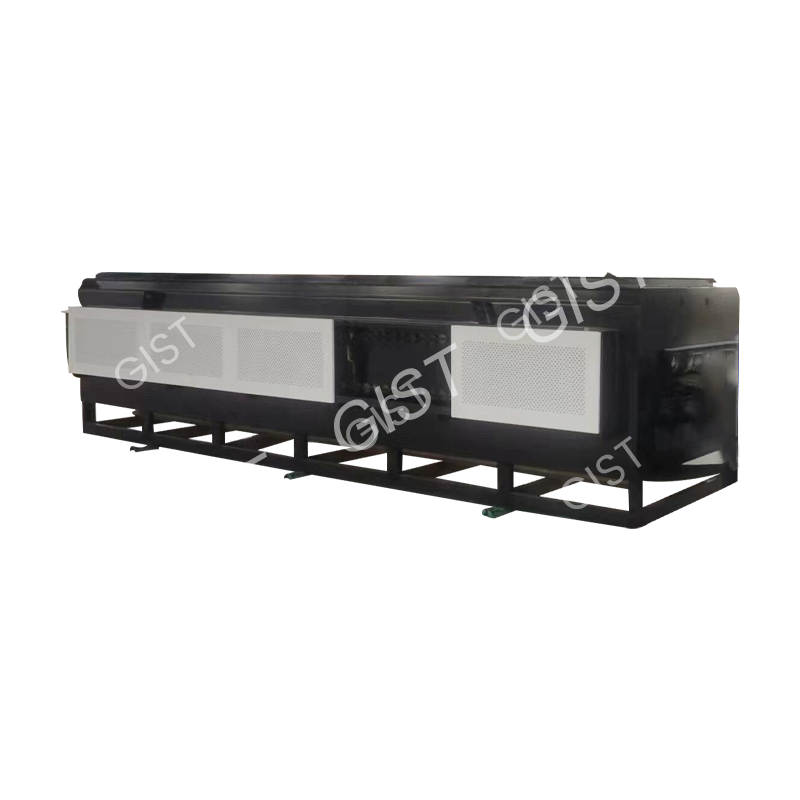
Category: Heat treatment equipment Product Overview: The company has passed the certification of various systems such as ISO9001:2015 quality mana...
More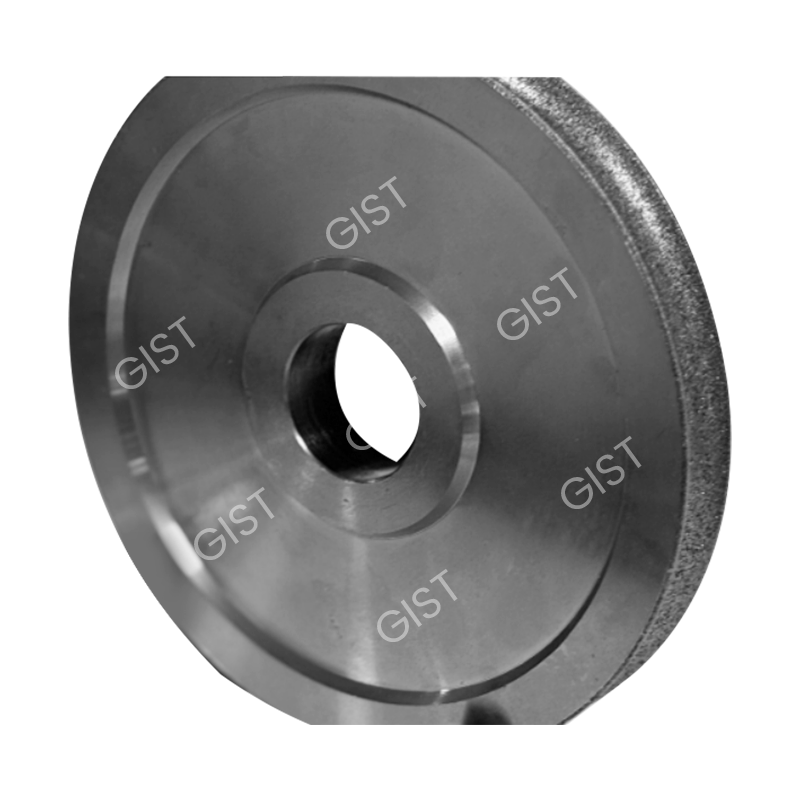
Category: Production auxiliary products Product Overview: The company has passed the certification of various systems such as ISO9001:2015 quality...
More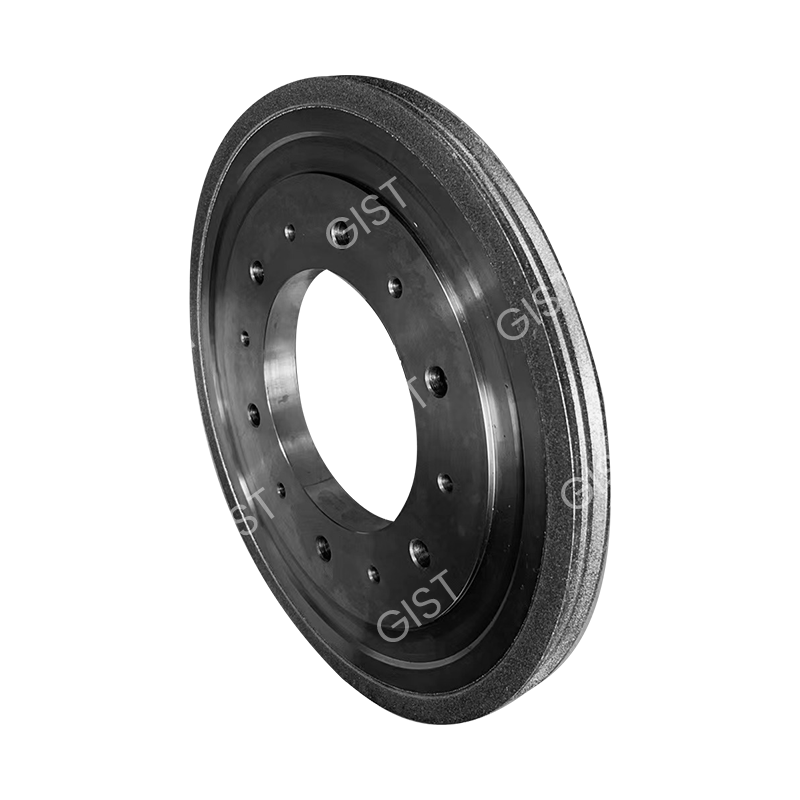
Category: Production auxiliary products Product Overview: The company has passed the certification of various systems such as ISO9001:2015 quality...
More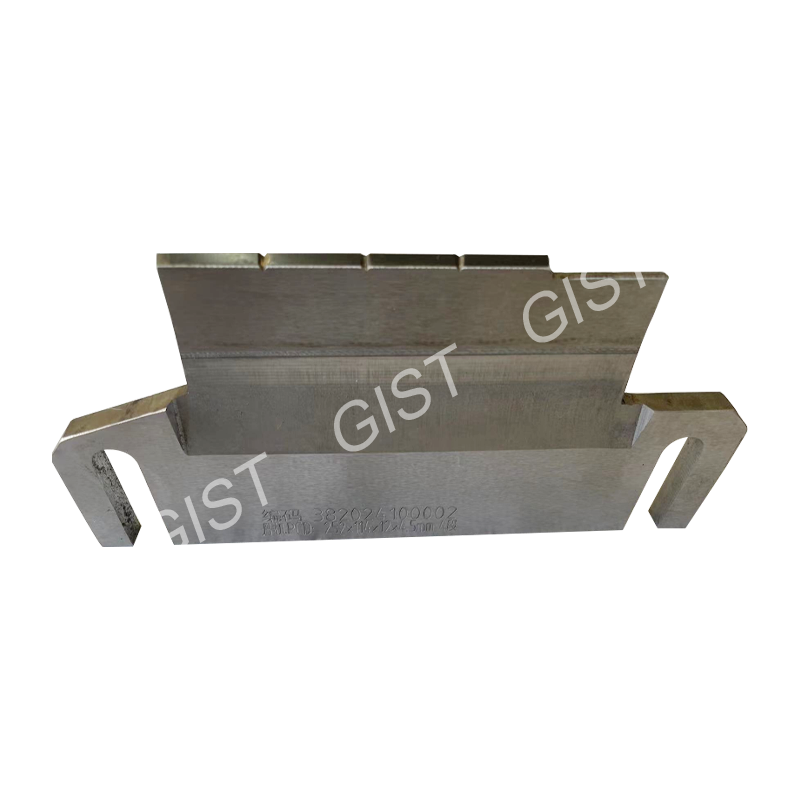
Category: Production auxiliary products Product Overview: The company has passed the certification of various systems such as ISO9001:2015 quality...
More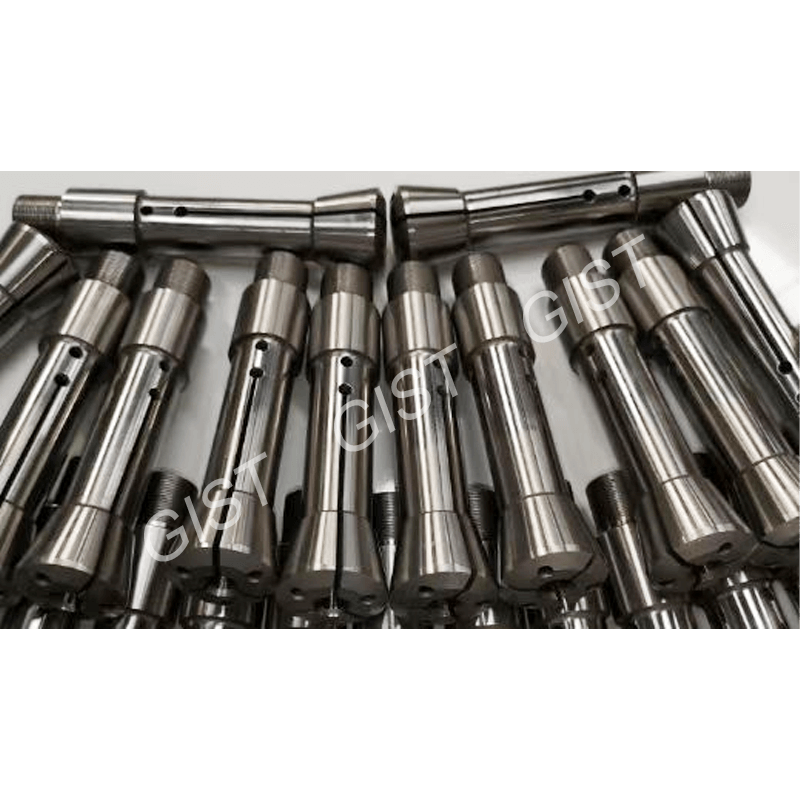
Category: Production auxiliary products Product Overview: The company has passed the certification of various systems such as ISO9001:2015 quality...
More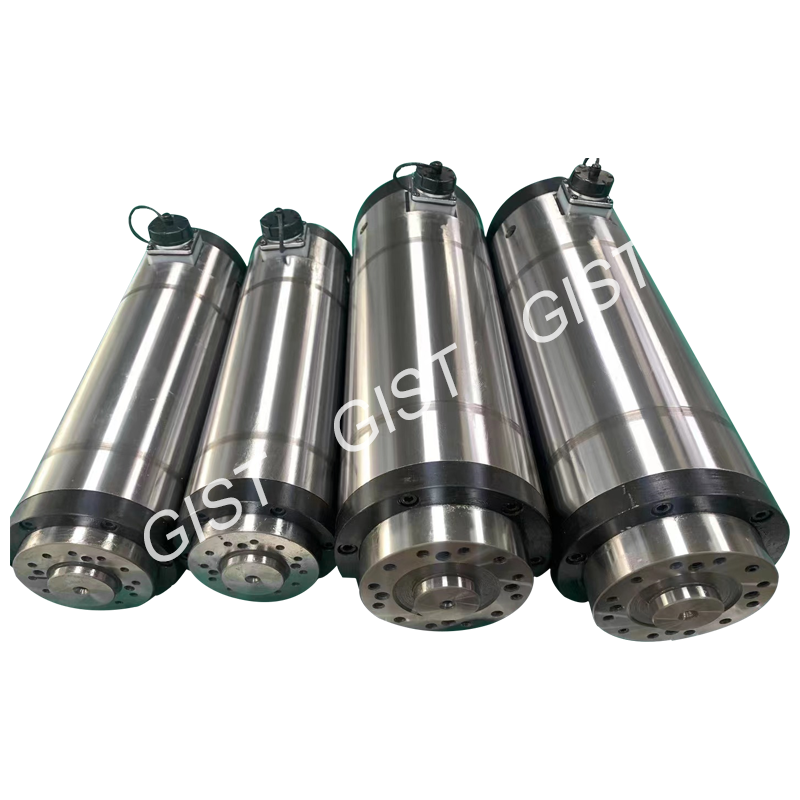
Category: Production auxiliary products Product Overview: The company has passed the certification of various systems such as ISO9001:2015 quality...
More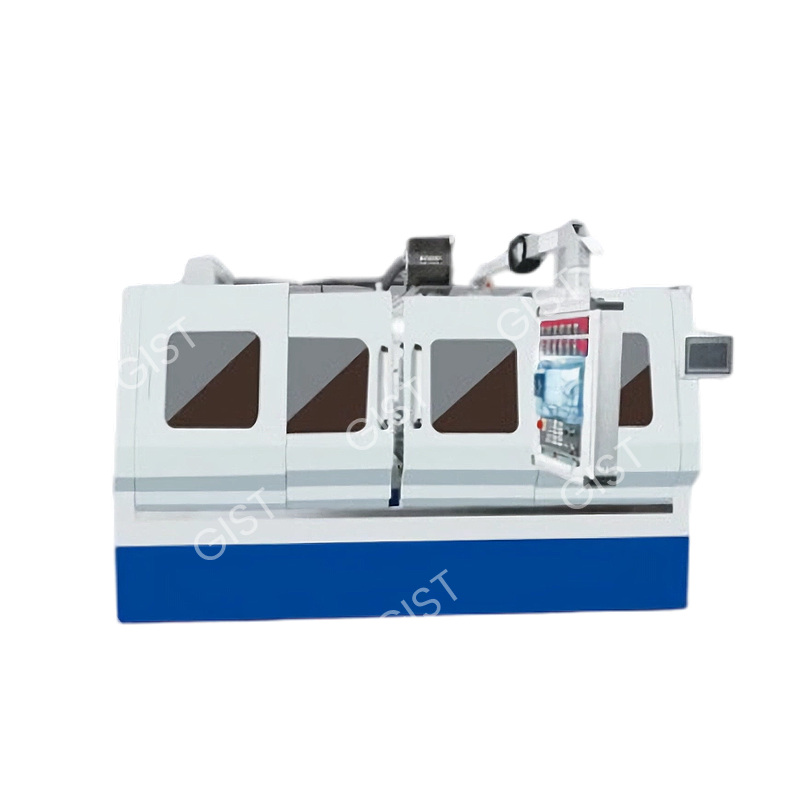
Category: Centreless grinder Overview: The company implements and implements various system management requirements, constantly innovates and impro...
More
 86-13584767515
86-0515-89500828
 No. 1, Industrial Concentration Area, Wulie Town, Dongtai City, Jiangsu Province
Product