English
 中文简体
中文简体 русский
 Español
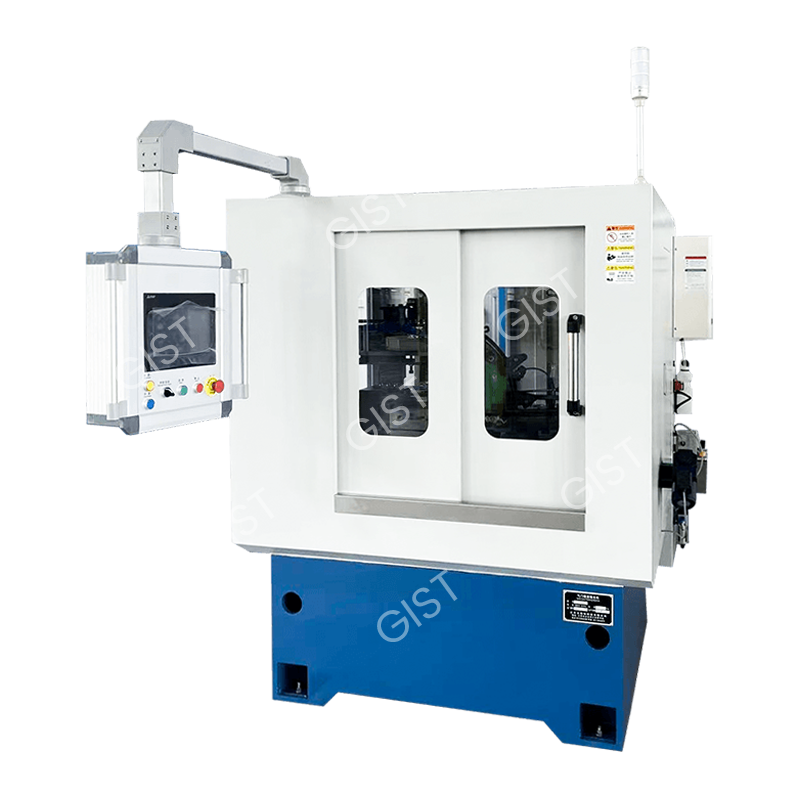
CBN Head Forming Grinder
Cat:CNC Valve Grinding Machine
Category: Special valve CNC grinder Product Overview: The company has passed the certification of various systems such as ISO9001:2015 quality man...
MoreAs an indispensable key equipment in modern manufacturing, CNC lathes are widely used in aerospace, automotive, machinery, mold and other industries due to their high precision, high efficiency and automation. However, with the increase of usage time, CNC lathes may also experience some common faults, which may affect machining accuracy, production efficiency, or even downtime, causing considerable losses to enterprises. Therefore, understanding the common faults of CNC lathes and their solutions is crucial for ensuring normal operation of equipment, extending service life and improving production efficiency.
(1) Tool Wear Too Fast or Inability to Cut Normally
Fault Phenomenon: When the CNC lathe tool wears too fast, or the tool cannot cut normally during machining, it usually leads to rough workpiece surface, substandard machining accuracy, or even tool jamming or breakage.
Possible Causes:
The tool material is not suitable for the material of the workpiece being machined.
The cutting parameters are not set reasonably (e.g., excessively high feed rate, excessive depth of cut, etc.). Tool quality issues (e.g., insufficient tool sharpness, excessive tool wear).
Improper use of cutting fluid or lack of effective cooling.
Solutions:
Check and adjust cutting parameters to ensure feed rate, depth of cut, and spindle speed match the workpiece material.
Regularly check tool wear and replace tools as needed.
Use appropriate cutting fluid and ensure good flow rate and cooling effect.
Select reliable tools suitable for the material being machined and perform regular tool grinding and maintenance.
(2) CNC Lathe Vibration Problems
Fault Phenomenon: During machining, if the CNC lathe exhibits significant vibration, it can lead to poor workpiece surface quality, reduced machining accuracy, and even damage to the tool or workpiece.
Possible Causes:
Inappropriate cutting parameter settings, resulting in excessive cutting force.
Insecure workpiece fixation, causing displacement during machining.
Unstable tool clamping or insufficient clamping force.
Loosening or wear of the CNC lathe's mechanical structure.
Solutions:
Check and adjust cutting parameters, especially feed rate and depth of cut, to avoid overloading. Ensure the workpiece is securely clamped using appropriate fixtures and tools to prevent movement during machining.
Check that the cutting tool is securely installed and ensure that the tool clamping parts are not loose.
Regularly inspect the mechanical structure of the CNC lathe, especially the spindle and guide rail system, and promptly repair any loose or worn parts.
(3) Unstable Spindle Speed
Fault Phenomenon: When the spindle speed of the CNC lathe is unstable, it may lead to low workpiece machining accuracy or even unqualified machining results, such as dimensional deviations or excessive surface roughness.
Possible Causes:
The spindle motor is malfunctioning and unable to maintain a stable speed.
The spindle drive system (such as the frequency converter, belt, etc.) is malfunctioning.
Electrical system failure or sensor failure, resulting in abnormal speed feedback.
Solutions:
Check the spindle motor and drive system to ensure that the motor and frequency converter are working properly.
Check whether the spindle belt is loose or damaged, and replace it if necessary.
Check the electrical system, especially the spindle speed sensor and feedback system, to ensure that they are working properly, and promptly replace any faulty parts.
(4) Tool Misalignment or Inaccurate Workpiece Position
Fault Phenomenon: During CNC lathe machining, if the tool or workpiece misalignment exceeds the set tolerance range, it usually leads to machining errors and affects product quality.
Possible Causes:
Inaccurate tool installation, causing tool center position misalignment.
Improper workpiece clamping, causing workpiece position change during machining.
Incorrect coordinate system settings in the CNC system.
Solutions:
Ensure accurate tool installation position and calibrate using a special tool.
Before machining, recheck the workpiece clamping position to ensure it is firmly fixed and does not shift.
Check the coordinate system settings of the CNC system to ensure they match the actual machining conditions.
Regular Maintenance: Regularly maintain the CNC lathe, check the working status of each component, promptly identify potential problems, and handle them. Pay special attention to key components such as tools, hydraulic system, spindle, and guideways.
Optimize Cutting Parameters: Select appropriate cutting parameters based on the machining material and process requirements to avoid excessive tool wear or overloading.
Operator Training: Regularly train operators to improve their ability to identify and handle CNC lathe malfunctions, ensuring timely troubleshooting during production.
Equipment Monitoring and Early Warning: Some high-end CNC lathes are equipped with remote monitoring and fault early warning systems, enabling real-time monitoring of equipment operation and early warning of potential malfunctions.
Troubleshooting CNC lathes is crucial for ensuring smooth production. Understanding the causes and solutions to common malfunctions helps companies resolve issues promptly and ensure normal equipment operation. Regular maintenance, proper use, and timely upkeep are effective means to extend the lifespan of CNC lathes and improve machining accuracy and production efficiency.
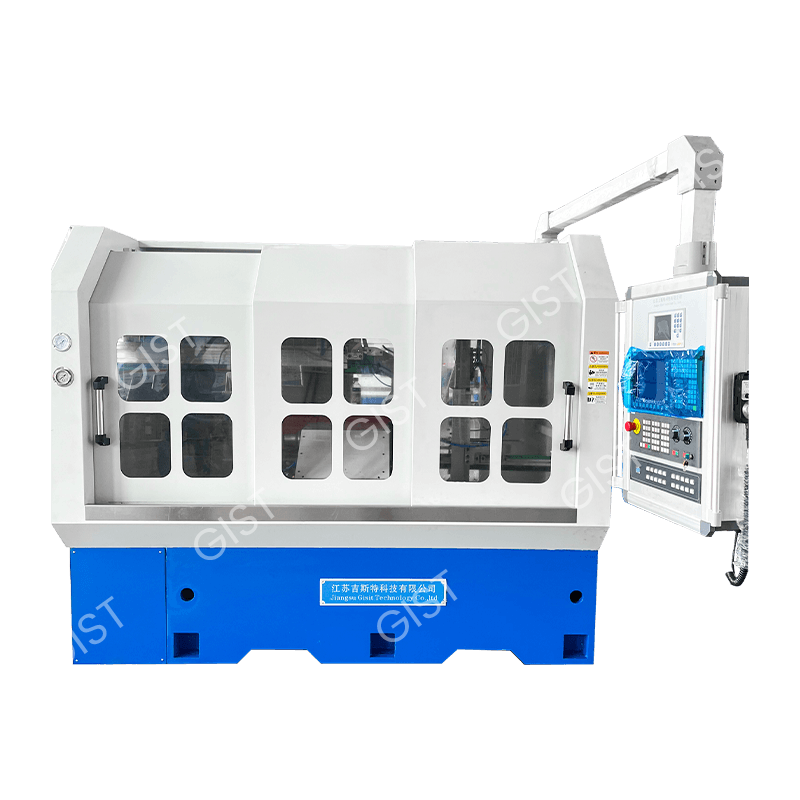
Category: Special valve CNC grinder Product Overview: The company has passed the certification of various systems such as ISO9001:2015 quality man...
More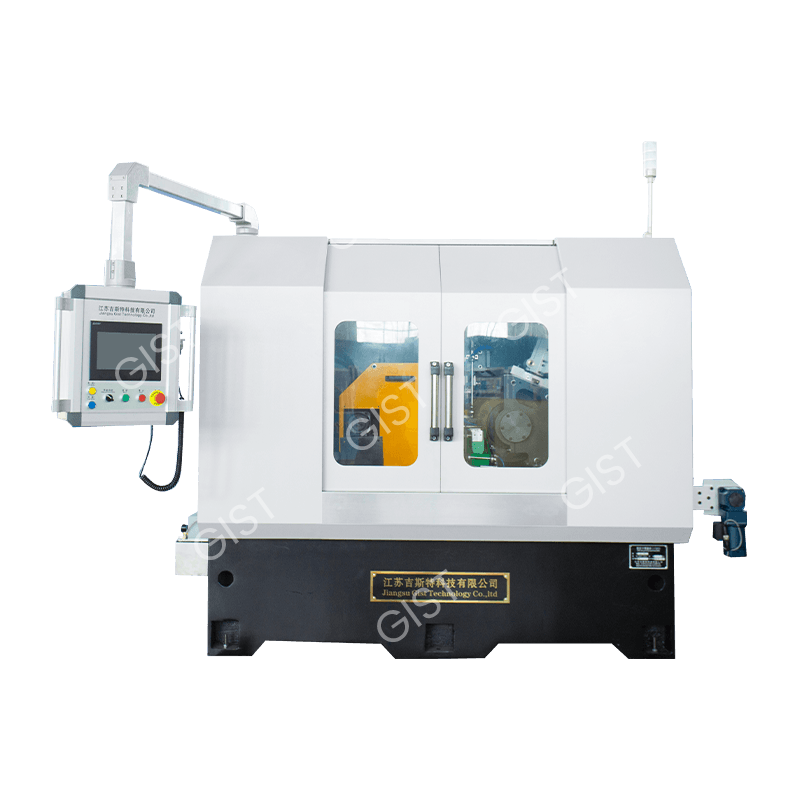
Category: Special valve CNC grinder Product Overview: The company has passed the certification of various systems such as ISO9001:2015 quality man...
More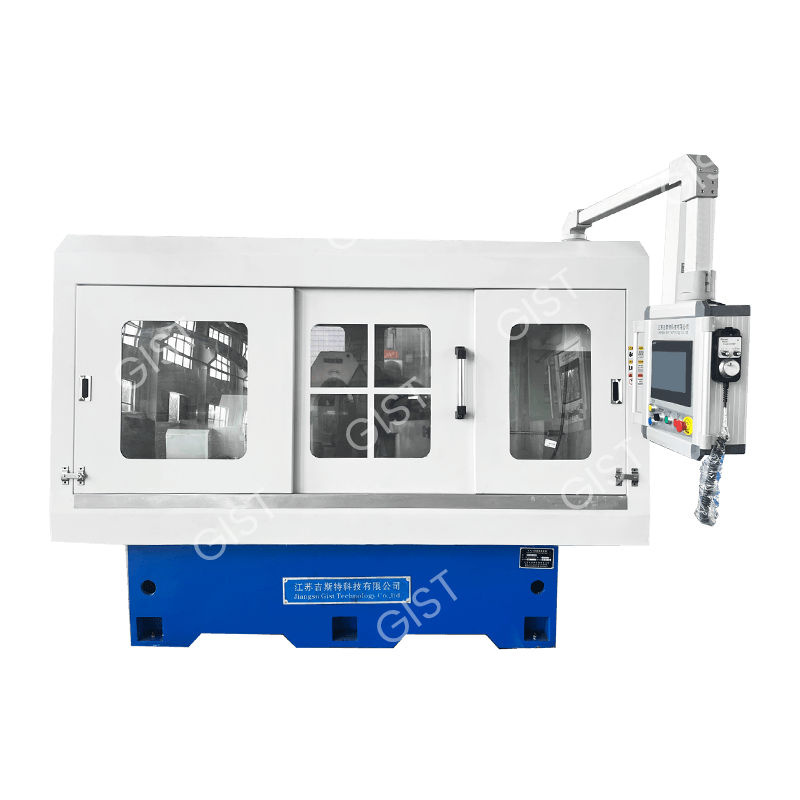
Category: Special valve CNC grinder Product Overview: The company has passed the certification of various systems such as ISO9001:2015 quality man...
More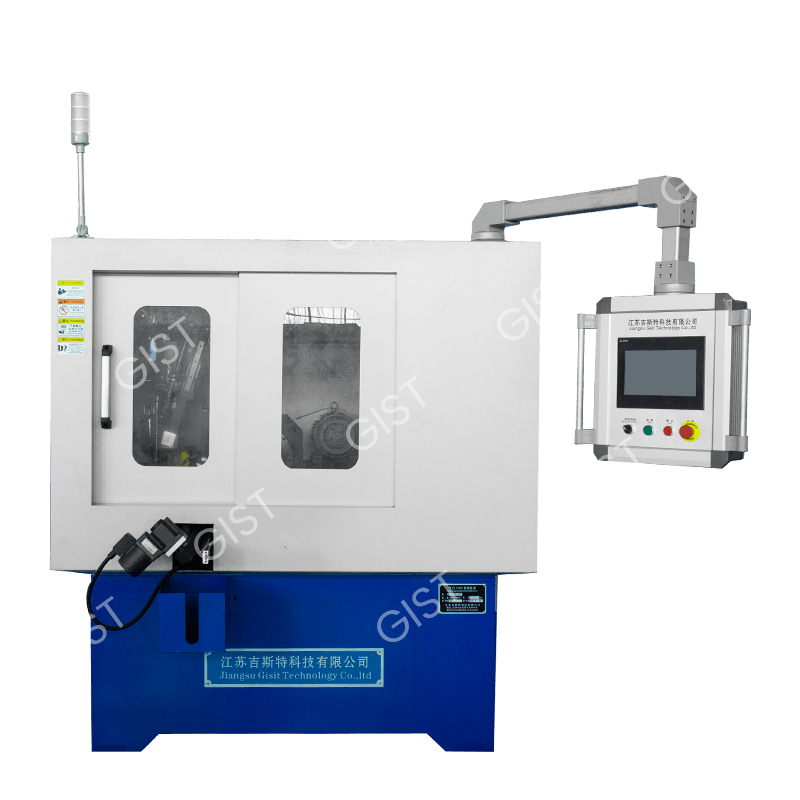
Category: Machining equipment Product Overview: The company has passed the certification of various systems such as ISO9001:2015 quality managemen...
More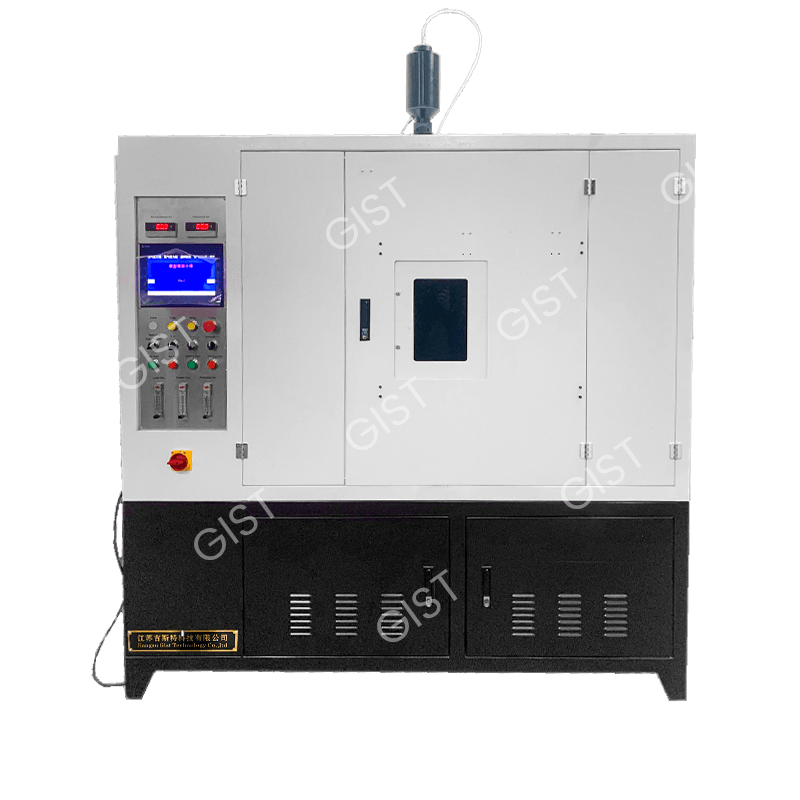
Category: Plasma welding equipment Product Overview: The company has passed the certification of various systems such as ISO9001:2015 quality mana...
More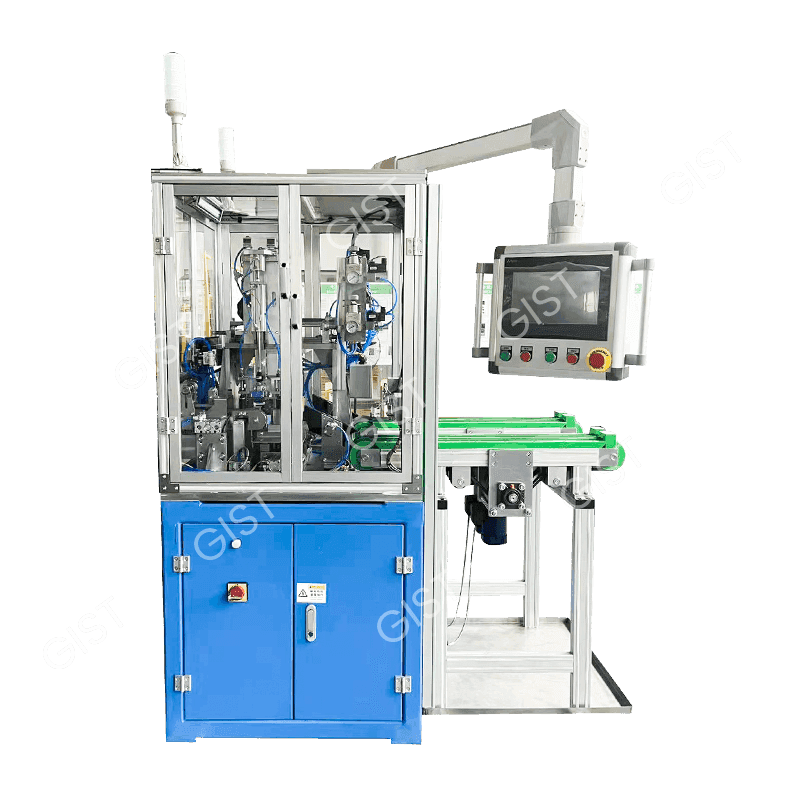
Category: Finished product testing equipment Product Overview: The company has passed the certification of various systems such as ISO9001:2015 qu...
More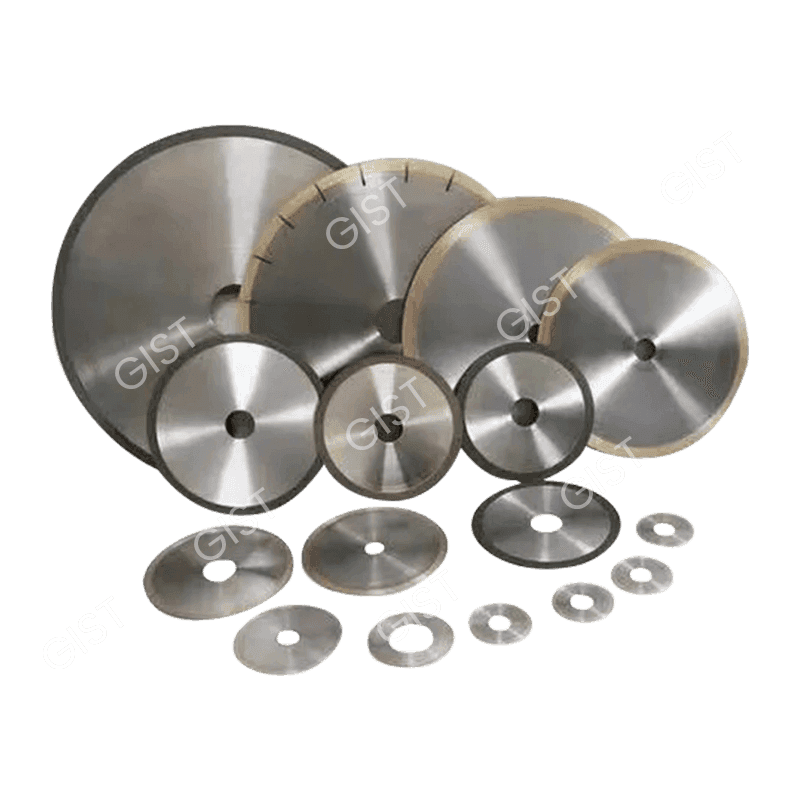
Category: Production auxiliary products Product Overview: The company has passed the certification of various systems such as ISO9001:2015 quality...
More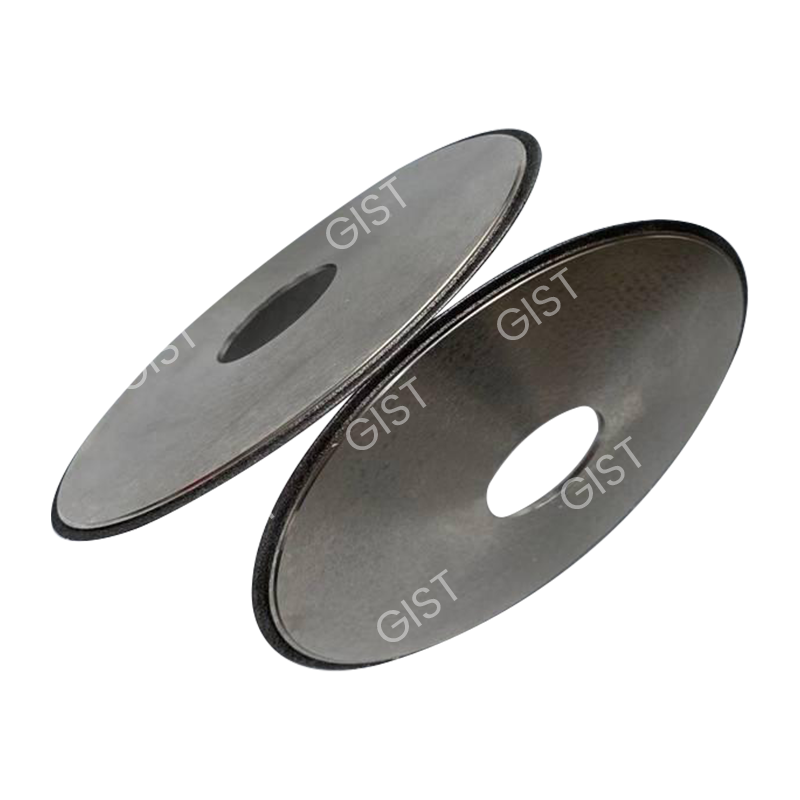
Category: Production auxiliary products Product Overview: The company has passed the certification of various systems such as ISO9001:2015 quality...
More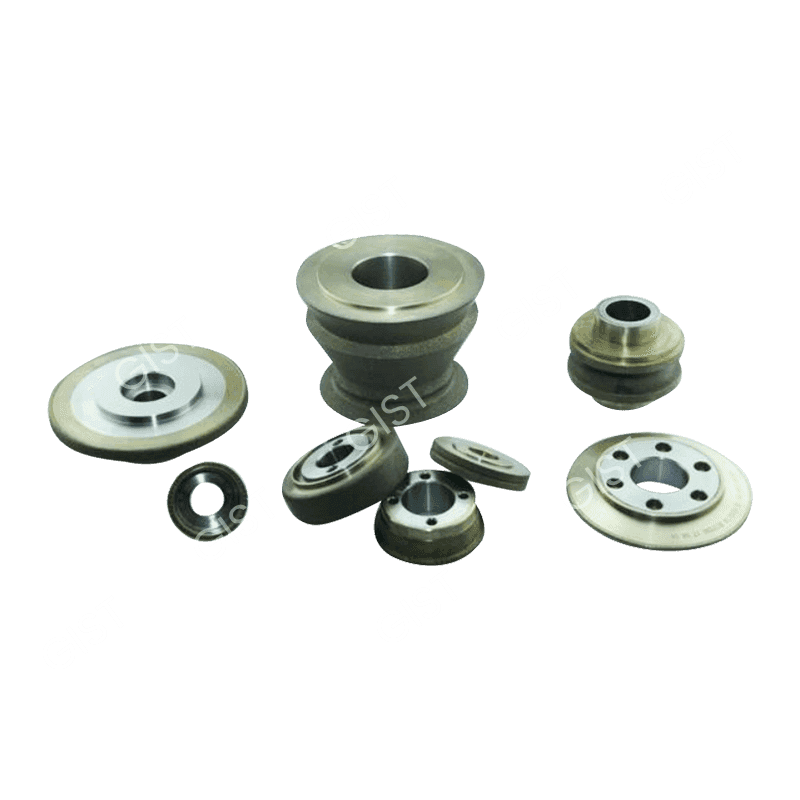
Category: Production auxiliary products Product Overview: The company has passed the certification of various systems such as ISO9001:2015 quality...
More
 86-13584767515
86-0515-89500828
 No. 1, Industrial Concentration Area, Wulie Town, Dongtai City, Jiangsu Province
Product