English
 中文简体
中文简体 русский
 Español
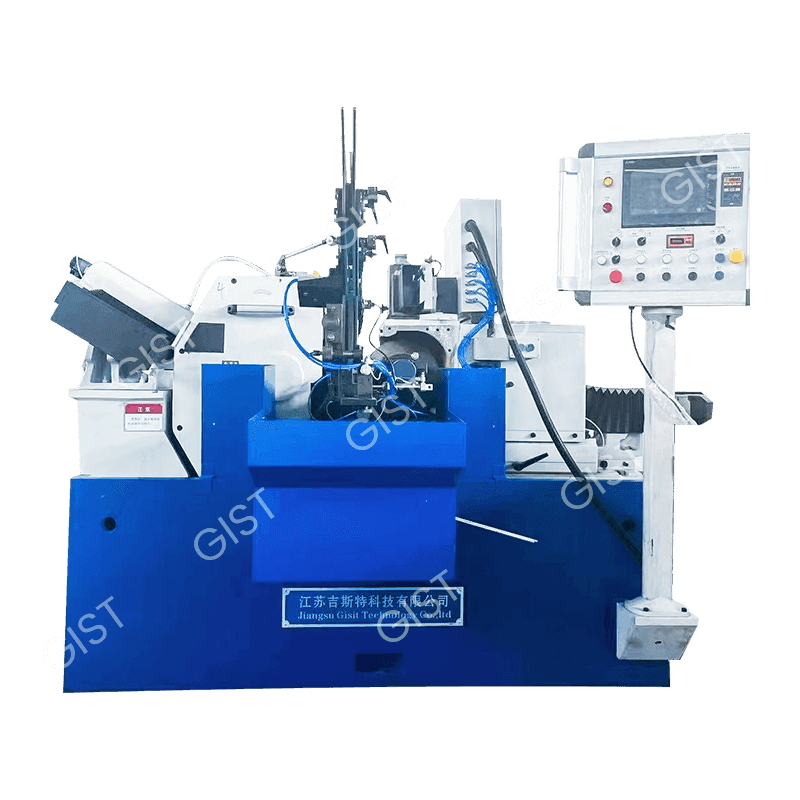
CBN Disc External Grinder
Cat:CNC Valve Grinding Machine
Category: Special valve CNC grinder Product Overview: The company has passed the certification of various systems such as ISO9001:2015 quality man...
MoreCNC lathes and traditional lathes are two types of mechanical equipment widely used in the metal processing industry. Although their basic functions are similar—both are used for turning metal workpieces—due to technological advancements, CNC lathes have gradually replaced traditional lathes and become the main tool in modern manufacturing. This article will detail the main differences between CNC lathes and traditional lathes from several aspects.
1. Control Method
Traditional Lathe:
Traditional lathes rely on the operator to manually adjust the tool position and speed to complete the machining task. The operator needs to constantly adjust various control parts of the equipment (such as feed rate, cutting speed, etc.) to ensure the smooth progress of the machining process. This method requires high technical skills, and human errors are prone to occur during operation.
CNC Lathe:
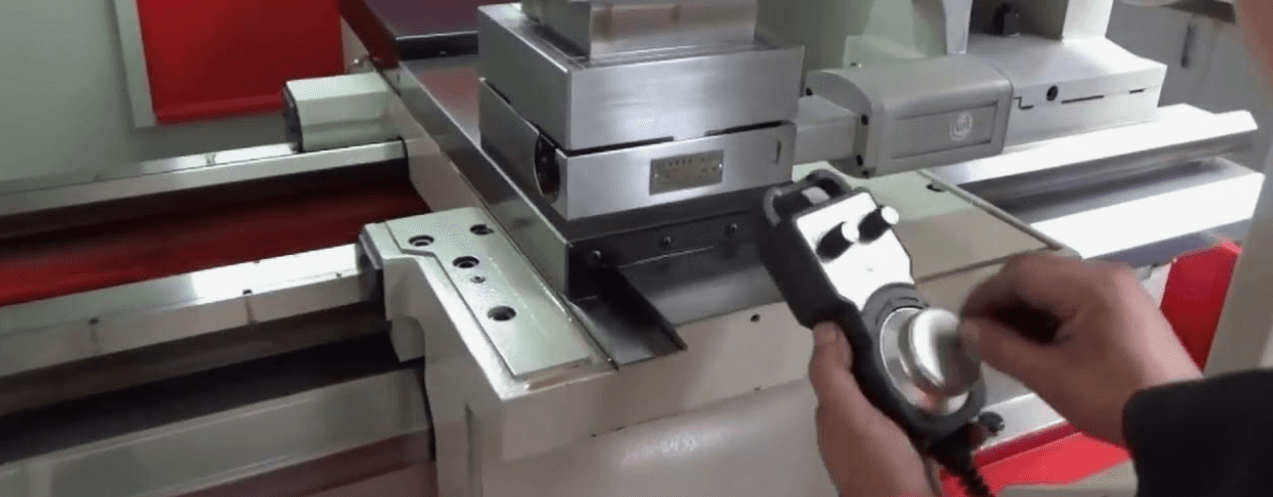
CNC lathes use computer numerical control (CNC) technology to control the various movements of the lathe through a computer program. The machining process of the workpiece is automatically completed by inputting precise program code, without manual intervention. CNC lathes greatly reduce human error and improve machining accuracy and stability.
2. Machining Accuracy and Complexity
Traditional Lathe:
Because the operation of traditional lathes relies on manual adjustment, the accuracy is easily affected by factors such as the operator's skill level and fatigue. Moreover, traditional lathes can usually only complete relatively simple machining tasks, and it is difficult to guarantee the machining accuracy for complex geometric shapes and small tolerances.
CNC Lathe:
Due to computer control, CNC lathes can achieve extremely high machining accuracy, and micron-level tolerance requirements can be easily met. At the same time, CNC lathes can perform complex multi-axis machining, handling various complex geometric shapes and surfaces, making them more adaptable and able to meet the demands of modern manufacturing for accuracy and complexity.
3. Operation Difficulty and Skill Requirements
Traditional Lathe:
Traditional lathes require operators to have strong manual operating skills and rich experience to effectively complete various machining tasks. Adjusting the workpiece position, tool selection, and cutting parameter settings all require meticulous manual adjustment by the operator.
CNC Lathe:
CNC lathe operators are mainly responsible for writing programs and setting up the machine, and do not need to perform frequent manual adjustments like traditional lathes. Although programming and operating CNC lathes require certain skills, for those unfamiliar with traditional manual operation, CNC lathes offer a more intuitive and automated way of working. Professionals can quickly learn to operate them by studying the programming language and control system.
4. Production Efficiency
Traditional Lathes:
Traditional lathes have relatively low production efficiency. Due to the frequent manual adjustments and high operator involvement during the machining process, production efficiency is significantly limited. Especially for mass production, traditional lathes are slower, and operator fatigue and errors can also affect production efficiency.
CNC Lathes:
CNC lathes have high production efficiency and can achieve fully automated machining. By simply inputting the program, the machine can work continuously, reducing labor costs and processing time. In addition, CNC lathes can perform mass production, completing multiple workpieces in the same machining process, greatly improving production efficiency.
5. Automation and Operational Safety
Traditional Lathes:
Traditional lathes usually require the operator to manually control the equipment, and the process involves many manual operations, which can easily lead to safety problems due to improper operation. Operators need to constantly pay attention to the operating status of the equipment to avoid accidents.
CNC Lathes:
CNC lathes have a high degree of automation. Operators only need to set the parameters before the equipment starts processing, and the equipment will automatically complete the remaining work. CNC lathes reduce the impact of human factors on operational safety and have multiple safety protection designs (such as emergency stop buttons, overload protection, etc.), improving operational safety.
6. Scope of Application
Traditional Lathes:
Traditional lathes are suitable for simple, small-batch processing tasks with low process requirements. Due to the manual nature of the operation, traditional lathes are usually used for low-precision machining and single-piece or small-batch production.
CNC Lathes:
CNC lathes are suitable for various complex processing tasks, especially high-precision, high-complexity parts machining. Whether it's small-batch customized production or large-scale automated production, CNC lathes can complete the tasks efficiently and are more adaptable.
Comparison Table:
| Comparison Factor | Traditional Lathe | CNC Lathe |
| Control Method | Manual operation | Computerized CNC programming |
| Processing Precision | Affected by operator skills, low | High precision, micron-level tolerance |
| Operation Difficulty | High, requires skilled operators | Low, mainly responsible for programming and setup |
| Production Efficiency | Low, high manual involvement | High, automated processing, efficient production |
| Application Range | Suitable for simple, low precision tasks | Suitable for complex, precision, and mass production |
| Safety | More manual involvement, higher risk | Automated operation with multiple safety features |
| Equipment Cost | Low initial cost, but high maintenance costs | High initial cost, but long-term benefits |
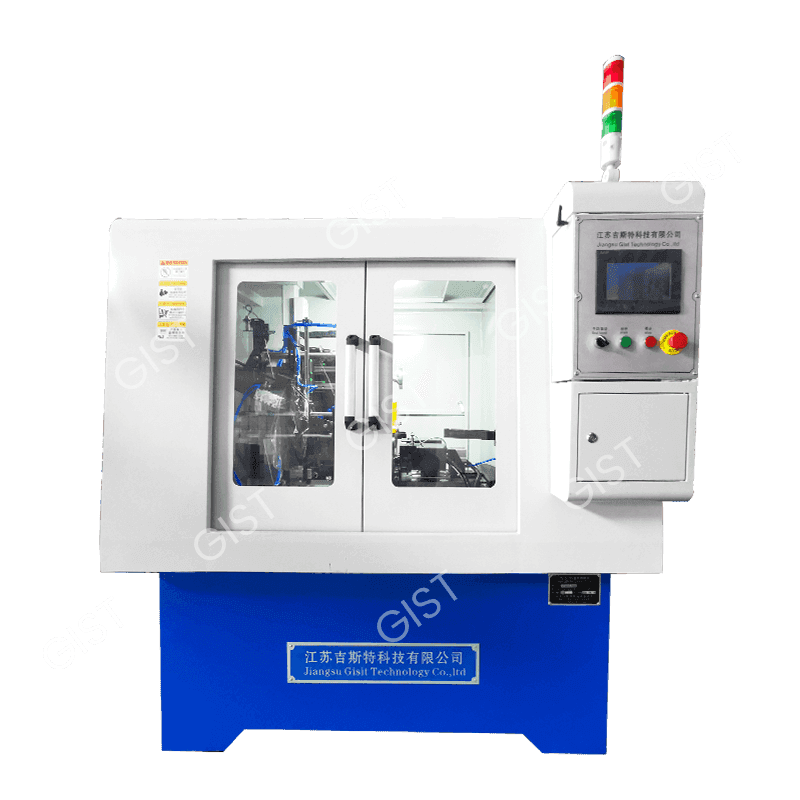
Category: Special valve CNC grinder Product Overview: The company has passed the certification of various systems such as ISO9001:2015 quality man...
More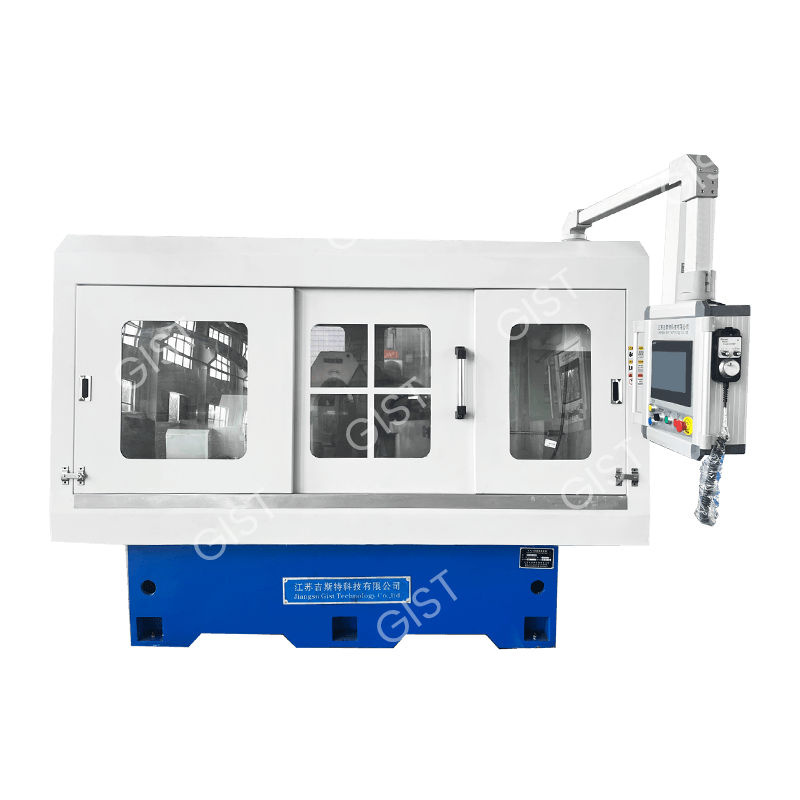
Category: Special valve CNC grinder Product Overview: The company has passed the certification of various systems such as ISO9001:2015 quality man...
More
Category: Valve blank molding equipment Product Overview: The company has passed the certification of various systems such as ISO9001:2015 quality...
More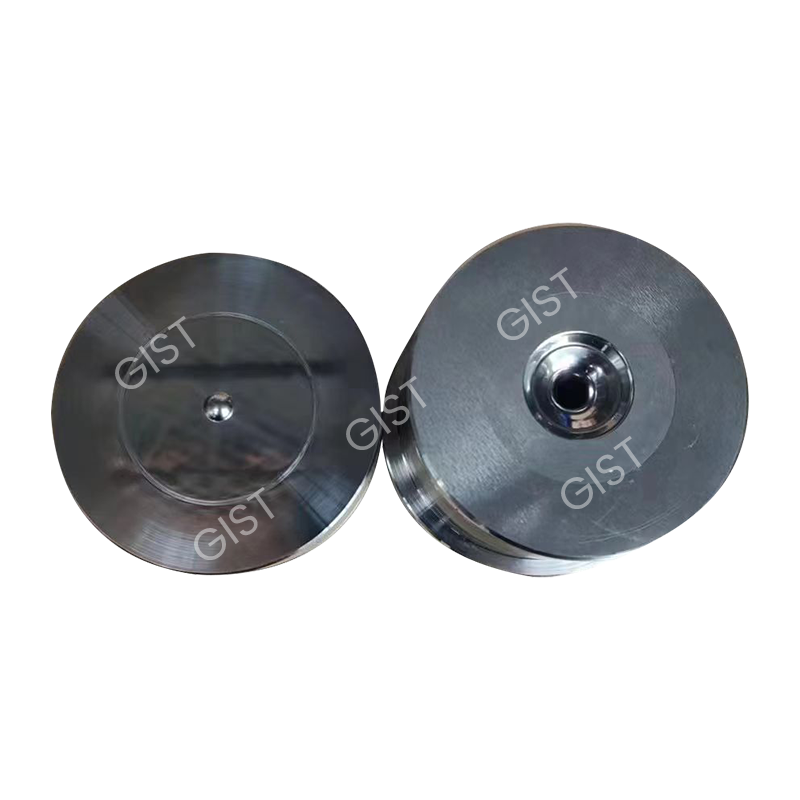
Category: Production auxiliary products Product Overview: The company has passed the certification of various systems such as ISO9001:2015 quality...
More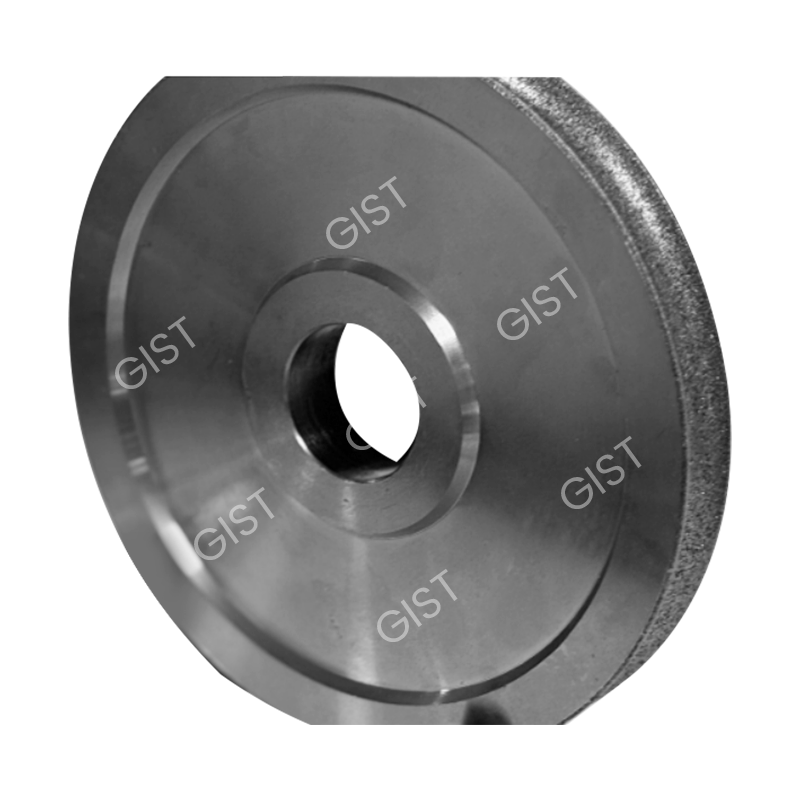
Category: Production auxiliary products Product Overview: The company has passed the certification of various systems such as ISO9001:2015 quality...
More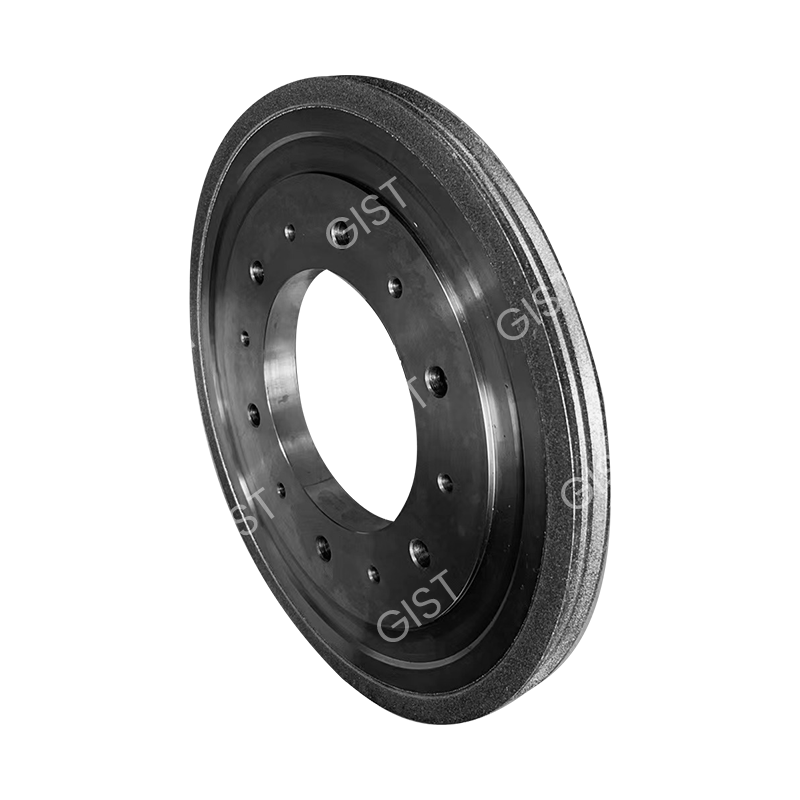
Category: Production auxiliary products Product Overview: The company has passed the certification of various systems such as ISO9001:2015 quality...
More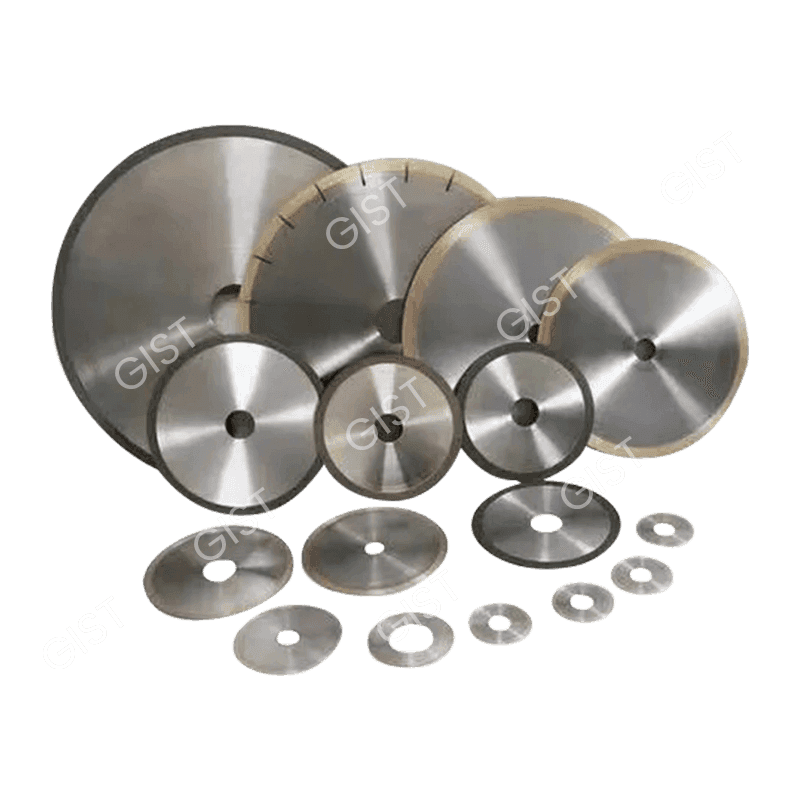
Category: Production auxiliary products Product Overview: The company has passed the certification of various systems such as ISO9001:2015 quality...
More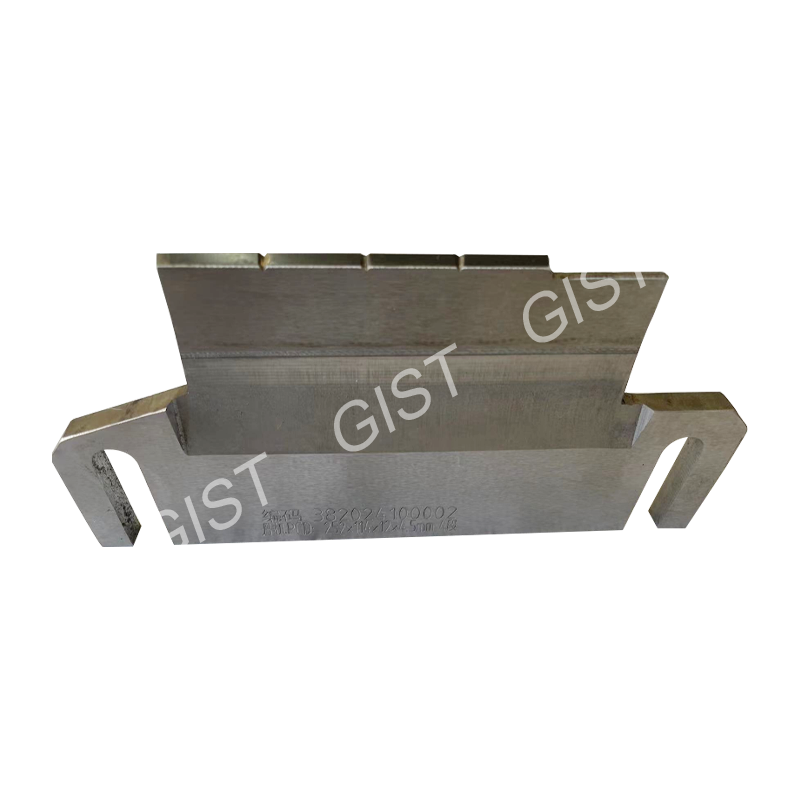
Category: Production auxiliary products Product Overview: The company has passed the certification of various systems such as ISO9001:2015 quality...
More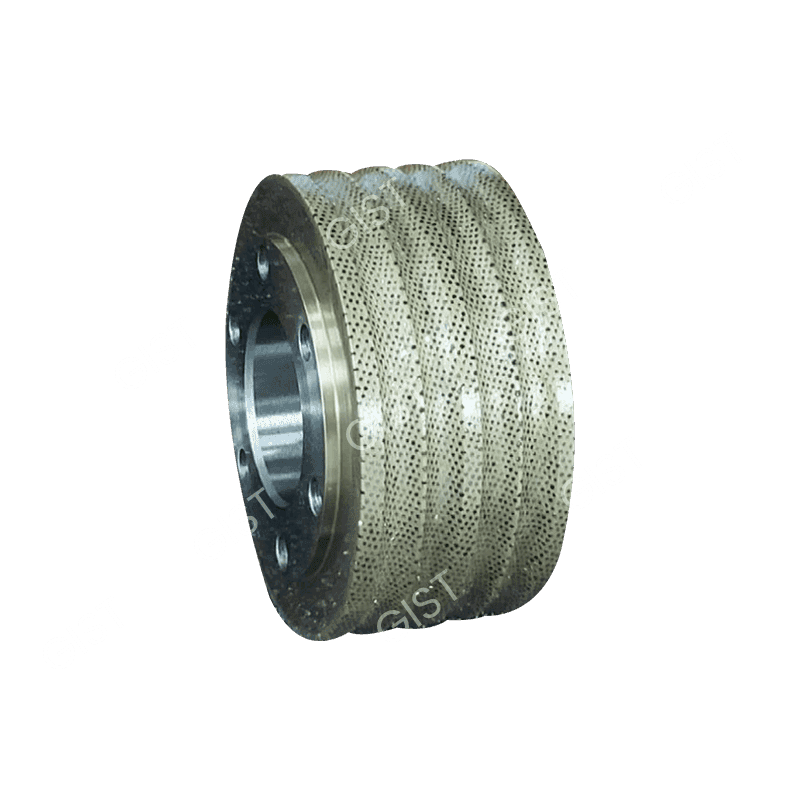
Category: Production auxiliary products Product Overview: The company has passed the certification of various systems such as ISO9001:2015 quality...
More
 86-13584767515
86-0515-89500828
 No. 1, Industrial Concentration Area, Wulie Town, Dongtai City, Jiangsu Province
Product