English
 中文简体
中文简体 русский
 Español
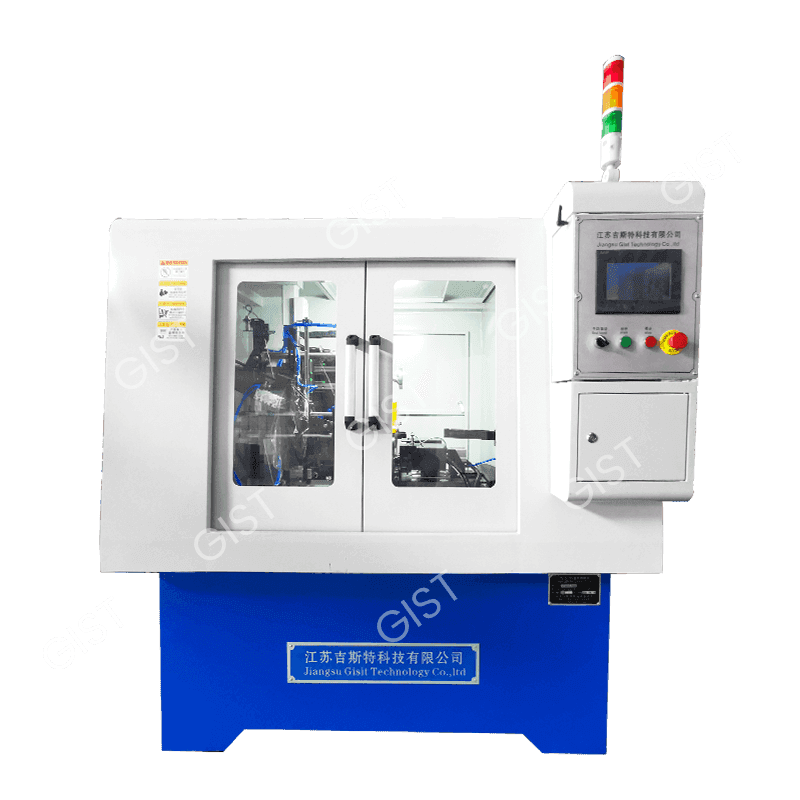
CBN Disc External Grinder
Cat:CNC Valve Grinding Machine
Category: Special valve CNC grinder Product Overview: The company has passed the certification of various systems such as ISO9001:2015 quality man...
MoreValve blank forming equipment is specialized production equipment used to manufacture valve components (especially valve bodies and valve seats). These devices utilize high-precision processing and forming technologies to achieve higher standards in the production of valve parts, improving production efficiency, product quality, and production stability. In the valve manufacturing industry, the application of valve blank forming equipment is gradually becoming key to improving overall production levels.
Content
The core function of valve blank forming equipment is to process metal raw materials (such as cast iron, steel, etc.) into preliminary valve shapes using molds, mechanical force, or other process methods. These preliminary shapes are called "valve blanks." Valve blanks are the basis for subsequent further processing, precision machining, and final assembly. Valve blank forming equipment typically includes stamping machines, forging presses, casting equipment, and precision cutting and welding equipment.
The valve blank forming process is a critical step in valve production because it determines the difficulty and efficiency of subsequent processing. The efficiency of valve blank forming equipment directly affects production cycles, cost control, and product accuracy.
Valve blank forming equipment can significantly improve production efficiency in the following ways:
(1) Increased Production Speed
Traditional valve production often relies on manual labor or simple mechanical processing, resulting in slow production speeds. Modern valve blank forming equipment uses fully automated or semi-automated production lines, enabling the processing of a large number of valve blanks in a short time. High-speed stamping, forging, and casting methods significantly shorten the manufacturing cycle of individual products.
For example, some highly efficient forging equipment can complete the forming of a valve blank in a few seconds, which is dozens of times faster than manual operation. This not only improves production efficiency but also ensures consistency and stability in large-scale production.
(2) Reduced Labor Costs
Automated and intelligent valve blank forming equipment reduces the need for highly skilled workers and also reduces the risk of operator errors. The high degree of automation of the equipment allows the entire production process to be carried out with minimal human intervention, reducing labor costs and improving production sustainability.
In addition, modern valve blank forming equipment is usually equipped with automatic detection and feedback mechanisms, which can monitor product quality in real time during the production process. This self-monitoring capability significantly reduces the rate of product defects caused by human error.
(3) Improved Product Precision
Valve blank forming equipment, through precise molds and high-pressure forming technology, can directly achieve the predetermined precision requirements during the valve blank forming process. This means that the workload of subsequent processing (such as turning, milling, and grinding) is greatly reduced, saving time and costs.
High-precision valve blank forming also effectively avoids rework or scrap caused by excessive errors in subsequent processing, further improving production efficiency and product quality.
(4) Saving Raw Materials
In traditional valve production, a large amount of cutting and grinding is often required, resulting in waste of raw materials. Modern valve blank forming equipment, by precisely controlling the forming process, can maximize the utilization of raw materials and reduce cutting waste. Especially in the forging process, metal materials can better maintain their properties through heating and pressure, reducing waste.
This material-saving effect not only reduces production costs but also meets the current manufacturing industry's demand for environmental protection and sustainable development.

(1) High-Efficiency Automation System
Today's valve blank forming equipment is generally equipped with advanced PLC control systems, intelligent sensors, and automated devices, which can complete all forming steps without manual intervention. This automation system greatly improves the production efficiency of the equipment and enhances the controllability of the production process.
(2) Highly Adaptable Multifunctional Equipment
Valve blank forming equipment not only supports the production of common valve types but also flexibly adapts to the needs of different materials, sizes, and shapes. Whether it is casting, forging, or stamping processes, the equipment can quickly adjust process parameters to match different production needs.
(3) Intelligent Monitoring and Data Analysis
Many valve blank forming devices are equipped with intelligent monitoring systems. Through real-time data analysis, operators can monitor production status, equipment performance, and product quality at any time. This data analysis not only helps to adjust production parameters in a timely manner but also prevents potential equipment failures and reduces downtime.
With the continuous advancement of manufacturing technology, the intelligence, automation, and precision levels of valve blank forming equipment are constantly improving. In the future, valve blank forming equipment may develop in the following directions:
More intelligent: The equipment will have stronger adaptability and be able to automatically adjust process parameters to optimize the production process. Green and environmentally friendly: Adopting more energy-efficient and environmentally friendly processes and technologies to reduce energy consumption and waste emissions.
Intelligent connectivity: The equipment will achieve data exchange and collaborative work with other production links in the factory, forming a closed loop of intelligent manufacturing.
Valve blank forming equipment has brought significant changes to the valve manufacturing industry by improving production efficiency, reducing costs, and enhancing product quality. With technological advancements, the functions of valve blank forming equipment will become more diversified and intelligent, and future manufacturing will focus more on precision, efficiency, and environmental protection. For valve manufacturers, investing in advanced valve blank forming equipment is undoubtedly a crucial step in enhancing competitiveness and achieving sustainable development.
Category: Special valve CNC grinder Product Overview: The company has passed the certification of various systems such as ISO9001:2015 quality man...
More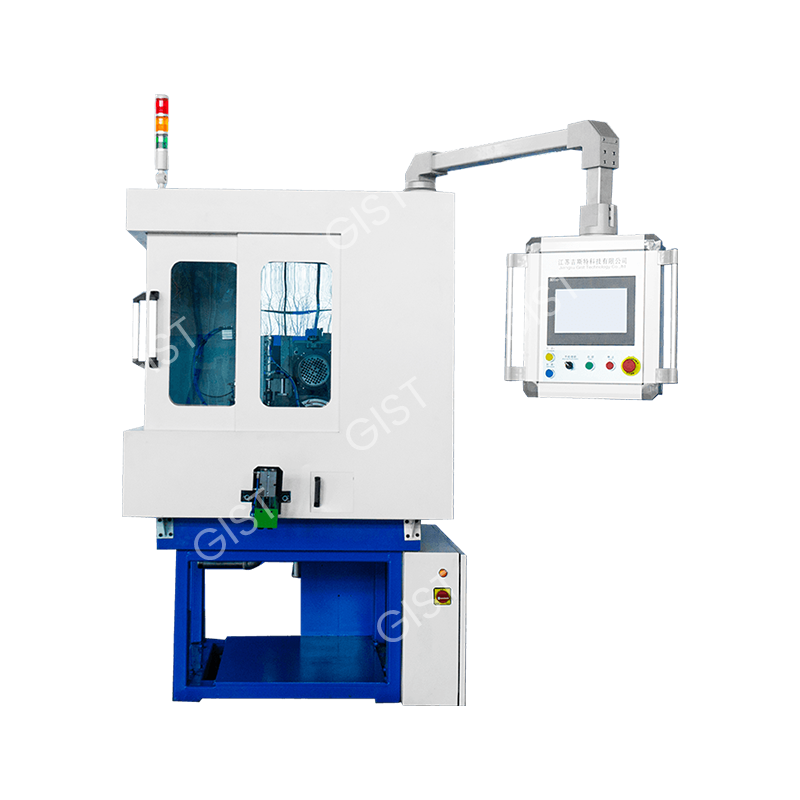
Category: Special valve CNC grinder Product Overview: The company has passed the certification of various systems such as ISO9001:2015 quality man...
More
Category: Special valve CNC grinder Product Overview: The company has passed the certification of various systems such as ISO9001:2015 quality man...
More
Category: Valve blank molding equipment Product Overview: The company has passed the certification of various systems such as ISO9001:2015 quality...
More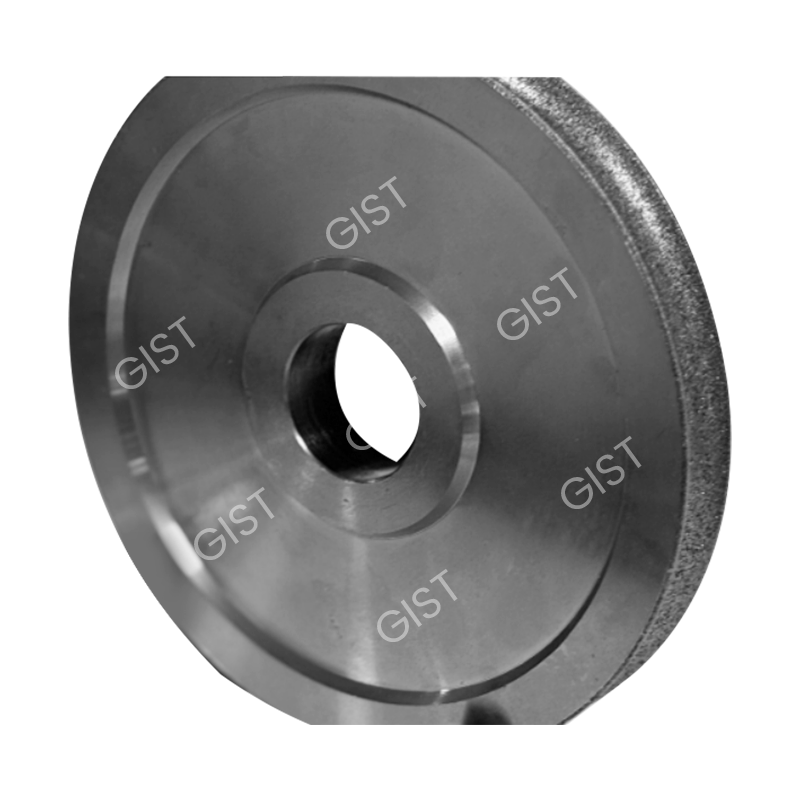
Category: Production auxiliary products Product Overview: The company has passed the certification of various systems such as ISO9001:2015 quality...
More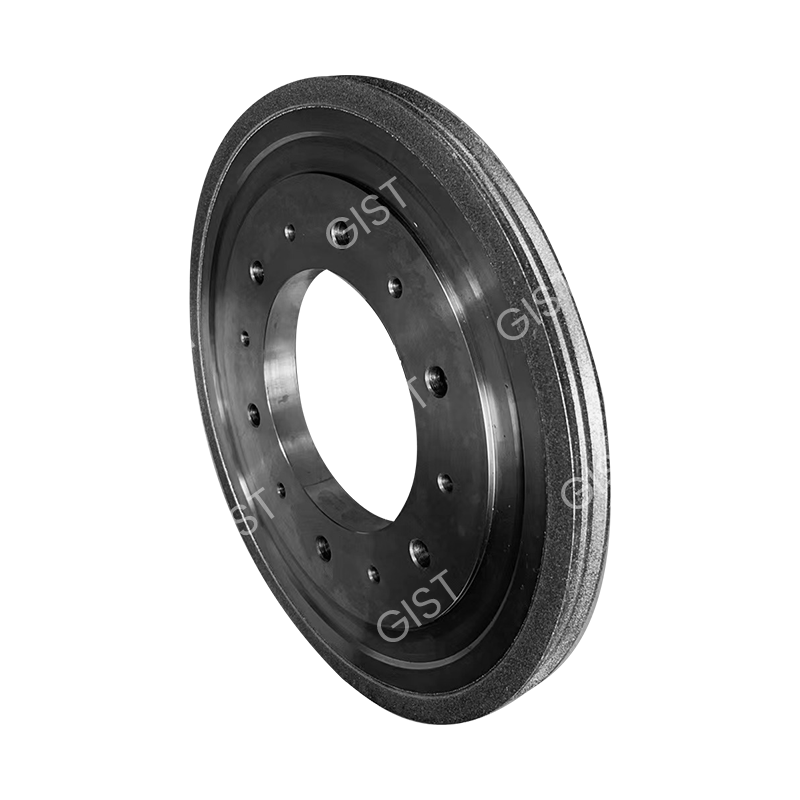
Category: Production auxiliary products Product Overview: The company has passed the certification of various systems such as ISO9001:2015 quality...
More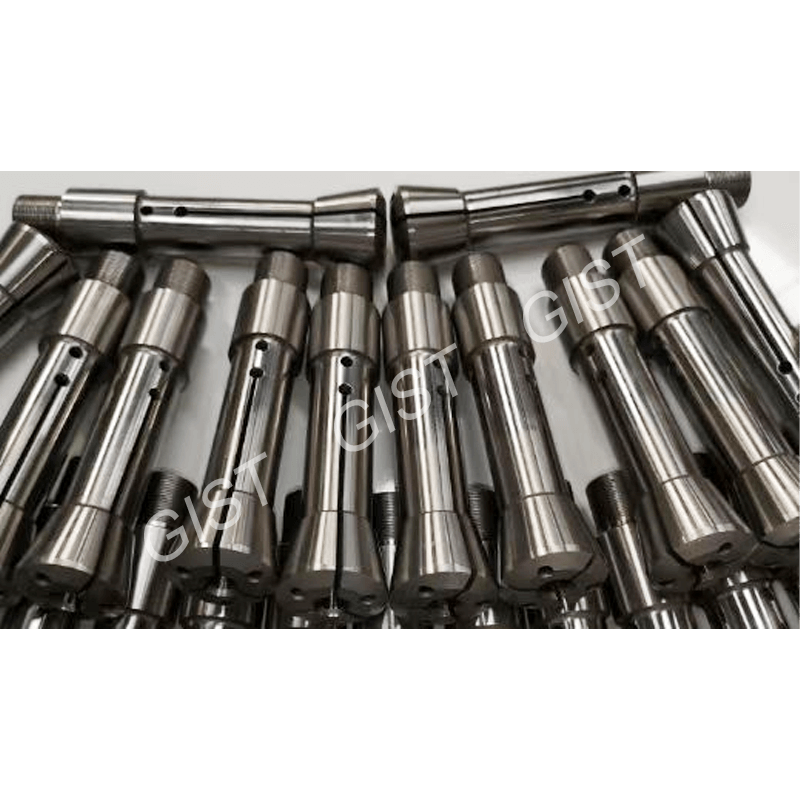
Category: Production auxiliary products Product Overview: The company has passed the certification of various systems such as ISO9001:2015 quality...
More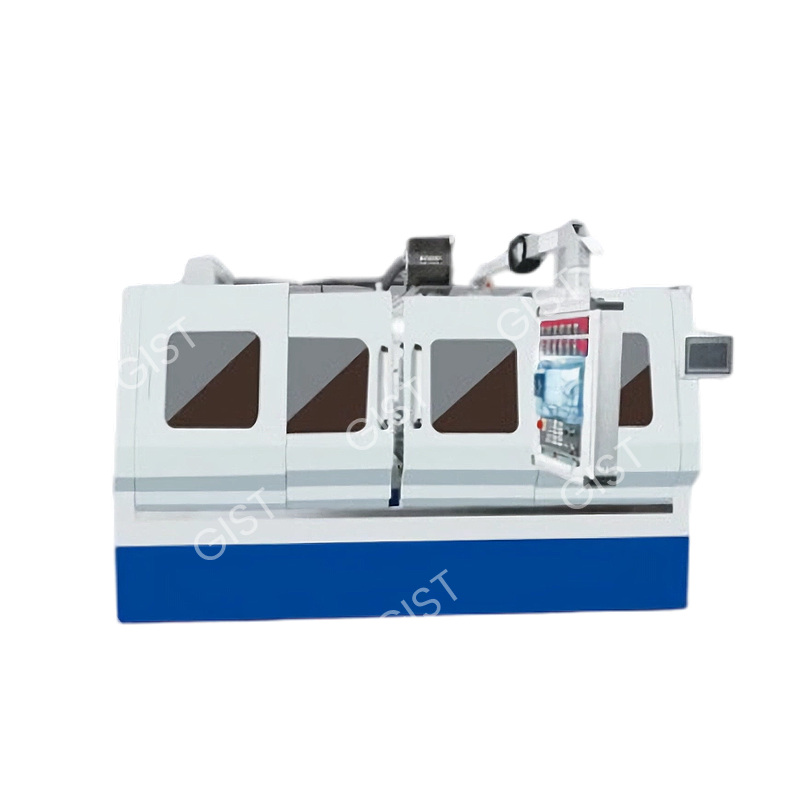
Category: Centreless grinder Overview: The company implements and implements various system management requirements, constantly innovates and impro...
More
 86-13584767515
86-0515-89500828
 No. 1, Industrial Concentration Area, Wulie Town, Dongtai City, Jiangsu Province
Product