English
 中文简体
中文简体 русский
 Español
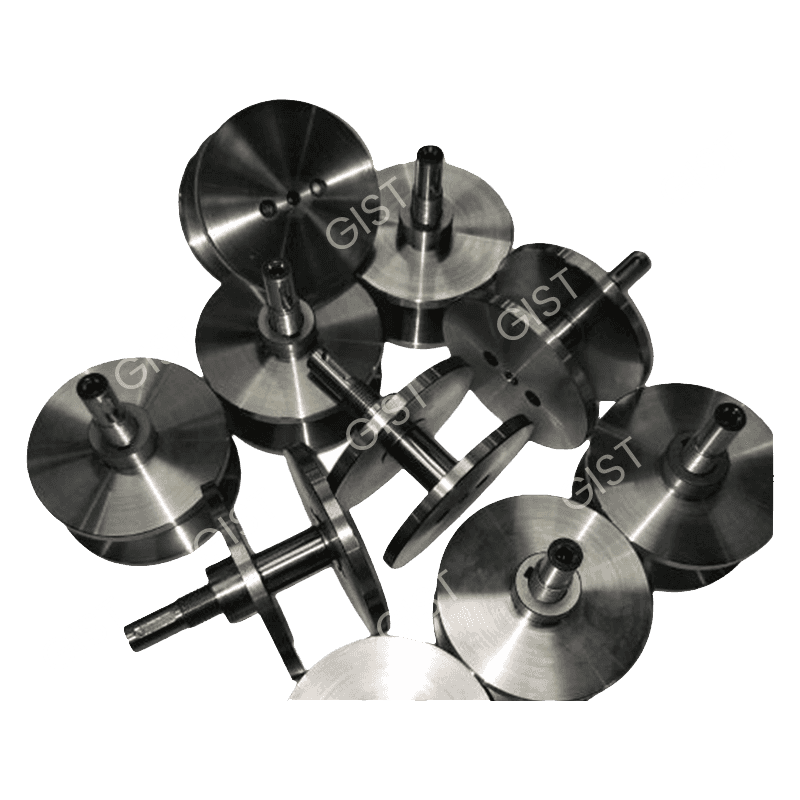
CBN Lock Clamp Groove, Rod End Grinder
Cat:CNC Valve Grinding Machine
Category: Special valve CNC grinder Product Overview: The company has passed the certification of various systems such as ISO9001:2015 quality man...
MoreValve blank forming equipment is a critical piece of production equipment in the valve manufacturing industry, used to process raw materials into valve body blanks that meet design requirements. The normal operation of the equipment directly affects the production efficiency, quality, and economic benefits of the enterprise. However, in actual production, valve blank forming equipment may experience various malfunctions. If not handled properly, this can not only cause production stoppages but also damage the equipment itself.
This article will comprehensively analyze the maintenance and troubleshooting strategies for valve blank forming equipment, starting from common fault types, cause analysis, and solutions, to help enterprises and operators improve equipment operational stability.
1. Overview of Valve Blank Forming Equipment
Valve blank forming equipment is mainly used to form valve body blanks that meet design requirements by using processes such as forging, stamping, or casting of metal or alloy raw materials. The main types of equipment include:
Hydraulic Forming Machine
Forms metal blanks through hydraulic pressure. The pressure is adjustable, suitable for medium and large valve blanks.
Mechanical Forming Machine
Uses mechanical stamping or forging pressure to achieve blank forming, suitable for high-volume, small valve production.
Hot Forging Equipment
Heats the blank to an appropriate temperature before forging to improve material plasticity and mechanical properties.
The core components of valve blank forming equipment include: hydraulic system, mechanical transmission system, mold system, control system, and safety devices. Equipment failures often involve these key components.
2. Common Faults of Valve Blank Forming Equipment
(1) Insufficient Pressure
Symptoms:
The blank cannot completely fill the mold during the forming process, and the blank shows obvious defects.
The pressure gauge shows a value lower than the set value, and the hydraulic system is operating abnormally.
Cause Analysis:
Insufficient hydraulic oil or deterioration of oil quality.
Severe wear or leakage of the hydraulic pump.
The pressure setting of the relief valve is too low or the valve is blocked.
Aging of cylinder seals leading to internal leakage.
Solutions:
Check the hydraulic oil level and quality, and regularly replace with high-quality hydraulic oil.
Check the working condition of the hydraulic pump, and replace worn parts if necessary.
Adjust or clean the relief valve to ensure correct pressure setting.
Replace the cylinder seals to eliminate internal leakage problems.
(2) Mold Wear or Damage
Symptoms:
Scratches, dents, or irregular shapes appear on the surface of the valve blank.
The molded dimensions deviate significantly and fail to meet design requirements.
Cause Analysis:
The mold material has insufficient hardness or has exceeded its service life.
Excessive molding pressure or excessive hardness of the blank material leads to abnormal stress on the mold.
Insufficient cooling and lubrication accelerate mold wear.
Solutions:
Regularly inspect the mold surface for wear and repair or replace the mold promptly.
Adjust the molding pressure appropriately to ensure proper matching between the blank material and the mold.
Maintain the mold lubrication system to prevent excessive friction.
(3) Mechanical Transmission Abnormalities
Symptoms:
The molding machine runs with excessive noise, and the movements are slow or uneven.
Transmission components exhibit jumping or jamming.
Cause Analysis:
Gears and bearings are worn or insufficiently lubricated.
The coupling is loose or damaged, resulting in reduced transmission efficiency.
Insufficient installation precision of mechanical parts leads to unstable movement.
Solutions:
Regularly inspect gears and bearings, add lubricating oil, or replace damaged parts.
Check the tightness of the coupling and replace it if necessary.
Adjust the clearance between mechanical parts to ensure the accuracy of the transmission system.

(4) Control System Failure
Symptoms:
The hydraulic press operates unstably, and operation commands are unresponsive or delayed.
The control panel frequently alarms, and the numerical display is abnormal.
Cause Analysis:
Electrical wiring is aging or has poor contact.
The controller program is abnormal or the sensor is faulty.
Solenoid valves or relays fail, resulting in abnormal control signals.
Solutions:
Regularly inspect electrical wiring, clean contact points, or replace aging cables.
Check sensors and controllers, and perform software upgrades or module replacements if necessary.
Check the working status of solenoid valves and relays to ensure the reliability of the control system.
(5) Safety Device Failure
Symptoms:
The emergency stop device is insensitive, and overload protection is not activated.
Operators are at risk, and the equipment is prone to damage.
Cause Analysis:
Safety devices have not been maintained or tested for a long time.
Sensors and limit switches are faulty.
There are loose connections or short circuits in the safety control circuit.
Solutions:
Regularly test the function of safety devices to ensure that emergency stop, limit switches, and overload protection are effective.
Replace damaged sensors or limit switches. Check the safety return circuit and ensure reliable electrical connections.
3. Troubleshooting Methods for Valve Blank Forming Equipment
Develop a troubleshooting process:
Troubleshoot by module, from the hydraulic system, mechanical transmission, mold, and control system to safety devices.
Record equipment operating data:
Changes in parameters such as pressure, speed, and temperature can help analyze the cause of the failure.
Phased testing:
First, perform no-load testing, then small-batch forming tests, and gradually identify the source of the failure.
Professional maintenance team:
Establish equipment maintenance records, and have professional personnel inspect the equipment regularly to prevent problems before they occur.
4. Preventive Measures and Maintenance Suggestions
Regular maintenance of the hydraulic system:
Check the hydraulic oil level and quality, clean the filter, and ensure stable pressure.
Mold management:
Establish mold usage cycle records, and regularly grind and replace molds.
Mechanical transmission maintenance:
Add lubricating grease, check the accuracy of gears and bearings, and prevent excessive wear.
Control system maintenance:
Check the status of electrical circuits, sensors, and controllers, and regularly upgrade the software.
Safety management:
Regularly test emergency stop devices, limit switches, and overload protection to ensure safe operation.
Standardized operation:
Train operators to strictly follow the equipment manual to avoid failures caused by human factors.
Valve blank forming equipment failures may involve multiple aspects, including the hydraulic system, mold, mechanical transmission, control system, and safety devices. By systematically analyzing common failure symptoms and causes, and implementing targeted solutions, the stability and production efficiency of the equipment can be effectively improved.
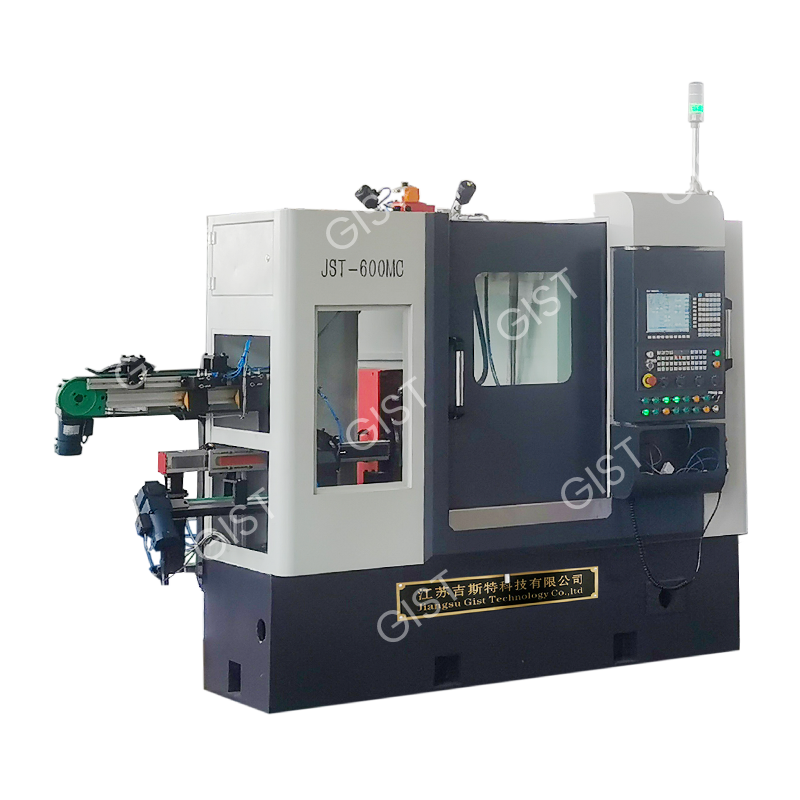
Category: Special valve CNC grinder Product Overview: The company has passed the certification of various systems such as ISO9001:2015 quality man...
More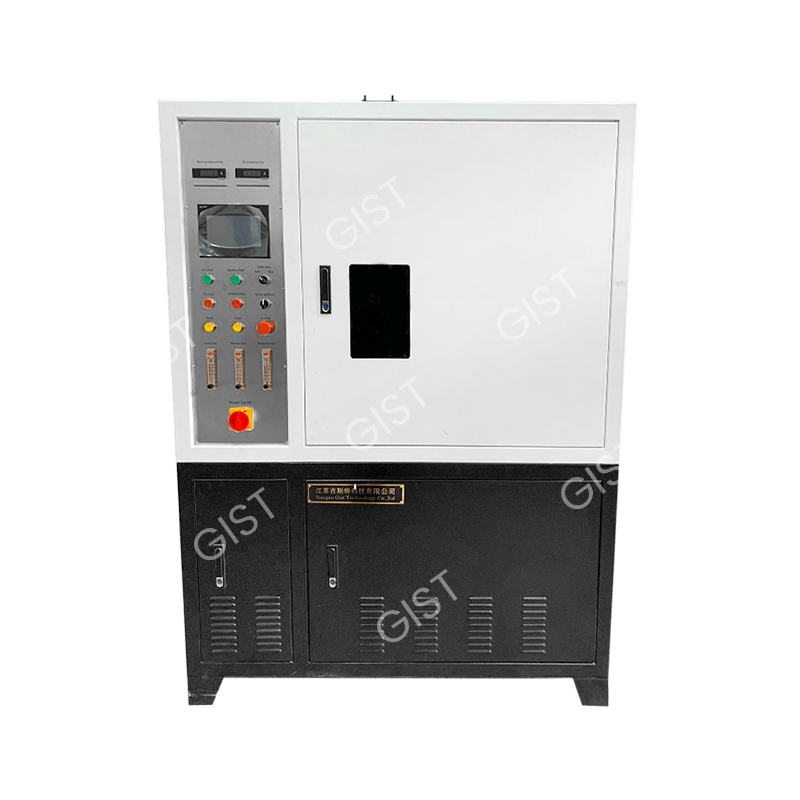
Category: Plasma welding equipment Product Overview: The company has passed the certification of various systems such as ISO9001:2015 quality mana...
More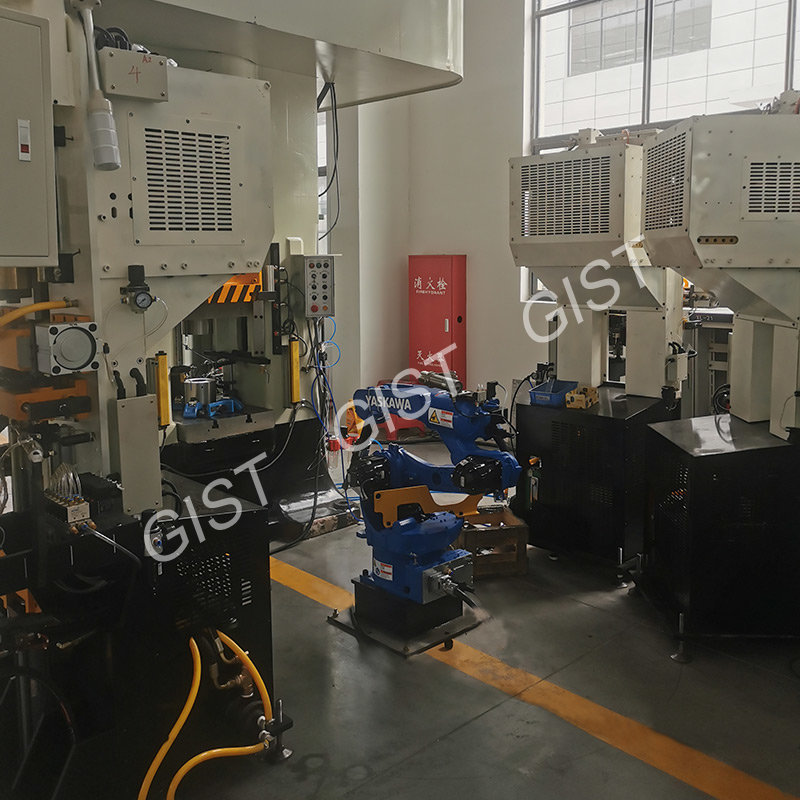
Category: Valve blank molding equipment Product Overview: The company has passed the certification of various systems such as ISO9001:2015 quality...
More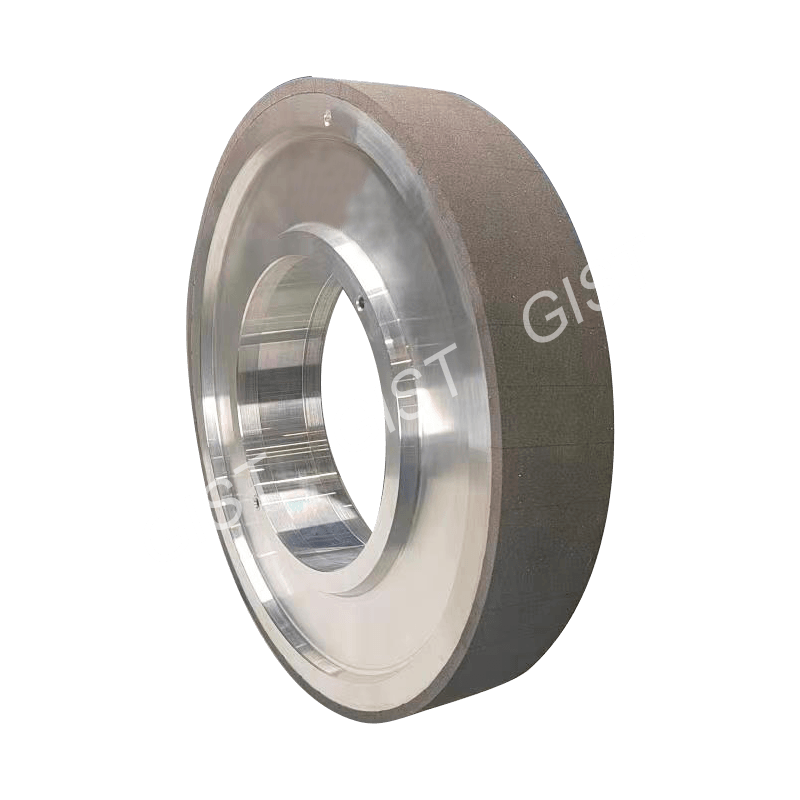
Category: Production auxiliary products Product Overview: The company has passed the certification of various systems such as ISO9001:2015 quality...
More
Category: Production auxiliary products Product Overview: The company has passed the certification of various systems such as ISO9001:2015 quality...
More
Category: Production auxiliary products Product Overview: The company has passed the certification of various systems such as ISO9001:2015 quality...
More
Category: Production auxiliary products Product Overview: The company has passed the certification of various systems such as ISO9001:2015 quality...
More
Category: Centreless grinder Overview: The company implements and implements various system management requirements, constantly innovates and impro...
More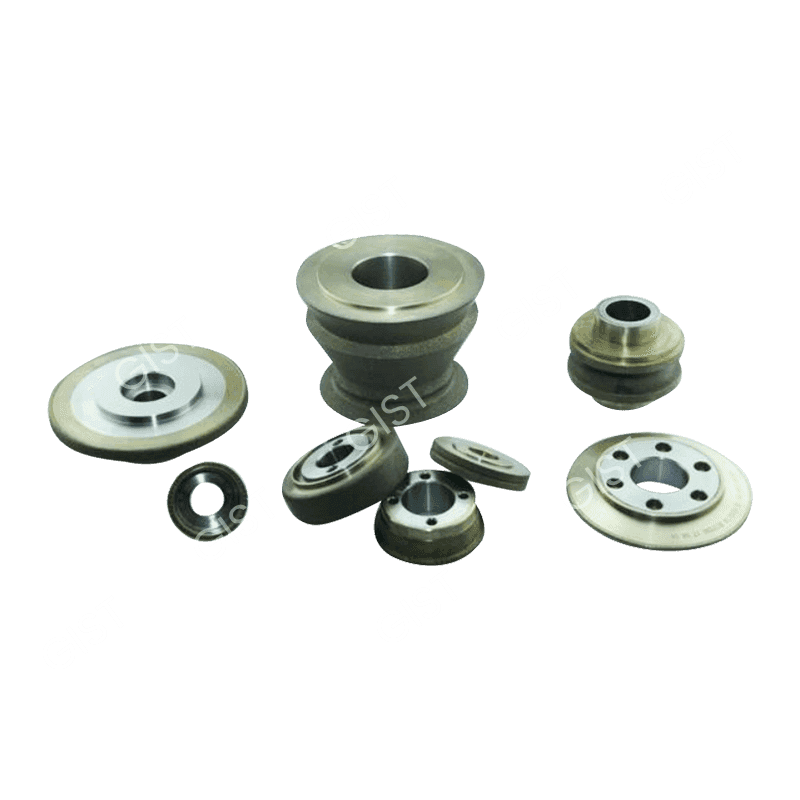
Category: Production auxiliary products Product Overview: The company has passed the certification of various systems such as ISO9001:2015 quality...
More
 86-13584767515
86-0515-89500828
 No. 1, Industrial Concentration Area, Wulie Town, Dongtai City, Jiangsu Province
Product