English
 中文简体
中文简体 русский
 Español
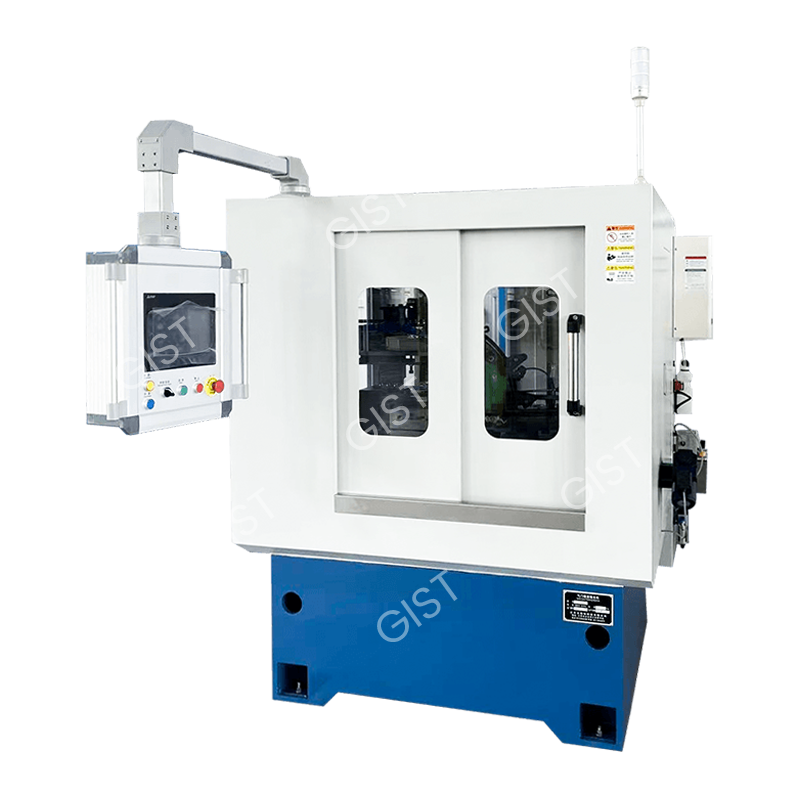
CNC Arc Lathe
Cat:CNC Lathe
Category: CNC lathe Product Overview: The company has passed the certification of various systems such as ISO9001:2015 quality management system, ...
MoreCNC arc lathes are specialized CNC machines primarily used to precisely machine specific grooves (also known as "chip flutes") on circular cutting tools (such as milling cutters, drills, and reamers).
Content
CNC arc lathes serve almost exclusively the tool manufacturing industry, machining various rotating tools requiring chip flutes, such as:
End mills: particularly ball nose milling cutters and arc angle milling cutters.
Drills: machining the spiral chip flutes of drills.
Reamers: machining the lands and chip flutes of reamers.
Various forming tools: such as gear hobs and broaches.
The grooves on these tools are not designed haphazardly; they directly impact the tool's chip removal performance, cutting force, rigidity, and the surface quality of the final workpiece. CNC arc lathes exist specifically to mass-produce these critical grooves with high precision and repeatability.
While the specific structures of some devices vary, their basic operating principles are similar:
Workpiece Clamping: The tool blank (usually a high-speed steel or carbide bar) is precisely clamped in the machine tool spindle.
Programming: Parameters for the target groove profile, such as arc radius (R), helix angle, groove depth, and number of grooves, are entered into the CNC system.
Synchronized Motion: After the machine tool is started, two core motions begin:
Spindle Rotation (C-Axis): The workpiece rotates at a constant speed.
Tool Feed (X/Z-Axis Movement): The forming tool, mounted on the tool holder, performs precise radial (X-Axis) and axial (Z-Axis) interpolation motions in a plane perpendicular to the workpiece axis, following program instructions, to create a complex circular arc path.
Groove Forming: The workpiece rotation and the tool forming motion are strictly synchronized. For spiral grooves, the tool moves along the workpiece axis (Z-axis) while simultaneously advancing and retracting radially (X-axis), creating a continuous spiral groove with a specific cross-sectional shape on the rotating workpiece.
High Precision and Consistency: CNC control ensures that every produced tool groove has extremely high dimensional accuracy and shape consistency, a level unmatched by manual grinding.
High Flexibility: By modifying the CNC program, tools with different specifications and groove shapes (such as those with varying rake and relief angles) can be easily and quickly processed, making production changes very convenient.
High Efficiency: Automated continuous processing allows grooves to be machined in a single clamping, resulting in production efficiency far exceeding traditional methods.
Complex Groove Processing: The system can handle complex grooves with special requirements, such as variable pitch, variable groove depth, and logarithmic spirals.
| Features | CNC Circular Lathe | Traditional CNC Lathe | CNC Tool Grinder |
| Main Purpose | Machining the Chip Flutes of Tools | Machining the External Cylindrical Circumferences, End Faces, and Threads of Shafts, Discs, and Bushings | Grinding the Cutting Edges (Relief Angle, Land) of Tools |
| Processing Objects | Unsharpened Tool Blanks | Various Metal Parts | Pre-grooved Tool Workpieces |
| Key Motions | Workpiece Rotation + Tool Circular Interpolation | Workpiece Rotation + Tool Linear/Oblique Motion | Workpiece Rotation/Indexing + Grinding Wheel Rotation with Multi-Axis Coordinated Motion |
| Tools Used | Forming Turning Tools | Standard Turning Inserts | Grinding Wheels |
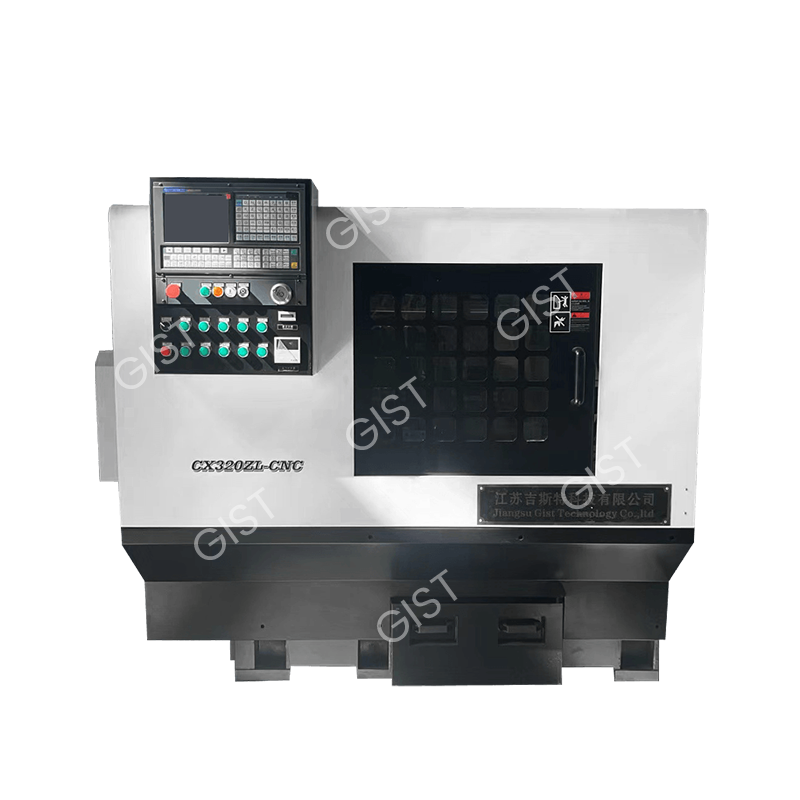
Category: CNC lathe Product Overview: The company has passed the certification of various systems such as ISO9001:2015 quality management system, ...
More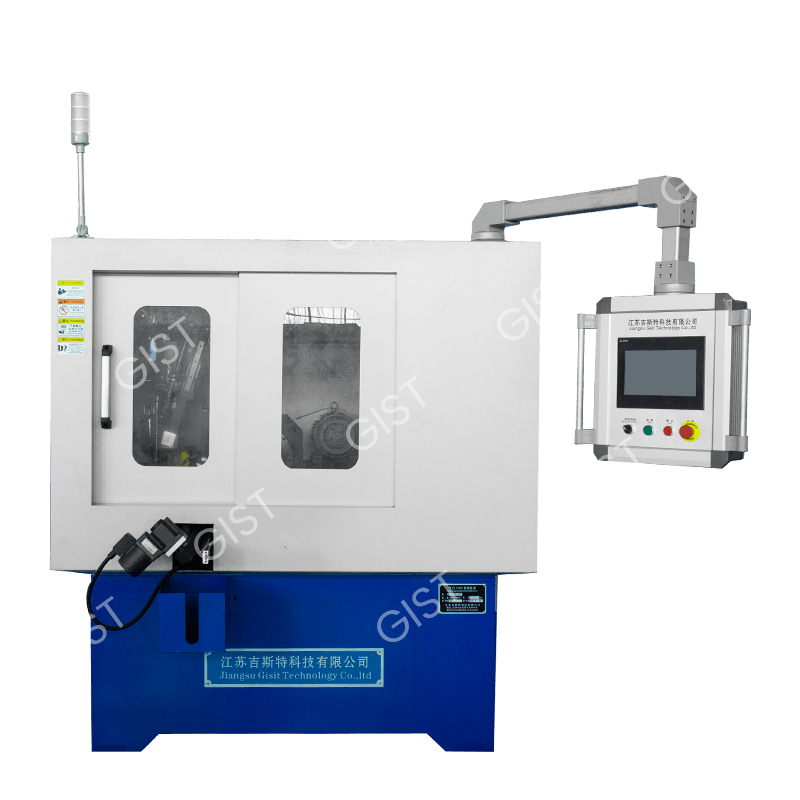
Category: Machining equipment Product Overview: The company has passed the certification of various systems such as ISO9001:2015 quality managemen...
More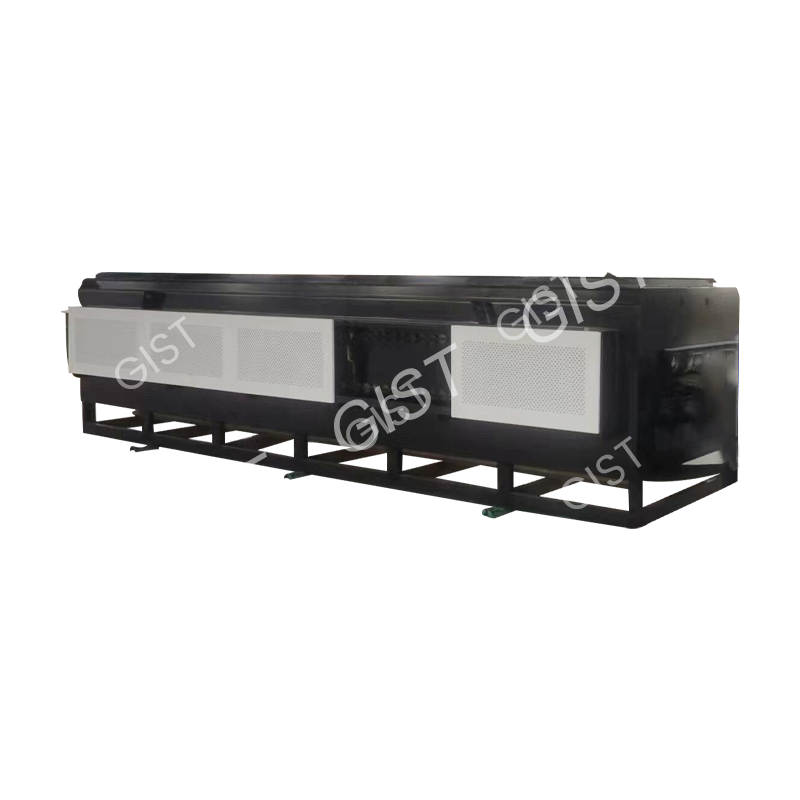
Category: Heat treatment equipment Product Overview: The company has passed the certification of various systems such as ISO9001:2015 quality mana...
More
Category: Plasma welding equipment Product Overview: The company has passed the certification of various systems such as ISO9001:2015 quality mana...
More
Category: Finished product testing equipment Product Overview: The company has passed the certification of various systems such as ISO9001:2015 qu...
More
Category: Production auxiliary products Product Overview: The company has passed the certification of various systems such as ISO9001:2015 quality...
More
Category: Production auxiliary products Product Overview: The company has passed the certification of various systems such as ISO9001:2015 quality...
More
Category: Production auxiliary products Product Overview: The company has passed the certification of various systems such as ISO9001:2015 quality...
More
Category: Production auxiliary products Product Overview: The company has passed the certification of various systems such as ISO9001:2015 quality...
More
 86-13584767515
86-0515-89500828
 No. 1, Industrial Concentration Area, Wulie Town, Dongtai City, Jiangsu Province
Product