English
 中文简体
中文简体 русский
 Español
Ceramic CBN Grinding Wheel Centerless Grinding Machine
Cat:Centerless Grinding Machine
It is mainly used for precision grinding of outer circles of engine inlet and exhaust valve stems, bearings, and various shaft products.
MoreThe fully automatic plasma cone welding machine is a high-precision and high-efficiency welding equipment, but it is inevitable to encounter some common problems during use. Understanding the common problems of the fully automatic plasma cone welding machine can ensure the stable operation of the fully automatic plasma cone welding machine.
Content
Phenomenon: Holes appear on the surface or inside the weld.
Cause: The shielding gas is impure or contains moisture or grease. The gas flow is not appropriate (too high will cause turbulence, too low will cause insufficient protection). The air pipe is leaking, blocked, or the nozzle is blocked by splashes. There is oil, rust, paint or moisture on the surface of the workpiece.
Solution: Check the sealing of the gas line to ensure the correct gas purity and flow; thoroughly clean the groove and both sides of the workpiece.
Phenomenon: A depression appears at the junction of the weld and the base material.
Cause: The welding current is too large. The welding speed is too fast. The arc is too long or the plasma arc is poorly centered. The welding gun angle is incorrect. Solution: Appropriately reduce the current and slow down the welding speed; check and adjust the welding gun's centering and angle.
Phenomenon: Incomplete penetration means that the root of the weld is not completely fused; welding through means that the weld is burned through.
Cause: Incomplete penetration: The current is too small, the speed is too fast, the groove angle or gap is too small.
Welding through: The current is too large, the speed is too slow, the gap is too large or the blunt edge is too thin.
Solution: Accurately match the current, speed with the workpiece thickness and groove size; conduct process evaluation tests to determine the optimal parameters.
Phenomenon: The weld width is uneven, the height is uneven, and a hump weld appears.
Cause: The wire feed speed does not match the welding speed. The welding speed is unstable or the equipment is shaking. The groove processing is uneven. The plasma gas or shielding gas flow is unstable.
Solution: Check and calibrate the stability of the wire feed mechanism and the travel mechanism; ensure the groove preparation accuracy; check the gas circuit pressure stabilization system.
Phenomenon: Unable to establish a pilot arc or transfer arc.
Cause: Improper gap between the electrode and the nozzle or severe wear and tear. The high-frequency arc starter is damaged or contaminated.
Insufficient gas flow, unable to ionize normally.
Solution: Check and replace worn electrodes and nozzles; clean arc starting components; check the circuit and gas path.
Phenomenon: The life of core consumable parts is much lower than expected.
Cause: Insufficient gas purity (especially containing oxygen and hydrogen). Excessive current, exceeding the carrying capacity of the nozzle and electrode.
Phenomenon: The wire feed is fast or slow, shakes or gets stuck.
Cause: The wire feed wheel is worn or the clamping force is improper. The wire feed hose is clogged, the bending radius is too small or there are burrs inside. The conductive nozzle aperture is worn or clogged. The welding wire has a hard bend or burrs on the surface.
Solution: Check and adjust the wire feed mechanism; replace worn wire feed rolls and contact tips; use high-quality, well-wound welding wire.
To avoid the above problems, a strict equipment maintenance and process management system should be established:
Daily Maintenance: Check the air and water lines, clean the nozzle, and inspect consumable parts.
Regular Maintenance: Calibrate system parameters, inspect mechanical transmission components, and clean internal dust.
Process Specifications: Strictly prepare the workpiece surface before welding, and conduct thorough process tests for new materials and processes.
Operation Training: Ensure operators are familiar with equipment performance, parameter settings, and troubleshooting methods for common problems.
When encountering complex problems, it is recommended to contact the equipment manufacturer's technical support promptly and avoid blindly disassembling core components.
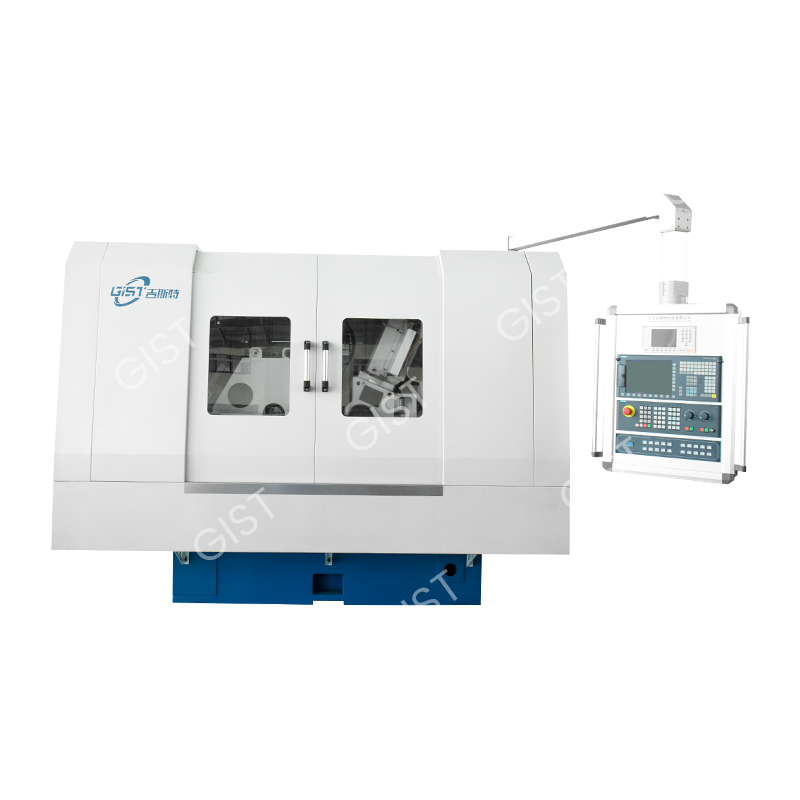
It is mainly used for precision grinding of outer circles of engine inlet and exhaust valve stems, bearings, and various shaft products.
More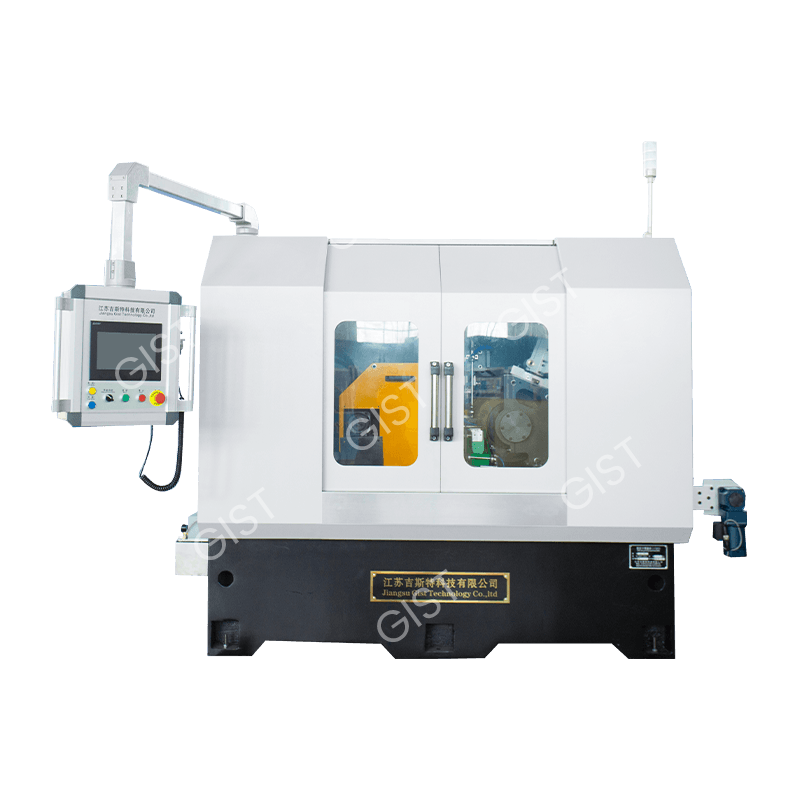
Category: Special valve CNC grinder Product Overview: The company has passed the certification of various systems such as ISO9001:2015 quality man...
More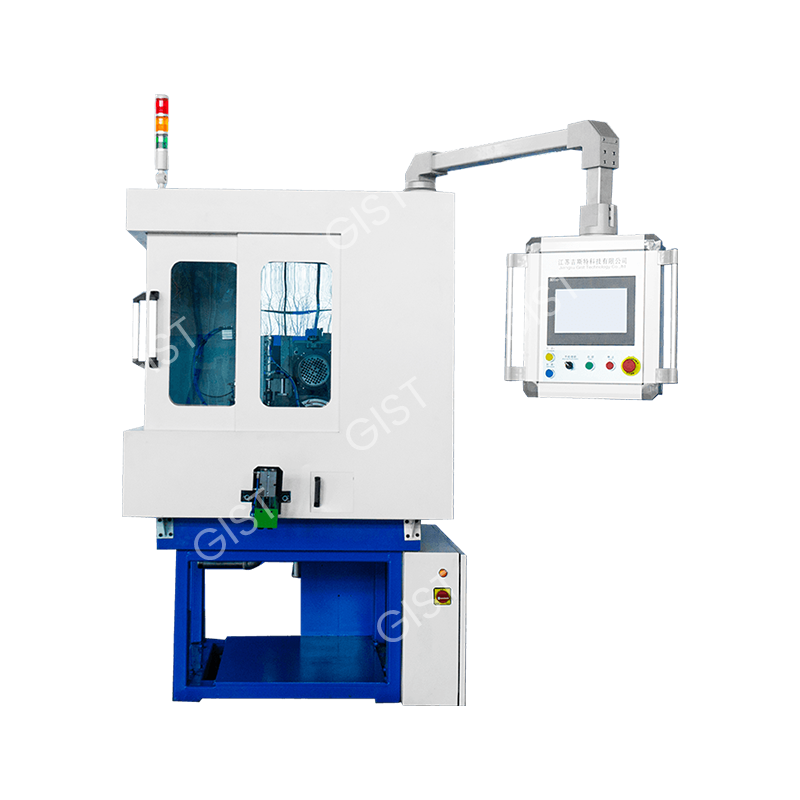
Category: Special valve CNC grinder Product Overview: The company has passed the certification of various systems such as ISO9001:2015 quality man...
More
Category: Valve blank molding equipment Product Overview: The company has passed the certification of various systems such as ISO9001:2015 quality...
More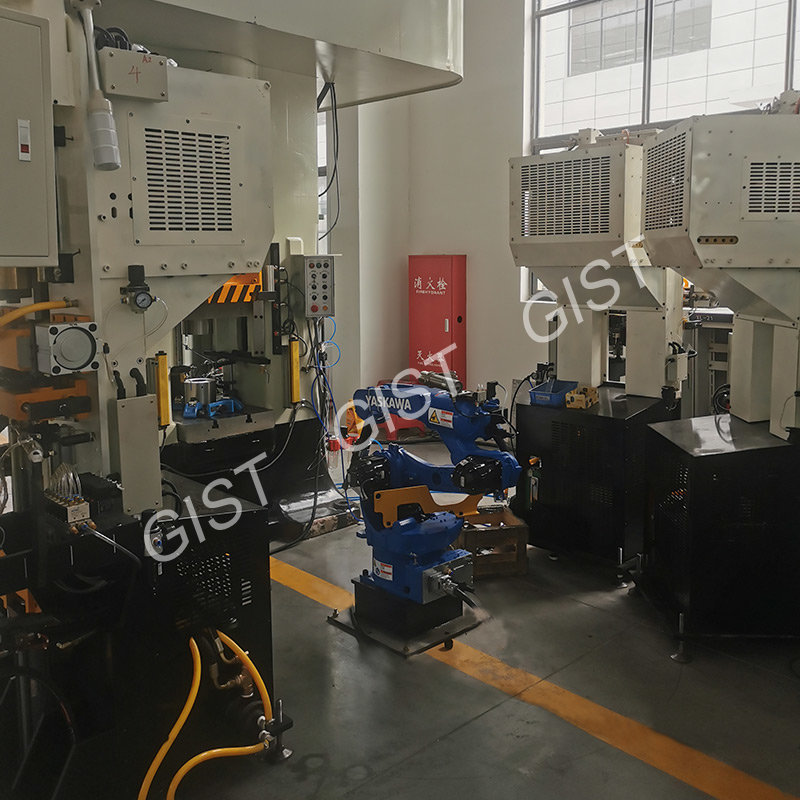
Category: Valve blank molding equipment Product Overview: The company has passed the certification of various systems such as ISO9001:2015 quality...
More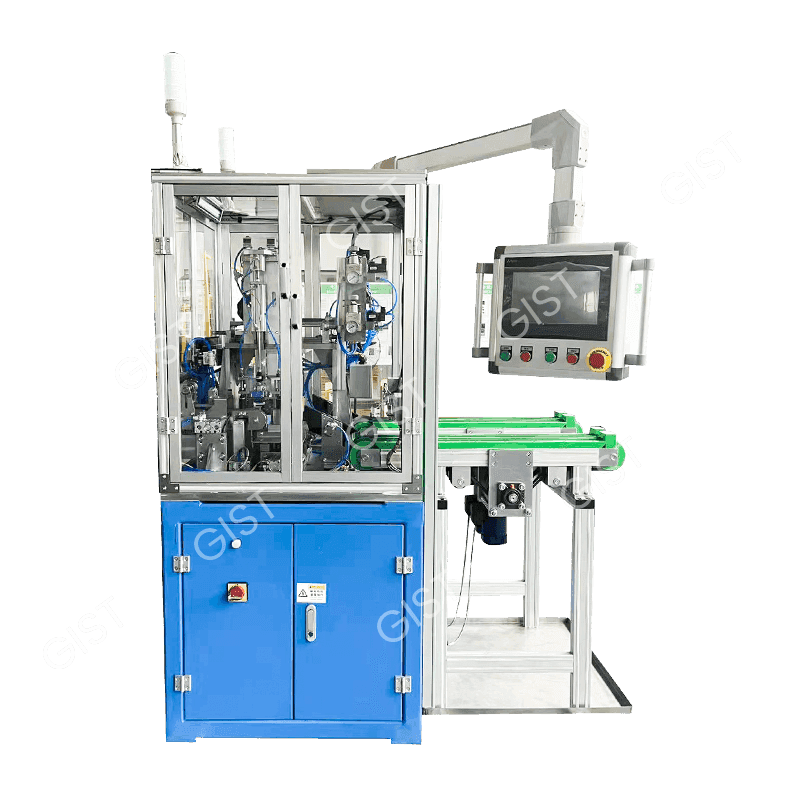
Category: Finished product testing equipment Product Overview: The company has passed the certification of various systems such as ISO9001:2015 qu...
More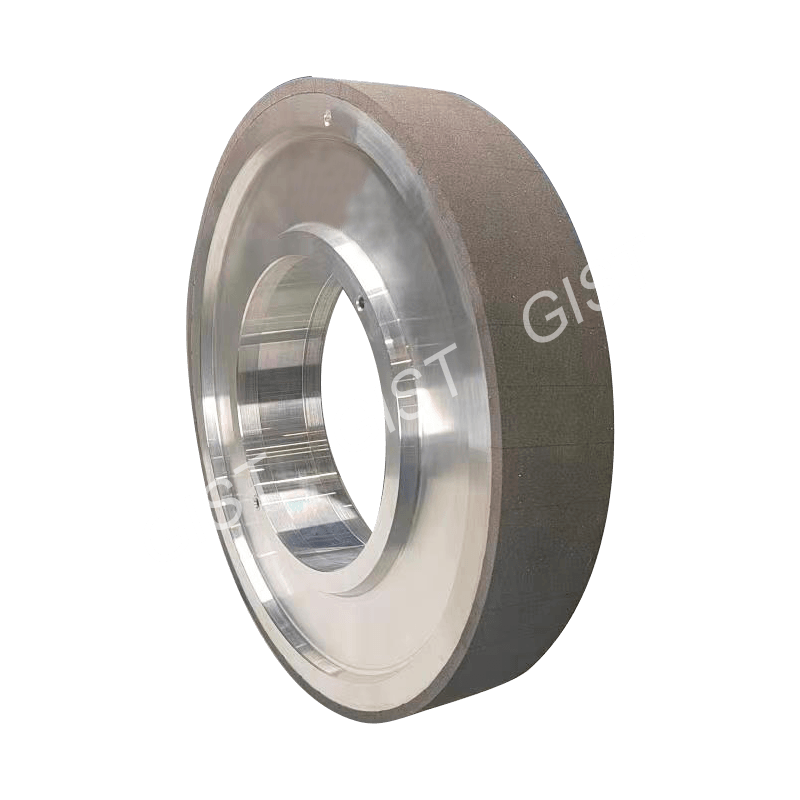
Category: Production auxiliary products Product Overview: The company has passed the certification of various systems such as ISO9001:2015 quality...
More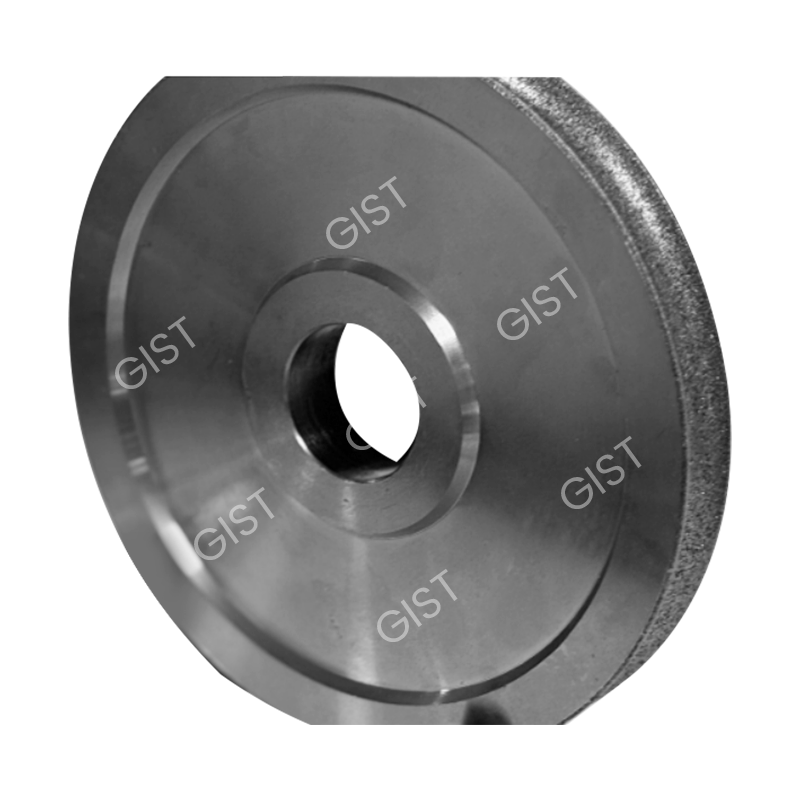
Category: Production auxiliary products Product Overview: The company has passed the certification of various systems such as ISO9001:2015 quality...
More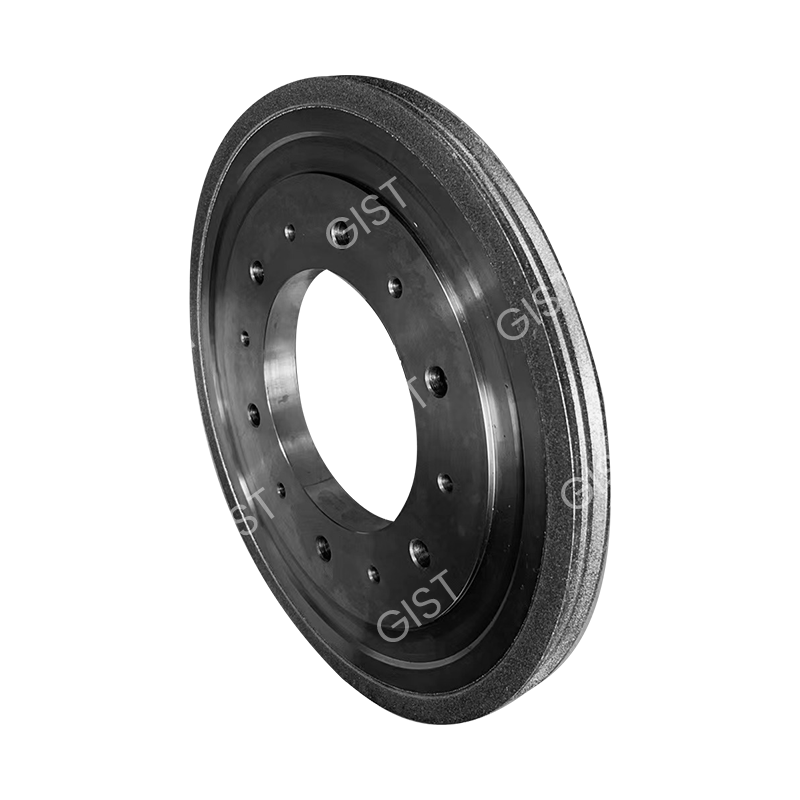
Category: Production auxiliary products Product Overview: The company has passed the certification of various systems such as ISO9001:2015 quality...
More
 86-13584767515
86-0515-89500828
 No. 1, Industrial Concentration Area, Wulie Town, Dongtai City, Jiangsu Province
Product