English
 中文简体
中文简体 русский
 Español
CNC Disk End Lathe
Cat:CNC Lathe
Category: CNC lathe Product Overview: The company has passed the certification of various systems such as ISO9001:2015 quality management system, ...
MoreContent
Maintaining high machining accuracy:
Guides and ball screws: These are the "bones and nerves" of the machine tool. Once iron chips and dust enter the guides and ball screws, they will rapidly wear these precision components like abrasives, causing unstable machining dimensions and chatter marks.
Spindle accuracy: If iron chips adhere to the spindle end, they can cause inaccurate positioning when installing the chuck or toolholder, directly affecting roundness and concentricity.
Protecting the life of core components:
Preventing electrical system failure: Metal dust is conductive. If it accumulates on electrical components such as circuit boards, drivers, and power supplies, it can easily cause short circuits and component burnout, resulting in extremely high repair costs.
Protecting hydraulic and pneumatic systems: Impurities entering the hydraulic oil or pneumatic lines can damage cylinder seals and clog solenoid valves, leading to chuck clamping failure and tailstock malfunction.
Ensures stable and safe machining:
Smooth chip removal: Accumulated chips can become entangled in the workpiece or tool, causing tool chipping, workpiece failure, or even injury from being thrown out.
Heat dissipation and lubrication: Chips covering the motor and spindle impede heat dissipation; chips clogged in lubrication points can cause dry friction in moving parts.
Easily detect potential problems:
During the cleaning process, operators can visually detect potential faults such as loose screws, leaking oil pipes, and damaged protective covers, preventing them from occurring.
Safety first: Turn off the main power of the machine tool completely and lock and tag out when necessary.
Cleaning the main cutting area:
Use an iron hook and a brush to clean the main tangled and blocky iron chips on the chuck, turret, guide rail, and tailstock.
It is strictly forbidden to grab the iron chips directly with your hands to avoid cuts.
Wipe the surface of the machine tool: Use cotton cloth to wipe the operation panel, display, machine tool housing, etc. When wiping the panel, wring the cloth dry to prevent liquid from seeping in.
Check and clean the chip conveyor: Start the chip conveyor and clean the collected iron chips. Make sure that the iron chips in the coolant tank have settled or been salvaged.
Simple inspection: Check whether the coolant and lubricating oil levels are normal.
Cleaning the electrical cabinet: After ensuring that the power is off, open the electrical cabinet door and use a vacuum cleaner (preferably with explosion-proof function) to carefully clean the dust and metal dust inside. It is strictly forbidden to use compressed air to blow, otherwise the dust will be blown deeper.
Cleaning the inside of the protective cover: Open the guide rail protective cover of the machine tool, wipe the guide rail and lead screw with diesel or special cleaning agent, remove stubborn oil sludge, and then refill the appropriate amount of guide rail lubricant.
Cleaning the turret and spindle:
Clean the tool head positioning surface and taper hole of the turret to ensure that there are no iron chips and dirt.
Carefully clean the spindle end face and inner hole to keep them clean.
Cleaning the cooling system: Salvage the settled iron chips in the coolant tank and replace or add coolant if necessary.
It is absolutely forbidden to use compressed air to blow the machine tool: This is the most dangerous and wrong practice! High-pressure airflow can blow fine metal dust and coolant into the core areas of precision components, including guideways, lead screws, bearings, and electrical components, causing irreversible wear and potential electrical failure.
Use the correct tools: Prefer hooks, brushes, vacuum cleaners, cotton cloths, and specialized cleaning agents.
Personal protection: Wear protective gloves and goggles when cleaning to prevent scratches and eye contact from sharp metal chips.
Oil and fluids: Use lubricants and cleaning agents recommended by the machine tool manufacturer. Do not substitute them.
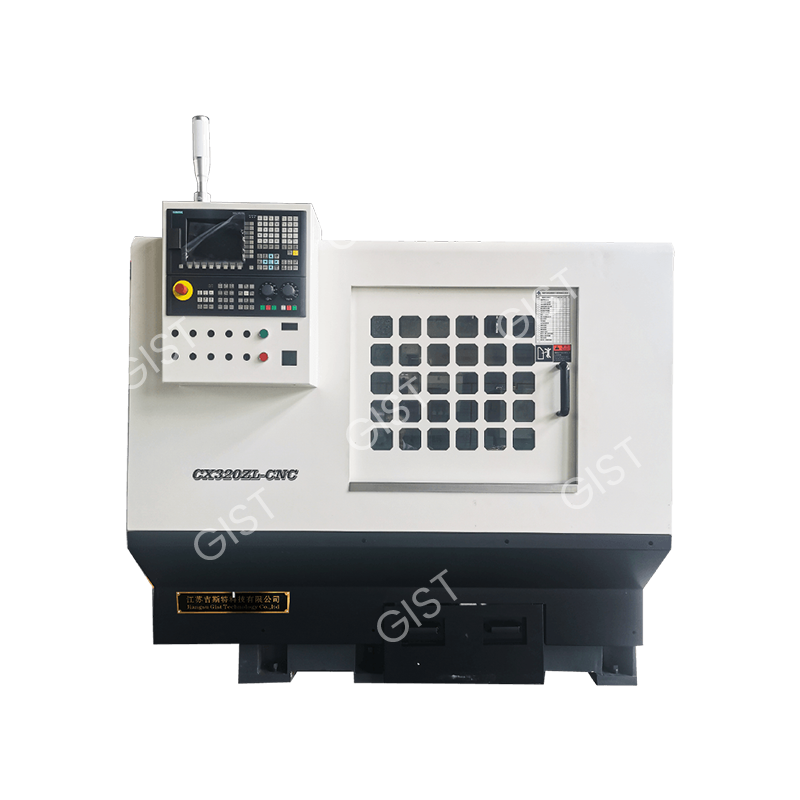
Category: CNC lathe Product Overview: The company has passed the certification of various systems such as ISO9001:2015 quality management system, ...
More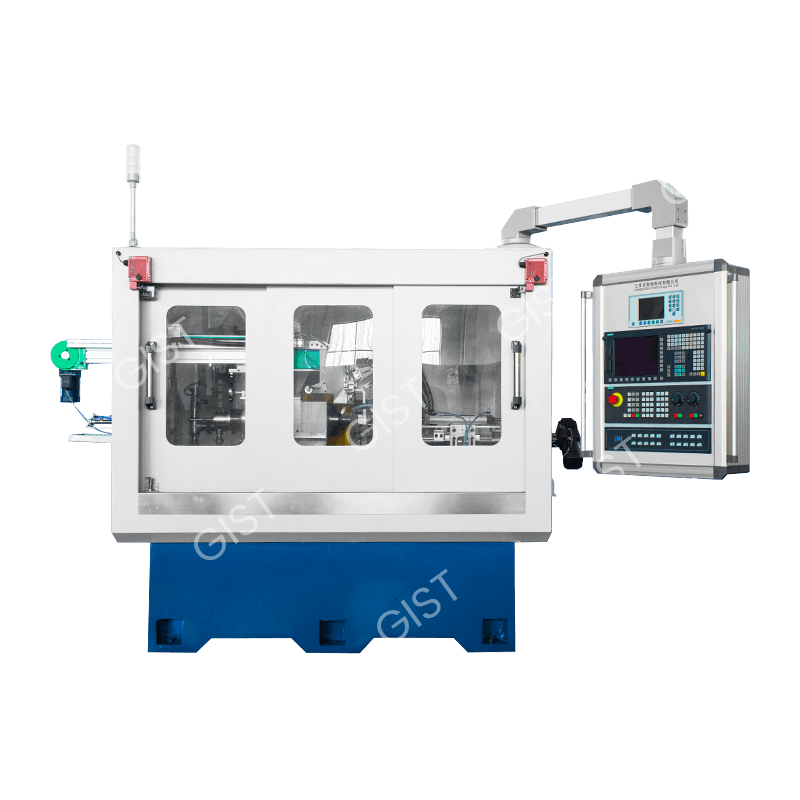
Category: Special valve CNC grinder Product Overview: The company has passed the certification of various systems such as ISO9001:2015 quality man...
More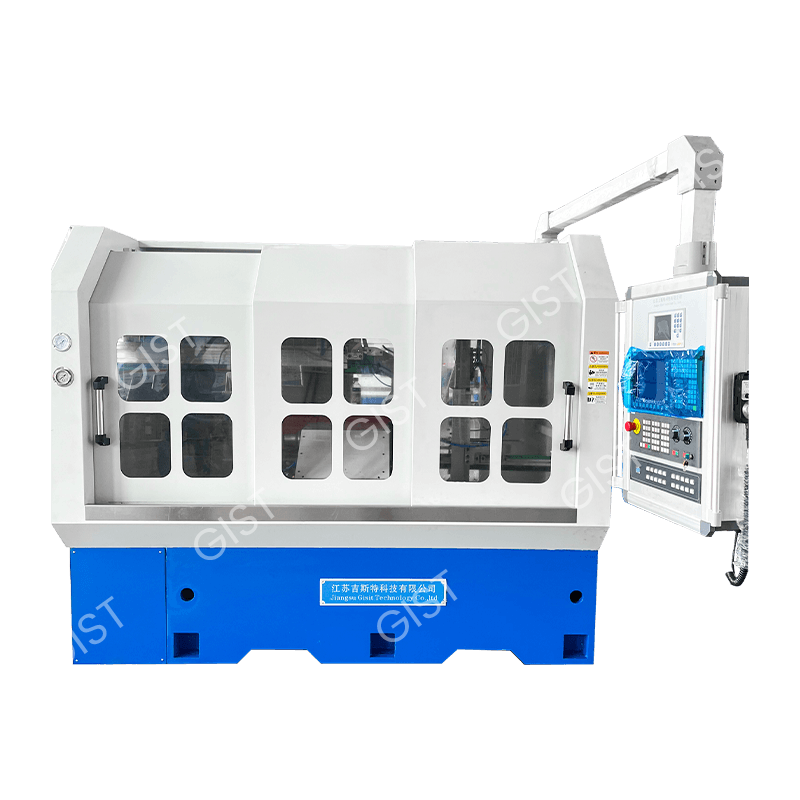
Category: Special valve CNC grinder Product Overview: The company has passed the certification of various systems such as ISO9001:2015 quality man...
More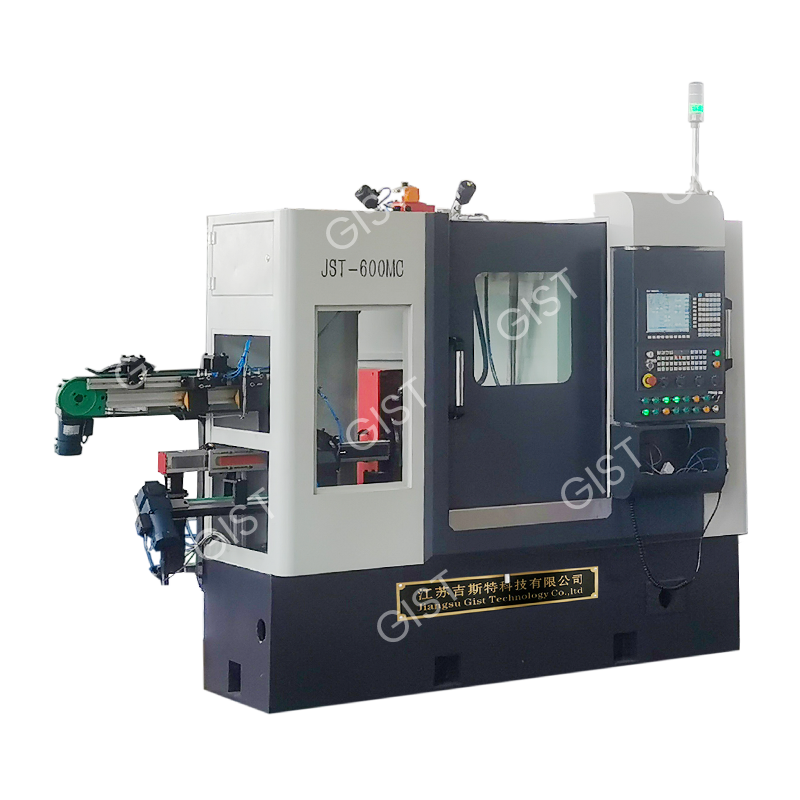
Category: Special valve CNC grinder Product Overview: The company has passed the certification of various systems such as ISO9001:2015 quality man...
More
Category: Heat treatment equipment Product Overview: The company has passed the certification of various systems such as ISO9001:2015 quality mana...
More
Category: Plasma welding equipment Product Overview: The company has passed the certification of various systems such as ISO9001:2015 quality mana...
More
Category: Valve blank molding equipment Product Overview: The company has passed the certification of various systems such as ISO9001:2015 quality...
More
Category: Production auxiliary products Product Overview: The company has passed the certification of various systems such as ISO9001:2015 quality...
More
Category: Production auxiliary products Product Overview: The company has passed the certification of various systems such as ISO9001:2015 quality...
More
Category: Production auxiliary products Product Overview: The company has passed the certification of various systems such as ISO9001:2015 quality...
More
 86-13584767515
86-0515-89500828
 No. 1, Industrial Concentration Area, Wulie Town, Dongtai City, Jiangsu Province
Product