English
 中文简体
中文简体 русский
 Español
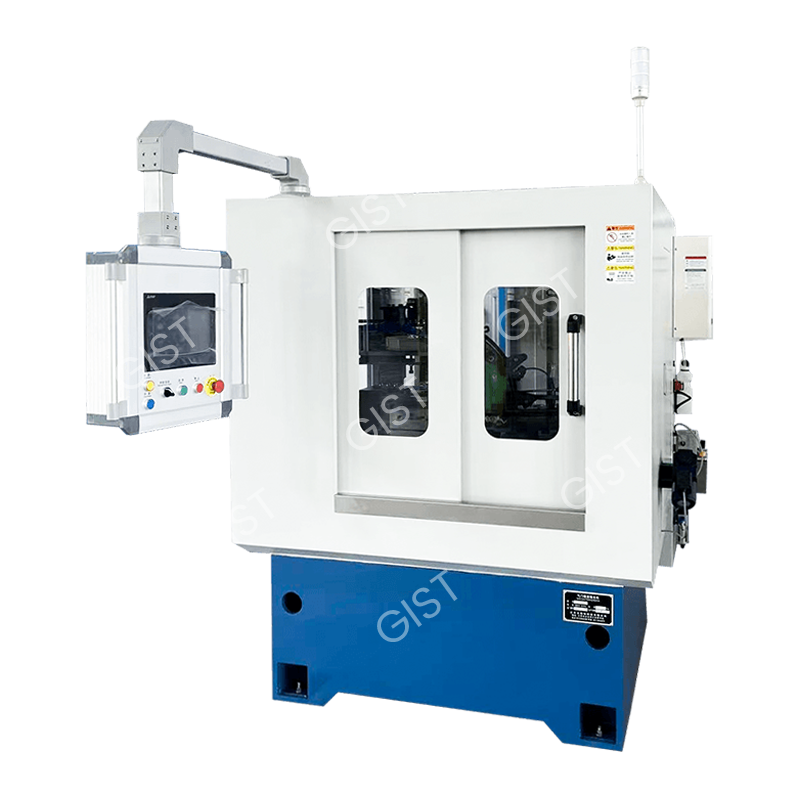
Ordinary Grinding Wheel Centerless Grinding Machine
Cat:Centerless Grinding Machine
Category: Heartless grinder Product Overview: The company has passed the certification of various systems such as ISO9001:2015 quality management ...
More
The primary purpose of cleaning is not to remove dust, but to remove specific residues generated during machining, which can significantly affect blade performance:
Preventing a decrease in cutting performance (Core Cause):
Chip adhesion: When cutting metals (especially non-ferrous metals like aluminum and copper, or tough steels), high temperatures can cause tiny chips to weld or adhere to the chip flutes or cutting edges of the blade tip. This adhesion alters the blade geometry, increasing cutting forces, degrading surface finish, and causing vibration.
Maintaining blade accuracy and balance:
CBN blades are often used for high-precision machining. Uneven dirt or chip residue can disrupt their dynamic balance, causing vibration at high speeds, affecting machining accuracy, and even damaging the spindle.
Avoiding cross-contamination:
When changing workpieces, metal chips from the previous machining operation, if not removed, can contaminate the new workpiece. For example, iron chips from a blade used in steel machining may press into the surface of an aluminum part when machining aluminum alloy, causing quality defects.
Easy to inspect and assess blade life:
A clean blade allows you to clearly observe wear conditions, such as flank wear and edge wear, allowing you to scientifically determine whether a blade change or indexing is necessary. This prevents continued use due to dirt masking actual wear, which can lead to workpiece failure.
Warning: Although CBN material is extremely hard, it is also brittle. Avoid bumps and strong mechanical shock when cleaning.
Recommended Cleaning Procedure:
Safety First: Ensure the machine is completely stopped when removing the blade from the machine. Wear gloves to prevent scratches from the sharp cutting edge.
Choosing a Cleaning Agent:
Preferred: Dedicated metalworking fluid cleaner or denatured alcohol. These effectively dissolve oil and cutting fluid, evaporate quickly, and leave no residue.
Second: Kerosene or diesel. These are effective degreasing agents, but may leave an odor and residue after cleaning, requiring subsequent disposal.
Do not use: Strong acids, strong bases, or corrosive cleaning agents (such as bleach or toilet cleaners), as these can corrode the blade base and solder.
Cleaning Procedure:
Soak and Soft Brush: Soak the blade in the cleaning agent for several minutes to loosen stubborn dirt. Then, use a soft-bristled brush (such as an old toothbrush) to gently scrub all surfaces of the blade, especially the chip grooves and cutting edge. Avoid scraping with wire brushes or metal tools, as this can damage the cutting edge and coating.
Ultrasonic Cleaning (Best Method): Ultrasonic cleaning is ideal for high-value CBN blades. It uses high-frequency vibrations to thoroughly remove microchips from crevices, providing a thorough cleaning effect without physical damage.
Drying and Rust Prevention:
After cleaning, dry with dry compressed air or wipe dry with a clean, lint-free cloth.
After ensuring the blade is completely dry, spray a thin layer of a dedicated rust-preventive oil, especially if it will not be used immediately. Proper Storage: Place cleaned blades in a dedicated blade box or storage container to avoid collision with other tools.
Thoroughly clean and inspect blades after each tool change or after completing a batch.
When machining materials prone to adhesion, cleaning should be more prompt and thorough after machining aluminum, copper, titanium alloys, etc.
Do not touch clean cutting edges directly with your hands: sweat from your hands can cause rust.
Do not mix blades for cleaning or storage: collision can cause microscopic chipping.
Do not flush with high-pressure coolant directly on the machine: this will not provide a thorough clean and may flush contaminants into the spindle taper.
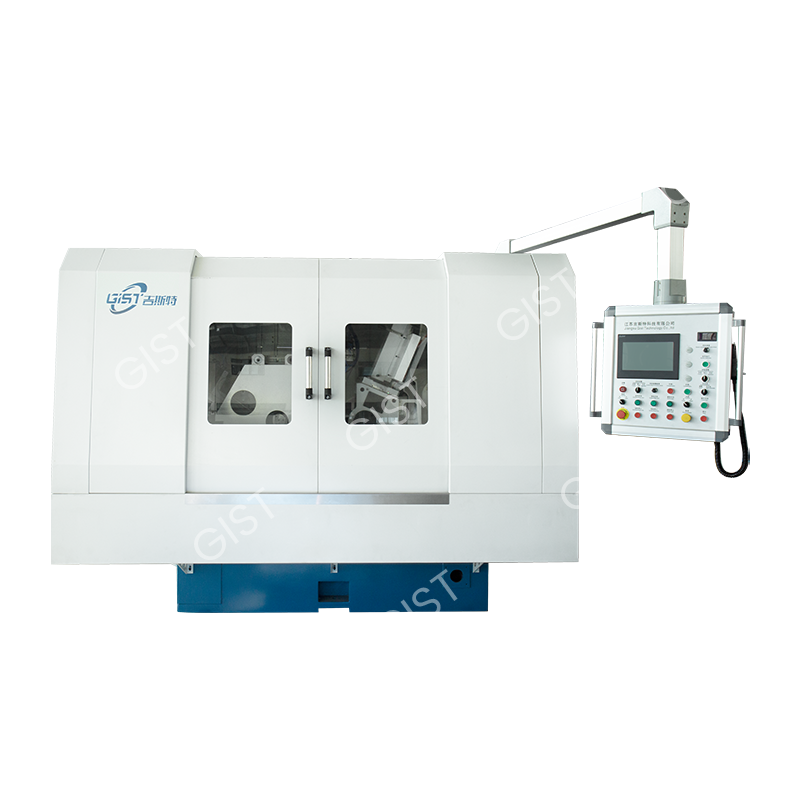
Category: Heartless grinder Product Overview: The company has passed the certification of various systems such as ISO9001:2015 quality management ...
More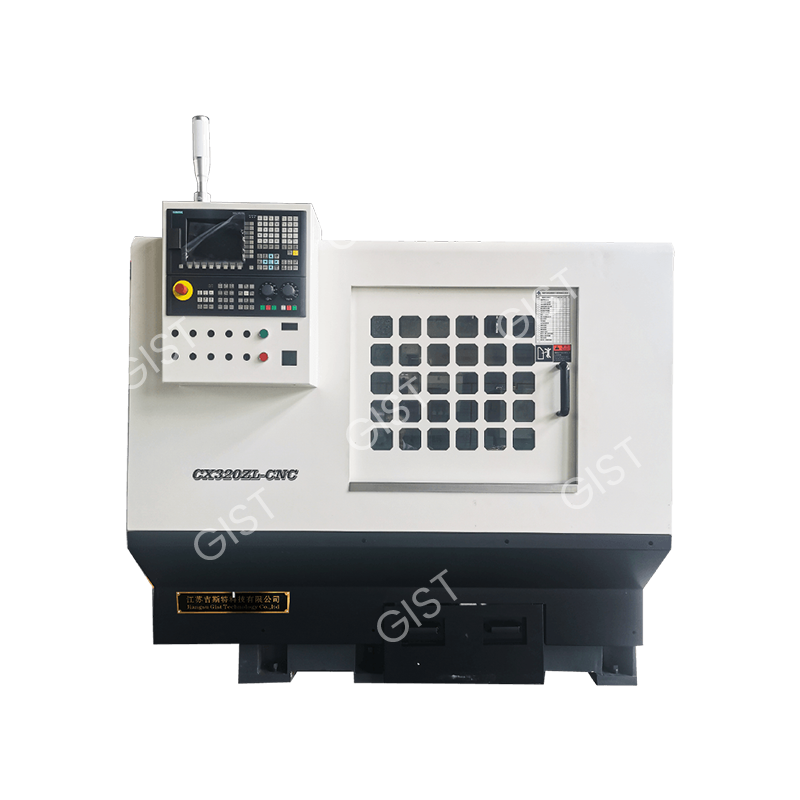
Category: CNC lathe Product Overview: The company has passed the certification of various systems such as ISO9001:2015 quality management system, ...
More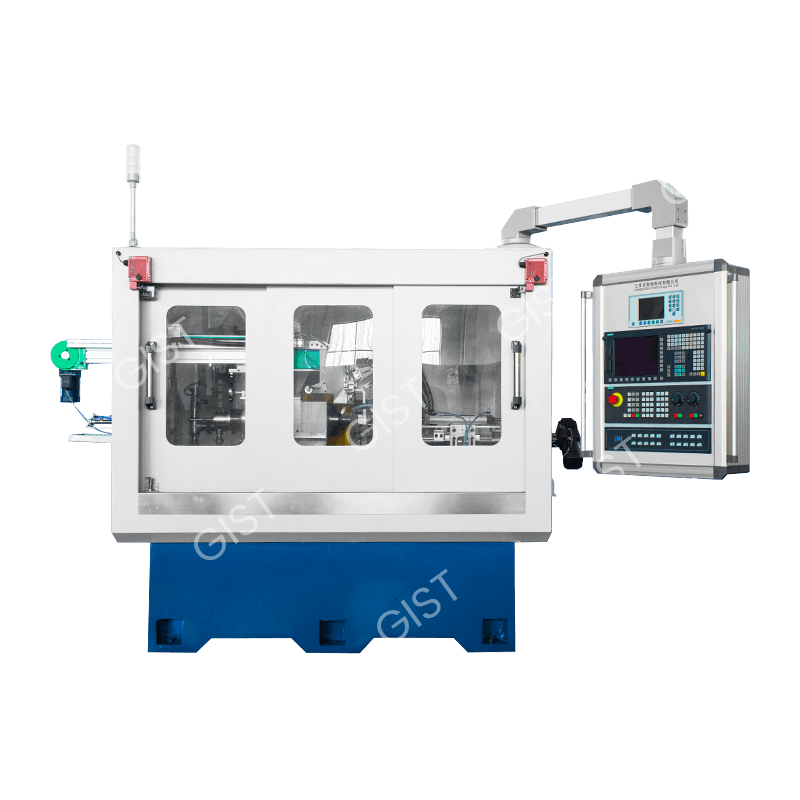
Category: Special valve CNC grinder Product Overview: The company has passed the certification of various systems such as ISO9001:2015 quality man...
More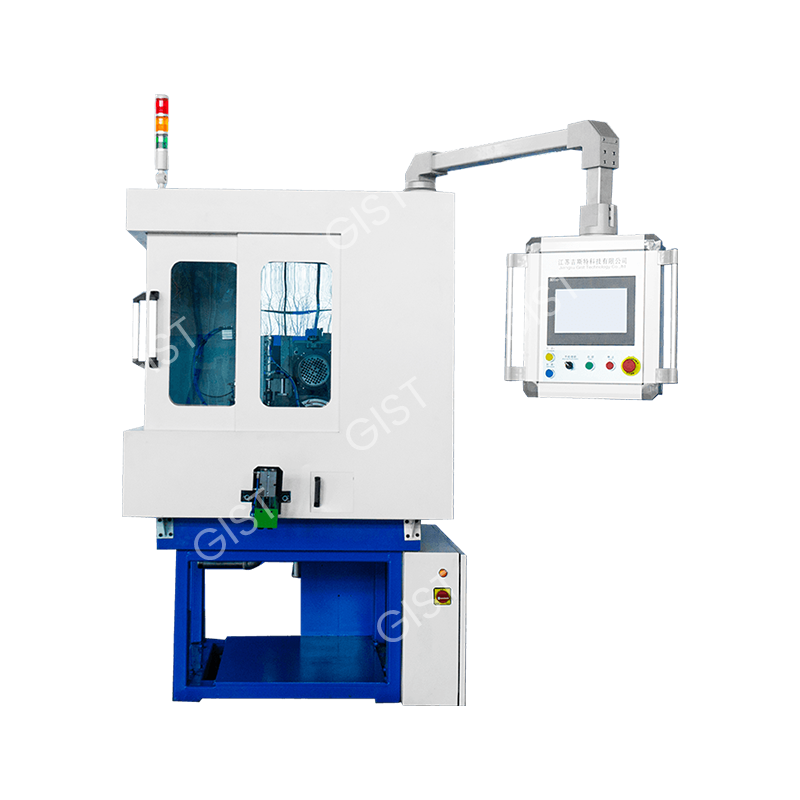
Category: Special valve CNC grinder Product Overview: The company has passed the certification of various systems such as ISO9001:2015 quality man...
More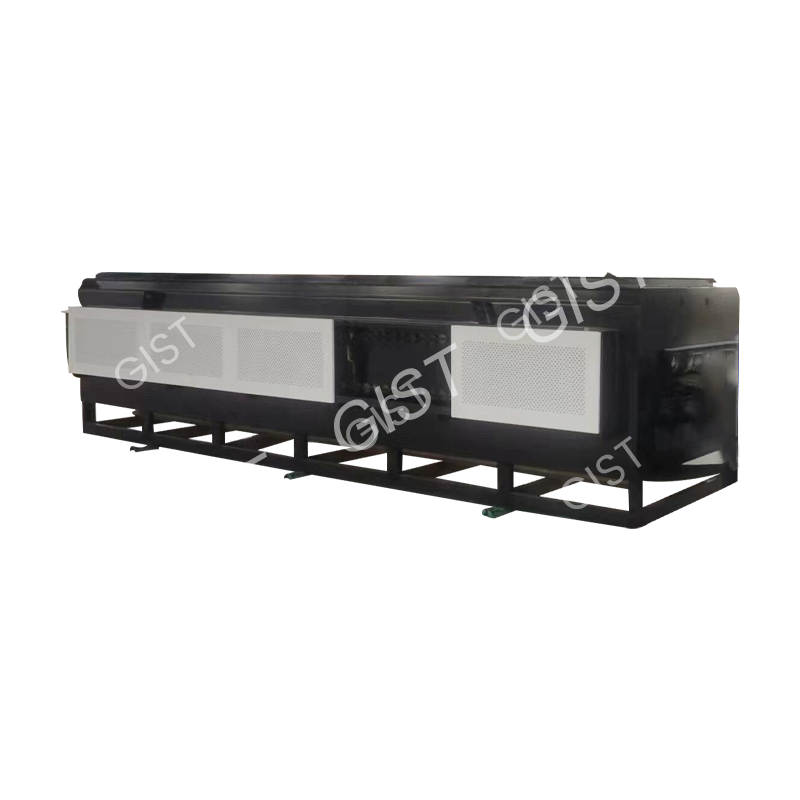
Category: Heat treatment equipment Product Overview: The company has passed the certification of various systems such as ISO9001:2015 quality mana...
More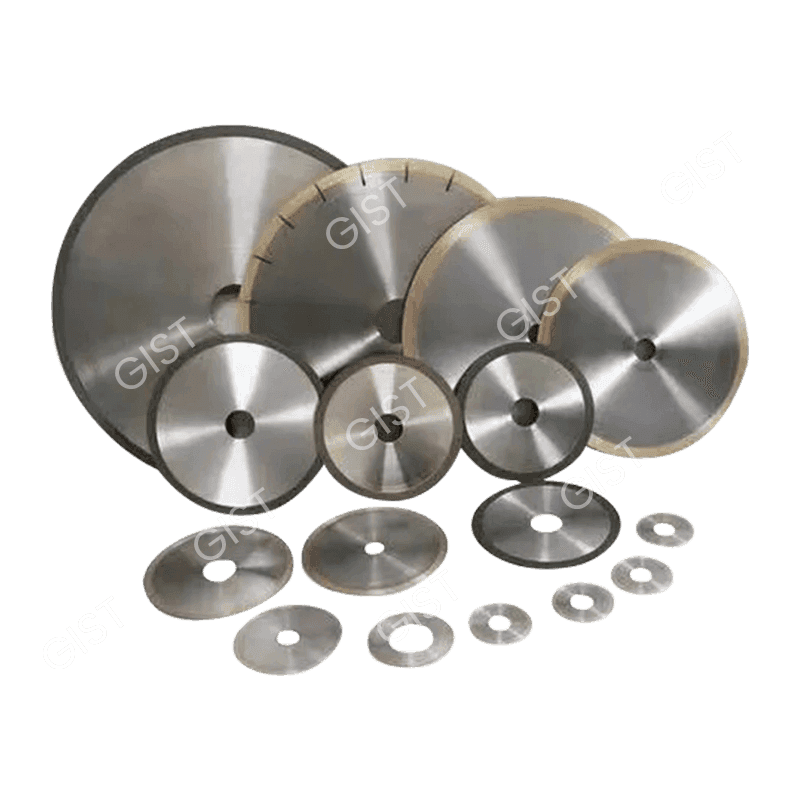
Category: Production auxiliary products Product Overview: The company has passed the certification of various systems such as ISO9001:2015 quality...
More
Category: Production auxiliary products Product Overview: The company has passed the certification of various systems such as ISO9001:2015 quality...
More
Category: Centreless grinder Overview: The company implements and implements various system management requirements, constantly innovates and impro...
More
 86-13584767515
86-0515-89500828
 No. 1, Industrial Concentration Area, Wulie Town, Dongtai City, Jiangsu Province
Product