English
 中文简体
中文简体 русский
 Español
CNC Arc Lathe
Cat:CNC Lathe
Category: CNC lathe Product Overview: The company has passed the certification of various systems such as ISO9001:2015 quality management system, ...
MoreAs a core piece of equipment in modern manufacturing, the value of a CNC lathe machine in its ability to process parts with high precision, stability, and efficiency. However, the mixture of metal chips, dust, and coolant generated during machining is the most dangerous "enemy" of this precision machine. Regular, thorough cleaning is not an optional task, but a mandatory technical procedure embedded in the production process.
Content
Protecting Guideways and Leadscrews—The Skeleton of Precision
Problem: Hard metal chips and abrasive dust, once they enter the seals of the guideways and ball screws, will mix with lubricating oil to form "grind paste."
Consequences: This will rapidly wear down the precision guideway surfaces and lead screw threads, leading to loss of positioning accuracy and increased backlash. Machining parts will exhibit dimensional errors and shape inaccuracies, resulting in batch scrap.
Preventing Workpiece and Tool Post Contamination
Problem: Chips scattered on the spindle chuck, tool post positioning taper hole, or workpiece fixture can cause misalignment or inaccurate positioning.
Consequences:Causes workpiece runout, resulting in out-of-tolerance concentricity of machined parts; may even cause workpieces to loosen and fly out during high-speed rotation, leading to serious accidents.
CNC lathe machines are complex mechatronic systems, and cleanliness is fundamental to ensuring their long-term stable operation.
Protecting Hydraulic and Pneumatic Systems
Problem: If contaminants enter the hydraulic oil or pneumatic lines, they can clog precision filters, wear down hydraulic valve cores, and damage pneumatic seals.
Consequences: Leads to insufficient chuck clamping force, tailstock malfunction, unstable system pressure, and other failures, severely impacting automated production processes.
Protecting Electrical and Control Systems
Problem: Conductive metal dust is the "number one killer" of electrical systems. It accumulates in electrical cabinets, servo drives, I/O modules, and limit switches.
Consequences: Easily causes electrical short circuits, signal transmission errors, and component burnout. May lead to unexplained machine tool alarms, program interruptions, data loss, and even control system paralysis, resulting in extremely high repair costs.
Safety is the bottom line of production; a dirty and disorganized machine tool is itself a major safety hazard.
Prevent Fire Risks
Problem: When processing non-ferrous metals (such as magnesium and aluminum), dry chips and dust can easily ignite or even explode under certain conditions. Accumulated oily chips also increase the risk of fire.
Consequence: Regular cleaning, especially the removal of these flammable materials, is a crucial fire prevention measure.
Avoid Mechanical Injuries
Problem: Scattered, long, thin chips have sharp edges, easily causing cuts to operators. Oil stains on the floor and in the work area can lead to slips and falls.
Consequence: Keeping equipment and its surrounding environment clean is a basic requirement for protecting the personal safety of operators.
Reduce Unplanned Downtime
Planned cleaning and maintenance are short and controllable. Downtime due to guide rail wear or electrical short circuits is sudden and prolonged.
Consequence: Regular cleaning ensures the smooth execution of production plans and guarantees on-time order delivery.
Extending Equipment Lifespan
A CNC lathe that is kept clean year-round experiences a significantly lower wear rate on its core components compared to a poorly maintained machine.
Value: This greatly extends the return on investment of this expensive asset, protecting the company's core productivity.
Proper cleaning requires scientific methods and appropriate tools:
Use professional tools: Use an air gun (pressure should be low, and safety goggles should be worn), an industrial vacuum cleaner, a dedicated scraper, cotton cloths, and a specialized cleaning agent.
Strictly adhere to safety procedures: Power off at all times! Follow the "tag and lock" procedure to prevent accidental start-up.
Key Cleaning Areas:
Chip Area: Clean chips from the turret, guideways, lead screw, tailstock, spindle box, and inside the protective cover.
Chuck and Workpiece Fixture: Thoroughly clean the jaws and locating surfaces.
Cooling System: Clean chips from the coolant tank and replace or filter the coolant.
Electrical System: With the power off, have a professional clean the electrical cabinet using a vacuum cleaner.
Establish a cleaning system: It is recommended to perform simple wiping and sweeping after each shift, and to conduct a thorough cleaning and inspection once a week or once every ten days.
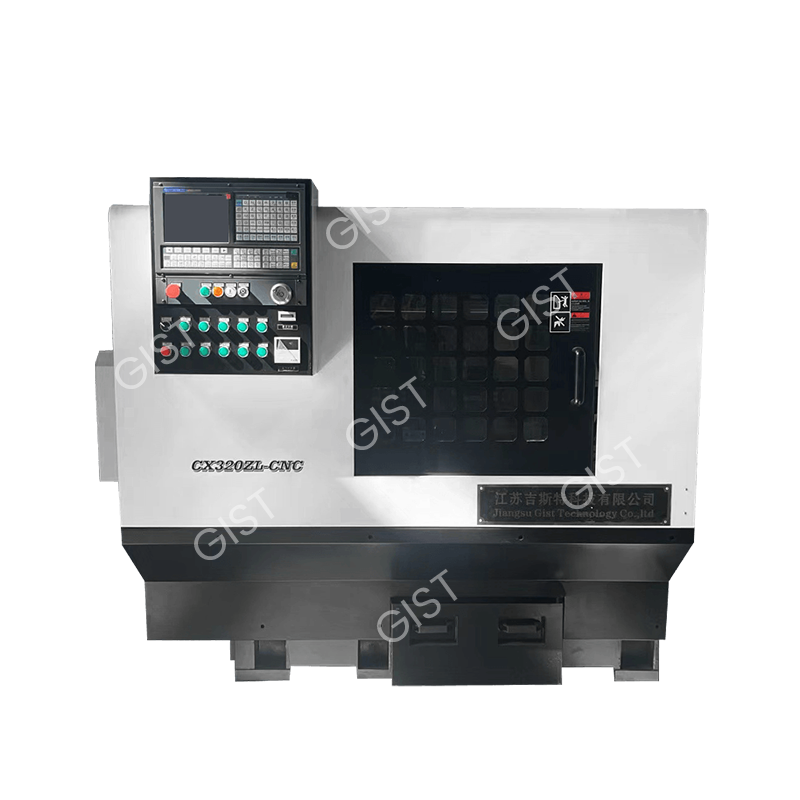
Category: CNC lathe Product Overview: The company has passed the certification of various systems such as ISO9001:2015 quality management system, ...
More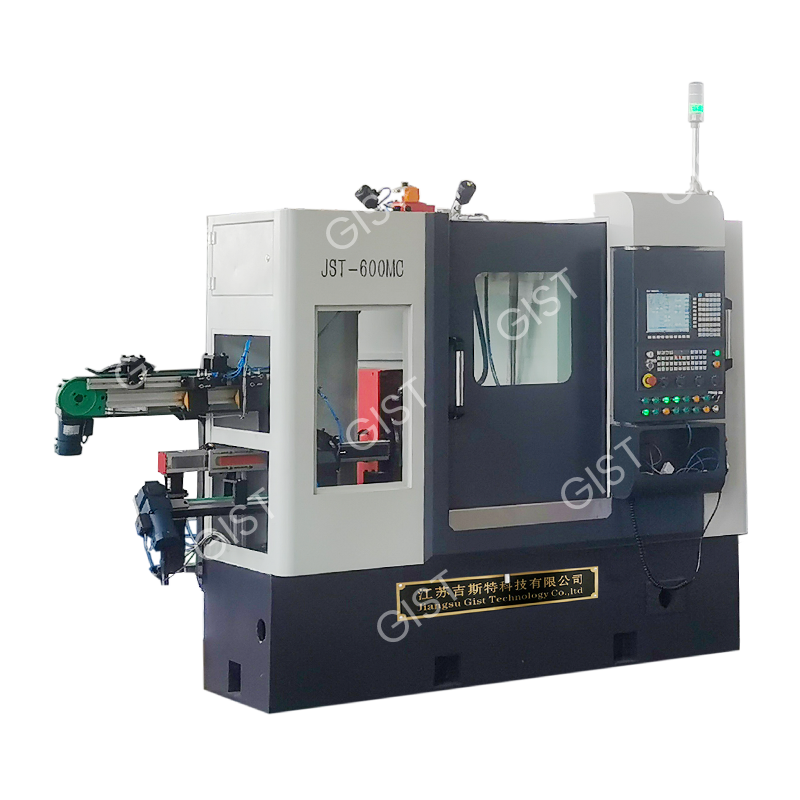
Category: Special valve CNC grinder Product Overview: The company has passed the certification of various systems such as ISO9001:2015 quality man...
More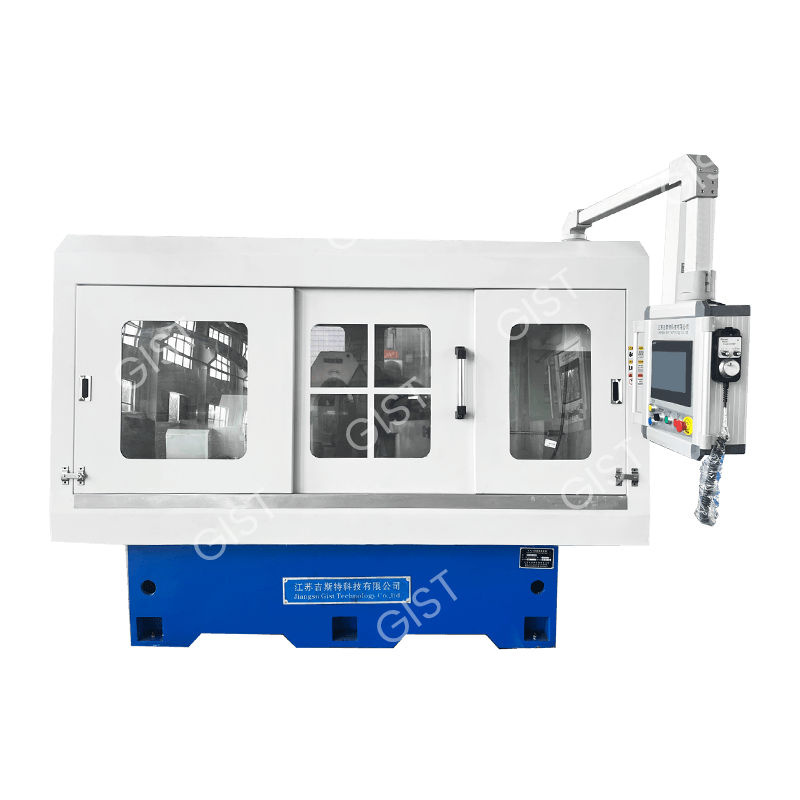
Category: Special valve CNC grinder Product Overview: The company has passed the certification of various systems such as ISO9001:2015 quality man...
More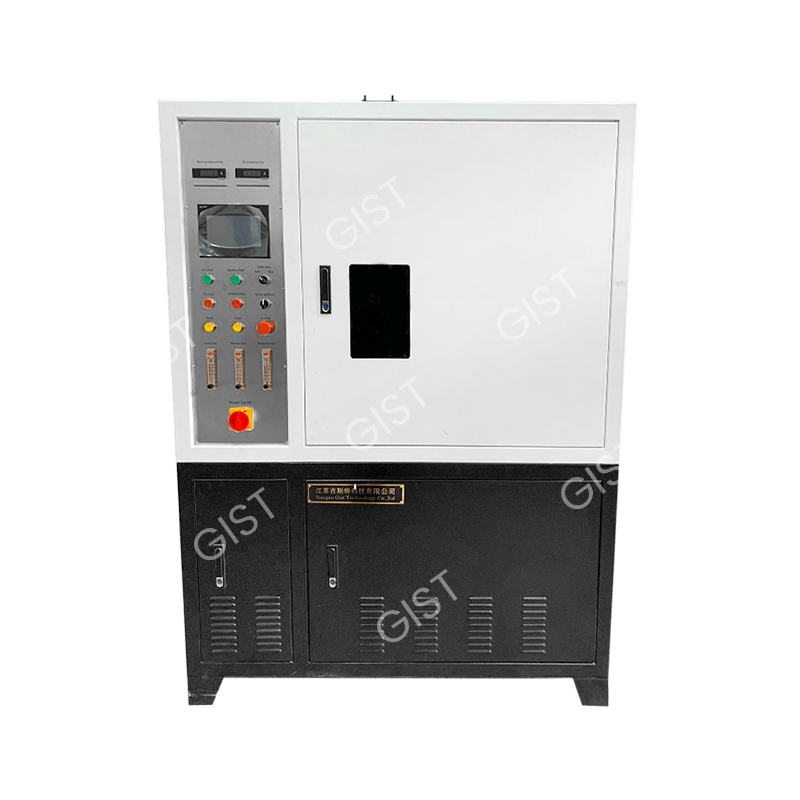
Category: Plasma welding equipment Product Overview: The company has passed the certification of various systems such as ISO9001:2015 quality mana...
More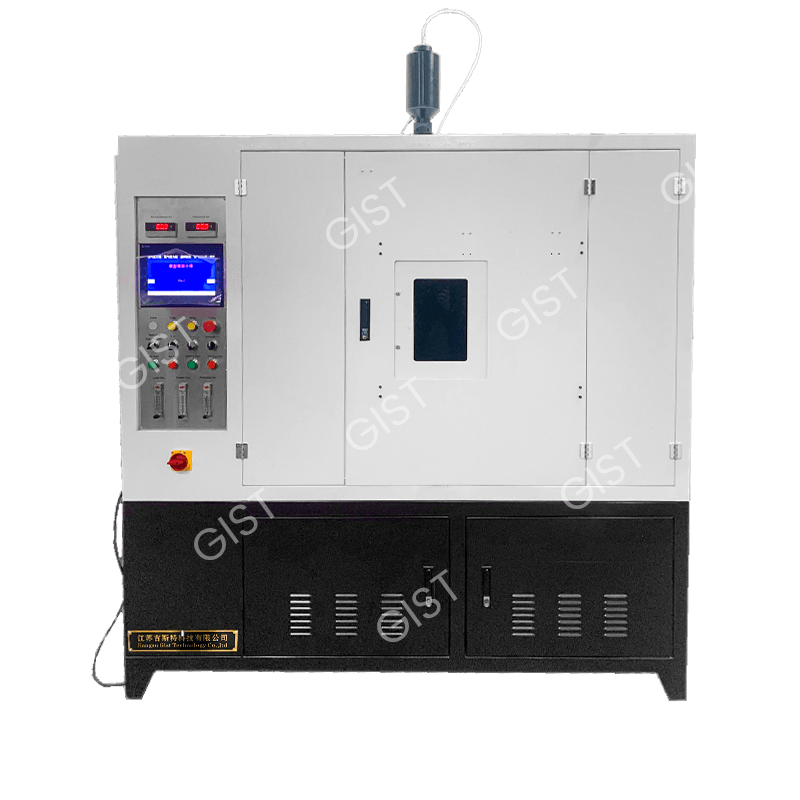
Category: Plasma welding equipment Product Overview: The company has passed the certification of various systems such as ISO9001:2015 quality mana...
More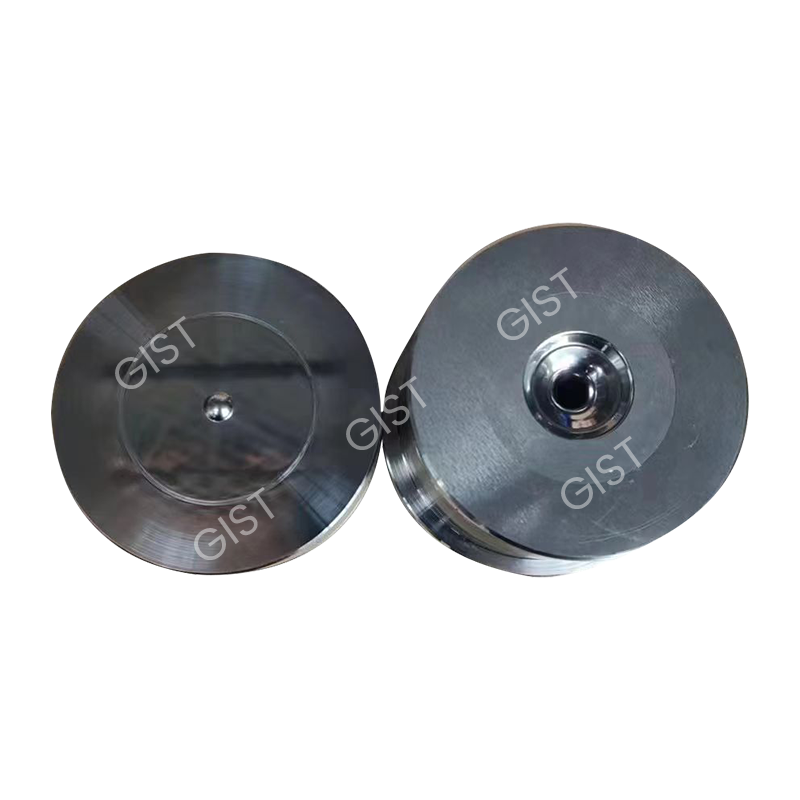
Category: Production auxiliary products Product Overview: The company has passed the certification of various systems such as ISO9001:2015 quality...
More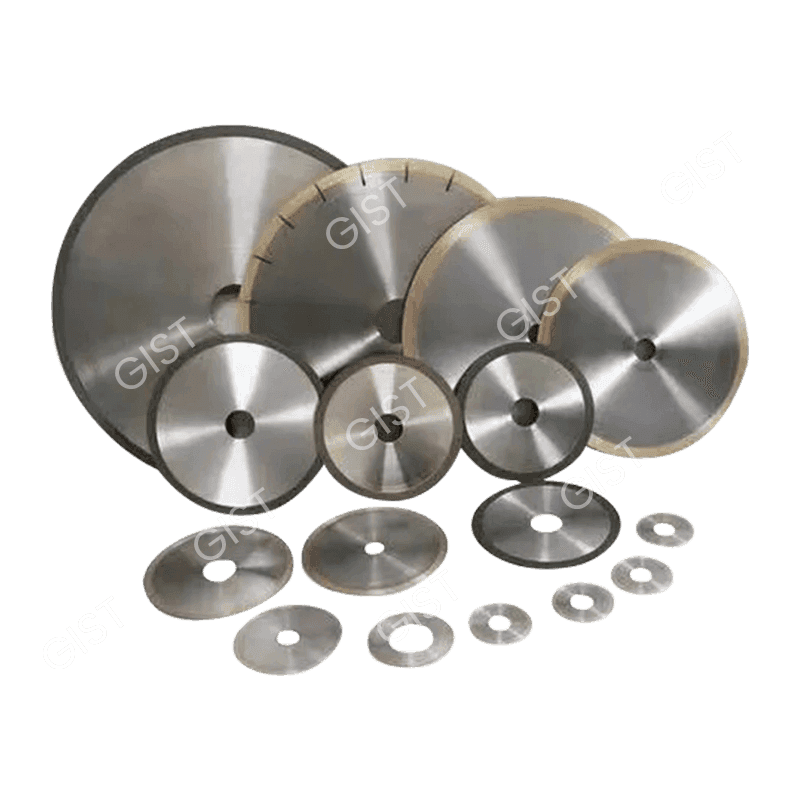
Category: Production auxiliary products Product Overview: The company has passed the certification of various systems such as ISO9001:2015 quality...
More
Category: Production auxiliary products Product Overview: The company has passed the certification of various systems such as ISO9001:2015 quality...
More
Category: Production auxiliary products Product Overview: The company has passed the certification of various systems such as ISO9001:2015 quality...
More
 86-13584767515
86-0515-89500828
 No. 1, Industrial Concentration Area, Wulie Town, Dongtai City, Jiangsu Province
Product