English
 中文简体
中文简体 русский
 Español
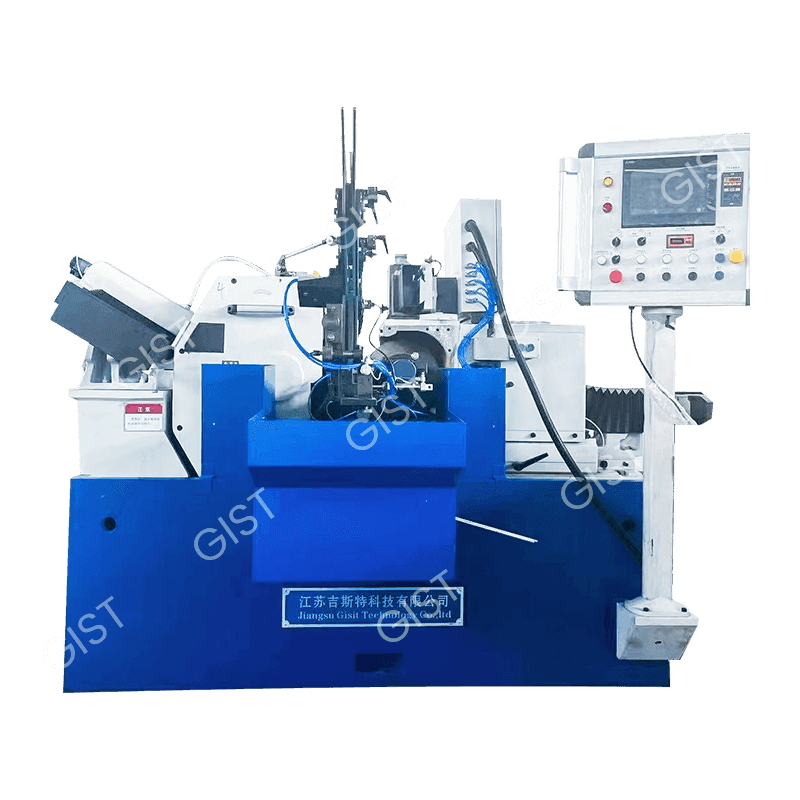
Ceramic CBN Grinding Wheel Centerless Grinding Machine
Cat:Centerless Grinding Machine
It is mainly used for precision grinding of outer circles of engine inlet and exhaust valve stems, bearings, and various shaft products.
MoreProper maintenance of a centerless grinding machine is crucial for ensuring its machining accuracy, stability, and extending its service life. Maintenance of a centerless grinding machine follows the principle of "prevention first, maintenance combined with repair," but its unique "centerless" working principle (i.e., the workpiece is not positioned by a center or chuck, but supported by a support plate, guide rollers, and grinding wheel) requires a special focus in maintenance.
Content
This is the fundamental work performed by the operator and is of paramount importance.
Cleaning and Inspection: Clean all parts of the machine tool, especially the grinding area, support plate, and guide rollers, removing grinding debris, oil stains, and coolant. Check that the hydraulic oil and lubricating oil levels are within the standard range. Check the concentration and level of the coolant; add coolant promptly if necessary. Check that the coolant is not deteriorated or has an unpleasant odor.
Lubrication: Manually add lubricating oil to the designated lubrication points (such as guide rails, lead screws, etc.) according to the equipment manual.
No-load test run: Start the main motor and run the grinding wheel and guide wheel idle for 10-15 minutes to preheat the bearings to operating temperature. Check for any abnormal vibrations or noises. Check if the hydraulic system pressure is normal and if all actions (such as dresser advance/retreat, feed, etc.) are smooth and accurate.
Inspect the grinding wheel: Visually inspect the grinding wheel and guide wheel surfaces for cracks, blockages, or unevenness. Listen for any abnormal sounds when starting the machine.
Maintain cleanliness: Clean grinding debris regularly to prevent accumulation that affects accuracy or from entering the guide rails.
Observe closely: Closely monitor the operating status of the centerless grinder. Observe the surface quality and dimensional changes of the workpiece after machining, as well as any abnormal noises, vibrations, or temperature rises.
Use coolant correctly: Ensure the coolant nozzle is aimed at the grinding area and that the flow rate is sufficient for effective cooling and flushing.
Thorough cleaning: Thoroughly clean the grinding debris, coolant, and oil stains inside and outside the centerless grinder. Clean the pallet, guide rollers, and bed guideways, and apply rust-preventive oil.
Dry the dust inside the electrical cabinet with an air gun (perform this after power is off).
Reset and Maintenance: Move all moving parts to a safe position. Apply rust-preventive treatment to exposed metal surfaces.
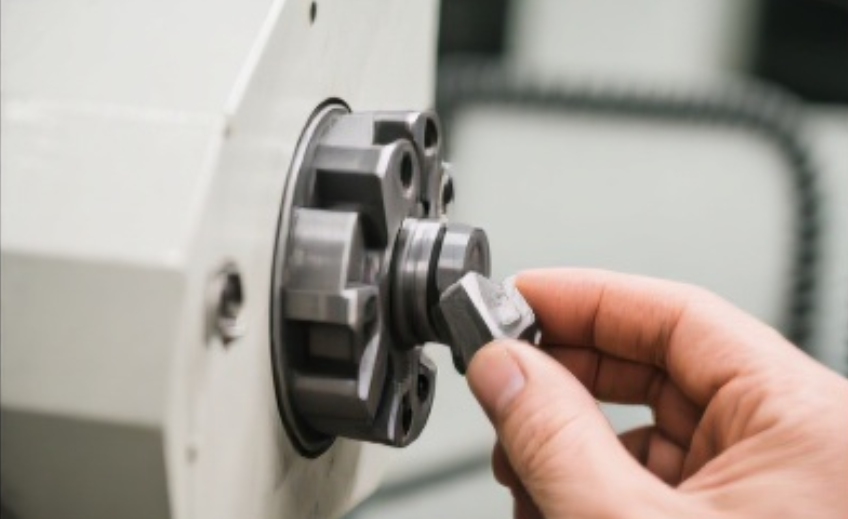
This work should be performed by a professional maintenance personnel or under their guidance.
Weekly/Monthly Maintenance
Hydraulic and Lubrication System:
Check for Leaks: Check all hydraulic pipe joints and cylinder seals for oil leaks.
Change Lubricating Oil: Change the lubricating oil in the specified locations periodically as required by the instruction manual.
Clean Oil Filters: Clean or replace the hydraulic oil and lubricating oil filters and filter elements.
Cooling System:
Clean Water Tank: Remove metal debris and floating oil from the coolant tank.
Change Coolant: Replace all coolant periodically according to usage, and thoroughly clean the water tank and piping.
Accuracy Check: Check the roundness, cylindricity, and dimensional dispersion of the workpiece. If the accuracy is out of tolerance, check the machine tool condition.
Check the straightness and levelness of the pallet.
Maintenance every six months/year:
Hydraulic System:
Change hydraulic oil: This is a mandatory maintenance item. When changing the oil, be sure to clean the oil tank and replace the filter element at the same time.
Check the hydraulic pump and motor: Check their operating status and performance.
Spindle System (Core!):
Check the grinding wheel and guide wheel spindle bearings: This is the heart of the centerless grinder. Check the bearing clearance and listen for operating noise. If any abnormalities are found, adjustment or replacement by a professional is required. This work is highly specialized and should not be performed by yourself.
Dynamic Balancing: Dynamic balancing must be performed after dressing the grinding wheel or replacing it with a new one. This is crucial for ensuring machining accuracy and avoiding vibration.
Electrical System: After power is off, have a professional electrician tighten all electrical terminals.
Check that relays, contactors, and other components are working properly.
Comprehensive Accuracy Calibration: Check and adjust the geometric accuracy of moving parts such as the grinding wheel head, guide wheel head, and dresser frame.
Calibrate the machine tool's feed system to ensure feed accuracy.
Grinding Wheel Installation and Balancing:
Static and Dynamic Balancing: New grinding wheels must be statically balanced. After installation, dynamic balancing is essential. Unbalanced grinding wheels are the source of vibration and chatter marks, severely damaging spindle bearings and affecting workpiece quality.
Flange Tightening: Tighten flanges evenly and symmetrically to avoid crushing the grinding wheel.
Dresser Maintenance:
Diamond Tip: Ensure the diamond tip is sharp and securely installed. A dull diamond tip will grind the grinding wheel surface, causing blockage and workpiece burns.
Dresser Guide Rail: Keep the dresser's moving guide rails clean and lubricated to ensure smooth dressing movement, allowing for precise grinding wheel profile dressing.
Plate and Guide Plate Adjustment and Maintenance:
Cleaning and Rust Prevention: The plate directly supports the workpiece and must be kept clean, smooth, and free from damage. After use, always apply oil to prevent rust.
Adjustment: The installation angle and height of the support plate are crucial for ensuring the roundness of the workpiece. Precise adjustment is required according to process requirements.
Guide Plate: Ensure the guide plate is straight, parallel to the grinding wheel axis, and appropriately spaced to guarantee linear workpiece feed.
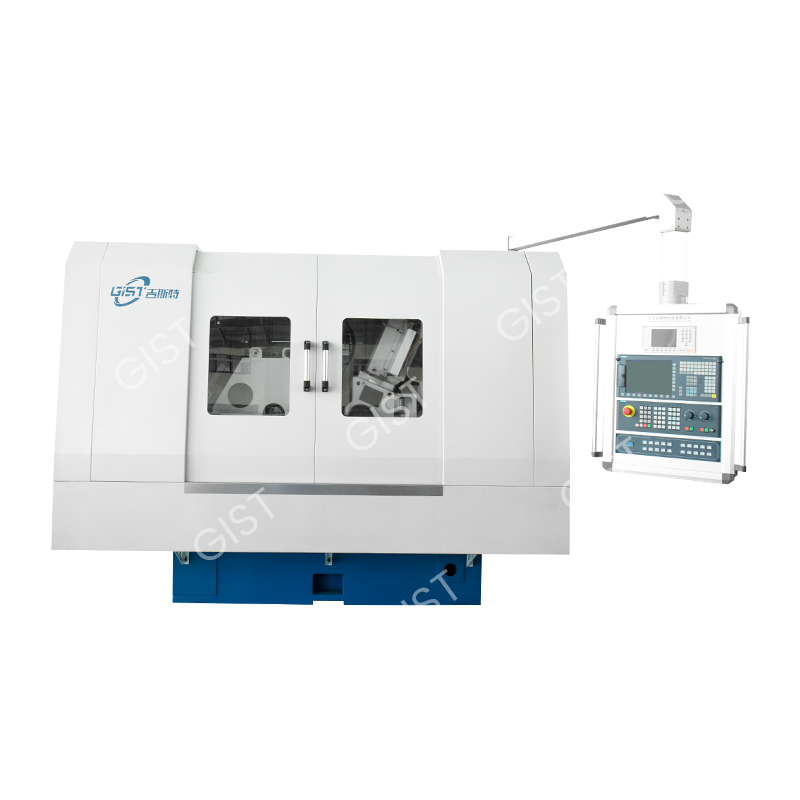
It is mainly used for precision grinding of outer circles of engine inlet and exhaust valve stems, bearings, and various shaft products.
More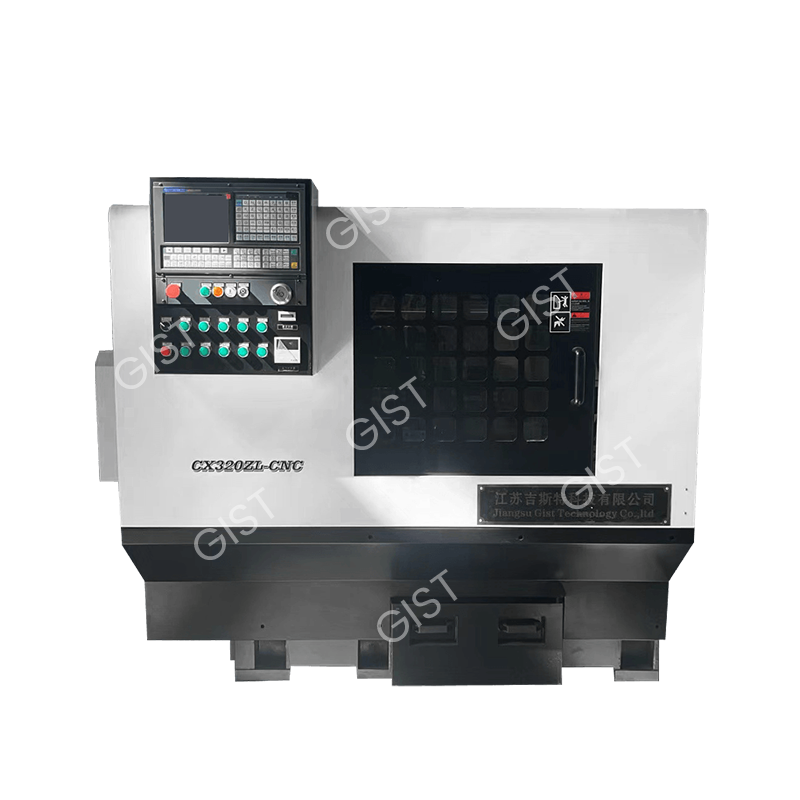
Category: CNC lathe Product Overview: The company has passed the certification of various systems such as ISO9001:2015 quality management system, ...
More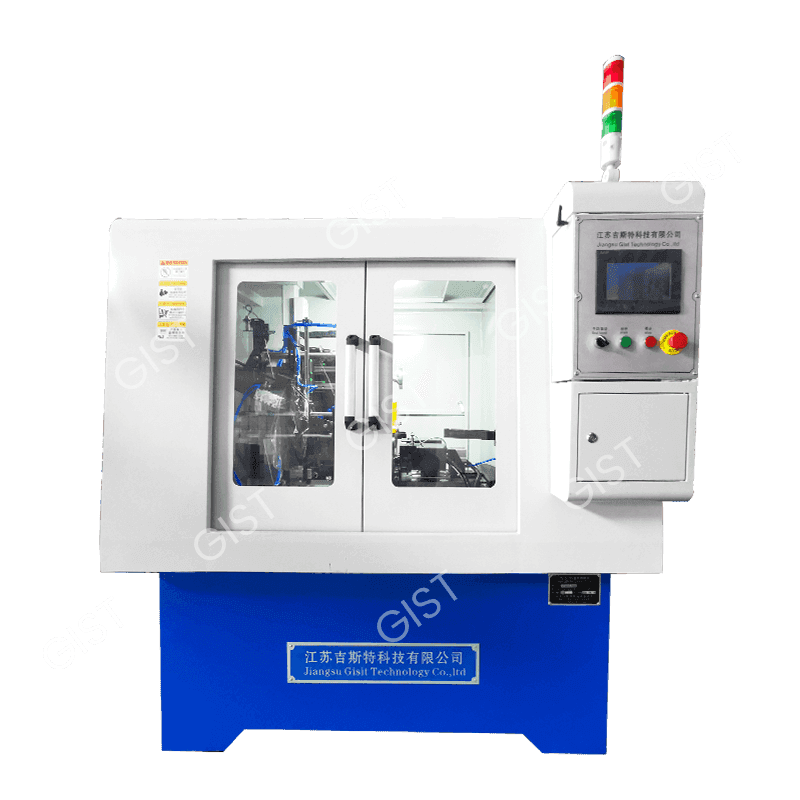
Category: Special valve CNC grinder Product Overview: The company has passed the certification of various systems such as ISO9001:2015 quality man...
More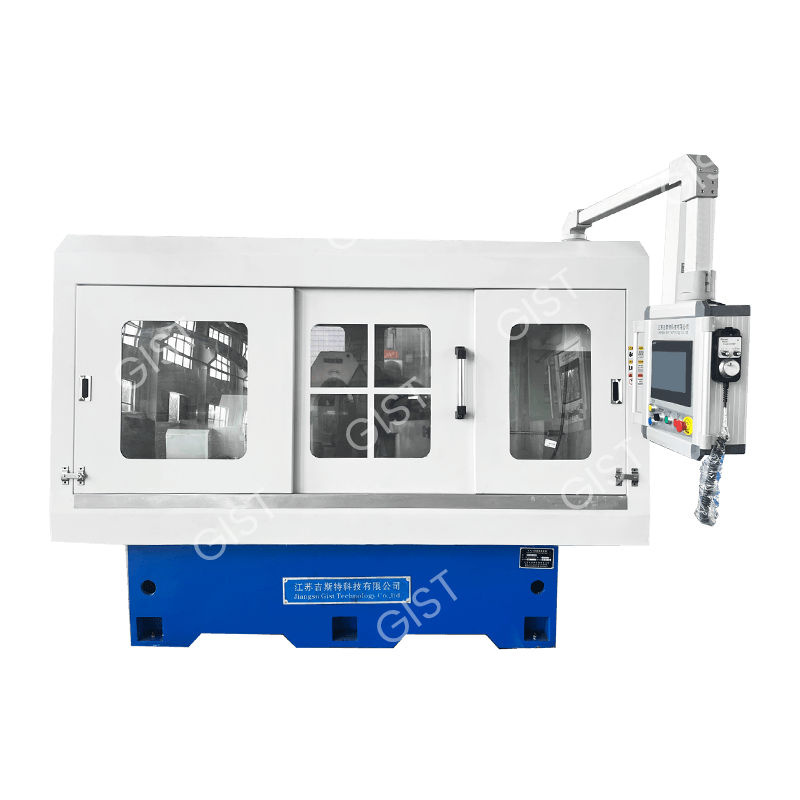
Category: Special valve CNC grinder Product Overview: The company has passed the certification of various systems such as ISO9001:2015 quality man...
More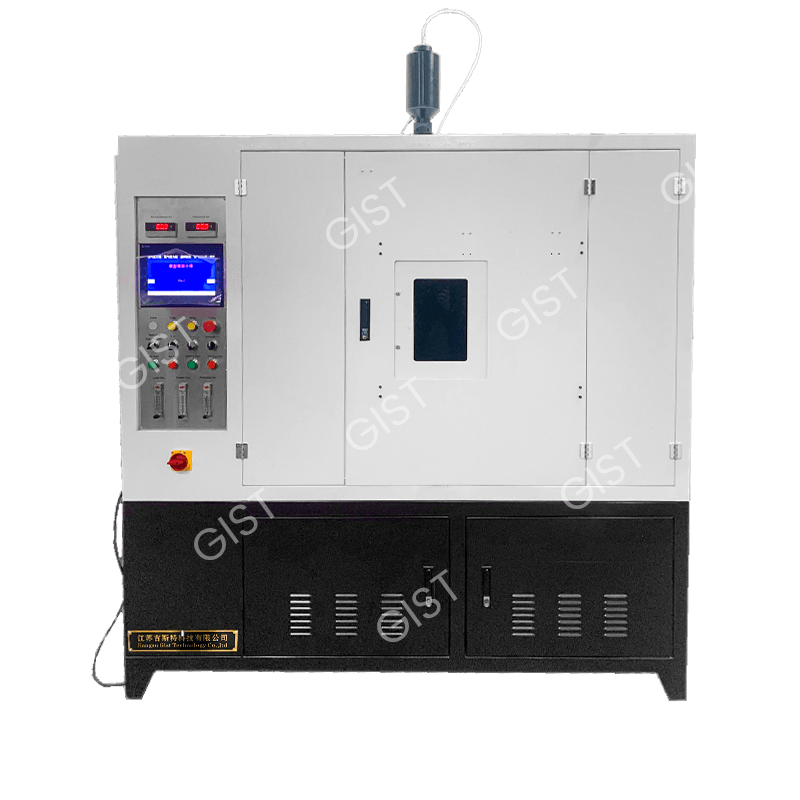
Category: Plasma welding equipment Product Overview: The company has passed the certification of various systems such as ISO9001:2015 quality mana...
More
Category: Valve blank molding equipment Product Overview: The company has passed the certification of various systems such as ISO9001:2015 quality...
More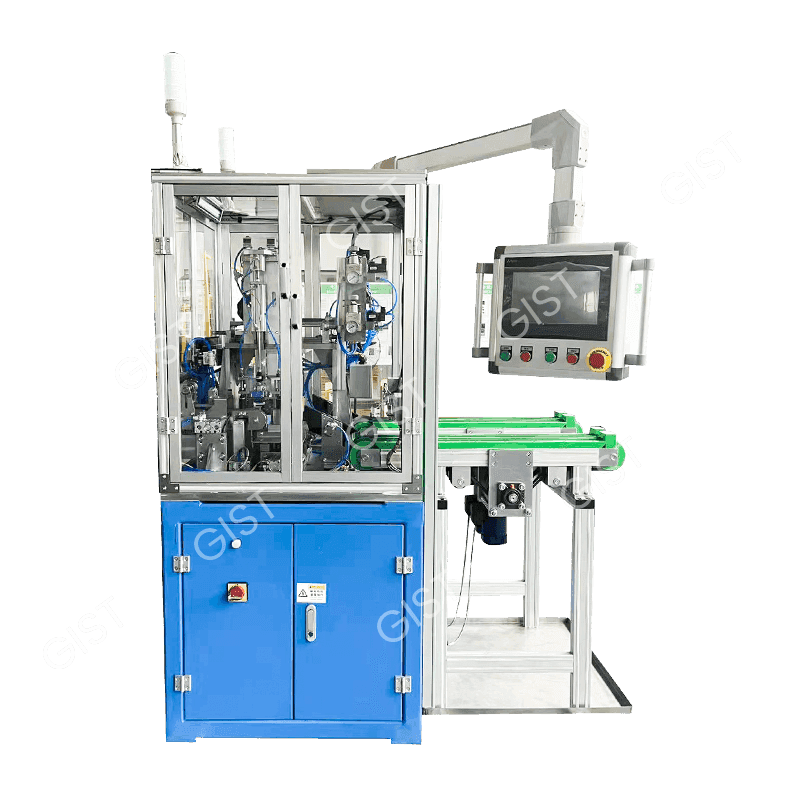
Category: Finished product testing equipment Product Overview: The company has passed the certification of various systems such as ISO9001:2015 qu...
More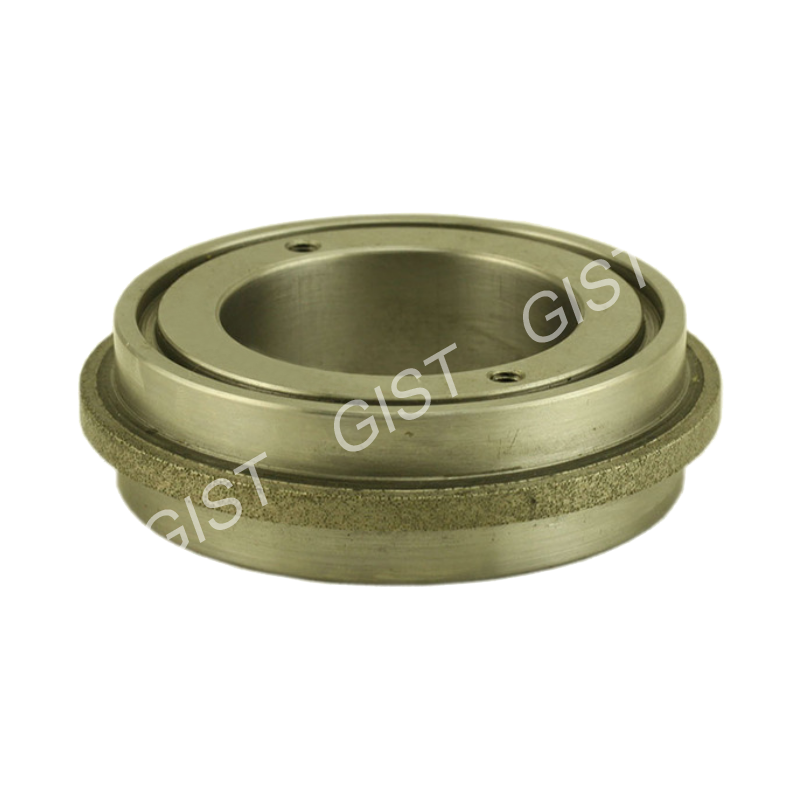
Category: Production auxiliary products Product Overview: The company has passed the certification of various systems such as ISO9001:2015 quality...
More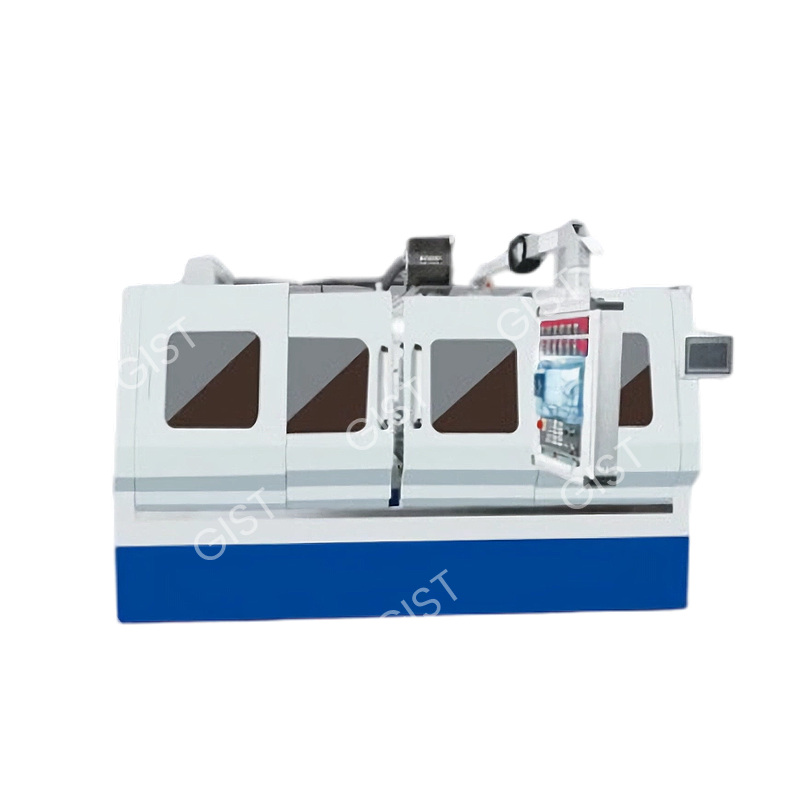
Category: Centreless grinder Overview: The company implements and implements various system management requirements, constantly innovates and impro...
More
 86-13584767515
86-0515-89500828
 No. 1, Industrial Concentration Area, Wulie Town, Dongtai City, Jiangsu Province
Product