English
 中文简体
中文简体 русский
 Español
Ordinary Grinding Wheel Centerless Grinding Machine
Cat:Centerless Grinding Machine
Category: Heartless grinder Product Overview: The company has passed the certification of various systems such as ISO9001:2015 quality management ...
MoreIn today's metal processing, precision parts manufacturing, and hardware industry chain, the choice of polishing equipment determines the surface quality and processing efficiency of products. In recent years, cone polishing machines, with their unique structure and efficient and uniform polishing effect, have gradually become important equipment in many processing plants, hardware factories, jewelry factories, and mold factories. So, what exactly is the use of a cone polishing machine? And what types of workpieces is it suitable for?
1. What is the use of a cone polishing machine?
A cone polishing machine (also known as a cone-type polishing machine or a cone-flow polishing machine) is a device that achieves automated polishing through the interaction of eccentric rotation, centrifugal force, and abrasive media. Its structure is an inclined cone shape, and the workpiece and abrasive are in a flowing state within the cavity, thereby obtaining a uniform, efficient, and dead-angle-free polishing effect.
Its main uses are concentrated in the following aspects:
(1) Surface deburring
One of the biggest advantages of cone polishing machines is their strong and uniform deburring ability for small, irregularly shaped, and precision parts. Whether it's the sharp edges after laser cutting, the small burrs on castings, the edges of stamped parts, or the sharp angles left by CNC machining, all can be gently removed by the abrasive in a short time, improving the feel and safety.
Suitable for industries that require improved tactile feel, safety, and product consistency.
(2) Removal of Oxide Layers, Weld Marks, and Machining Marks
The conical polishing machine, combined with ceramic abrasive, resin abrasive, or diamond abrasive media, can quickly eliminate:
Oxide scale
Black surface
Micro-machining marks
Micro-bumps and surface defects
Especially suitable for pre-treatment of mass-produced parts, making the workpiece more adhesive in subsequent plating, electrophoresis, and spraying.
(3) Surface Polishing and Enhanced Gloss
Combined with corn cob, walnut shell, plastic media, and brightening agents, a bright polishing effect can be achieved, suitable for:
Copper parts, aluminum parts, zinc alloys
Stainless steel small parts
Jewelry and watch parts
Small decorative parts
The polished effect can range from matte to glossy, and even reach near-mirror level (depending on the workpiece material and media combination).
(4) Enhanced Chamfering and Improved Edge Transition
The flow characteristics of the conical structure allow the workpiece to continuously roll and flip within the equipment, resulting in a more natural and uniform chamfer transition, preventing excessive or insufficient localized wear.
(5) Batch Automated Processing, Improved Efficiency
Compared to traditional manual polishing, the conical polishing machine offers:
Batch processing
Controllable time
High quality consistency
Significantly reduced labor
Suitable for continuous production
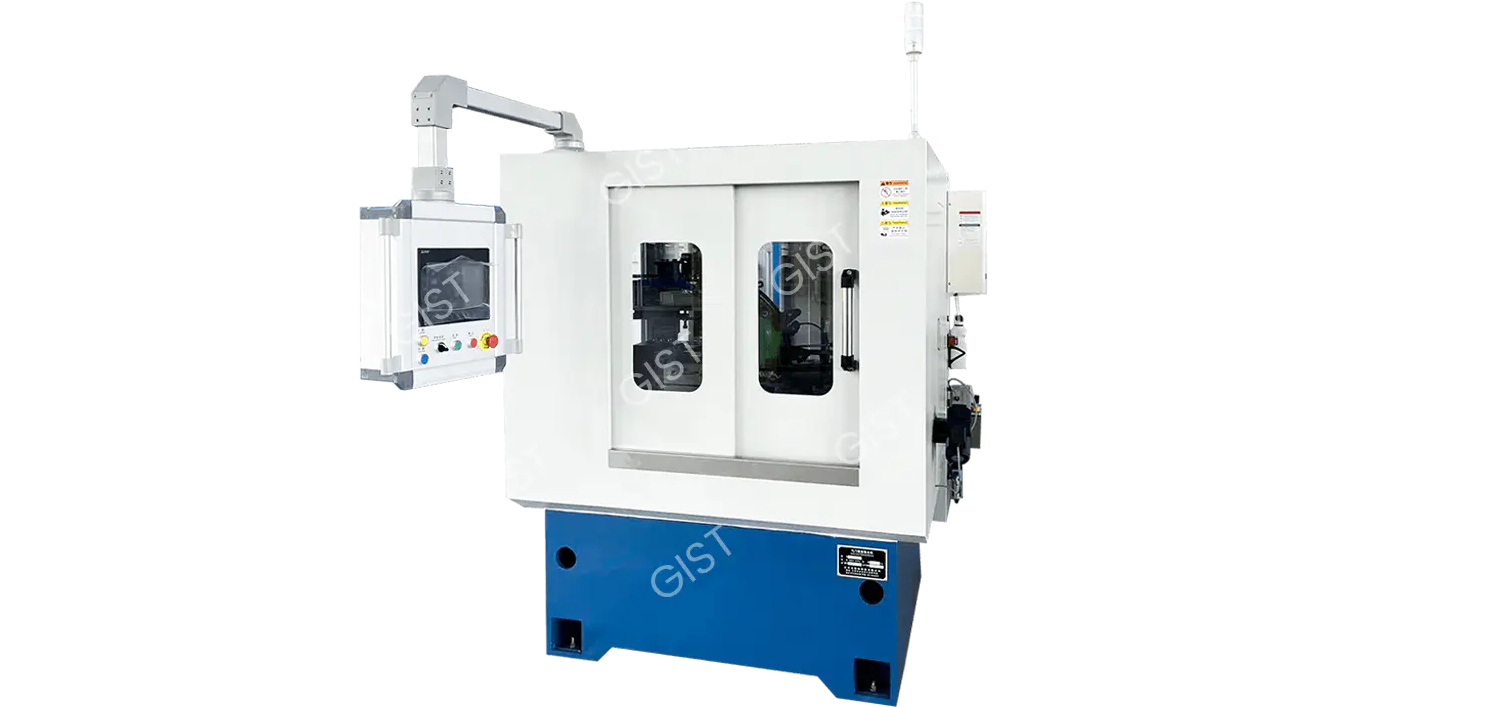
2. What types of workpieces are suitable for a conical polishing machine?
The biggest advantage of the conical polishing machine is its wide applicability, especially for small and medium-sized workpieces, complex structures, and batch production. The following are common workpiece types:
(1) Precision Hardware Parts
Gears, bushings
Rivets, screws, nuts
Springs, springs
Connecting pieces, brackets
These parts are small in size and numerous, heavily reliant on automated deburring and pre-treatment.
(2) Stainless Steel Parts
Handles, fasteners
Small hardware accessories
Small tableware parts
Small medical device parts
Stainless steel has high hardness, making manual processing troublesome, while the conical machine can quickly polish and improve gloss.
(3) Aluminum, copper, and zinc alloy parts
Especially suitable for:
Aluminum profile small accessories
Copper decorative parts
Key blanks, badges
Toy metal parts
The materials are relatively soft, and a smooth and shiny effect can be achieved in a short time using a conical polishing machine.
3. What are the obvious advantages of a conical polishing machine?
Its core advantages include:
Uniform polishing, no dead angles
High efficiency, suitable for mass production of parts
Wide range of applicable materials (metal, plastic, resin, etc.)
Simple operation, no complicated debugging required
Small footprint, relatively low noise, simple maintenance
Natural chamfering and burr removal effect
Compared to drum polishing machines, it is more efficient and has more thorough turning;
Compared to vibratory polishing machines, it has a gentler impact on the workpiece, reducing collision damage.
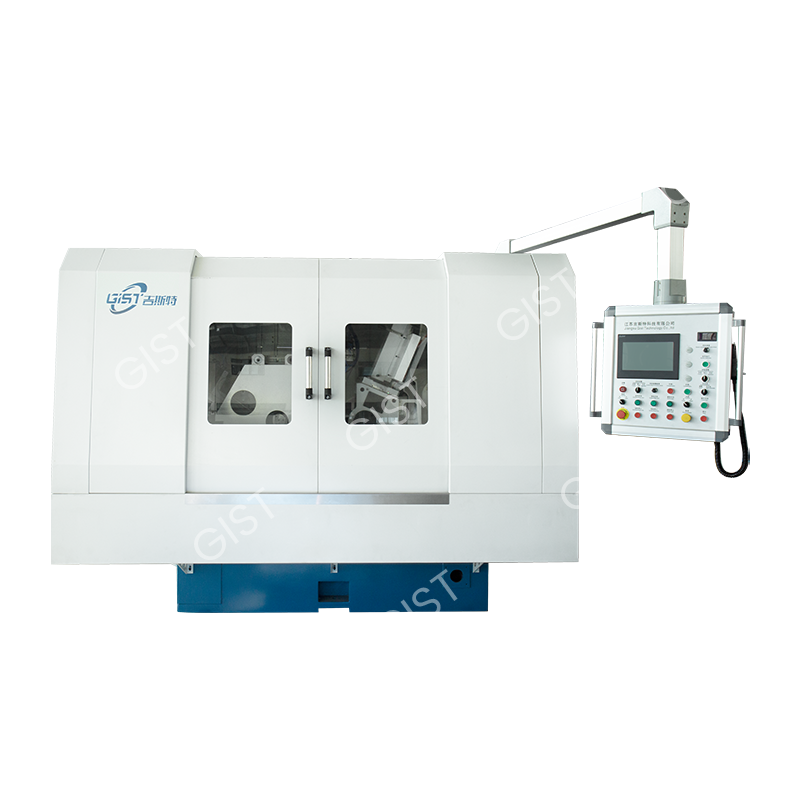
Category: Heartless grinder Product Overview: The company has passed the certification of various systems such as ISO9001:2015 quality management ...
More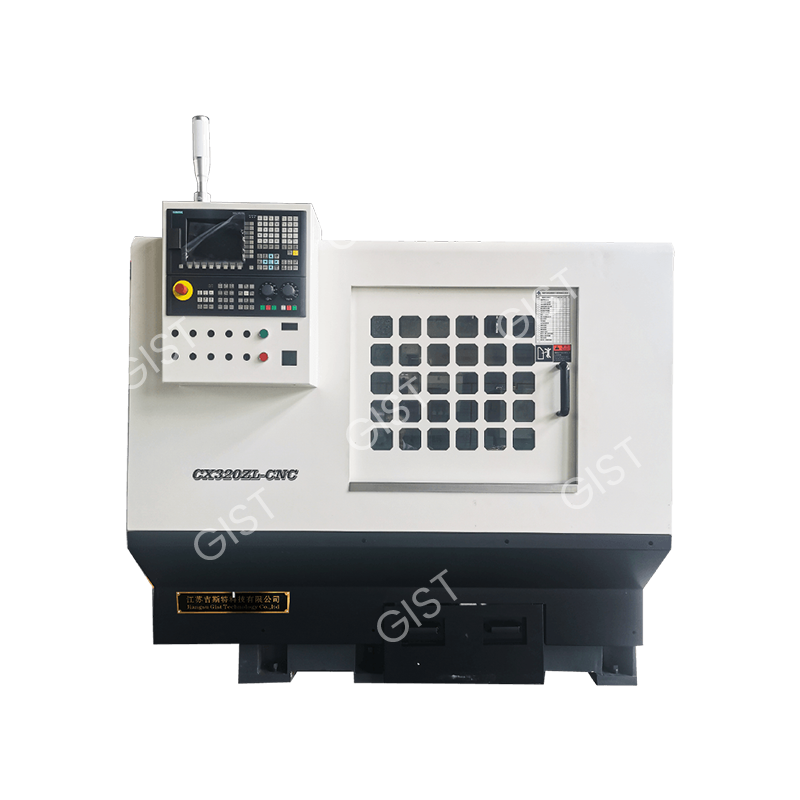
Category: CNC lathe Product Overview: The company has passed the certification of various systems such as ISO9001:2015 quality management system, ...
More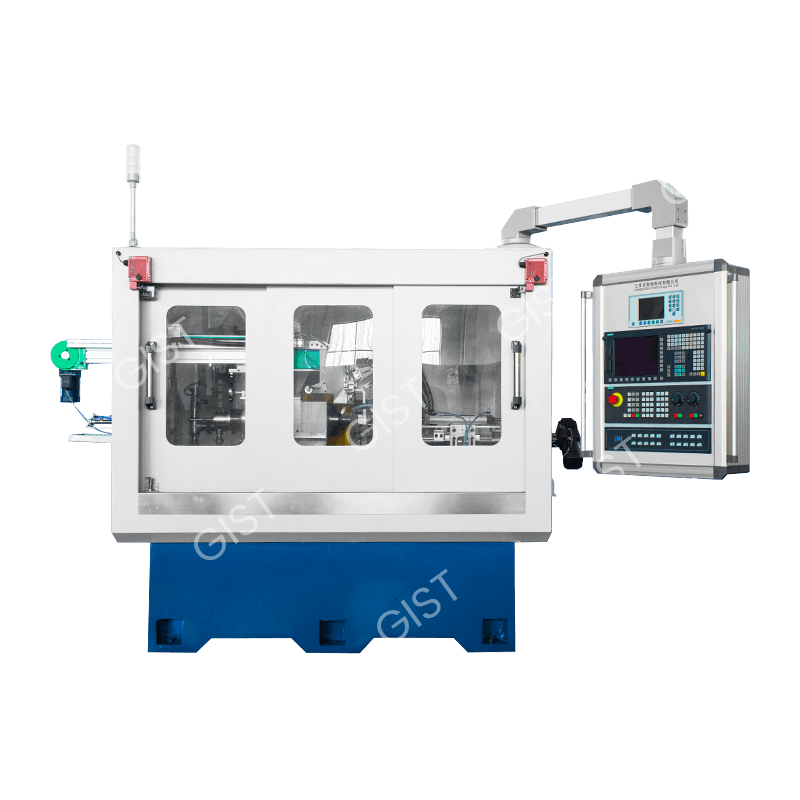
Category: Special valve CNC grinder Product Overview: The company has passed the certification of various systems such as ISO9001:2015 quality man...
More
Category: Special valve CNC grinder Product Overview: The company has passed the certification of various systems such as ISO9001:2015 quality man...
More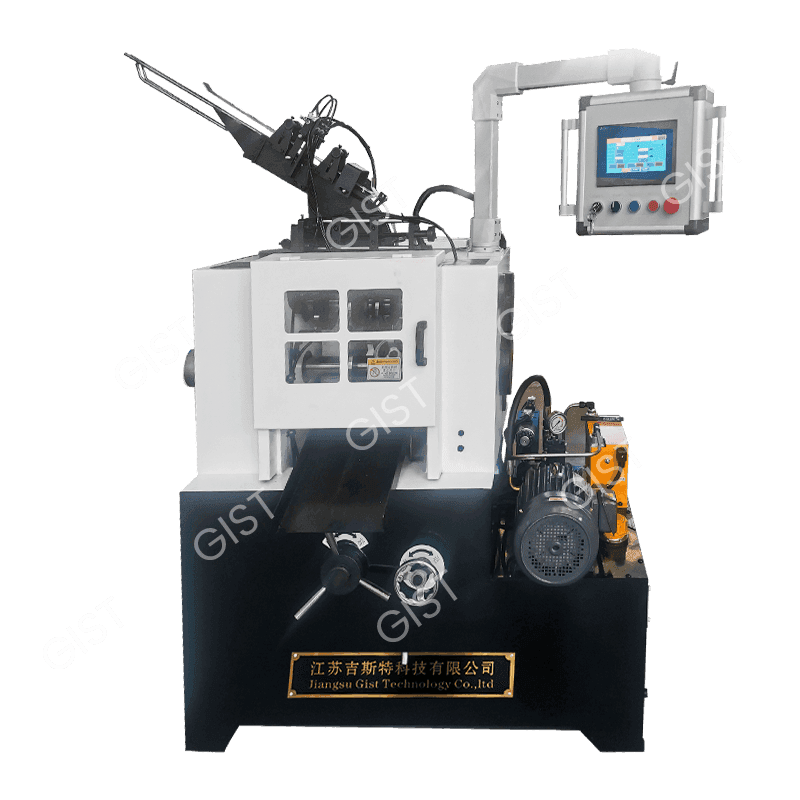
Category: Machining equipment Product Overview: The company has passed the certification of various systems such as ISO9001:2015 quality managemen...
More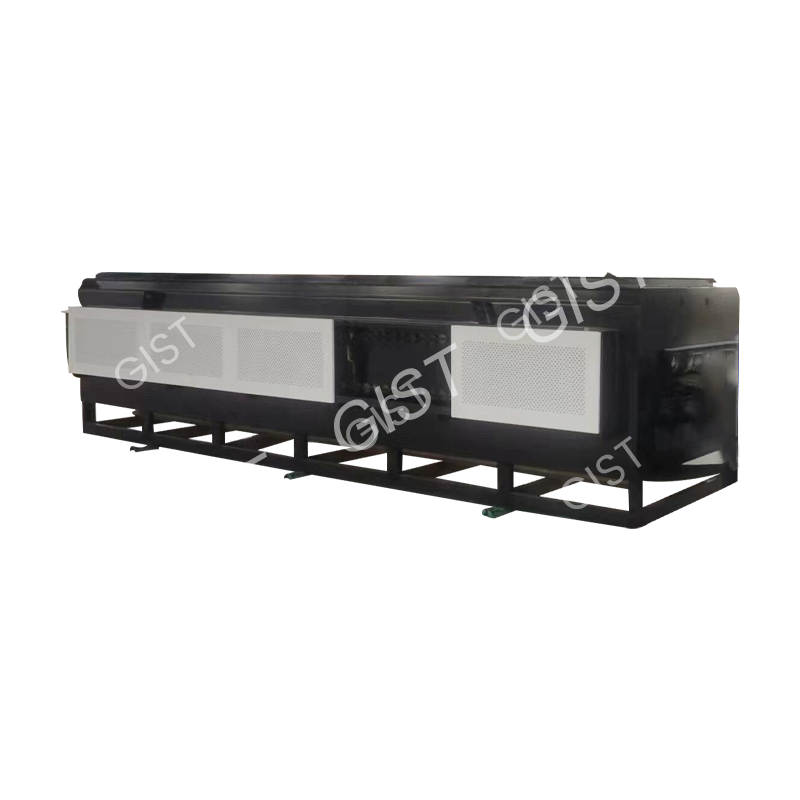
Category: Heat treatment equipment Product Overview: The company has passed the certification of various systems such as ISO9001:2015 quality mana...
More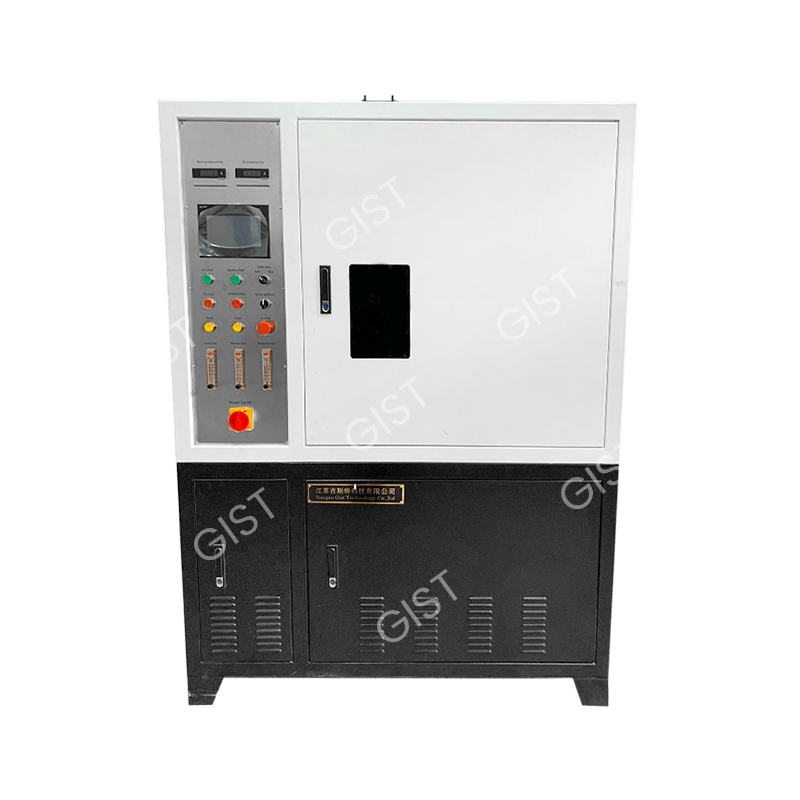
Category: Plasma welding equipment Product Overview: The company has passed the certification of various systems such as ISO9001:2015 quality mana...
More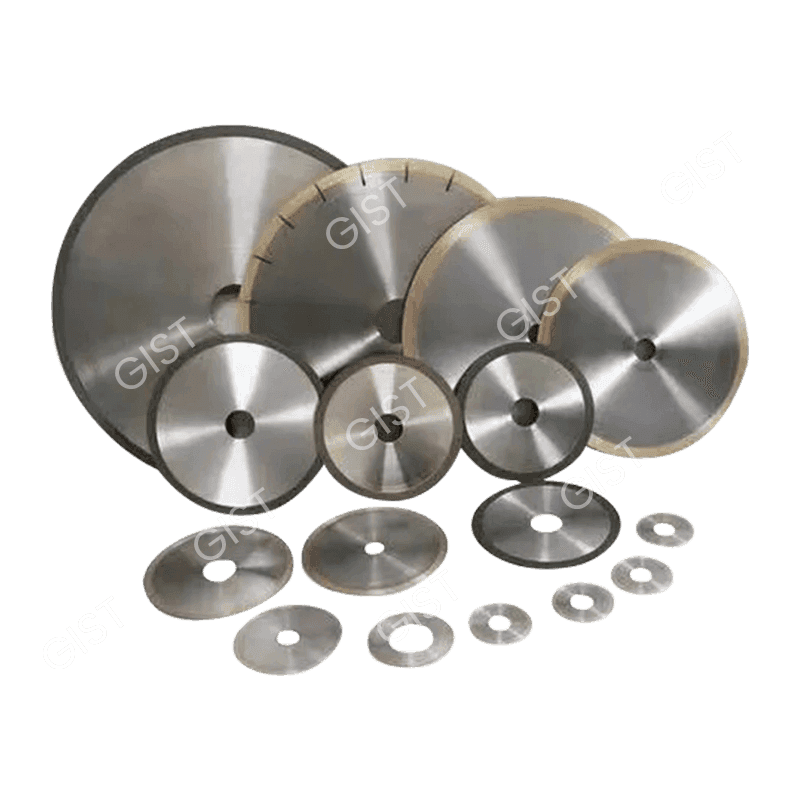
Category: Production auxiliary products Product Overview: The company has passed the certification of various systems such as ISO9001:2015 quality...
More
Category: Production auxiliary products Product Overview: The company has passed the certification of various systems such as ISO9001:2015 quality...
More
Category: Production auxiliary products Product Overview: The company has passed the certification of various systems such as ISO9001:2015 quality...
More
 86-13584767515
86-0515-89500828
 No. 1, Industrial Concentration Area, Wulie Town, Dongtai City, Jiangsu Province
Product